Lynn Amber - Travel & Photography
sharing my thoughts through words and images
Vermont Summer Series 5.23.20
My focus this summer (as you might have guessed) will be “all things” Vermont. I have not spent a summer in Vermont since 2015 so I’m looking forward to staying home and “re-discovering” all those places that bring me joy. I’m also throwing myself into home projects and activities that have taken a back seat during the past 4 years of travel and workamping.
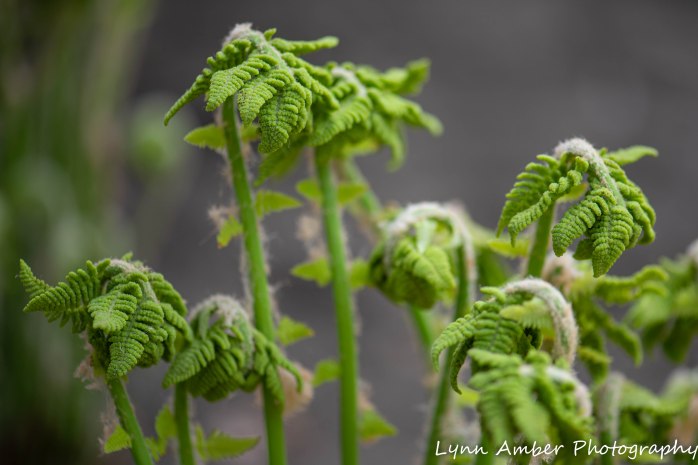
We recently dug up the small perennial bed along the north wall of my house – in an effort to regrade and reseed the back lawn area. That bed was planted probably 18 years ago, had been terribly neglected and was an overgrown, weedy mess! I decided to save the two ferns that I had placed in this bed – originally dug up from down near the creek that bisects our property. I’m fascinated by ferns as they are unfolding after a long winter dormancy. There’s just so much going on there if you look closely!
The trees have finally started leafing out here in Central Vermont, wildflowers are blooming and the forest floor is coming alive! We’ve had a string of beautiful, sunny days with warm temperatures and mild nights. It feels great to have the windows open at last – welcoming in the fresh air!
As of now, I have not settled on any specific theme or focus for my posts over the next few months. It will be an adventure – whatever captures my fancy on any particular day will be highlighted here! 🙂
Winds of Change

Winds of change descend
Whisk me back towards Vermont
Set me gently home.
~Lynn Amber
After 6 grueling days traveling on the road from New Mexico, we pulled into our Vermont driveway – relieved yet tired. Covid-19 has forever changed us. We sheltered in place in Arizona as best we could, waiting for the right time to head home – my job in Colorado uncertain. It feels right to finally be here with more control over our lives.
Three days later, rested and rejuvenated, I grabbed my camera and headed out for a much-needed walk. Trout lilies are starting to bloom in the woods although most are not yet fully open. I found the one above growing in the mowed grass adjacent to our pond – starting to unfold it’s beautifully delicate flower due to more exposure to the warmth of the sun.
Under the forest canopy, Red Trillium were prevalent and nodding their flowering heads in my direction. In the stream running along the roadside, I’m always encouraged when I discover the Marsh Marigolds lifting their yellow faces towards the sun! Spring is really here and summer not far behind!!
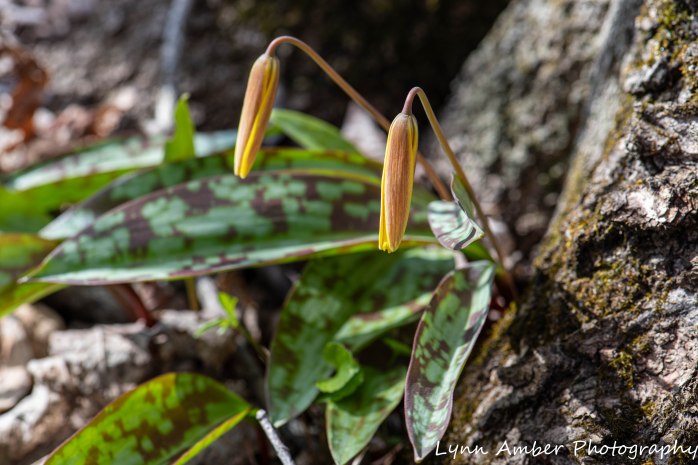
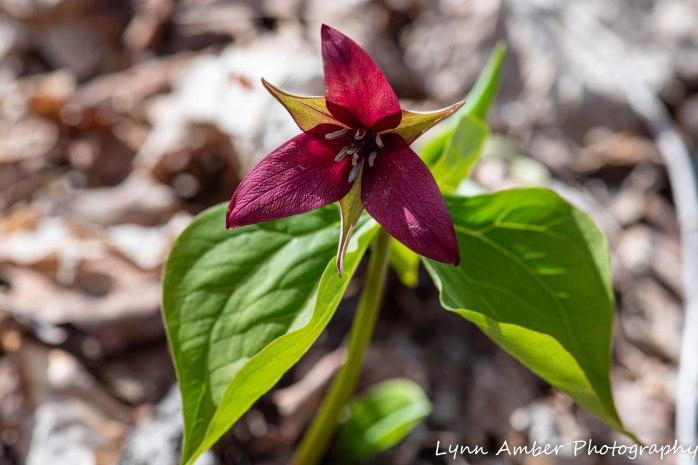
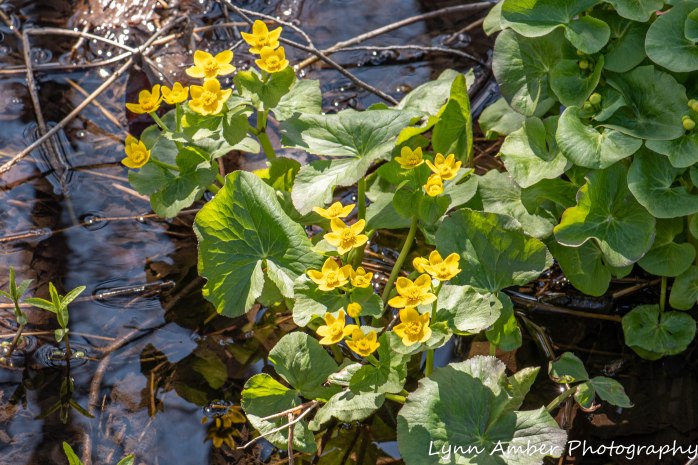
Photo of the Day: 5.1.20
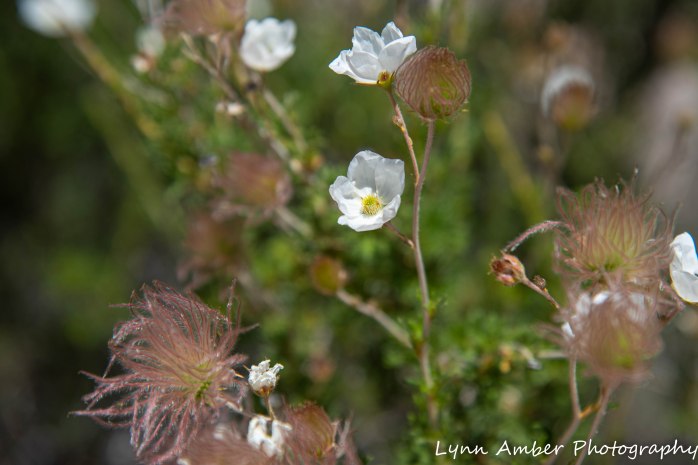
After leaving the Gila National Forest, we traveled about 200 miles northeast to a small RV Park just north of the Bosque del Apache National Wildlife Refuge. The retired couple who were camped next to us in Las Cienegas NCA mentioned they volunteer at this refuge during the winter months. I chose to find a place to stay near here since they spoke so highly of it. (A side note: I positively recommend the Chupadero Mountain View RV Park if you are ever traveling in the San Antonio, NM area and are near this refuge along the I-25 corridor in New Mexico. We spent two nights here and the couple who run this tiny RV park are without a doubt two of the nicest folks I’ve ever met!)
Unfortunately, most of the refuge is closed due to the COVID-19 pandemic! We could not even drive the Auto Tour Loop. That was disappointing as the Rio Grande River flows through the refuge and we could not get close to it! There are a couple of hiking trails open and, due to the hot weather, we chose the shorter trail to hike. Unfortunately, the trails do not travel towards the river! The Canyon Trail is a 2.6 mile loop that winds through the creosote bush-filled desert into a small canyon occupied by peregrine falcons and cliff swallows. We saw a peregrine falcon perched up high on a dead tree and numerous cliff swallows. There were so many plants in bloom along the trail!! I chose the Apache Plume as my photo of the day because of my friend Kate who reads my blog.
We had a discussion about this plant in regards to another photo of the day – what we finally determined was a type of cliff rose, and I’m happy to report that I did finally find some Apache Plume in bloom and fruit!! What a gorgeous plant!!

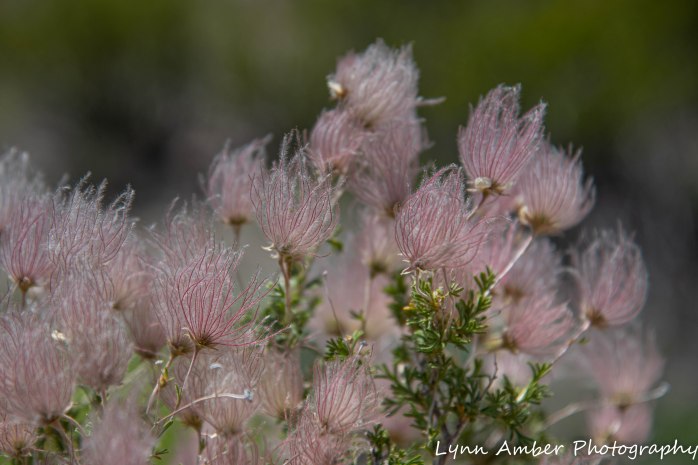
Photo of the Day: 4.30.20
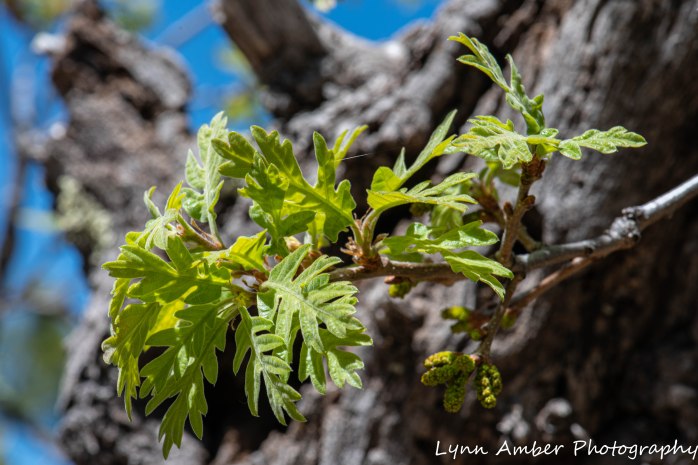
Our last full day in the Gila National Forest, we hiked more of the Continental Divide Trail heading north from the campsite. It was a steady climb as we headed towards Jack’s Peak. With an elevation of 7,553 feet, the peak is one of the tallest in the Burro Mountain range. We did not hike all the way to the summit as it is a 8.5 mile round trip hike and, while that is certainly in my range, I’m not inclined to hike to the summit of a mountain riddled with cell towers! We did reach some higher elevation, though, as evidenced by the Ponderosa Pine forest we encountered near Jack’s Peak.
Just as we neared the Ponderosa Pine forest, I noticed some old leaves on the trail that looked just like the familiar white oak leaf of the Northeast and suspected that there must be some Gambel Oak in the area. Ascending the trail, I did not see where the old leaves might have originated. I looked all around to see if I could spot the oak tree. After turning around and heading back down the trail, I noticed right away an old gnarled tree coming out in leaf. It’s amazing how a different perspective can make a difference! It was the Gambel Oak! I just loved the way the sunlight was catching the bright green new leaves!
Photo of the Day: 4.29.20
±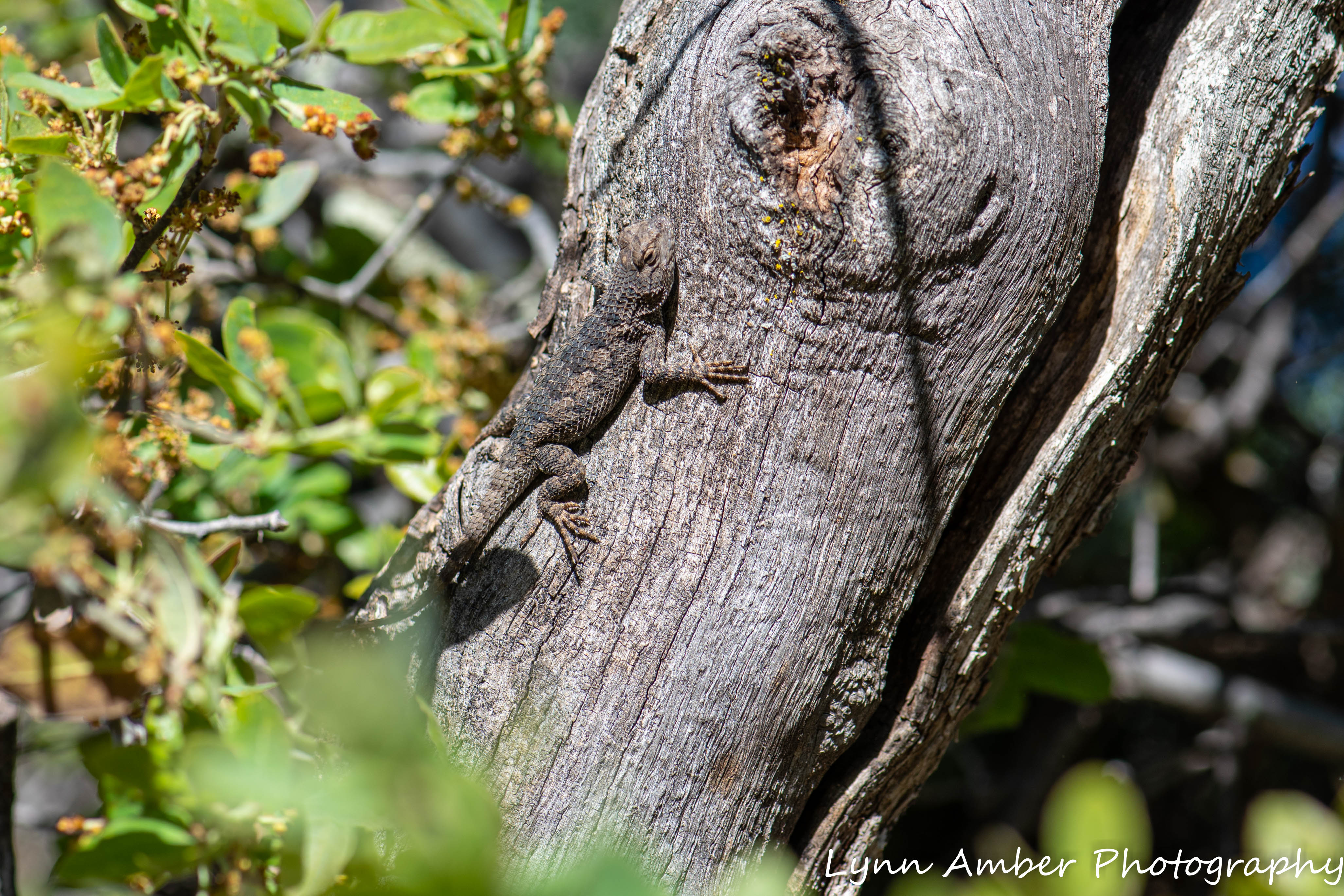
I carried my second cup of coffee outside this morning and enjoyed listening to the bird songs while I sipped. As I gazed into the Arizona White Oak near me, I noticed movement and was immediately aware of several lizards climbing up into the tree to sun themselves on the branches. I had a blast watching them – as they bobbed up and down in place doing “push-ups!” I ran inside for my camera and captured some of them – staying a distance away so as not to disturb them. They were a little shy. I’m going to “go out on a limb” and call them Tree Lizards. As best I can tell from my limited print resources, they match the coloration and habit of this type of lizard. They blended in so well with the bark that Jim did not even notice them until I pointed them out.
I’m calling the tree an Arizona White Oak – Quercus arizonica -due to the leaves and size although oddly enough there were some leaves that more closely resembled the Scrub Live Oak – Quercus turbinella. In reading more about these oaks on the website Vascular Plants of the Gila National Forest, I found out that the oaks here often intergrade within species making identification tricky. I learn something new every day!! I’m inclined to believe that the tree the lizards were sunbathing in could also be Quercus grisea – Gray Oak. What I DO know is that it is an OAK!!

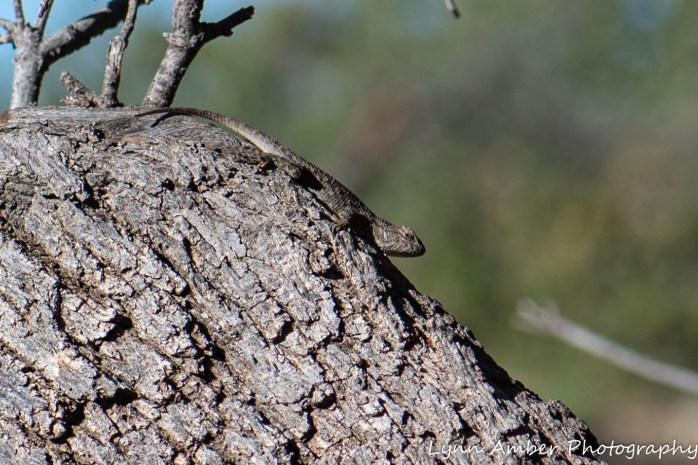
Photo of the Day: 4.28.20
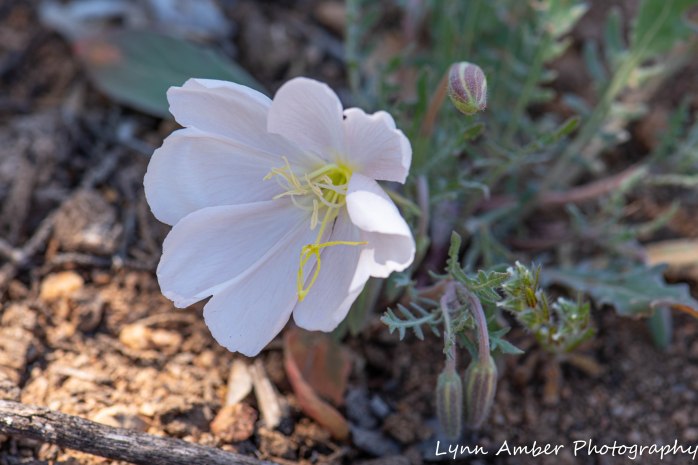
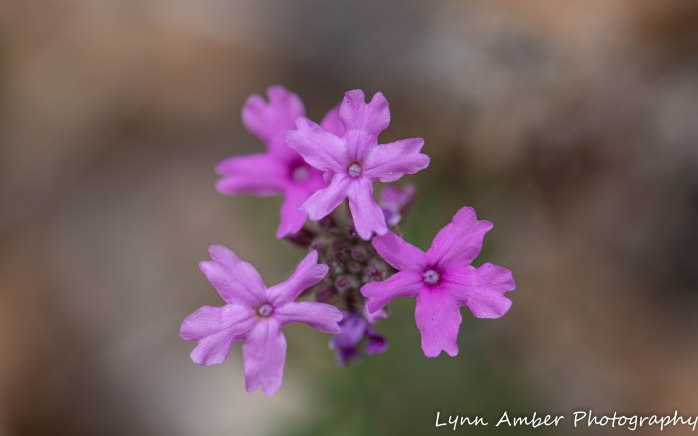
Today we hiked the Continental Divide Trail running south from our camping area in the Gila National Forest. I came upon this cute little flower along the trail. It’s the only one I saw for the entire distance that we hiked. I identified it as an evening primrose initially and, upon further investigation, I think it is the Oenothera albicaulis or White-stemmed Primrose.
I stumbled upon an interesting database while researching this plant called the Native American Ethnobotany Database. It lists this plant as both a food source and a medicinal/ceremonial plant used by Native Americans. The web page for this plant references a number of articles containing data regarding the use of this plant by Apache, Chiricahua, Mescalero, Navajo and Hopi tribes. Fascinating!
The trail climbed gradually from camp and leveled out onto a high plateau with sweeping views towards southern New Mexico.
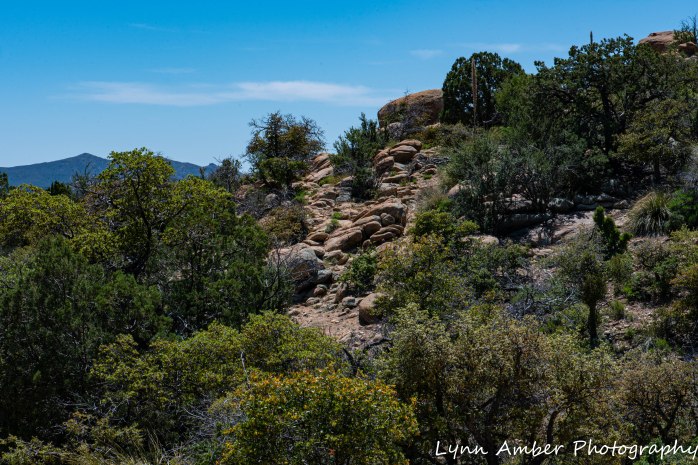
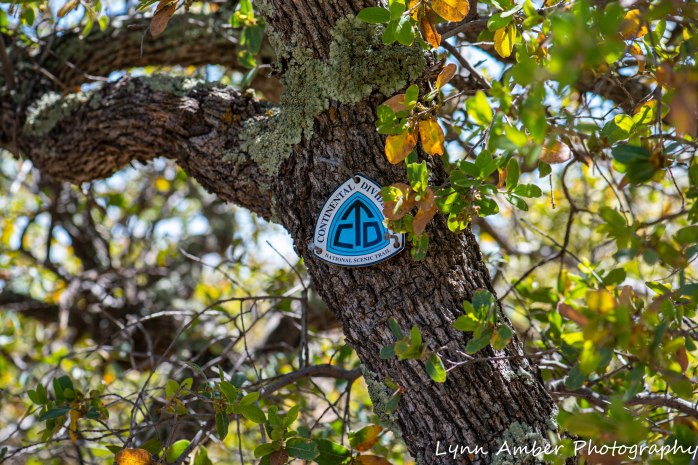
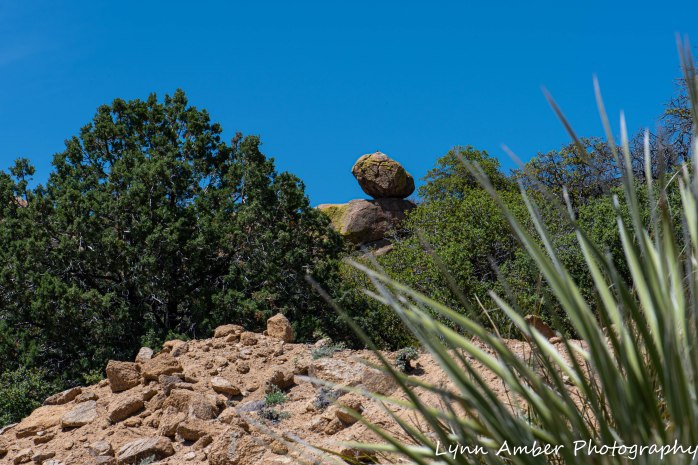
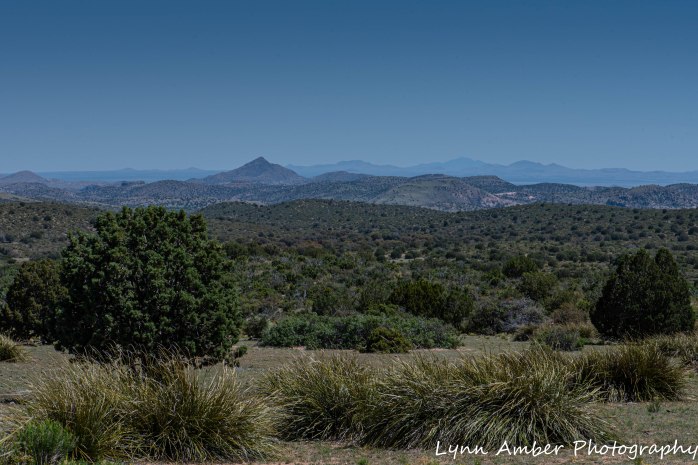
Photo of the Day: 4.27.20
We moved over to New Mexico yesterday to a dispersed camping area in the Gila National Forest. The Continental Divide Trail runs right through here and we embarked on a short hike along part of the trail today. The terrain is soooo very different from the high-desert grassland in Arizona!! We have scrub oak, alligator juniper and pinyon pine surrounding our campsite. The diversity of plant material along the trail was remarkable compared to our previous location!
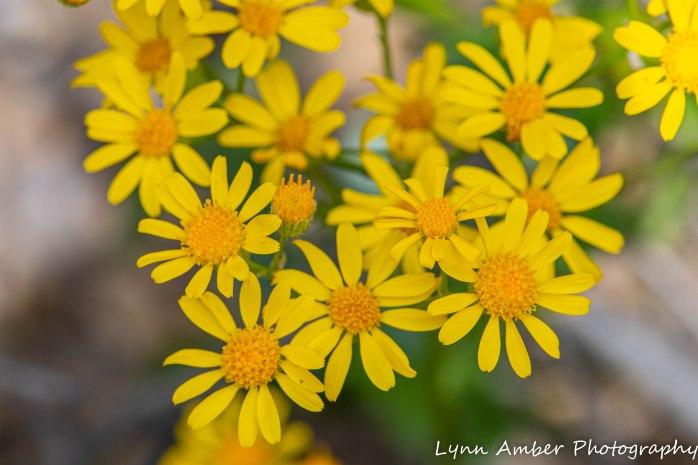
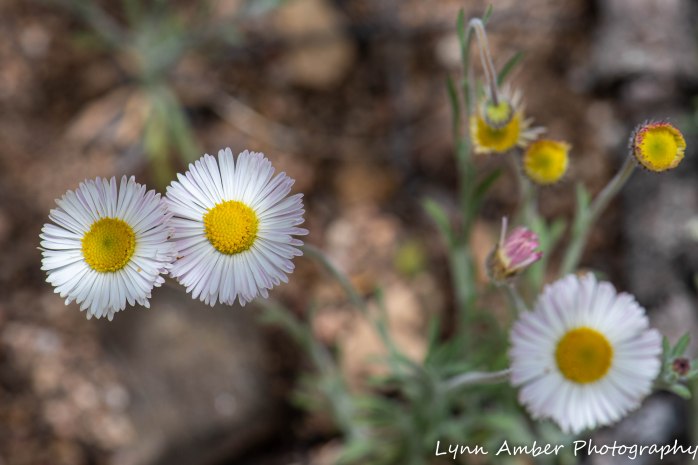
The CDT was very well marked and we noticed some folks had left snacks for thru-hikers and water at the trailheads. We came upon one young gentleman who was a section hiker – doing most of the sections in New Mexico. He had started at the Mexican border and was hiking north. It was fun to talk with him. He was definitely in the mood to converse and tell his story. He was of Puerto Rican descent from New York City and remarked that the Border Control police kept bothering him since he started from the border. He was baffled by this to an extent – why they would mistake him for Mexican! He recounted to us some very serious reasons why he was out hiking on his own at this point in time and we listened without judgement. He chose nature and solitude to work through some trying times and, in many ways, I think it is just what he needs. He shared with us some of his musings along the way as well. It was interesting to hear what his thought processes were as he hiked. We wished him luck in his journey as we parted. I noticed he was carrying a SPOT GPS tracking device and told him I was glad he was carrying it. Good that he was keeping people notified of his location!! He gave us his trail name and the name of a YouTube channel he was going to post. I’m curious to look this up at some point and see how he made out on the rest of his hike.
Images along the Trail:
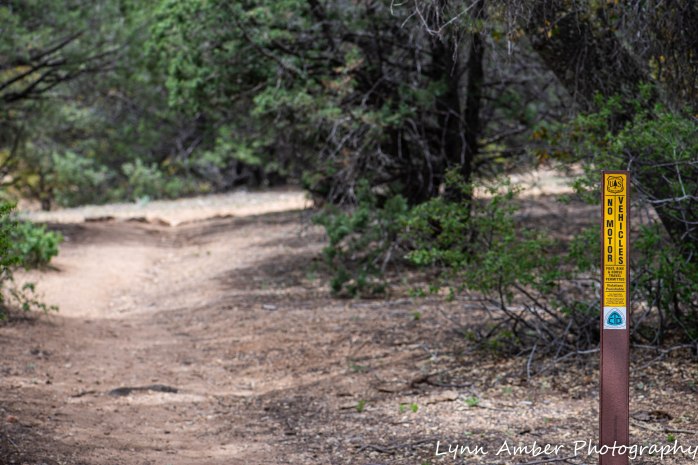
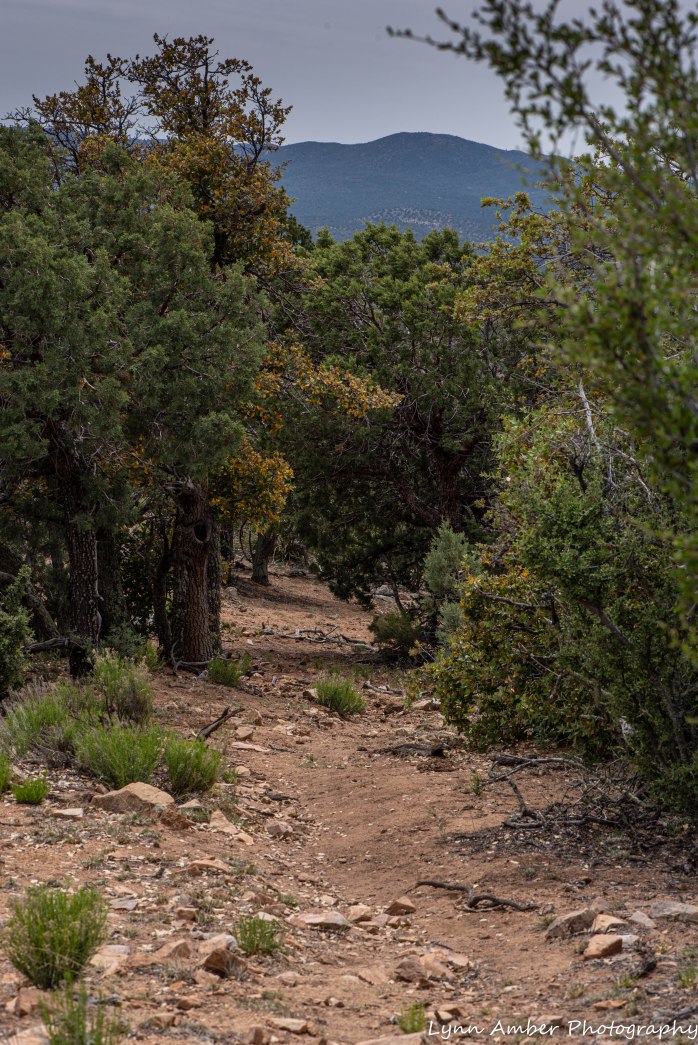
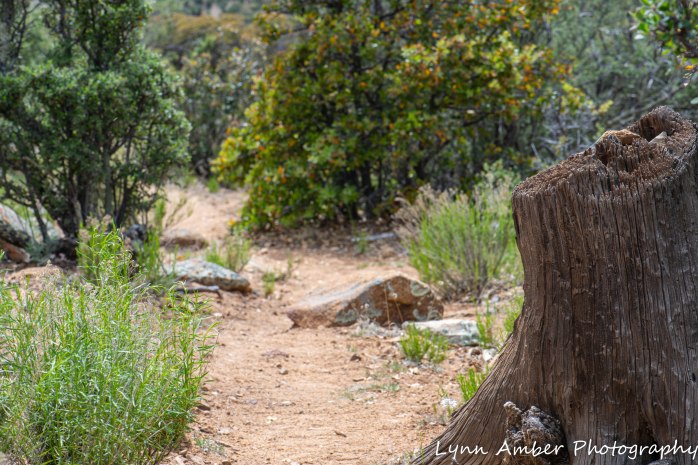
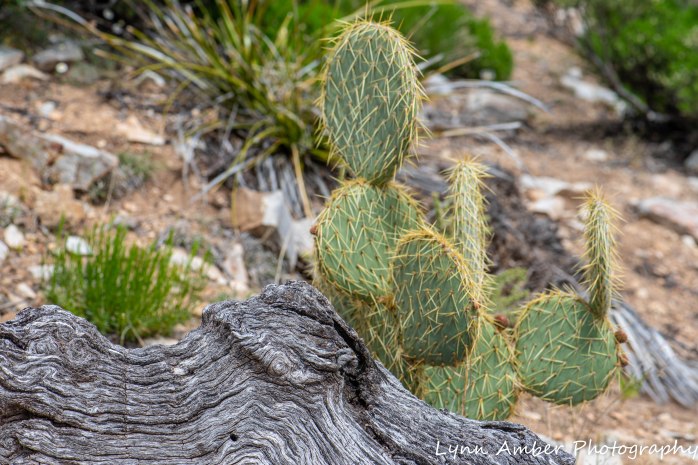
Photo of the Day: 4.26.20

Our last night on the Cienegas I set up the tripod to get some evening shots. The sun was positively glowing as it set in the western sky. I waited for some stars to appear before I called it a night.


Photo of the Day: 4.25.20
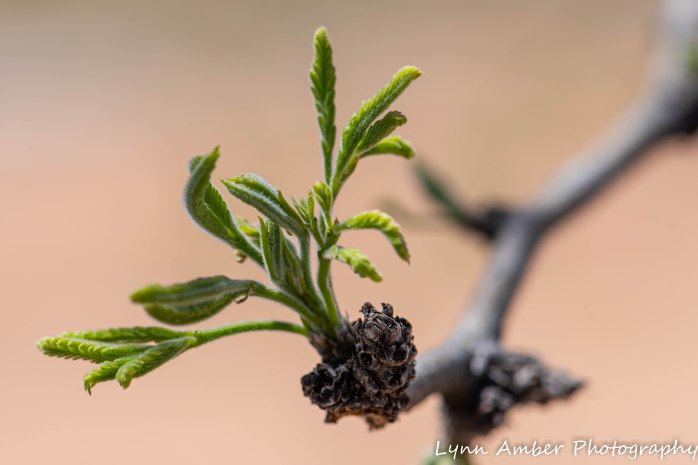
Mesquite Green
Mesquite awakens
As the days grow long and hot
Painting the land green. —–Lynn Amber
Our time here on the Cienegas is about to end just at the time of year when the mesquite are coming out in leaf and flower. It’s so nice to see this bright green color subtly emerging across the grassland. I will always remember our stay here as our “shelter-in-place” home away from home during this most difficult of times. Las Cienegas, I will be back!!
Photo of the Day: 4.23.20
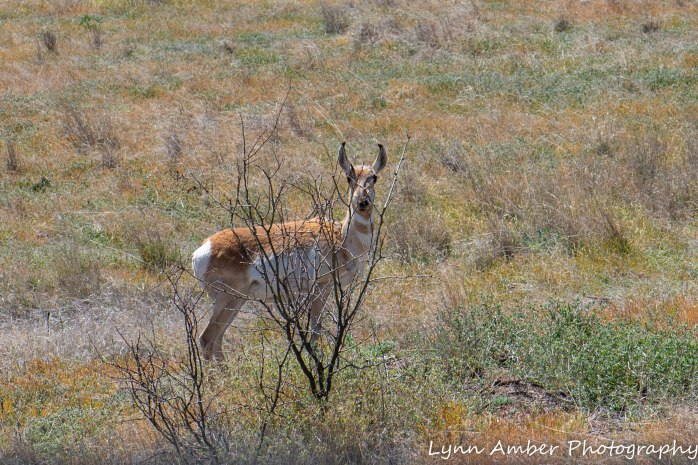
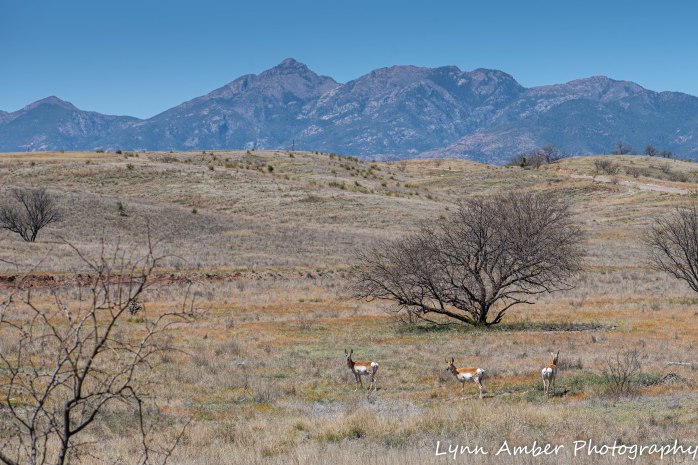
On our way out this morning to fill our fresh water tank and dump our other tanks, we came upon some pronghorns along the Empire Ranch Road. Usually, they are much further away in the grassland making a photograph impossible. Jim stopped the truck so I could scramble out for a quick shot. They were not as skittish as usual and I was able to get some shots. I still had to crop the photo significantly but happy to have finally captured them on “film.”