Lynn Amber - Travel & Photography
sharing my thoughts through words and images
Vermont Summer Series 7.25.20 Visitors
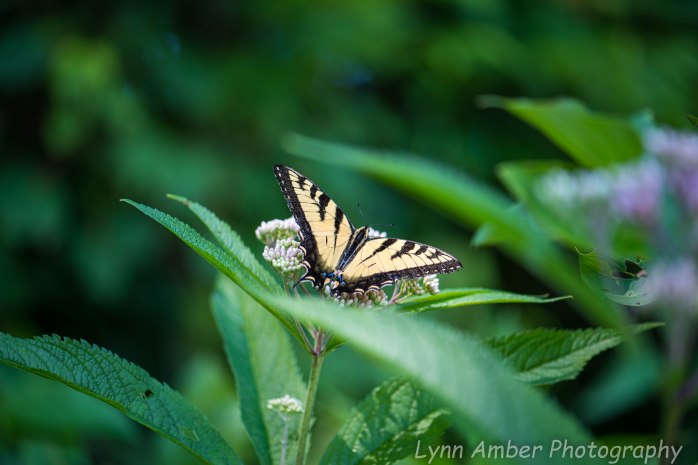
We’ve had a week of visitors to our home in Vermont. Last weekend, we enjoyed a visit from my son and daughter-in-law and throughout the past week we’ve been entertaining Jim’s brother from Wisconsin. It’s been nice to have someone else to talk with besides ourselves!! The most exciting part of both visits was discovering and observing the NEOWISE comet in the northwestern sky with them!
In addition to human company, this summer has seen the arrival and residence of many feathered friends. I’m not sure I’ve ever seen such a variety of avian visitors, or perhaps I’m just more attuned to their presence.
I’ve been meaning to start a list of birds we see frequently. The song sparrows have been nesting in the ground hugging Juniper shrubs along our house foundation. We listen to their melodies every morning and throughout the day. They like to perch on top of the garden shed roof and sing to each other! Of course, we have a multitude of robins that return each year. They have been comical to watch as they try to jump up from the ground and grab blueberries from our bushes. The Ruby-throated Hummingbirds love to sit on a dead branch at the tip-top of the birch tree in the front yard. They use this limb as a resting spot and observation point – flying down to the garden and visiting my flowers – especially the petunias I have growing in my hanging baskets on the porch. Black-capped Chickadees are often heard rather than seen while I enjoy my coffee on the porch. Their two-toned “fee-bee” whistle piercing the cool, crisp morning air. Eastern Phoebes like to perch in the oak tree near our front garden. They have been nesting nearby for years.
We’ve observed many species of birds hanging out in the birch tree simultaneously. You remember that birch tree we almost cut down at the beginning of the summer! 🙂 The parade of birds includes a Gray Catbird with its unusual cat-like call, the beautifully exotic looking Cedar Waxwings, Mourning Doves, American Goldfinches and Hairy Woodpeckers. There’s a Brown Thrasher that has been checking out our blueberry patch as well. Contrary to the dull sounding name, he’s actually quite colorful with his bright rufous-colored back and striped chest.
Occasionally, we catch a flash of an Eastern Kingbird and I caught a glimpse of a Baltimore Oriole once flying along the ash tree hedgerow along our property.
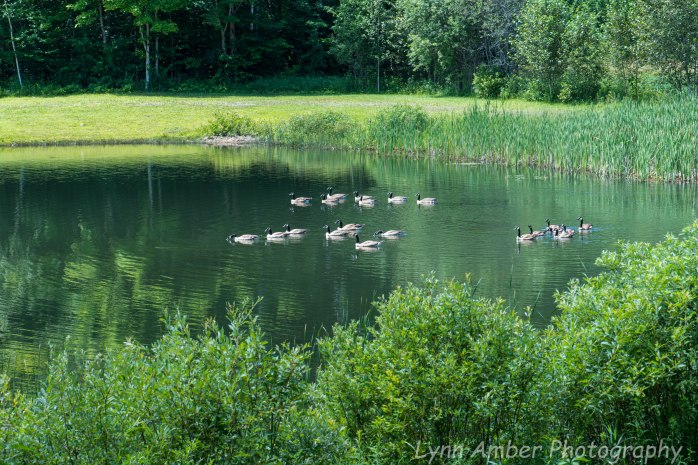
On my walks around the neighborhood, the red-winged blackbirds are always active near the twin ponds up the road from me. There is also a huge multi-family Canadian Goose population living between the two ponds. I’m thankful they chose to nest up there and not at my pond! I love to watch them but they do make a mess! At the “beaver pond” further up the road, Mallard Ducks are often hiding among the tree branches submerged in the water. Yesterday on my walk, I’m pretty sure I spotted a Broad-winged Hawk fly across a meadow and perch on a telephone wire near the road. I can usually also hear, but not see, Vermont’s state bird – the Hermit Thrush – in the forest environment along my route.
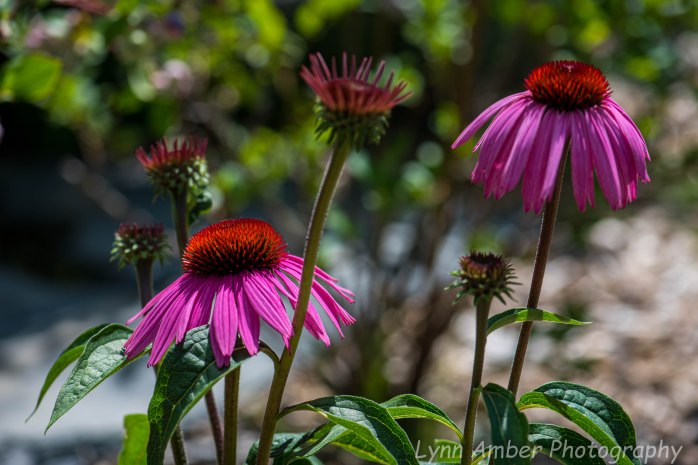
As for my garden flowers, some perennials have finished blooming only to be replaced by others just starting to put on a show!




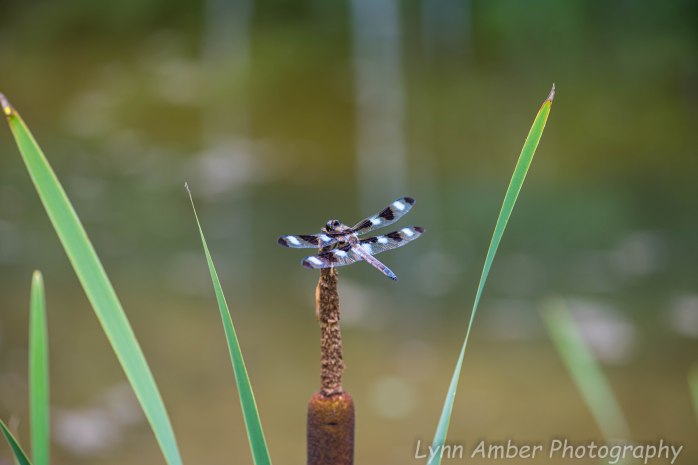
We’ve been hanging out back at the pond on these hot days, especially in the late afternoon to cool off a bit. I do laps in the kayak while Jim swims! I have not measured how many laps equal a mile – but it’s a few! The dragon-fly activity is insane and loads of green frogs inhabit the pond’s edge. 🙂
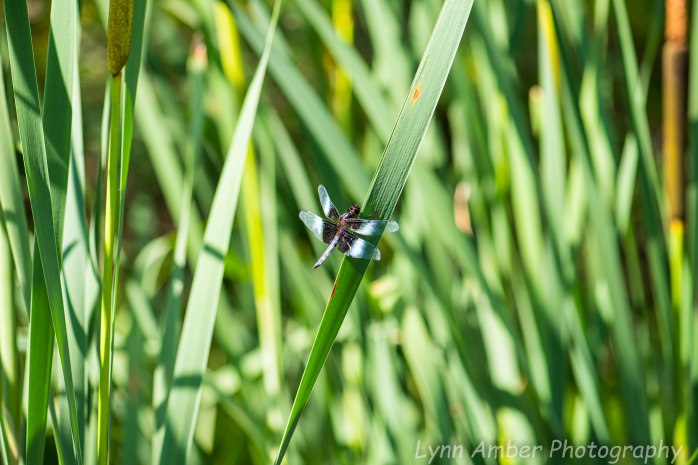

Hard to believe it’s the height of the summer already. Soon, we will be seeing signs of fall!
Photo of the Day 7.20.20 Cosmos in the Morning Light
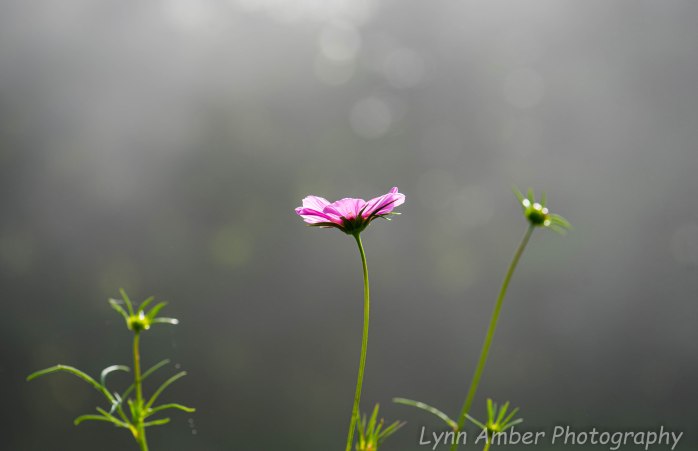
With family visiting over the weekend, I took a technology break and kept the computer and social media time to a minimum. I did sneak out early Saturday morning with my camera though! 🙂 There was a heavy fog in the air and the sun was trying to burn through it. My cosmos has started to reach above the picket fence and the light was just dancing off the pink petals. With the misty background, I thought it made a nice photograph.
Photo of the Day 7.17.20 Lady’s Mantle

I’ve been meaning to photograph my Lady’s Mantle in bloom for several days. The way the leaves hold onto rain drops and dew has always fascinated me. This plant always reminds me of the photographs I’ve seen of English gardens with mass plantings of this lovely (and weedy!) perennial with the pale yellow sprays of flowers.
Vermont Summer Series 7.16.20 Marsh-Billings-Rockefeller National Historic Park
Yesterday, I mentioned embarking on a short road trip. I have been craving a visit to a public garden and heard that the mansion at the Marsh-Billings-Rockefeller National Historic Park maintained some formal gardens reminiscent of the original gardens of the former estate. I’m so ashamed to admit that I’ve lived in Vermont 20 years and never visited our only national park! It’s literally in my backyard – only a 45-minute drive from my home. Oh well – better late than never!
A Very, Very Brief History……
Marsh-Billings-Rockefeller National Historic Park was established by an Act of Congress in 1992 and officially opened to the public 6 years later on June 5, 1998. The park’s mission is to support efforts to preserve and interpret the history of conservation and the evolution of land stewardship in Vermont and the country. To understand this history, it is important to acknowledge and explain the contributions made towards conservation and stewardship by the three main landowners and visionaries of the farm.
Known as the “father of the American conservation movement”, George Perkins Marsh grew up on the farm in Woodstock in the early 1800’s. He noticed the impact that deforestation and irresponsible agricultural practices were having on the land around his homestead and throughout Vermont. After graduating from Dartmouth College, Marsh eventually become a legislator and diplomat. His diplomatic travels around the world introduced him to landscapes that were severely impacted by adverse environmental practices and he was able to see first hand the measures that Europeans were employing to remedy the problem. In fact, it was during that time in 1864 when Marsh wrote Man and Nature. He argued that human impact on the environment was substantial and advocated for conservation of our natural resources and the practice of sustainability and good stewardship of the land. His premonition that unchecked human alteration of the environment would lead to climate change appears to have come to fruition. Think about that for a minute. He wrote Man and Nature over 155 years ago! We are slow learners.
The second owner of the original farm was Frederick Billings, a Vermont native who purchased the Marsh farm in 1869, after a number of years away from his home state making his fortune as a lawyer and real estate baron during the San Francisco gold rush. He had a deep appreciation for the natural world and was influenced by the writings of George Marsh. Billings studied dairy farming and forest management practices with an eye towards conservation of resources and sustainability. With the help of his farm manager, George Aitken, he created a model dairy farm and advocated for responsible agricultural and forest management methods. His vision helped to bring Vermont back from the deforestation practices in the late 1700’s and early 1800’s. After his death, his wife and daughters continued to operate and expand the farm into the 1900’s. I love a story that includes strong, independent women!
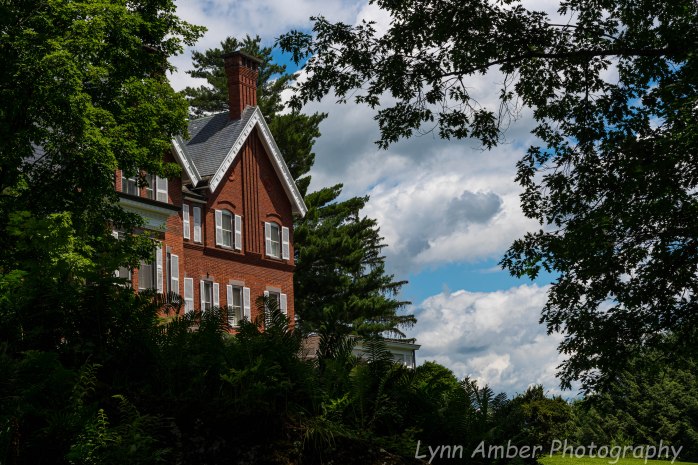
In 1934, Laurance Spelman Rockefeller entered the scene when he married Frederick Billings granddaughter, Mary French. A serious conservationist and philanthropist in his own right, he and his wife furthered the efforts of the original farm which they inherited in 1951. Together, they remodeled the mansion and updated the farm and dairy operation. In the early 1980’s, through the educational institution the Rockefeller’s founded – The Woodstock Foundation – they created the Billings Farm and Museum. And, in 1992, Laurance and Mary donated the mansion and surrounding forest to the National Park Service for the purpose of promoting conservation, recording the history of the rural, local area and educating the public on the need for good land stewardship.
Today, the property is managed through a partnership between the National Park Service and The Woodstock Foundation. The Billings Farm is a working farm and the museum focuses on the agricultural and rural life of the time period. The Billings Farm and Museum recently re-opened after being closed due to the pandemic. Unfortunately, I did not realize that the buildings are closed Tuesday and Wednesday! So, I did not have the opportunity to visit the museum the day I arrived. The park visitor center and other park buildings remain closed at this time.
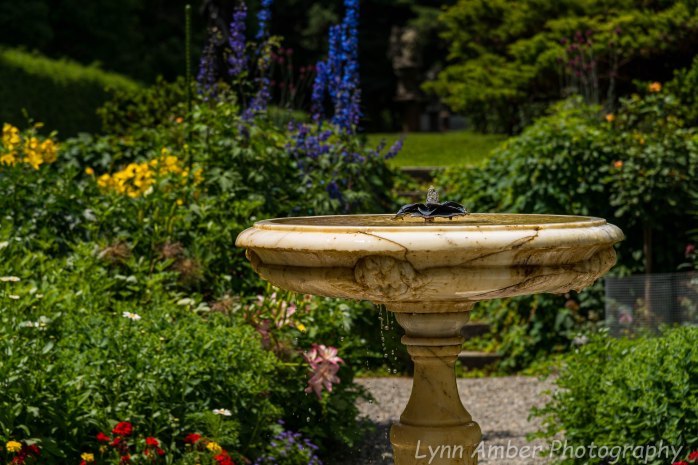
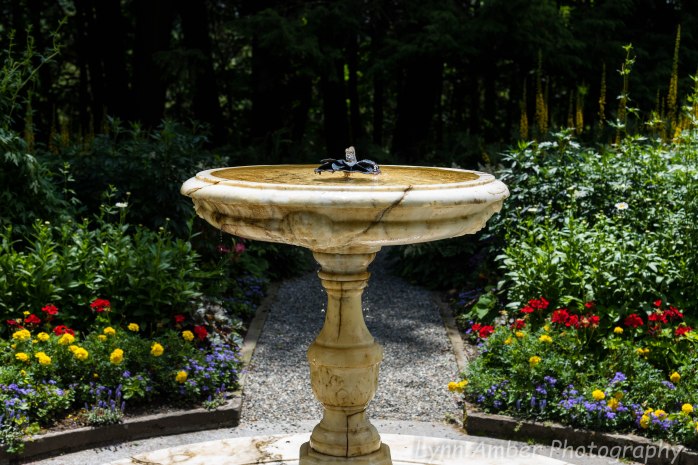
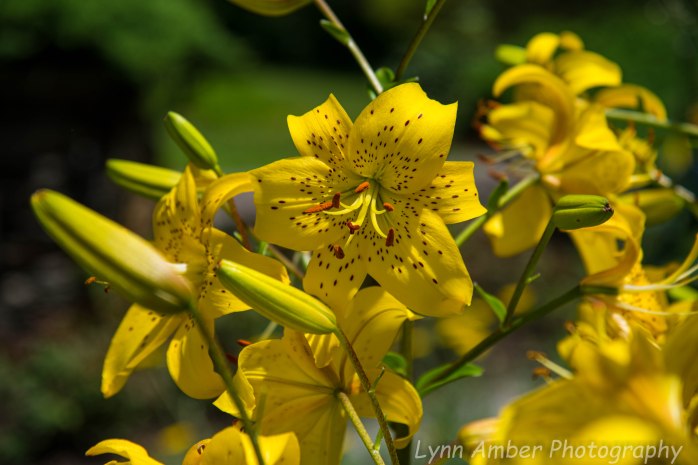
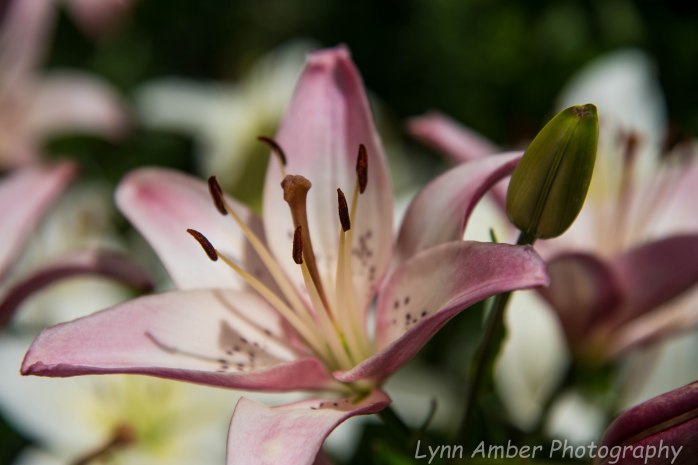
The goal of my recent trip was to spend time in the formal garden near the mansion and walk some of the nearly 20 miles of trails. As I was walking towards the visitor center from the parking lot across the street, I happened upon a park ranger. I asked him if it might be possible to get a print map of the property and followed him to the visitor center where maps were available in an outside display. He suggested a walk to Lake Pogue which would be a 3.5-mile round trip and outlined my route on some of the carriage roads throughout the property. He mentioned that the garden was not up to speed this summer due to the lack of availability of plant material as a result of the pandemic. I decided to check it out anyway and was not entirely disappointed. There were some nice flowers blooming and a lovely little fountain that was the centerpiece of the garden design.
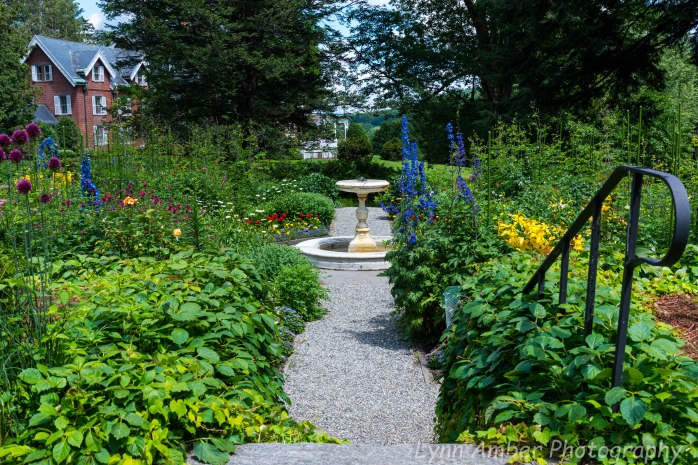
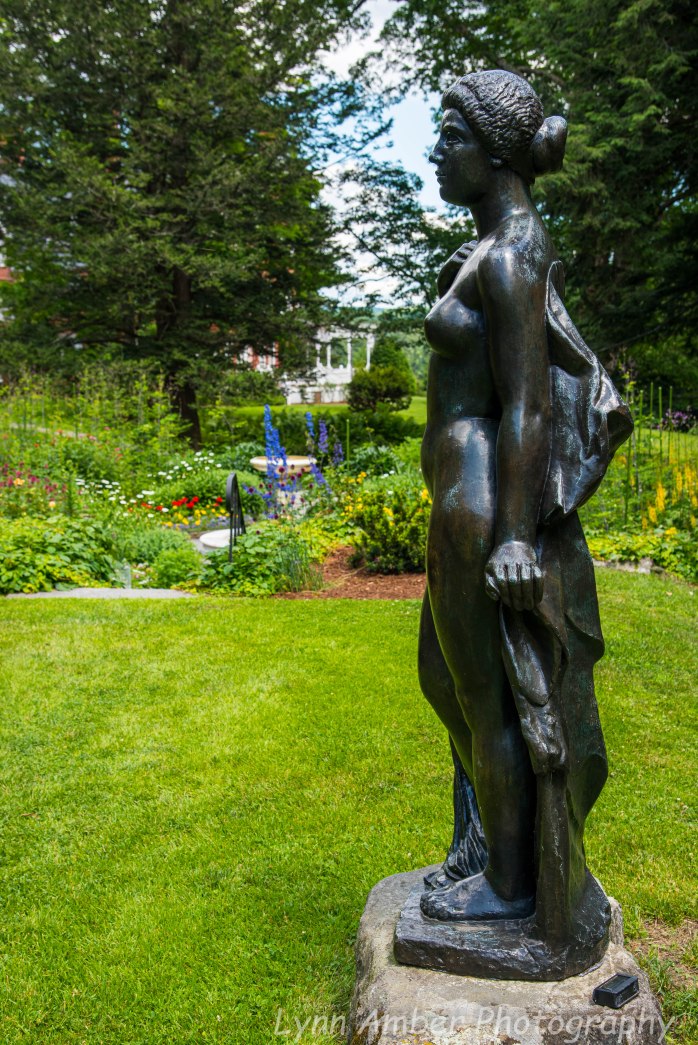
The stairs above led to an alley way with some sculptures.
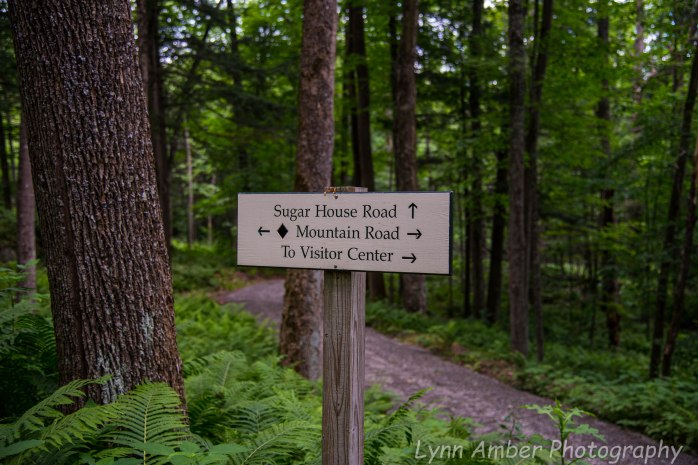
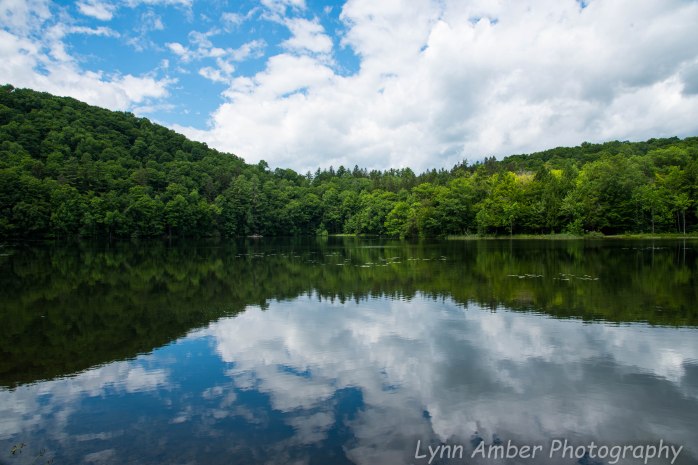
After exploring in and around the formal garden, I made my way to the lake via the carriage roads. It was a moderate uphill climb on a very well groomed gravel surface. Signage was abundant along the way where other trails and roads crossed. Since this area is groomed for cross-country skiing in the winter, the signs actually have Nordic trail difficulty ratings posted on them! I skied here many years ago when my boys were young.
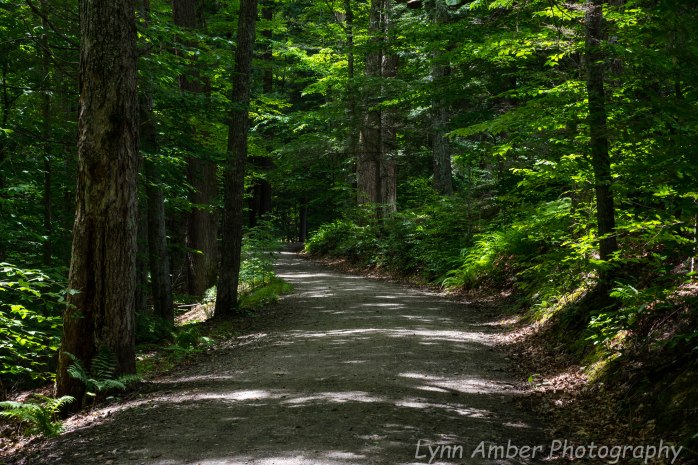
The walk to the lake through the natural forest landscape was a stark contrast to the formal garden I had just visited.


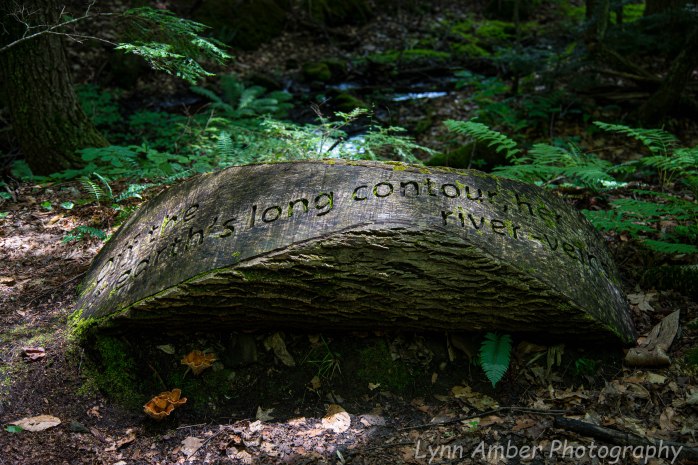
I found some interesting objects along the carriage road. On a short path off the road, I noticed this saying carved in wood along a small creek – “Off the earth’s long contour, her river-veins” – and was curious where it originated. It’s from the poem Antaeus, by Seamus Heaney. Look it up and read the entire poem – I challenge you!
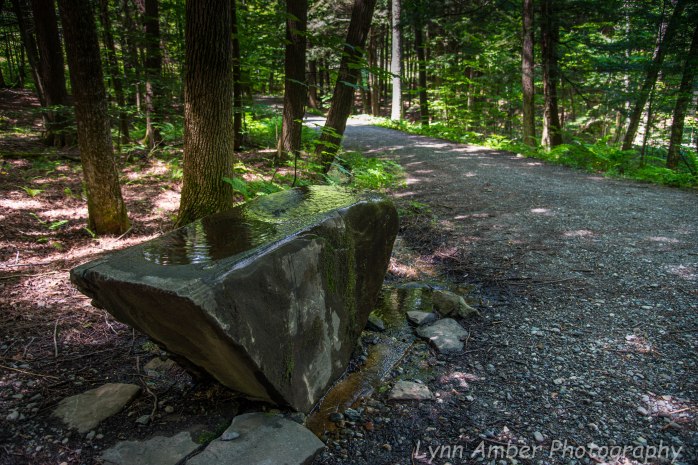
At a trail junction, I found this rock with a fountain of water bubbling out. What do you suppose it is for? It seemed quite unusual! A watering trough perhaps for animals?
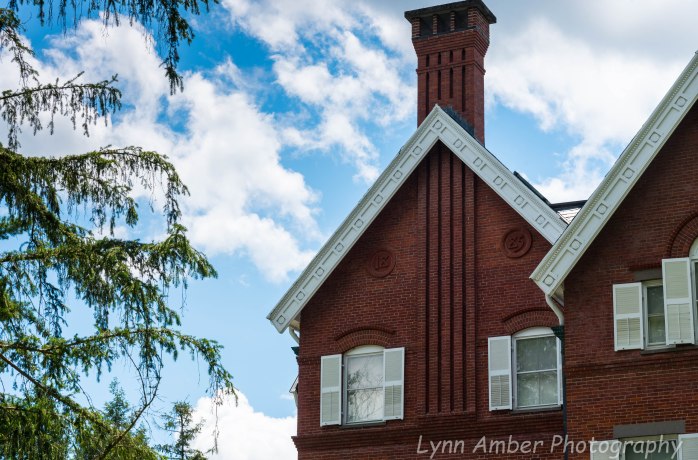
I found the architecture of the buildings intriguing. The original Federal-style house has undergone renovations with each owner. The mansion was closed to tours but I walked up onto the porch just to get a feel for what it must have been like to live here and sit upon this impressive porch. It was the detail in the woodwork that attracted me.
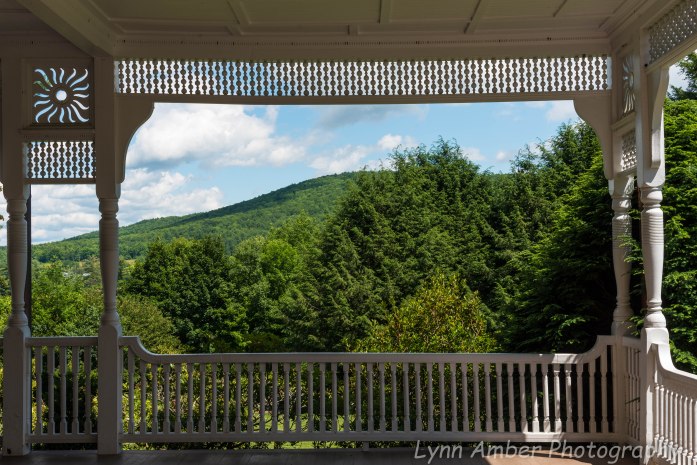
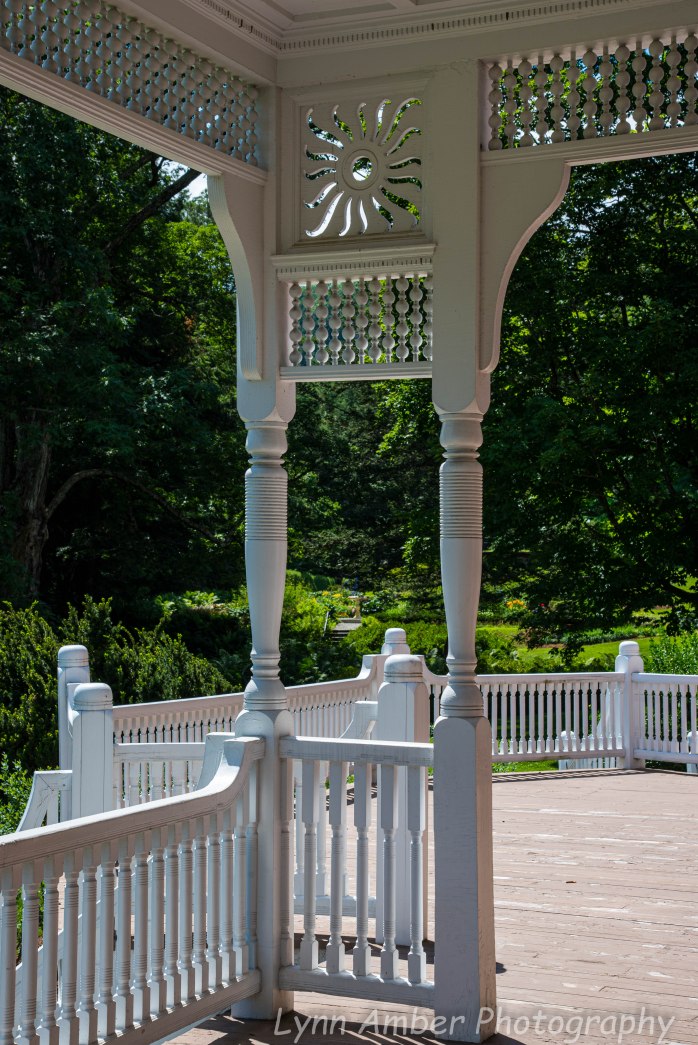
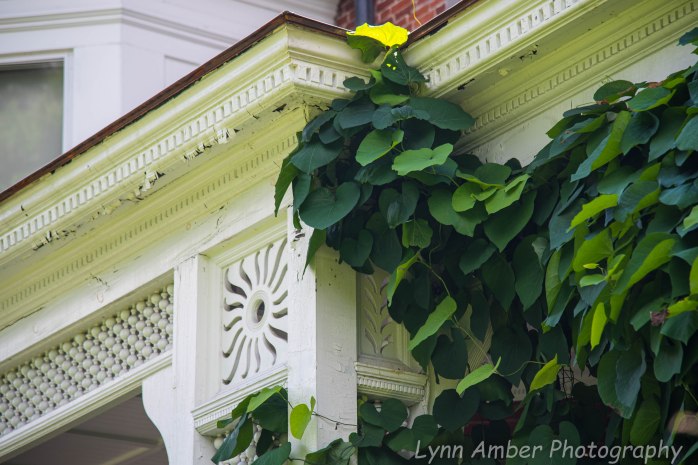
The most interesting building for me was The Belvedere Complex. It consists of a greenhouse and garden shed, a bowling alley and a outdoor swimming pool. The architecture reminds me of a Swiss chalet. I read that Rockefeller actually had a fall-out shelter built underneath the building during the cold war. When things open up again, I would love to go on a tour of this complex! 🙂
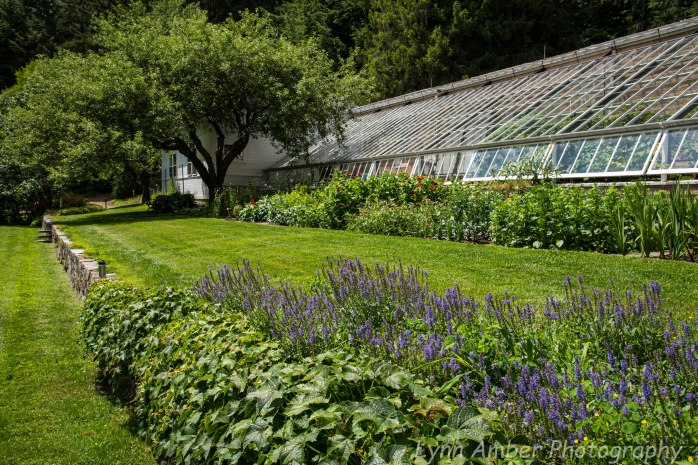
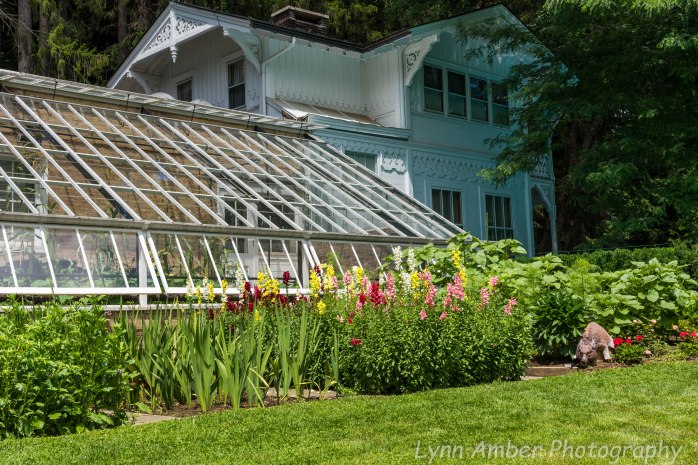
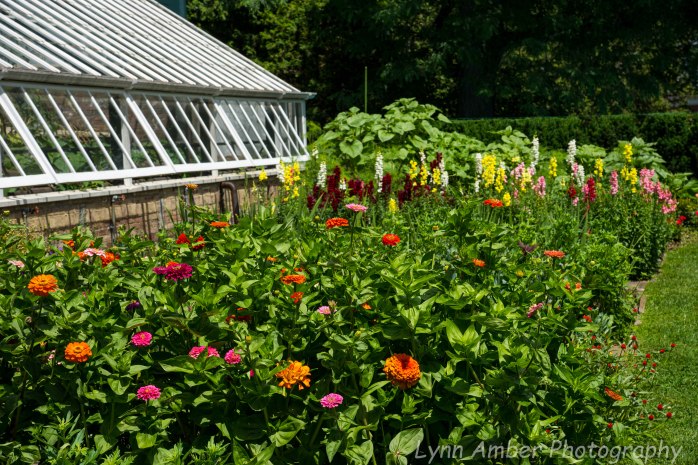
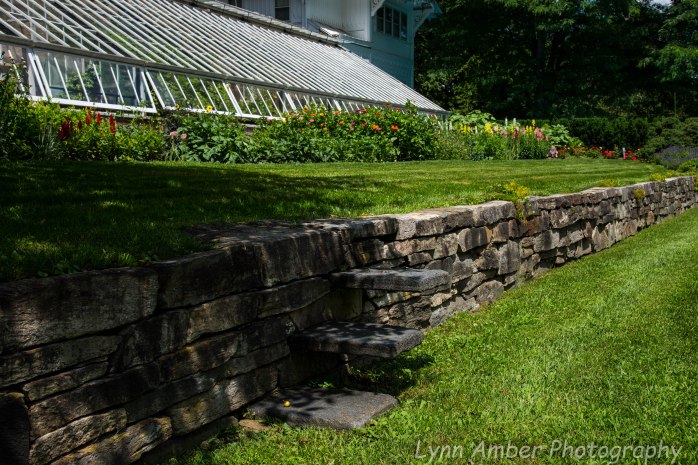
Great day exploring this national historic site and it only took me 20 years to get here! I will definitely return when the buildings open up so that I can go on a tour of the mansion and the Belvedere. The Billings Farm and Museum hosts an annual quilt exhibition which I have also always been meaning to attend! It looks like it is scheduled to start on July 18th and run through the 31st. Guess I’ll be making another trip to the park!!
Photo of the Day 7.15.20 Fountain Magic
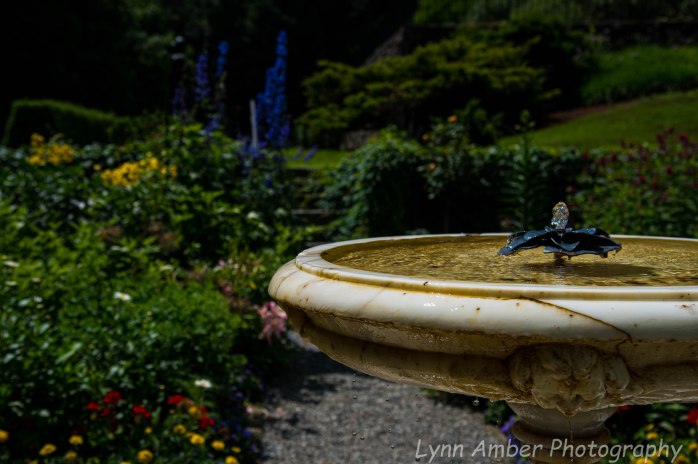
Took a road trip today. I have been practicing the “safer at home” mandate since arriving back in Vermont. But, I really needed a change of scenery and decided to visit Vermont’s only national park. More to come on my visit in another post! Today – it’s just the photo of the day! The fountain above occupies space in the perennial garden in close proximity to the historic mansion that is the centerpiece of this national historic park.
Photo of the Day 7.13.20 Black-eyed Susan

Black-eyed Susan wildflowers are starting to pop up in the abandoned field’s around my neighborhood. On my walk this morning, I noticed this grouping of Rudbeckia hirta catching the sun’s rays while the background remained in shadow. I liked the effect.
It is said Black-eyed Susan’s are a symbol of encouragement and motivation. Funny that I noticed them on a day when I was feeling little of either of those sentiments!
Photo of the Day 7.12.20 Stella d’Oro

I’ve been a fan of Stella d’Oro day lilies since operating my landscape design business in Chester County, Pennsylvania some 20-30 years ago. I tended to shy away from the overused plant material commonly chosen by commercial landscape architects – considering myself a more “discriminating” garden designer. Stella d’Oro’s were (and probably still are) definitely on the most wanted list for landscape architects and for good reason. However, even though it’s overused, I make an exception with this day lily. Mass plantings of these little gems create a beautiful mid-summer display. They grow so densely that, after an early summer weeding, the foliage discourages adventurous weeds from taking root and pushing up through the leaves. The plants are virtually maintenance and pest free. Who doesn’t like those desirable traits?!
Stella d’Oro’s are easily divided after several years and can be used to extend the existing planting area or to utilize in another spot altogether. I have a trouble spot in front of my porch where water dumps off the standing seam roof during a hard rain. After experimenting unsuccessfully with many different perennials, I transplanted a few of my day lily clumps in that bed a couple of years ago. The divisions have completely covered the ground and hold up to the occasional inundation of rain water very nicely! 🙂 Our resident garter snake enjoys the cover of the foliage too!
Below, the day lilies are well-established now and surviving the water run-off. This year I added some annual Salvia farinacea plants in front of the lilies just past the drip line of the roof. They are now starting to expand and bloom providing a nice contrast in the front of the bed. 🙂
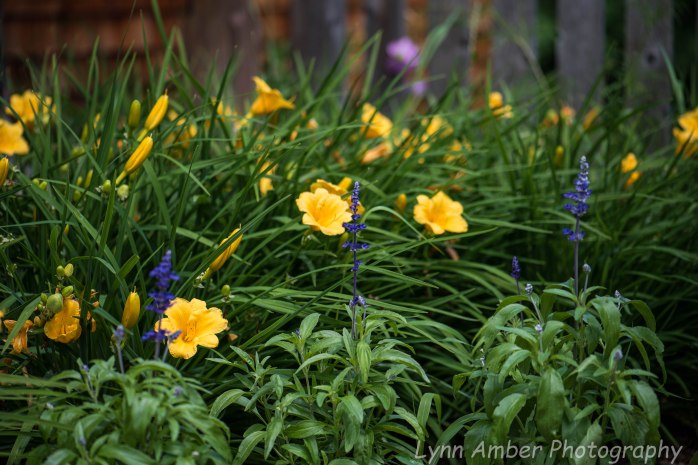
Photo of the Day 7.11.20 Containers and Color

The nasturtium I planted in this clay pot earlier in the summer is growing wild! It’s starting to cascade over the edge of the pot and has definitely overpowered the alyssum I had included in this arrangement. Note to myself for another year – forget the alyssum!
Container gardening has its advantages. Container plants add a new dimension to your garden and provide a great way to accent specific areas with color and art. It’s a design element that should be incorporated in every garden. Experiment with flower and leaf color variations, texture and size until you develop the look and combination you like. I consider pottery to be an art form and there’s an infinite variety of containers to satisfy everyone’s taste and compliment the planting. Shopping for pottery is so much fun! Rustic clay pots tend to attract my attention because I know they will develop an interesting patina over the years. But, I can certainly be persuaded to purchase colorfully glazed, artsy pottery as well! An added bonus, there are pottery choices to fit every budget!
If you have a small, urban lawn or balcony patio, containers give you the option to add color to your outdoor area and satisfy that urge to garden where space is limited. In addition, container gardening gives you more control over the planting environment. Water, exposure to sun or shade and temperature can all be monitored and adjusted as needed. Most potting mediums supply just the right mix of soil (types of mineral aggregates and peat moss) to allow for moisture retention while providing adequate drainage and nutrients for growing. Utilize pots of varying size for interest and a layered effect.
Containers are portable. If you don’t like where it is, you can move it to a new location! For example, that nasturtium in the above photo is probably going to lose its place on my front porch soon. My porch is narrow and the plant is expanding to the point it’s hard to walk around it! Portability is also nice if you lease. Renters can enjoy the fact that if they need to relocate, their garden can go with them. My son and his girlfriend have a “container” orchard growing in the side yard where they rent a house in suburban California. They are cultivating fruit trees, blueberry bushes and maintaining a hydroponic strawberry tower in a postage-stamp sized backyard!
I also like to use containers to experiment with new plants. It’s an easy way to test out different plant combinations and if something does not work, you can easily change it up! Want to grow mint but are worried about it spreading throughout your garden? Put it in a container!
There are endless resources online that provide design ideas and practical advice on container gardening. Keep it simple and start experimenting! The rewards are many with minimal effort 🙂


Photo of the Day 7.9.20 Peonies and Possibilities

My peonies have long since ended their bloom cycle but I loved how this photograph turned out in black and white and had to share. I also used this photo as the feature photograph on my new blog page entitled “Store” that I just published today. I hope you saw it! 🙂 There’s a link to the Store page on my homepage navigation bar for information on my marketplace website.
That’s the “Possibilities” piece of today’s blog title. I launched my new project after months of work editing photographs and organizing those I deemed marketable into digital folders earmarked for the online marketplace website I created. I’ve been dreaming of creating a way to share my photographs and generate an additional income stream for several years. It’s been a journey and a challenge but I’m happy with the results.
I’ve never been particularly good at marketing my talents and remain very humble when it comes to my photographic efforts. I’m encouraged however by all the positive comments people have made to me over the years regarding my photography. It has given me the courage to move forward and take this to a new level. One of my favorite quotes sums it up:
“Hold fast to dreams, for if dreams die, life is a broken-winged bird that cannot fly.” – Langston Hughes
And now for some photos I actually took today!
Photo of the Day 7.8.20 Chicory and Choices

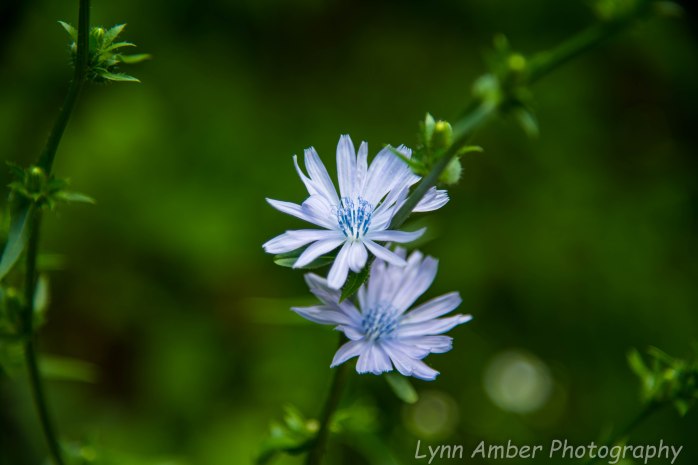
With thunderstorms on the horizon for later in the day, I headed off for a much needed aerobic workout early this morning. Half-way though my route, I spotted a large clump of chicory growing along the roadside. Such pretty blue flowers!

My mind is always wandering as I walk. I just let it grab hold of whatever thought comes to mind and go with it! This morning, while I was thrilled to discover these fairly common chicory plants growing wild, I started lamenting the fact that I am not within close proximity to any public gardens this summer. I had some really nice choices on Mount Desert Island – Thuya Garden, Abby Aldrich Rockefeller Garden, Asticou Gardens – and visited them as often as I could. I decided I needed to do some research and find some public gardens here in Vermont that would satisfy my desire to see a variety of flowers and plants in one place.
Growing up on the grounds of Longwood Gardens in southeastern Pennsylvania gave me an appreciation for public gardens and I am drawn to them where ever I travel. The pull is magnetic! I especially love those that include native plant displays. Oddly, I’ve never really sought out public gardens in Vermont.
My quick internet research this morning produced more public garden choices here in Vermont than I anticipated. I’m going to make it a priority to start taking at least one day a week to travel to some of these locations. And gardens are outdoors! A perfect environment for our Covid-19 situation. Marsh-Billings-Rockefeller National Historic Park will be first on my list. 🙂


 Lynn Amber - Travel & Photography