Lynn Amber - Travel & Photography
sharing my thoughts through words and images
Ghost Crabs

During my week in Stone Harbor this past September, I was thoroughly entertained by these shy creatures as I walked the Stone Harbor Point beach. At low tide, the beach is wide and long and towards the southern most tip of the island the ghost crabs are abundant.
I kept my distance as they are very timid. Eventually patience paid off and I was able to capture some good photos. This guy above hovered near the opening to his burrow as I was snapping off shots as if saying “come on – go ahead and take my picture!” Even with my zoom lens, I still needed to crop the photo above significantly! I love the way they skitter across the sand sideways and disappear into their burrows! It’s so comical.
The Latin name for this crab is Ocypode quadrata – and I learned that ocypode means “swift-footed” in Latin. They also hibernate in their burrows during the winter months. Cool!
Winter Seed Pods

A warm front moved into the area overnight and we are enjoying some nice mild temperatures over the next few days. During my lunch break, I wandered back to the pond to get some fresh air and enjoy the glorious sunshine!
As I was walking around the edge of the pond, I caught a glimpse of a large bird along the far bank. The red crest and familiar cuk-cuk-cuk call of the Pileated Woodpecker greeted me. He was shy and flew further away into the pine trees. I followed his flight path but each time I got close, he kept his distance. I’ll make a note to go back and sit quietly for a spell. Maybe, I’ll get a closer look!
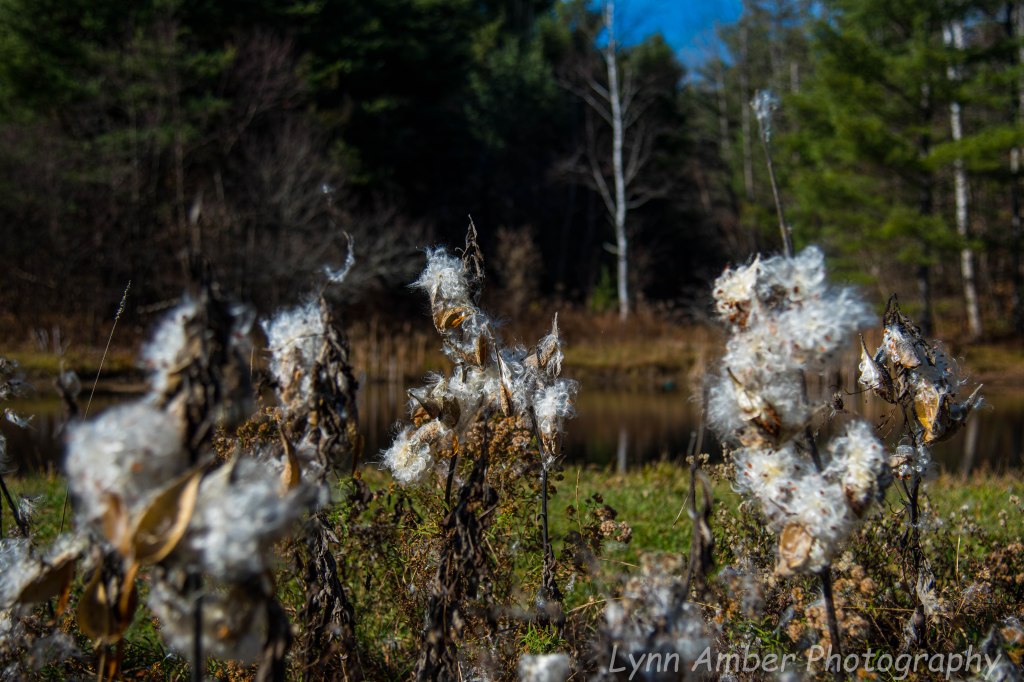
As winter sets in, I notice seed pods. They are so fascinating. The milkweed pods near our pond have exploded over the past few weeks! The white, hair-like floss is designed as a tool to carry the wind-born seed for dispersal. Isn’t nature amazing!? 🙂
Stone Harbor Point Marshlands

The house we rented in Stone Harbor is just a block from the dunes, beach and marshlands of Stone Harbor Point. My daily walk included the nearly two-mile one-way hike (at low-tide) to the point – the southern most tip of the Seven Mile Island. Part of the trail skirts this marshland that separates the bay from the ocean. I love this habitat. It is teeming with waterfowl – egrets, great blue herons – and is an important bird sanctuary.
Longing for the shore
Yesterday we had a dusting of snow, this morning a few inches. It is cold and windy and gray. Is it any wonder I was dreaming of warmer times – in particular my September visit to Stone Harbor, New Jersey! I’ve been slowly processing the photographs from my trip two months ago and will be sharing them here along with more current, seasonable scenes from Vermont.
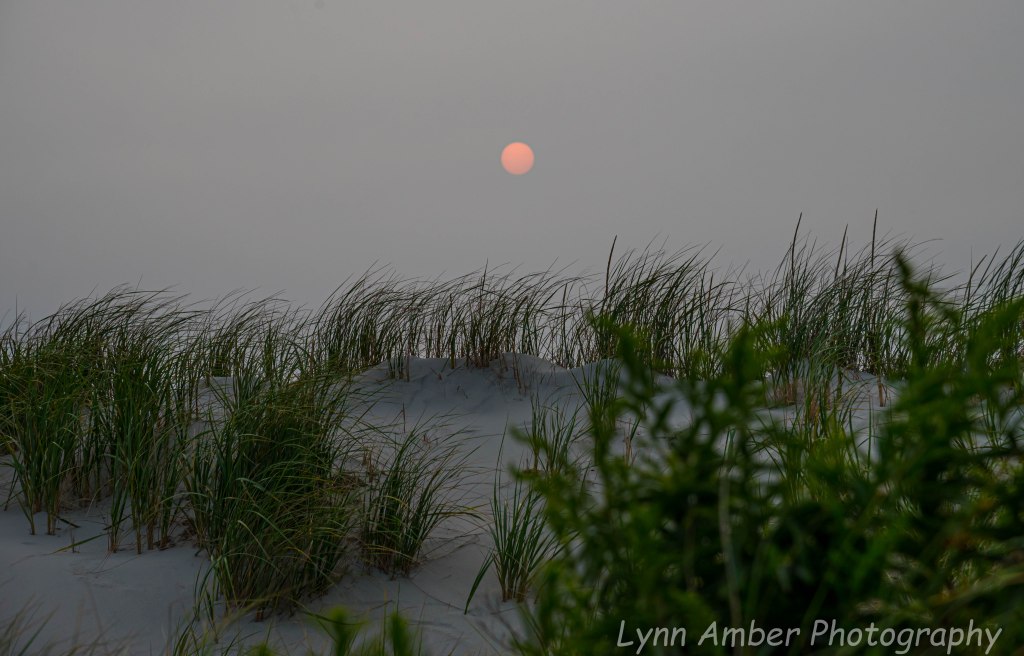
The week I visited Stone Harbor coincided with the wild fires that were ravaging the west. Some very high level smoky haze from those fires made it’s way to the Jersey coast and it affected my photography. The eerie sunrise above is a result of that haze.
Snowy Morning
I woke up early this morning to a dusting of snow. It came down pretty hard for a spell but did not end up sticking to the ground – except in the woods. Since picking up a temporary job for the State of Vermont a couple of weeks ago, my routine has changed Monday through Friday. I’m up before sunrise so I can partake of my morning coffee regimen and generally start work around 7:30 am. Vermont state workers are still working from home, so I have my workspace set up on the dining room table. I’m trying to figure out how I’m going to organize my photography time around my work obligation and get my daily walk in! 🙂
With the shorter days, it’s going to be a challenge to get outdoors, take part in my daily exercise and take pictures! Today, I decided to sneak outside during my mid-morning break. The temperatures were hovering in the low 20’s and the wind was howling – but I was too lazy to bundle up since I did not plan on lingering long in the great outdoors. So, I wondered around the front garden in my slippers without a coat. Brrr…..if nothing else, it woke me up!
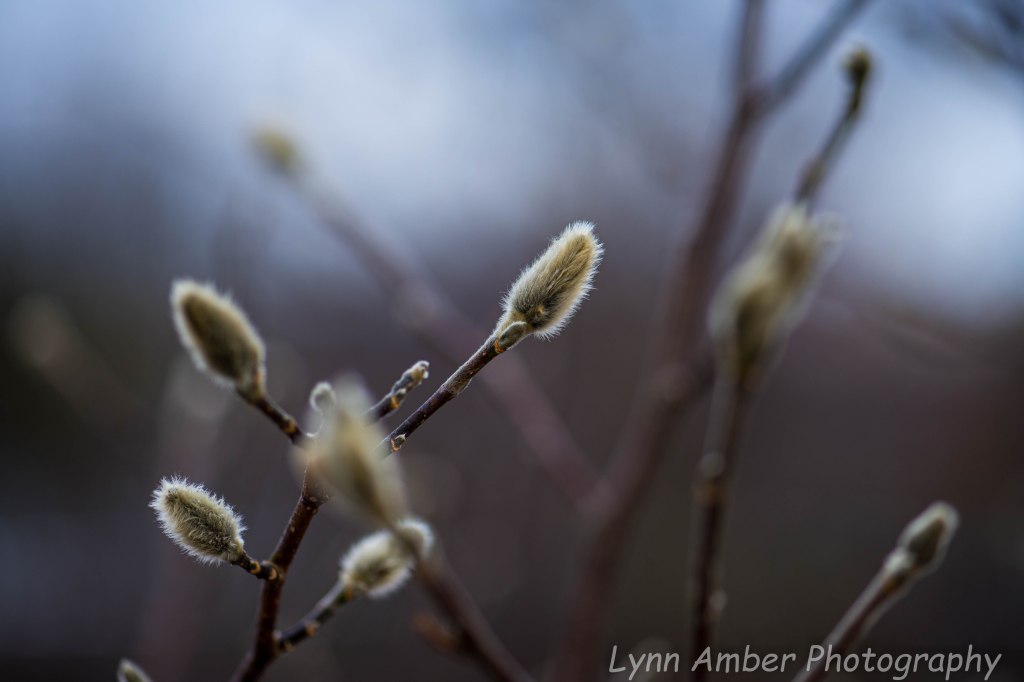
It’s amazing how the garden transforms itself in the winter and the focus shifts from blossoms to other interesting plant parts. There is beauty beyond flowers! You just have to look closely!
cemetery Symbology
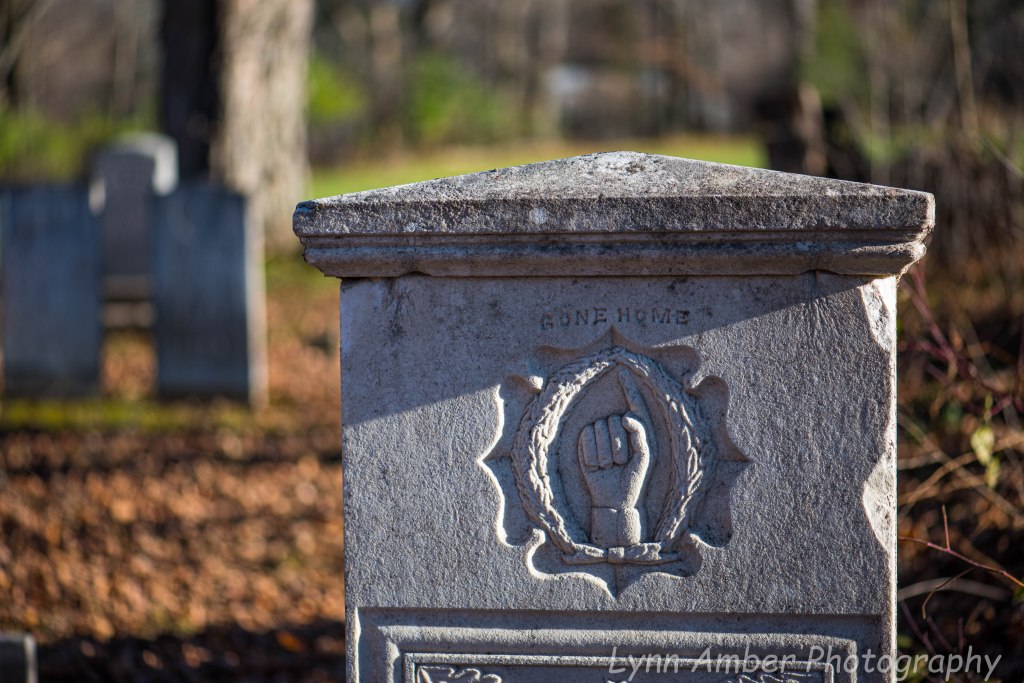
Once every few years I venture into the old cemetery up the dirt road. As I was walking past the cemetery today, the gate was open. I noticed this little detail right away and found that odd as it is always latched shut. I took it as an invitation for a totally spontaneous visit! Usually when I visit a cemetery, I focus on the names and the dates of the stones. Today was no exception. On my initial pass through this small cemetery, I reminded myself of the several family names that were represented here. The stones all date to the 1700’s and 1800’s with several graves indicating military service in the civil war. As I came to the last row of stones, my focus shifted and my gaze settled on the unique “artwork” on each stone.
I became curious about the different symbols that were chosen by the surviving family members who were responsible for arranging the completion of the gravestones. After I arrived home and processed the photos, I did some research into the meaning of some of the symbols. Fascinating reading! There are a number of websites out there devoted to gravestone studies.
I found out that the symbol on the above photograph – a hand pointing up – “signifies the reward of the righteous, confirmation of life after death” or “Heavenly reward, ascension to Heaven.” This interpretation seems consistent across multiple websites including the Association for Gravestone Studies.
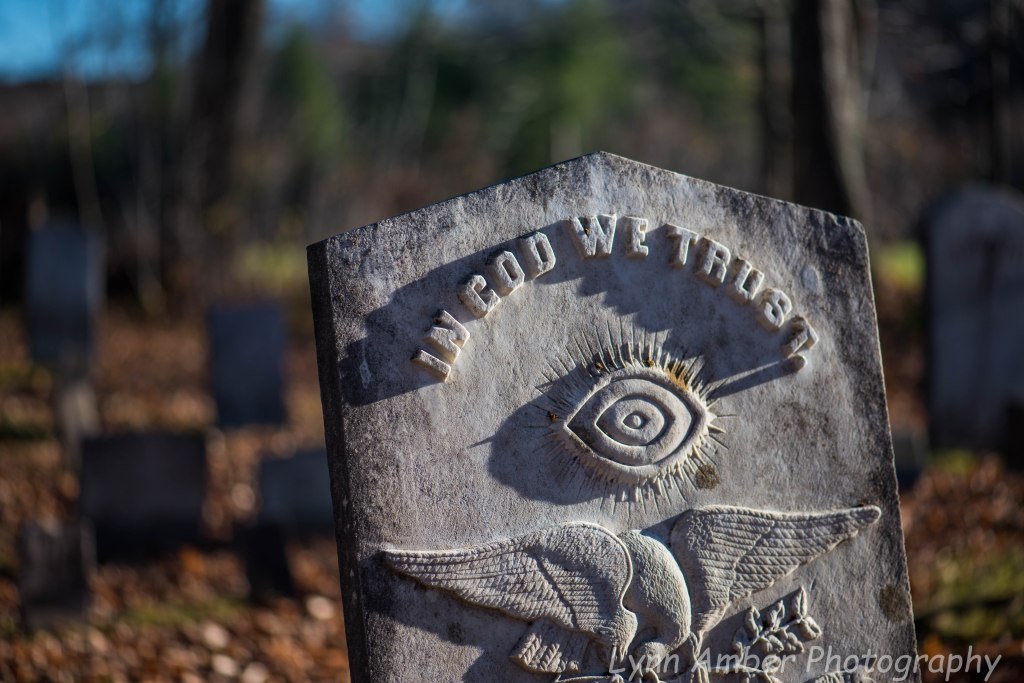
My second photograph depicted what appeared to be an “eye” under the words In God We Trust. I found that there are many variations of “eye” symbols used on gravestones. One of the most common interpretations considers the symbol to be the “Eye of God” watching over humankind and often means the deceased was a member of the fraternal order of Freemasons.
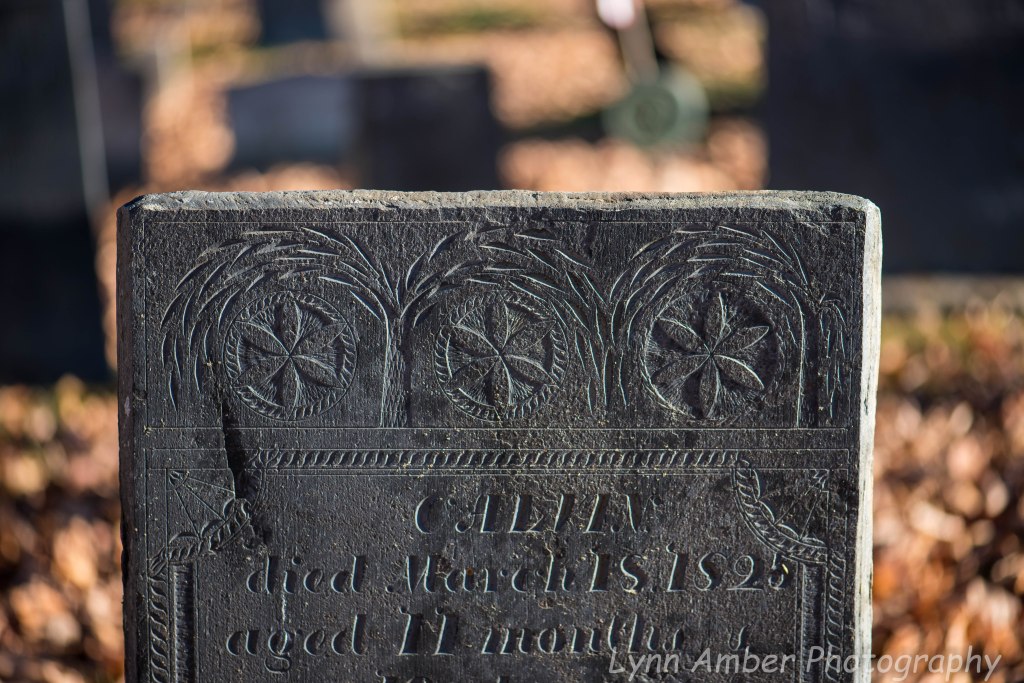
The final photograph has a couple of symbols – one fairly obviously represents the Tree of Life. The other “flower-like” symbol was intriguing and a mystery. After some searching, I discovered that the six-pointed star-like shape is called a hexfoil. Other common names for this symbol include daisy wheel and witch mark. Now, this was really interesting! Apparently, the use of hexfoils on gravestones goes back to the Roman Empire and may have existed before Christianity. According to a PhD student, whose website can be found here, “the use of a hexfoil could be viewed as intending protection for the soul of the deceased, protection for their earthly remains, or a bit of both. This use of magic made its way to the British Isles and throughout Europe, and eventually to the colonial settlements in North America.”
After browsing through several of these gravestone symbology websites, I am suitably hooked on learning more!
All Hallow’s Eve Walkabout
On All Hallow’s Eve
Ushering in Winter’s dark
We toast Fall’s bounty ~ Lynn Thomas Amber
My engagement with the celebration of Halloween has changed over the years. I remember, as a kid, always feeling somewhat shy about knocking on someone’s door and asking for treats. It just did not feel right to me. Growing up in the very controlled environment of Red Lion Row in Longwood Gardens where there were less than 20 houses, everyone knew each other. So, curious that I was still intimidated by the trick-or-treating process. It was common for the occupants of the house to try and guess who you were before dispensing the “treat.” And, they almost always got it right! As an introvert, I can safely say that if not for those protected surroundings I probably would not have participated in Halloween! Today, I doubt most neighborhoods have that degree of familiarity with their Halloween visitors. I would never have approached a strangers house and begged for candy!
After childhood, I did not routinely partake in Halloween (with the exception of one memorable Halloween party in college, but we won’t go there!) until I had my own children. I felt a certain obligation to introduce them to the popular Fall celebration even though I was not a fan. Since we lived in a very rural area, door-to-door trick-or-treating was non-existent – which was just fine with me! Instead, we had fun carving pumpkins and decorating for Halloween. We often helped my grandmother distribute candy to hoards of trick-or-treaters in her neighborhood in Kennett Square, PA. Being elderly, she was a tad afraid to be on her own with strangers coming to her house but she still insisted on taking part in the annual ritual. She really did enjoy seeing the younger children all dressed up. The amount of candy she would give away was almost obscene. We would routinely count well over 100 visitors on a typical Halloween night.
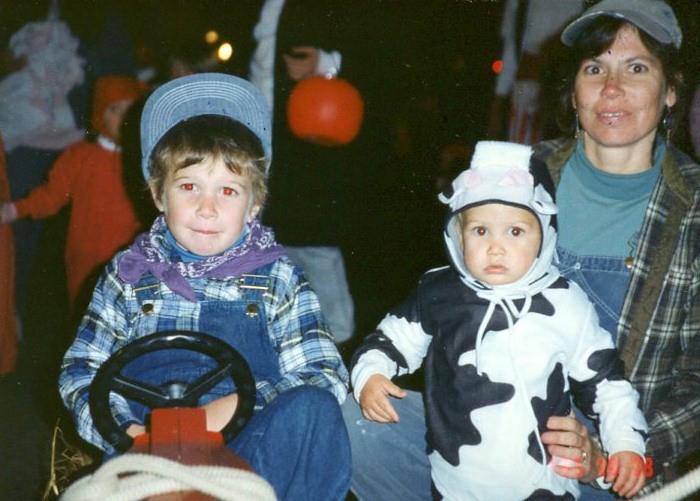
I sewed many of our costumes through my sons childhood years and we took advantage of other ways to participate in the festivities. The public school had annual Halloween parades and the town of West Chester, PA hosted a community parade every year. My favorite Halloween memory is the year we entered the West Chester Halloween Parade as a “farm family” with hubby Jim helping to “power” the tractor! Ya gotta love the old funky flash photography and red-eye imagery!


Halloween signifies something much different at this point in my life. It ushers in November – for me one of the bleakest months of the year – and signifies the beginning of the downslide towards the shortest day of the year. That said I’m once again going to try and capture a photo-a-day for each day in November. I just know there’s magic out there in November – and I’m going to attempt to find it and alter my pessimistic view of the 11th month! ONWARD TO NOVEMBER IN VERMONT! 🙂


FRosty Fothergilla
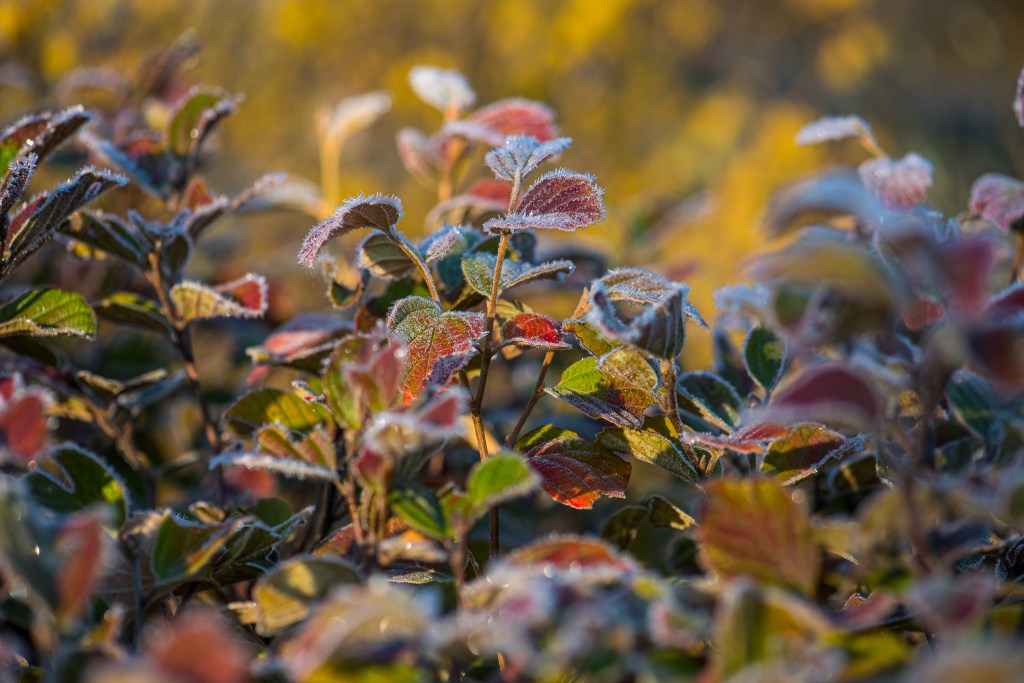
This week has seen some huge fluctuations in temperature as Vermont transitions from one season to the next. We had some extremely clear, crisp frosty mornings followed by days that commenced downright balmy and misty. At first light the other day, I slipped on my Birkenstocks and headed out to capture the amazing icicles that coated my colorful Fothergilla leaves. It was magical! 🙂


Spotlight on Witchhazel

October morning
Witchhazel blossoms shine bright
With the rising sun ~ Lynn Amber
My witchhazel tree has taken center stage in my garden this week. Blooming in late October and November, this plant is found all over the eastern part of the United States – east of the Mississippi, west to Texas, north to Nova Scotia and south to Florida. It is hardy to zone 3 and virtually disease and insect free. While there are many Asian hybrids of witchhazel on the market today, the native plant – Hamamelis viginiana – is my favorite.
The name witch hazel is thought to be derived from an old English word, wyche. Wyche has its word origins in Germany and translates as “to bend.” The branches of the witchhazel are extremely flexible giving rise to the descriptive word wyche being used in its name. Over time, the spelling seems to have changed to a more modern “witch.” The tree is associated with hazelnuts due to its similar leaf and fruit. So, quite possibly, the original common name was wyche hazel!! 🙂
European settlers to America observed the Native Americans using the branches of witch hazel as a divining rod for finding water – what we term dowsing. Today, many landowners in Vermont still use dowsers when trying to find a new source of water. Although I suspect it is becoming a lost art.
Witchhazel was also used medicinally by Native Americans for the treatment of many conditions and is found in many skin care products today. The leaves, bark and branches are used as an astringent for topical applications on skin to reduce inflammation, bleeding, common skin irritations and is reported to have anti-bacterial properties. All in all, a very useful and aesthetic plant!!
Although the witch hazel is drawing all the attention right now in my front garden, other plants are also shining.
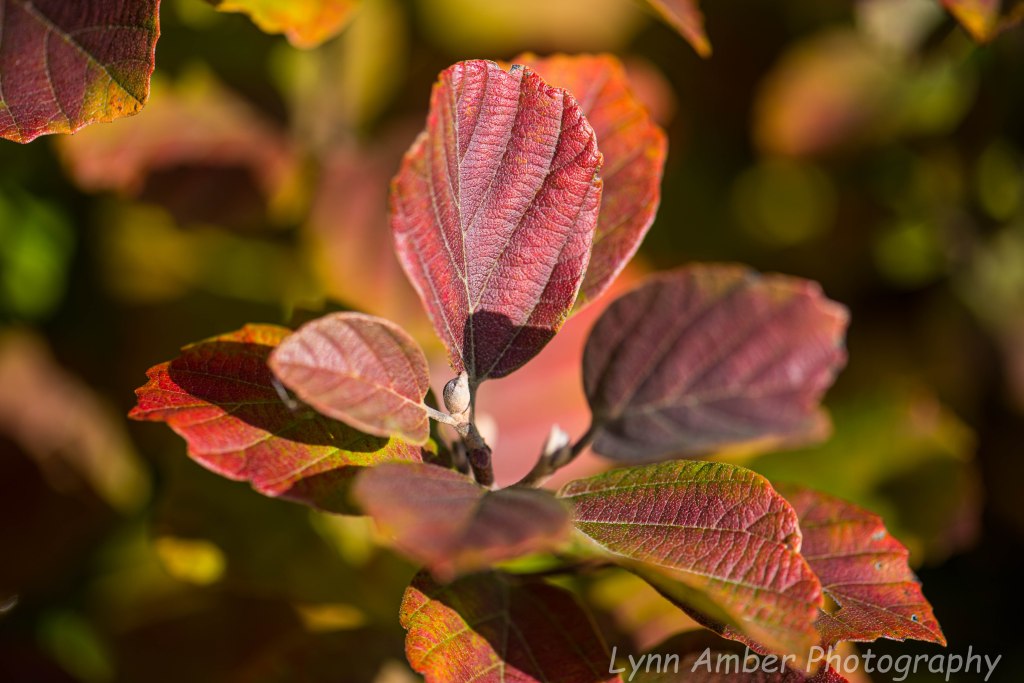
My Fothergilla gardenii is finally starting to turn color. This is an extraordinary plant with brilliant red and orange fall color. Another favorite native plant that I adore!
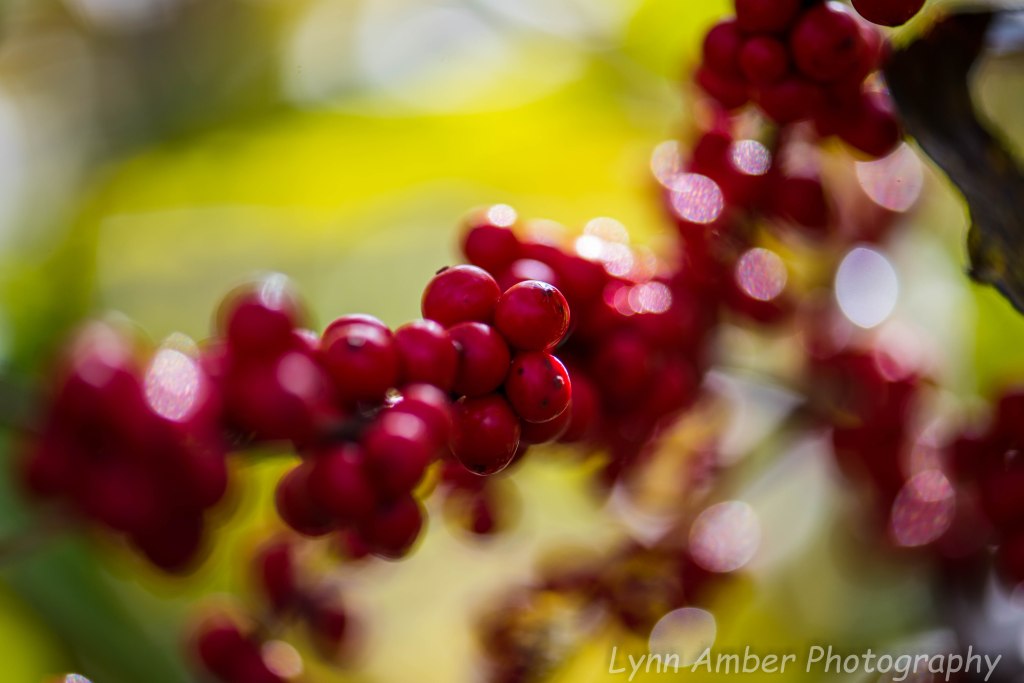
Before the robins devour all my winterberry holly berries, I thought I’d capture another photograph of a large clump of berries hidden in the middle of the shrub. I watched the robins en masse this morning raiding the bushes and gorging on berries!
Finally, our blueberry bushes are putting on their fall display and are at peak color right now.

Falling Leaves and Lingering Color
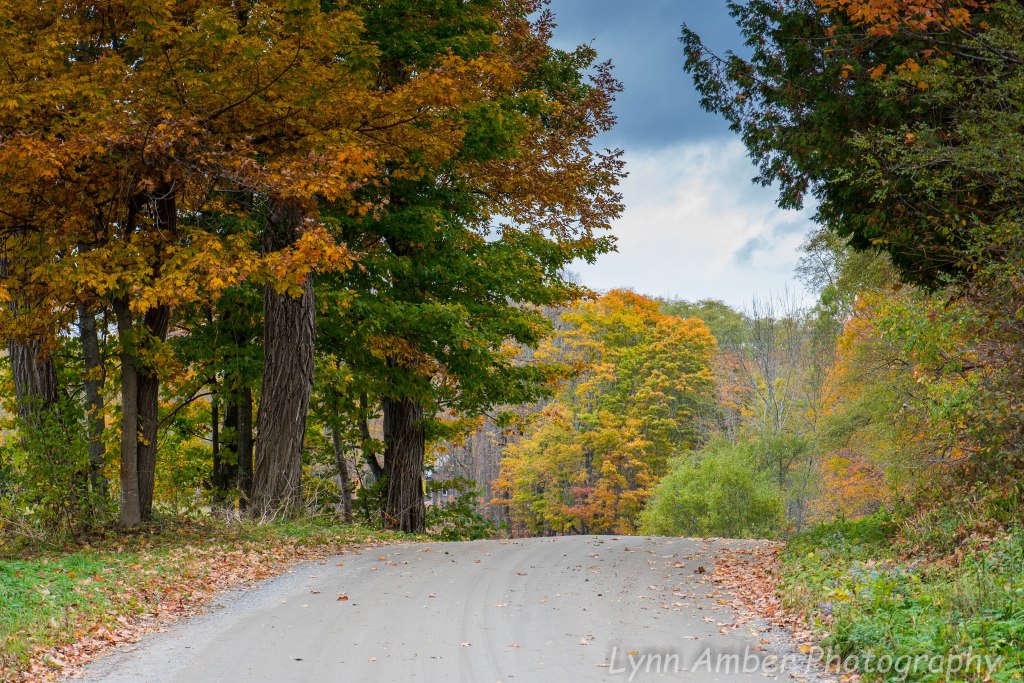
“Every leaf speaks bliss to me – fluttering from the autumn tree.” – Emily Bronte
Walking along my Vermont gravel road the other day, I was focused on the leaves that had fallen to the ground lining the shoulder of the road and carpeting the forest. As we reached peak season this year and began the slide towards that awkward in-between space between fall and winter, rain and steady winds knocked the leaves off the trees prematurely. At first I was disappointed that I had missed “peak” here in central Vermont. We were on Lake Champlain enjoying autumn there and arrived back home to bare ash trees and diminished color in other tree species.

As a child growing up on the grounds of Longwood Gardens in Pennsylvania, I remember the fun we had each autumn when the leaves started falling. We lived in an area of employee housing called Red Lion Row. It consisted of about 15 houses occupying land just north of the gardens. A large field and wooded area separated us from the public areas of Longwood. Many of the employees planted vegetable gardens in the field and as kids we roamed the woods and, often the gardens, unattended and free to explore. We used to ride our bikes to the edge of the woods near the gardens and hide them in the towering rhododendrons near what is now the Terrace Restaurant. From there, we rambled around the grounds and enjoyed a playground of formal gardens and fountains – oblivious to the tourists. On hot summer days, we would bravely sneak into the fountains to cool off!

I loved growing up in Longwood and on “the row.” It was a small, tight-knit, multi-generational community. In the fall, as the leaves began to drop, we would rake them up into huge piles – diving into them and throwing them up in the air – letting them shower down upon us. One of my favorite pastimes involved using the leaves to design floor plans for houses. I was in elementary school when we lived there but my creative design inclinations were already forming. Using a rake, I would arrange the leaves into “walls” and create a plan view of a house complete with a kitchen, living room, bedrooms, bath, etc. The beauty of this was the ease with which I could change a “wall” or add a “room.” I have a vivid memory of standing back and critically admiring my design. So, I guess you could say my desire to design things began with leaves! Hence, my fascination with them today!
Enjoy the photos of my immediate Vermont surroundings this fall. Even though peak season has passed, there is still beauty in the leaves!

My daily walk takes me past some interesting landmarks. Vermont is dotted with small, family-centered and local cemeteries that are often on less-traveled back roads and overgrown logging trails. Up the road from my home is an example of one of those cemeteries. I love to wander around and read the grave markers imagining their lives on the hill way back then. While some of these cemeteries are no longer maintained, a local family keeps this one mowed and stones are repaired as needed.

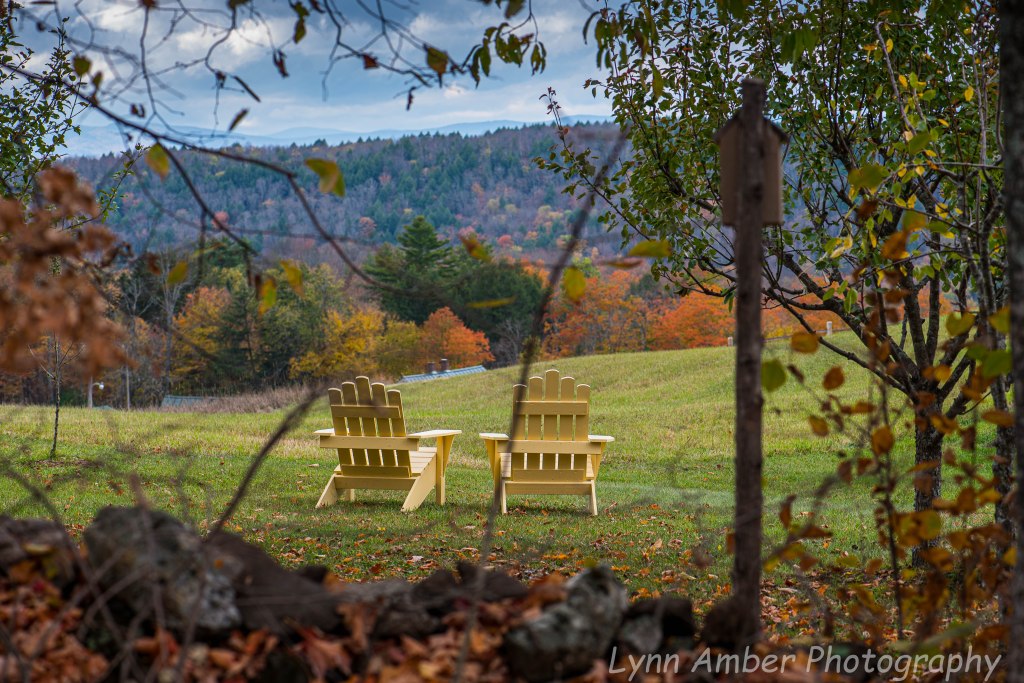

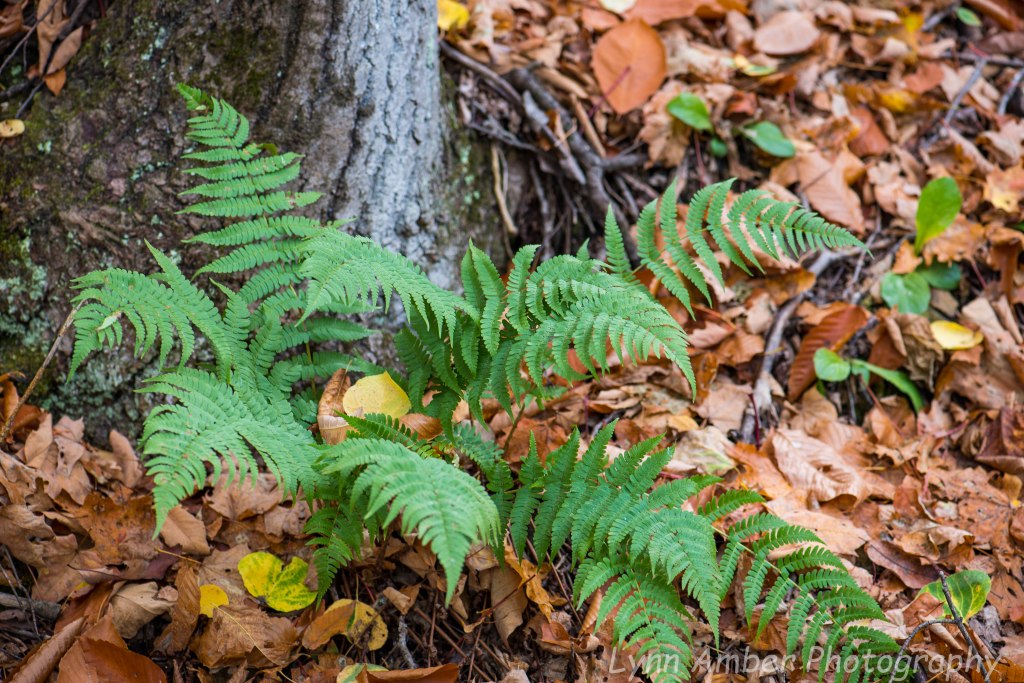

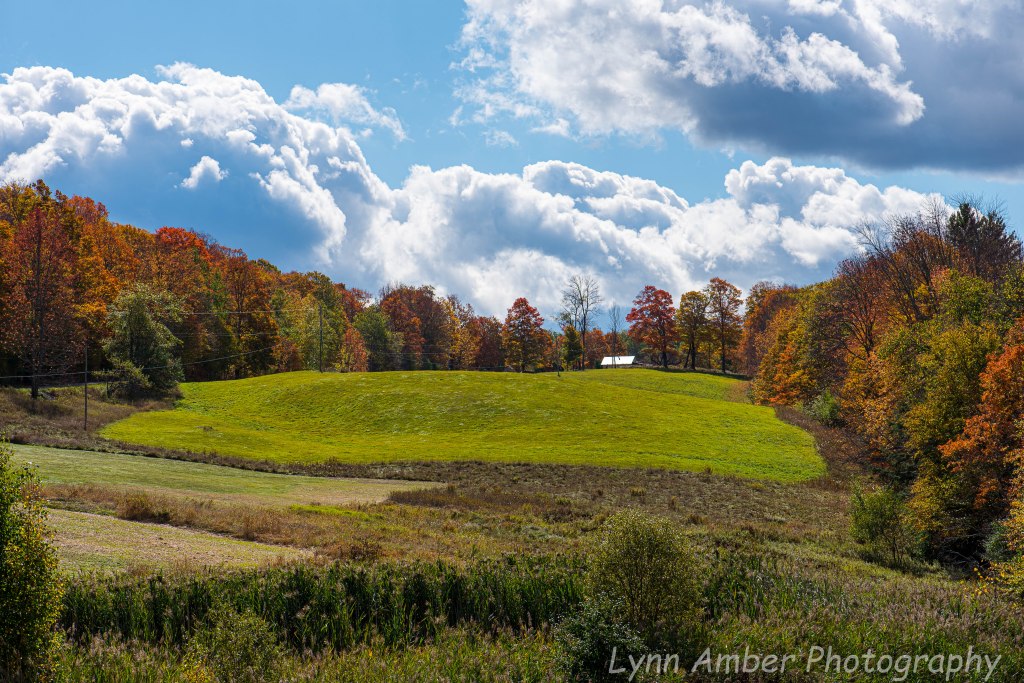
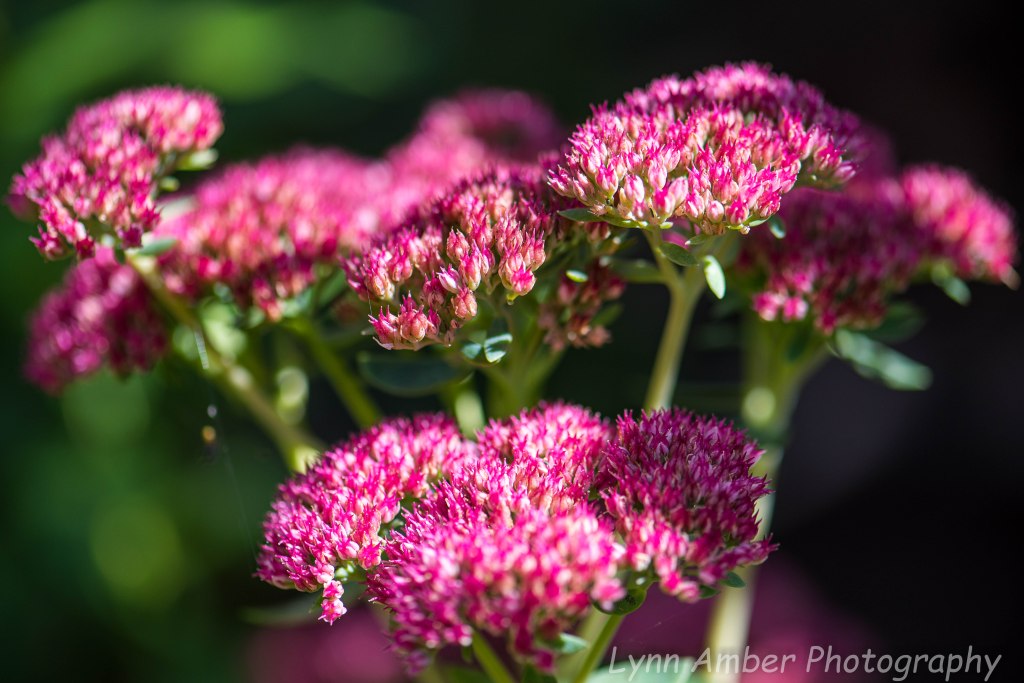
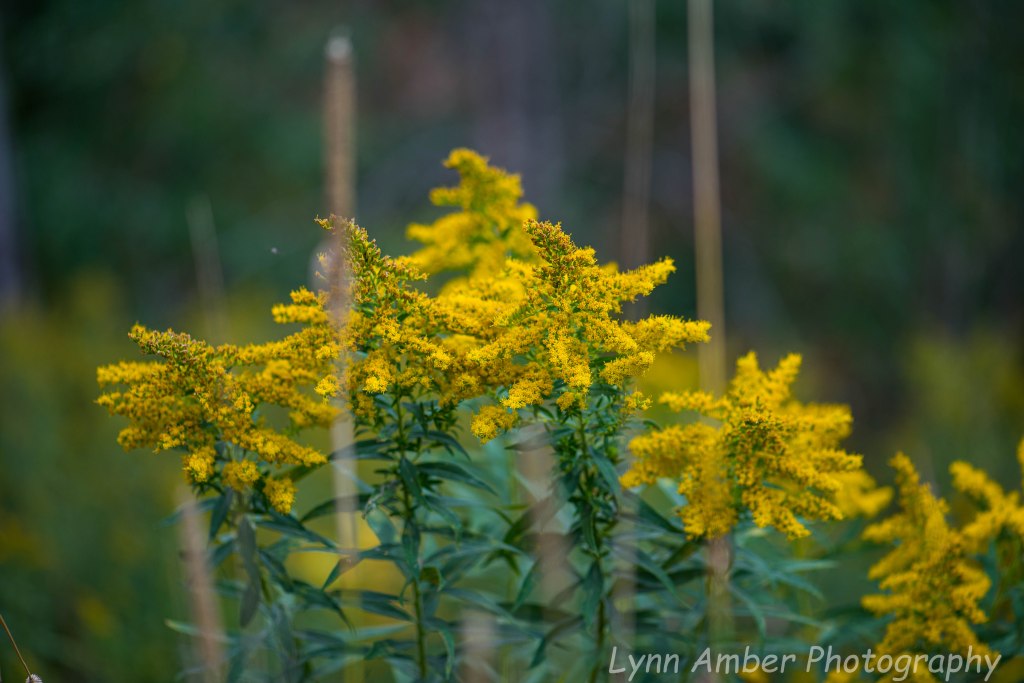
We typically think of autumn as the end of the flowering season but close observation reveals those late blooming flowers, grasses and fruits can be just as remarkable as mid-summer blossoms. In my garden, I’m enjoying late-season sedum, phlox, witchhazel, purple coneflower, switchgrass and red winterberry fruits. Nature is providing vivid color from asters and goldenrods growing in the fields and along the roadsides.





When I was homeschooling my younger son during his mid-elementary years, we had the freedom to embark on a Fall road trip to visit some relatives in Pennsylvania. On our way back home, we stopped at a rest area on Interstate 84 near Scranton. The rest area was shaded by massive oak trees and as we wandered around admiring these impressive giants, we noticed an enormous amount of acorns on the ground. An idea was quickly formulated to surprise my husband with these precious seeds. We grabbed a bag from the car and scooped up as many as we could. This exercise became a “impromptu” science lesson on the life cycle of an acorn!
Oak trees do not grow naturally in our microclimate in Vermont. They are more prevalent along the warmer bodies of water near Lake Champlain and the Connecticut River valley. They are hardy here, however, and our love of oak trees (derived from growing up in Pennsylvania) has not diminished since moving to Vermont. We planted the acorns back in Vermont and now have some oak trees on our property to enjoy! Several years ago, we transplanted two of the white oaks to our back yard. I call them the “twin oaks” and they are now in excess of 20 feet tall and rendering a beautiful burgundy Fall color.

I hope you were entertained by this recent photographic journey highlighting Fall in Vermont – and the inclusion of the memories it evokes of the past.

