Lynn Amber - Travel & Photography
sharing my thoughts through words and images
Kettle Pond Rhododendron
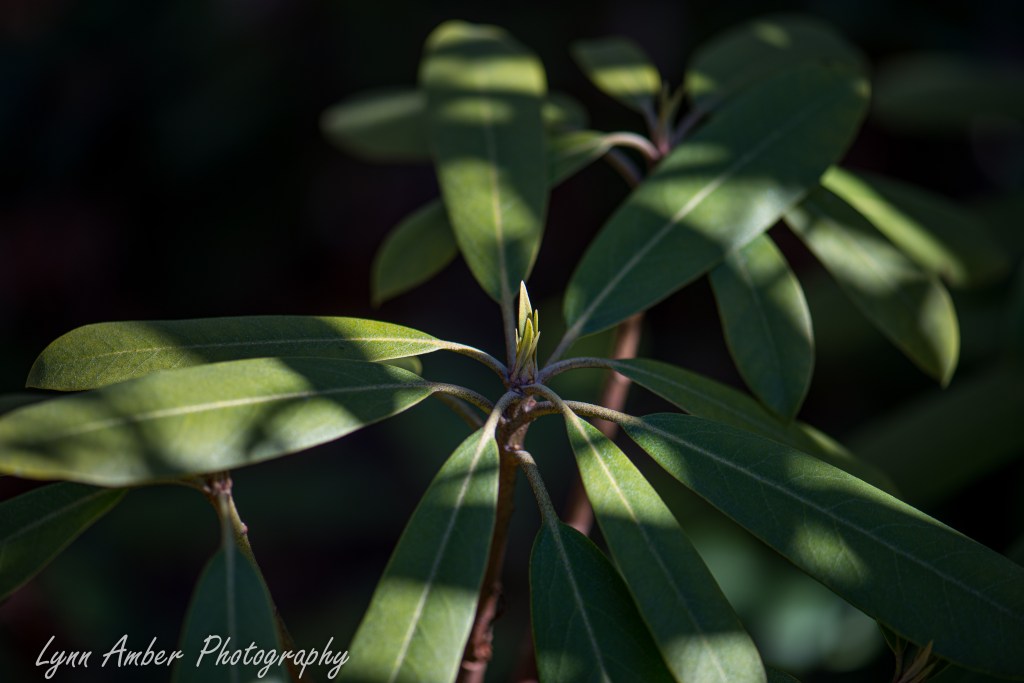
Kettle Pond Rhododendron – by Lynn Thomas Amber
A sprinkling of green
Nestled along the narrow trail
On the water’s edge.
Kettle Pond is situated in the Groton State Forest in north-central Vermont. Yesterday, my husband and I took a break from the relentless autumn chores that demand our attention before winter sets in. I chose our destination for a short hike based on length, difficulty and proximity to home. The Kettle Pond Trail skirts the perimeter of this small pond for a total distance of 3.2 miles. While designated as easy/moderate due to the level nature of the terrain, the trail does require good footing as it is laden with glacially-deposited moss-covered rocks and a multitude of tree roots!
Not long after we started the hike, I was so surprised to come across a small stand of Rhododendron maximum – native Rosebay Rhododendron. I was under the impression that southern Vermont was the northern limit of native stands of this species. I was curious and, upon further research, discovered the reason for this anamoly.
A “kettle pond” is by definition an acidic, freshwater body of water formed by retreating glaciers over 10,000 years ago. The conditions that are created by this glacially impacted forest are ideal for this Rhododendron species – a cool, acidic, shaded and moist environment. I learned that the nearby Levi Pond Wildlife Management Area has one of the state’s largest groves of Rhododendron maximum! I had no idea! The rhododendrons growing here are considered glacial disjunct populations – plants that are geographically isolated from their species normal range due to the retreat of glaciers years ago and the resulting shift in the microclimate of the specific location.
I feel very privileged to have experienced this rare grove of Rhododendron maximum and learn of its unusual reason for existing in this special place.

