Lynn Amber - Travel & Photography
sharing my thoughts through words and images
Le Puy Camino – via Podiensis: Saint Martin to Moissac
April 26, 2023
We had 16 kilometers of walking to look forward to on this rather cloudy, drippy day. In my journal notes for today, I wrote that it was a “nice walking day – not too wet.” My recollection is that it did not really rain during our trek but everything was coated in raindrops.

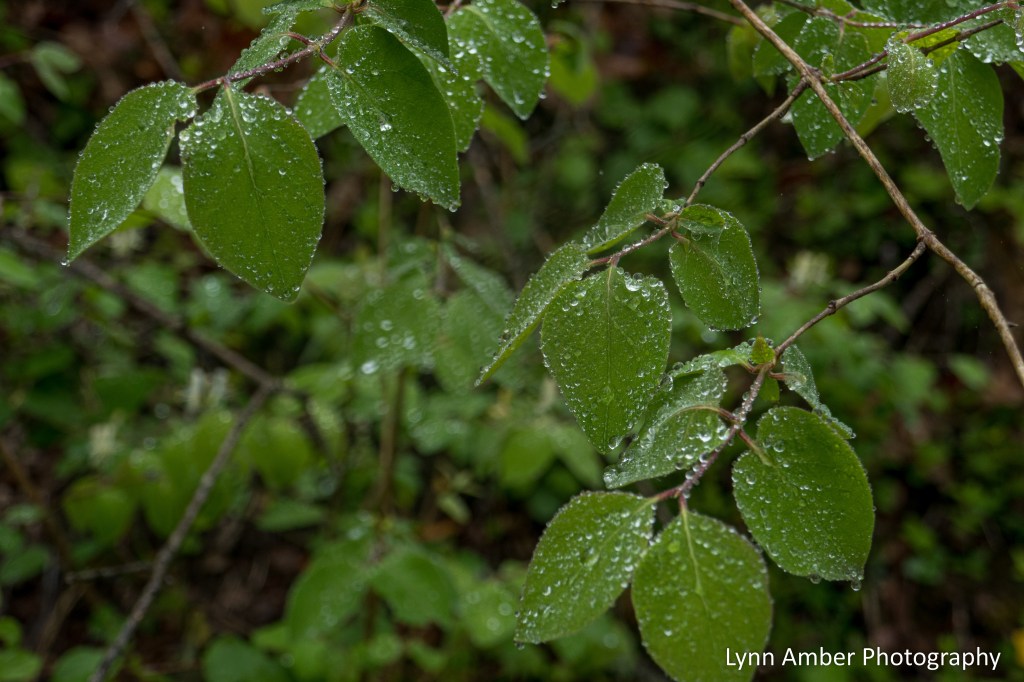
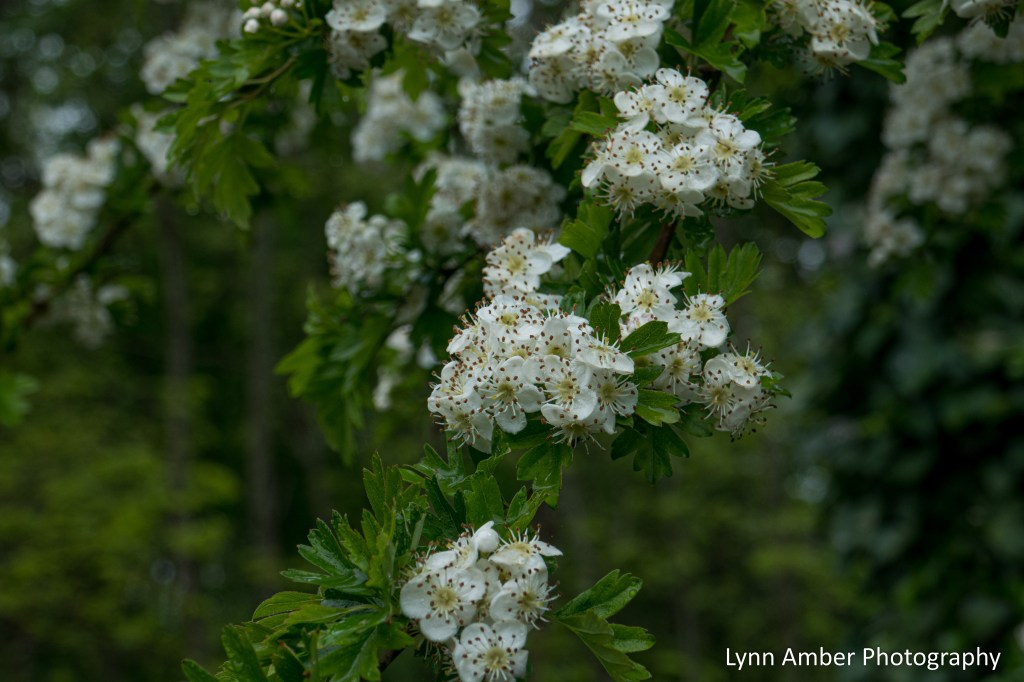
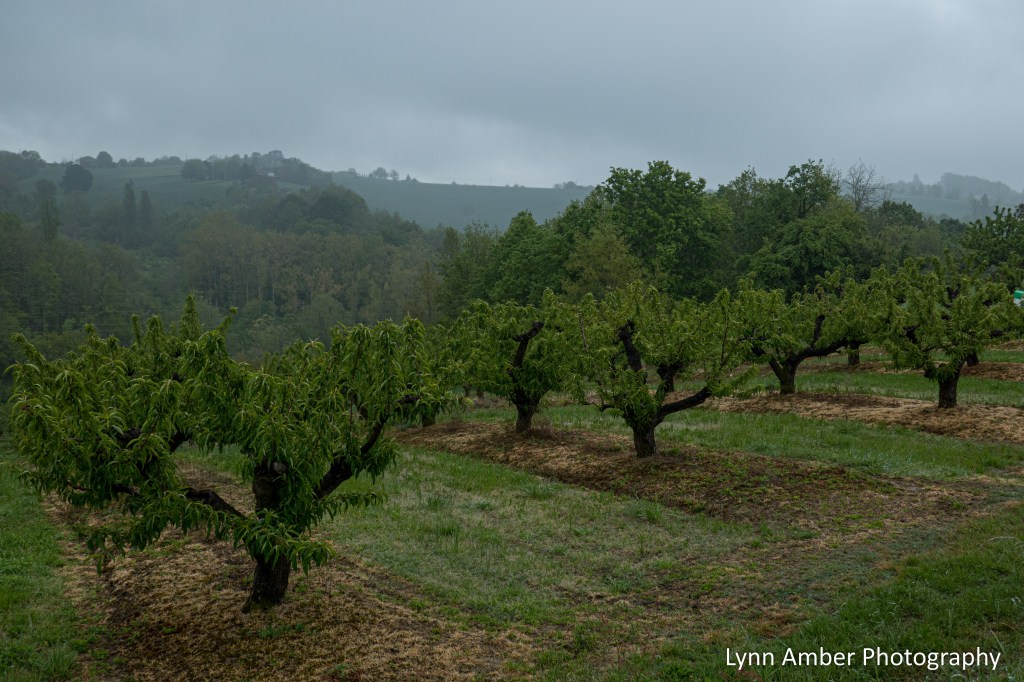
We passed acres of vineyards and orchards along the way – everything leafing out and looking super green! Nice countryside!

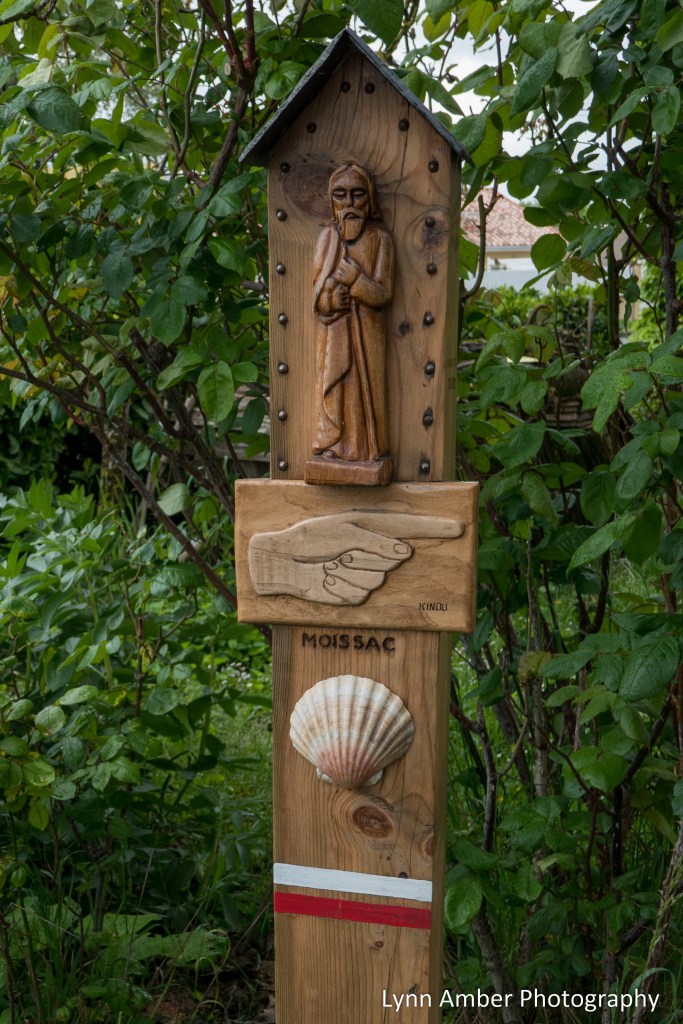
Along the GR 65, there are regular trail markers – most are very simple with the white and red stripes painted on trees, fenceposts or rocks. Every now and then, someone gets a tad more creative. Love the wayfinder below!
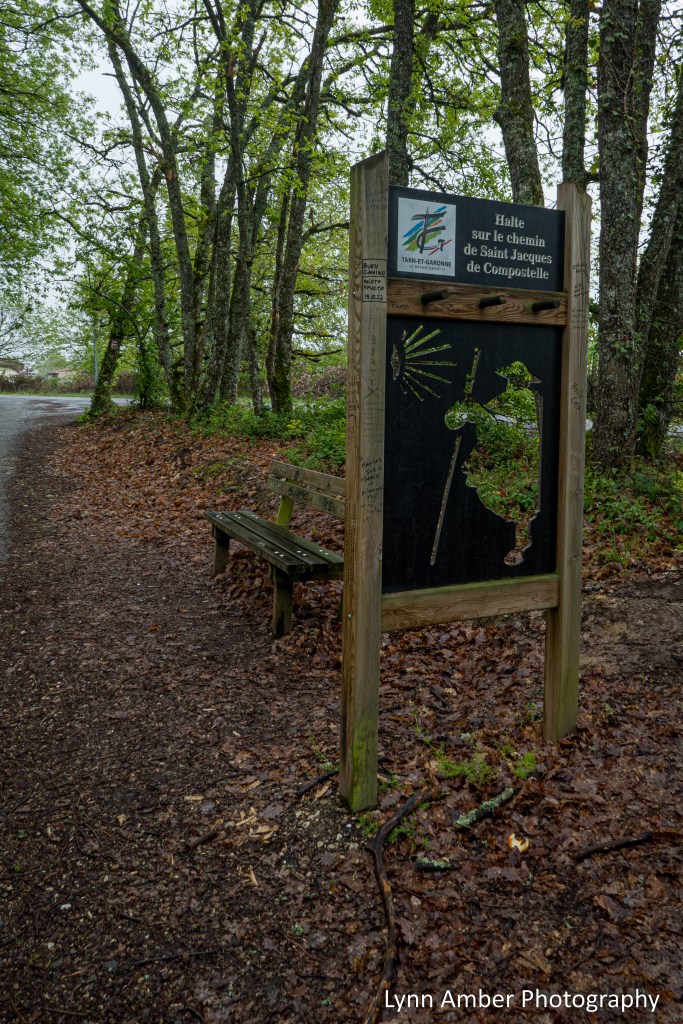
As we were walking, we noticed a sign up ahead and had some fun at this resting place for pilgrims.


I always enjoy it when I come upon an interpretive sign that explains the landscape we are experiencing. It also gives me a chance to practice my French reading skills. Thank goodness for Google Translate! The sign below “Windows on the Tarn” describes the view we see into the alluvial plain carved out by the River Tarn. It describes the modern landscape of fruit trees and the culture of market gardening that exists along the banks of the Tarn.

Once we got to Moissac, we decided to find our gîte and drop our bags. There was much to explore in Moissac unencumbered by our packs. As it turns out, the Gîte La Petite Lumiere sits high above the city and it was a very steep climb to reach the humble abode! But, oh the view!

We paid 38 euros each for the accommodation that included dinner and breakfast. We had a small dorm room but the other beds were empty so we had the room to ourselves. The other guests chose to pitch a tent in the yard as it is a cheaper option.

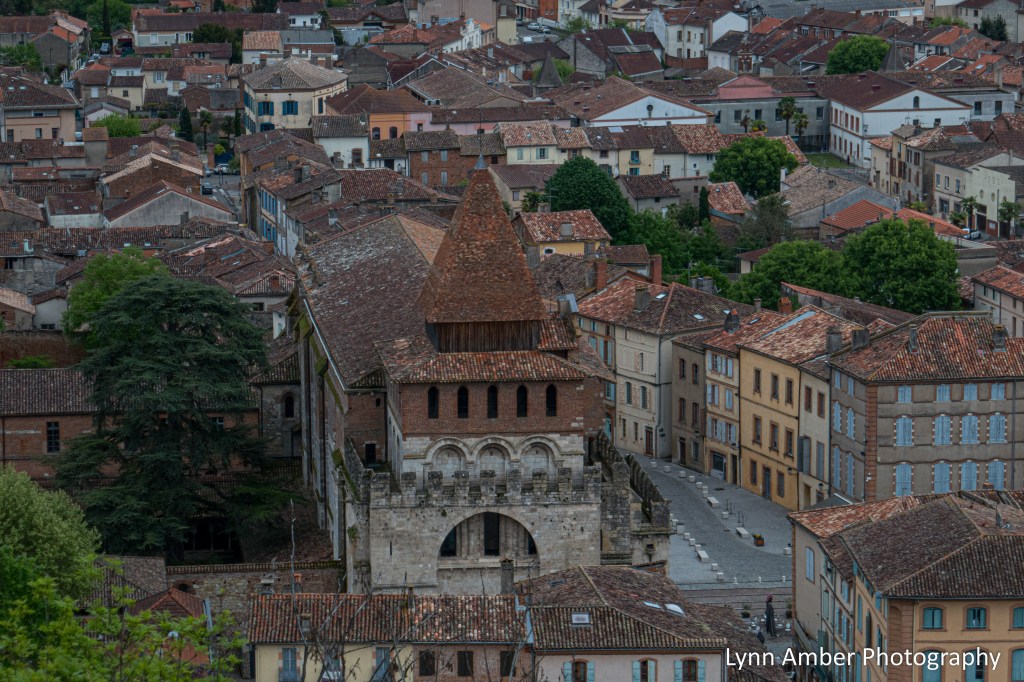
We dropped out bags and headed back to the center of town for a bite to eat and a tour of the abbey.
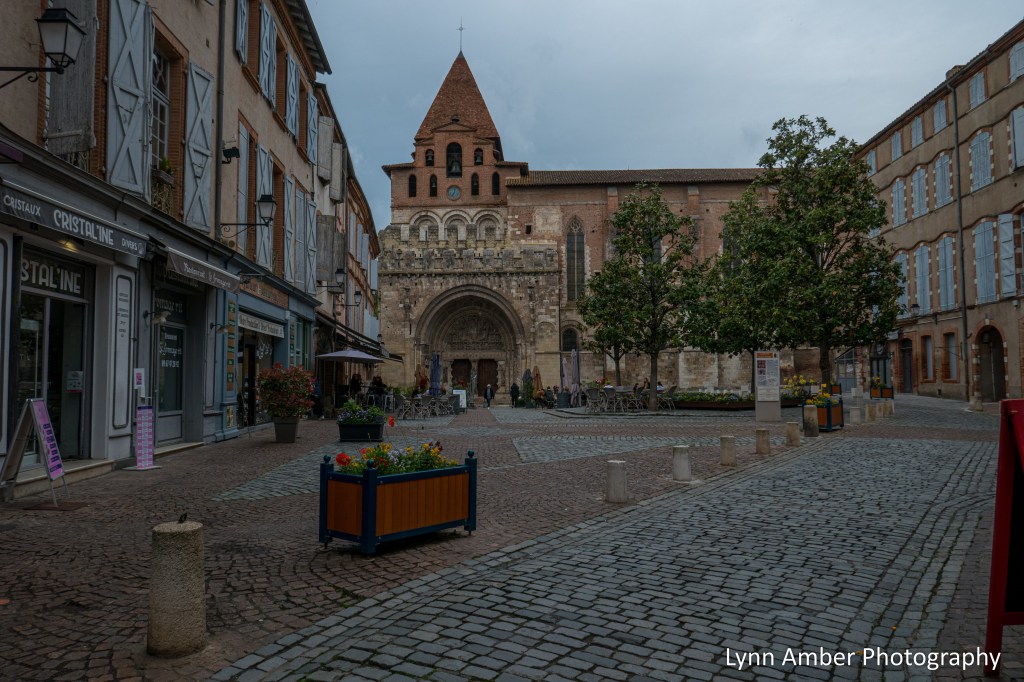
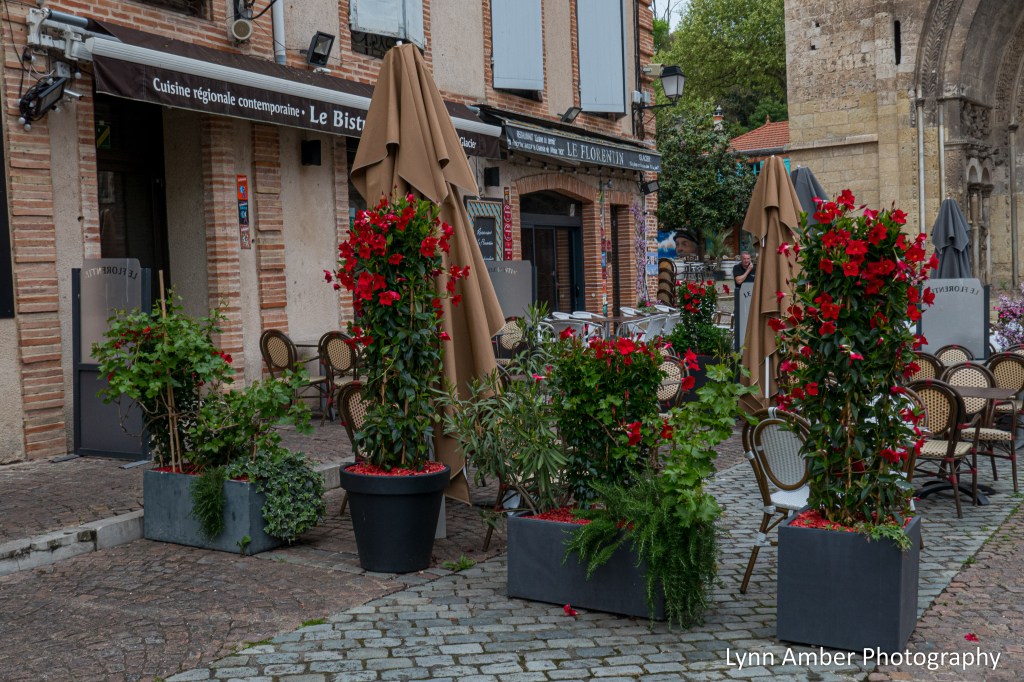
We had a delicious lunch at Le Florentin restaurant!! Highly recommend! It is adjacent to the abbey making it the perfect place to eat before exploring this amazing medieval monastery and active church.
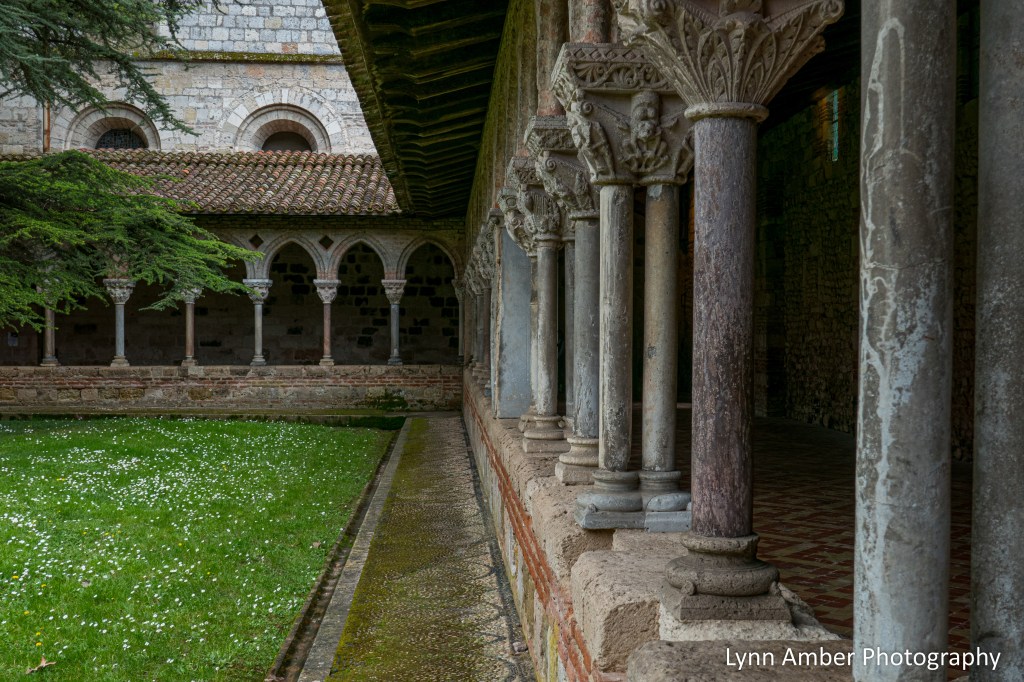
After our meal, we wandered around the Saint-Pierre Abbey and Cloister. The following are some of my favorite pictures of the Romanesque architecture and decorations of the church.


The cloister is known for its sculpted decorations that are present on the “8 pillars and 76 capitals” that surround the green. There is a detailed description of these capitals and the figures sculpted on each here.
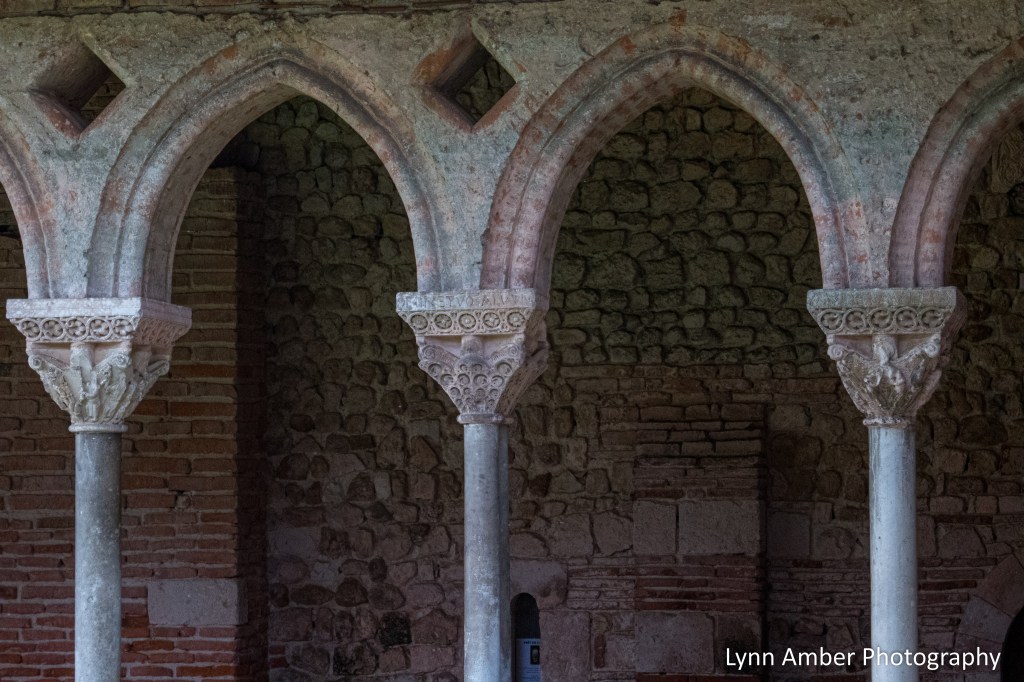
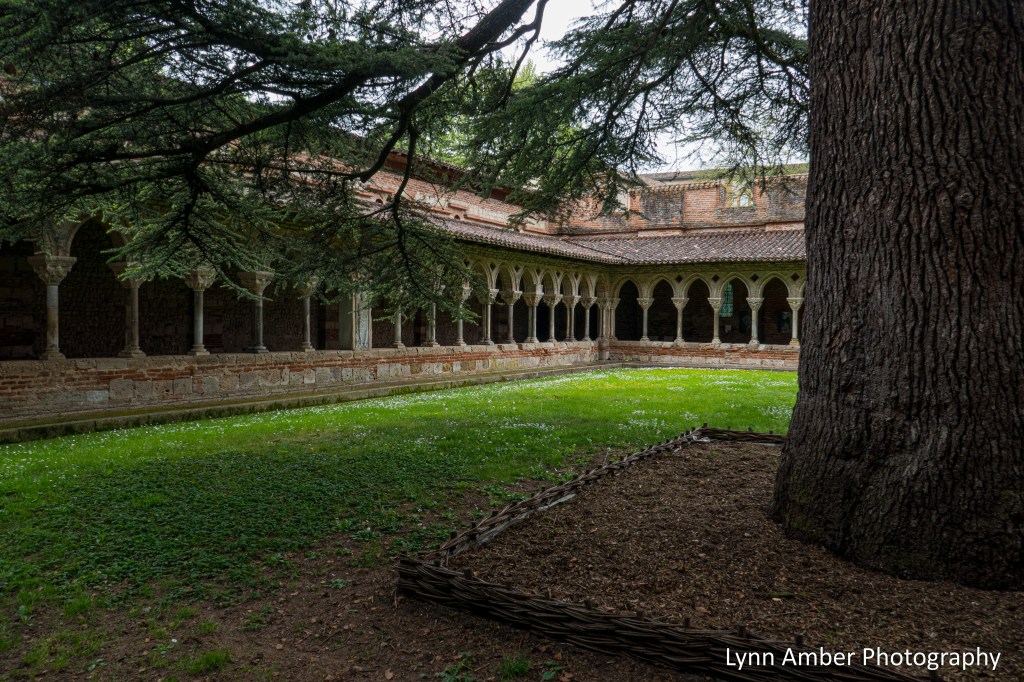

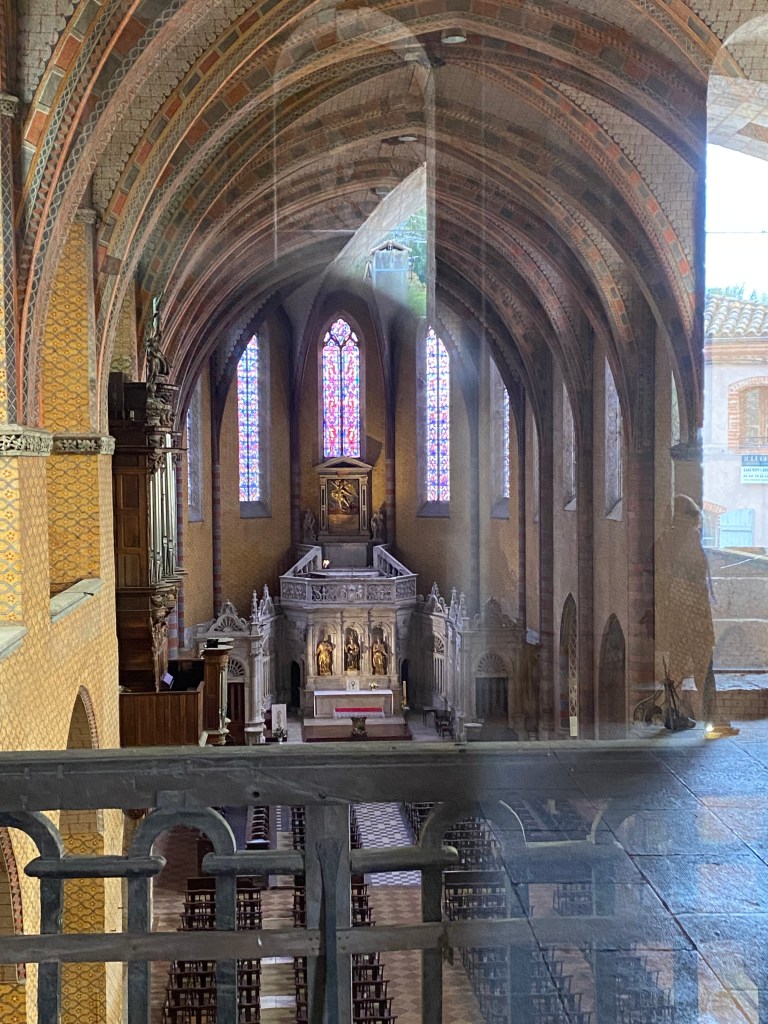
After walking around the enclosed green space, it was time to explore the interior of the church. We were able to walk up to the upper room of the bell tower where we could look down upon the main part of the church.


For more information on the Saint-Pierre Abbey please access this link. It is a UNESCO World Heritage Site and a remarkable place!

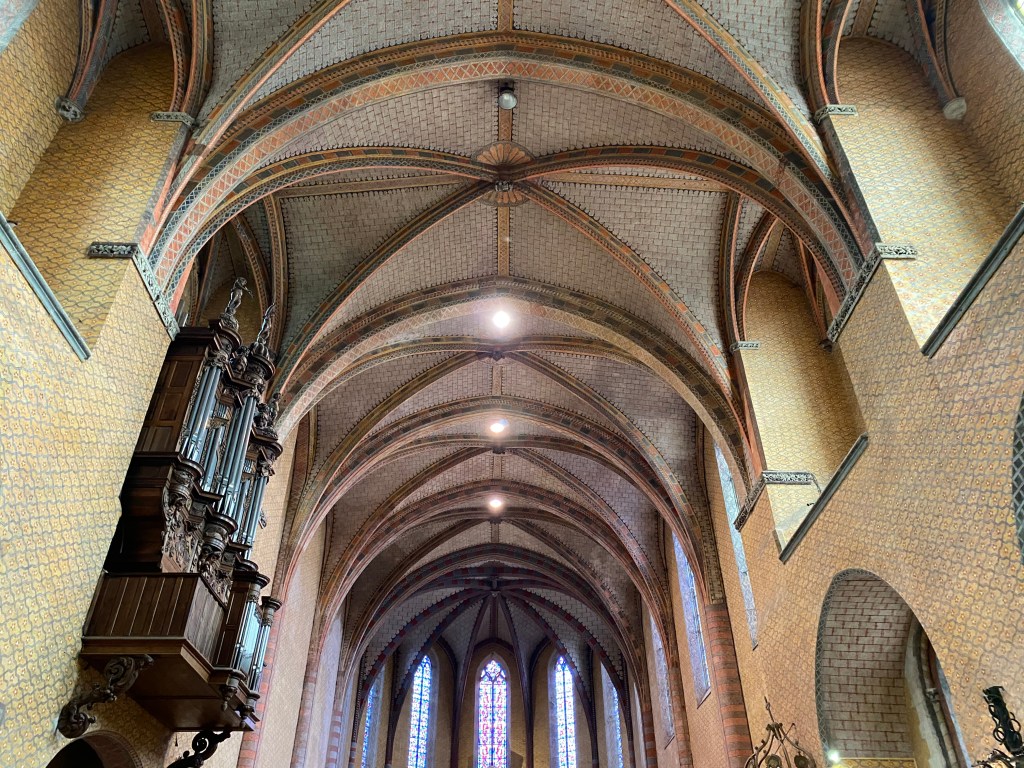

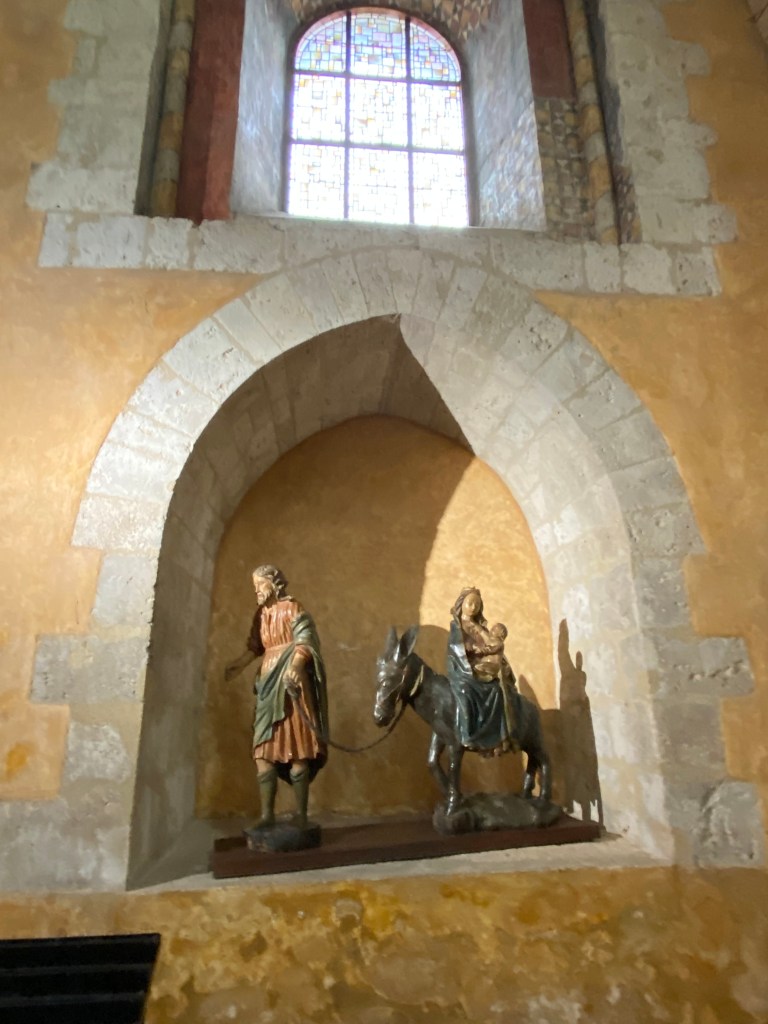
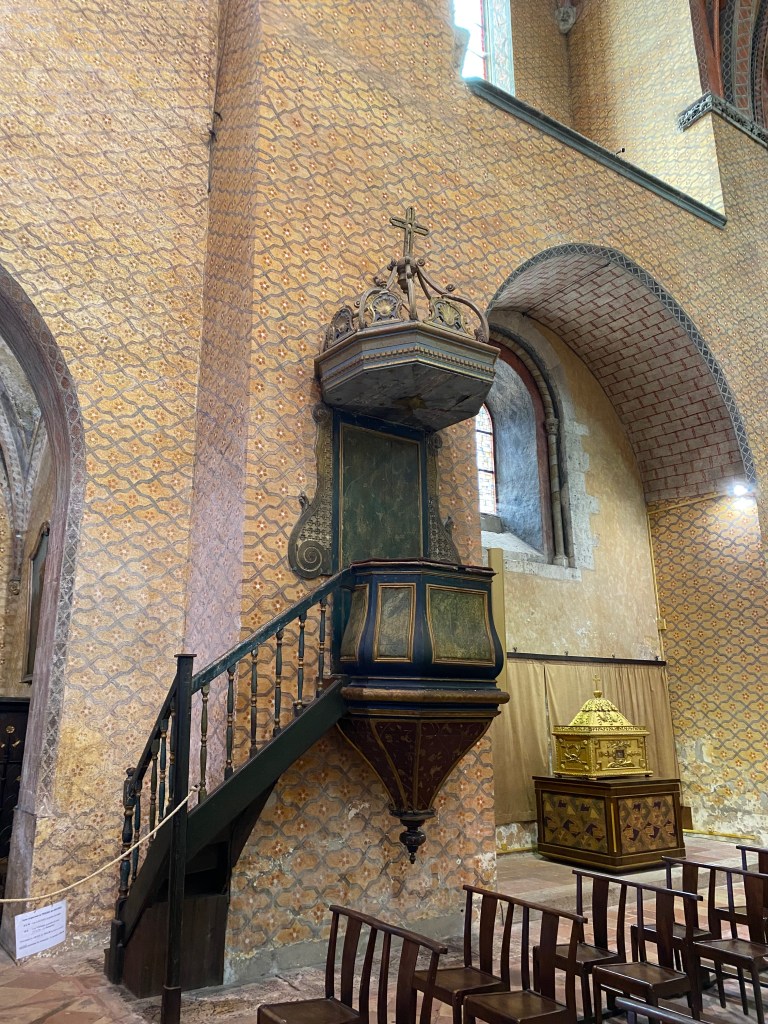
Back out into the square next to the church, I was struck by the bright colors of the flowers in the planters surrounding a small fountain.
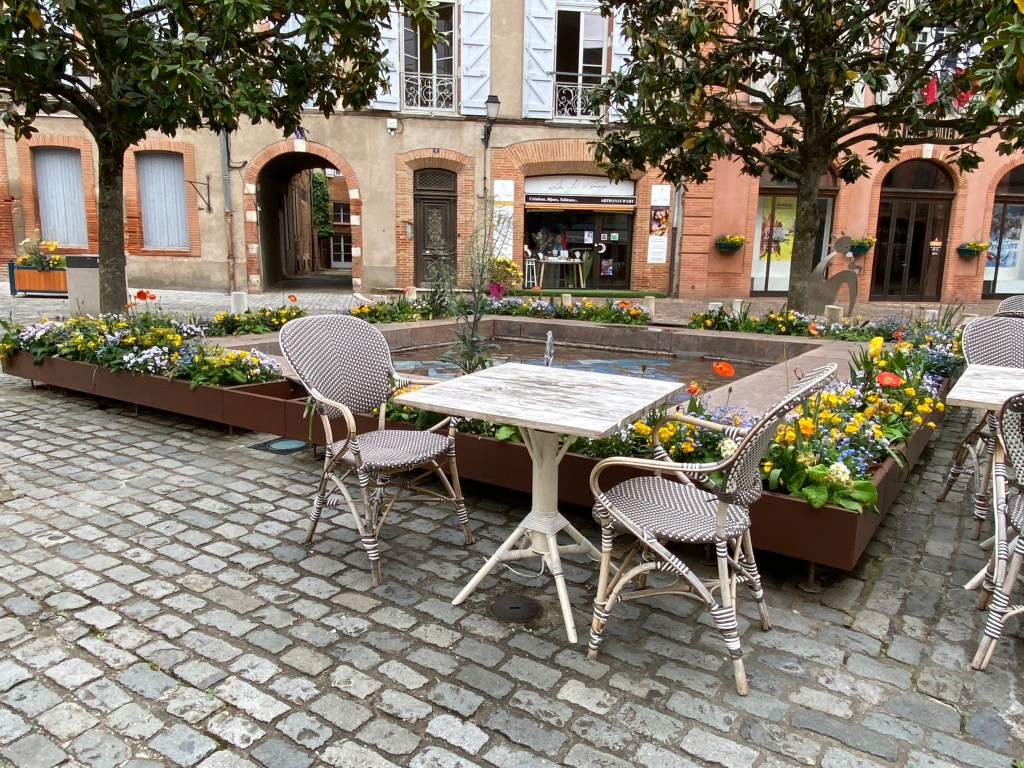

We headed back up to our lodging for dinner after touring the abbey. I enjoyed Moissac and the old part of the city.

We had a nice simple meal that was prepared by our host and a couple of her friends. Totally enjoyable stay in this modest accommodation.
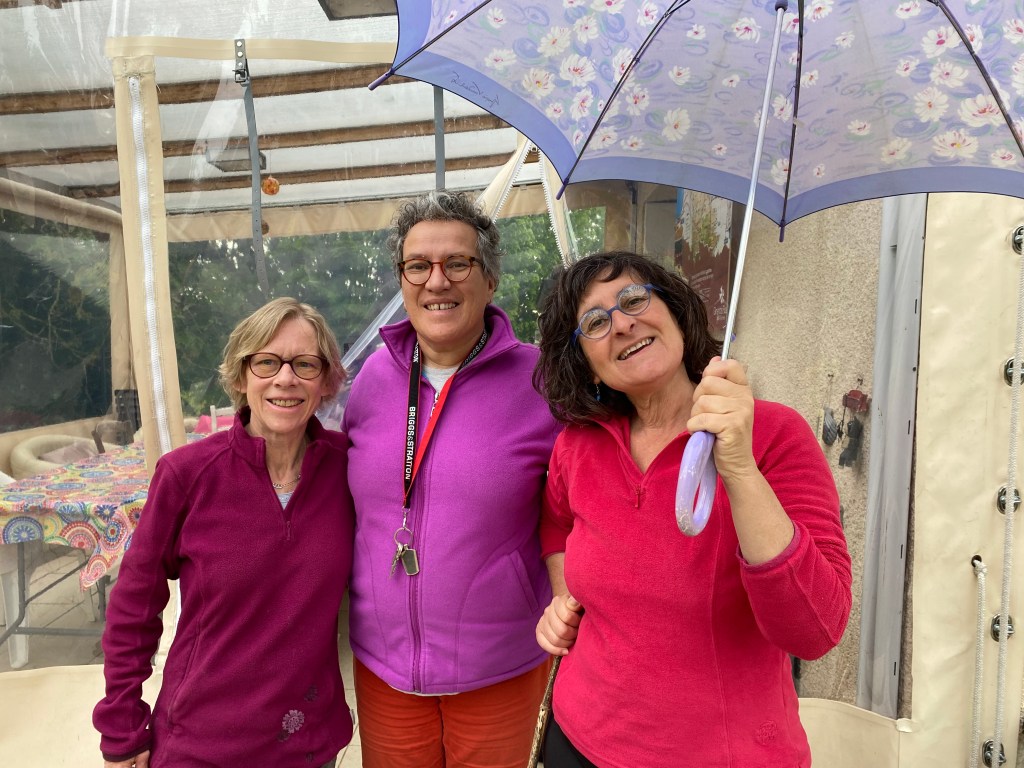
One of the ladies offered to take our picture as we headed off the next day – you can see the statue in the background!

Onward!
Univ of California Santa Cruz Arboretum 2.8.2025

Grevillea noellii is yet another Australian native that thrives along the California coastal climate. It’s an evergreen shrub with interesting spidery-looking “flowers”.

A Day of Remembrance and a Message of Hope 2.6.2006 and 2.6.2025
It’s hard for me to believe that it has been almost 20 years since our family lost a son, a brother, a grandson, a nephew, a cousin, a loyal friend – Kyle Robert Forrey – to melanoma cancer. He was just 26 years old. He passed away on the birthday anniversary of one of his favorite musical artists, Bob Marley. Kyle’s best companion was his German Shepard dog whom he named Marley, in honor of the legendary reggae musician.
When Kyle passed away, his best friends created a play list of songs and artists that meant something to him. They made CD copies of the play list and distributed it to us as a remembrance of Kyle. Each February 6, I play that song list – Tribute to Ale – as they called it. I’m forever grateful to them for this precious musical gift. The play list is an eclectic mix of genres and includes tunes from The Beatles; Bob Dylan; Crosby, Stills, Nash and Young; Buffalo Springfield; Tom Petty; The Allman Brothers; The Band; the Grateful Dead; Bob Marley and the Wailers; Badfinger; Sly and the Family Stone; and Creedence Clearwater Revival.
On Kyle’s headstone the word’s – One Love – are engraved beneath a photograph of him and his beloved Marley. It conveys the special relationship he had with his four-legged companion. It’s also the title of a well-known Bob Marley tune. The song was written by Bob Marley during a time of political upheaval in his home state of Jamaica. His message was clear – a call for unity, hope and compassion – in a time of tremendous turmoil.
As I struggle to comprehend what is happening in our country and the political crisis we are facing, it’s hard for me to remain optimistic about the future of our democracy. Remembering Kyle on this day brought me to revisiting the lyrics of “One Love”. Here’s to you Kyle – we miss you – and to all of mankind, may we come to our senses.
“One Love! One Heart!
Let’s get together and feel all right.
Hear the children cryin’ (One Love!);
Hear the children cryin’ (One Heart!),
Sayin’: give thanks and praise to the Lord and I will feel all right;
Sayin’: let’s get together and feel all right. Wo wo-wo wo-wo!
Let them all pass all their dirty remarks (One Love!);
There is one question I’d really love to ask (One Heart!):
Is there a place for the hopeless sinner,
Who has hurt all mankind just to save his own beliefs?
One Love! What about the one heart? One Heart!
What about -? Let’s get together and feel all right
As it was in the beginning (One Love!);
So shall it be in the end (One Heart!),
All right!
Give thanks and praise to the Lord and I will feel all right;
Let’s get together and feel all right.
One more thing!
Let’s get together to fight this Holy Armagiddyon (One Love!),
So when the Man comes there will be no, no doom (One Song!).
Have pity on those whose chances grows t’inner;
There ain’t no hiding place from the Father of Creation.
Sayin’: One Love! What about the One Heart? (One Heart!)
What about the -? Let’s get together and feel all right.
I’m pleadin’ to mankind! (One Love!);
Oh, Lord! (One Heart) Wo-ooh!
Give thanks and praise to the Lord and I will feel all right;
Let’s get together and feel all right.
Give thanks and praise to the Lord and I will feel all right;
Let’s get together and feel all right.”
~Bob Marley
U. of California Santa Cruz Arboretum 1.31.2025

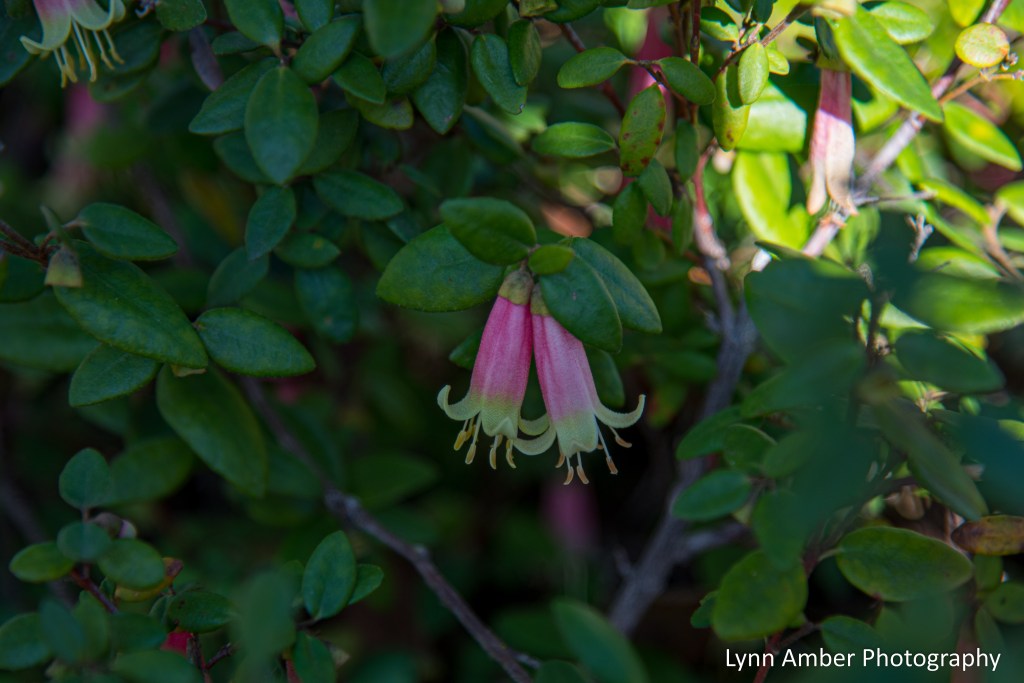
Many species of plants at the UCSC arboretum are in the Fuchsia genus. Correa reflexa is a native fuchsia found in Australia and consists of many different varieties – ranging from ground-hugging species to those reaching a height of 5 feet. It was fun to see the diversity of these shrubs throughout the arboretum.
U. of California Santa Cruz Arboretum 1.21.2025

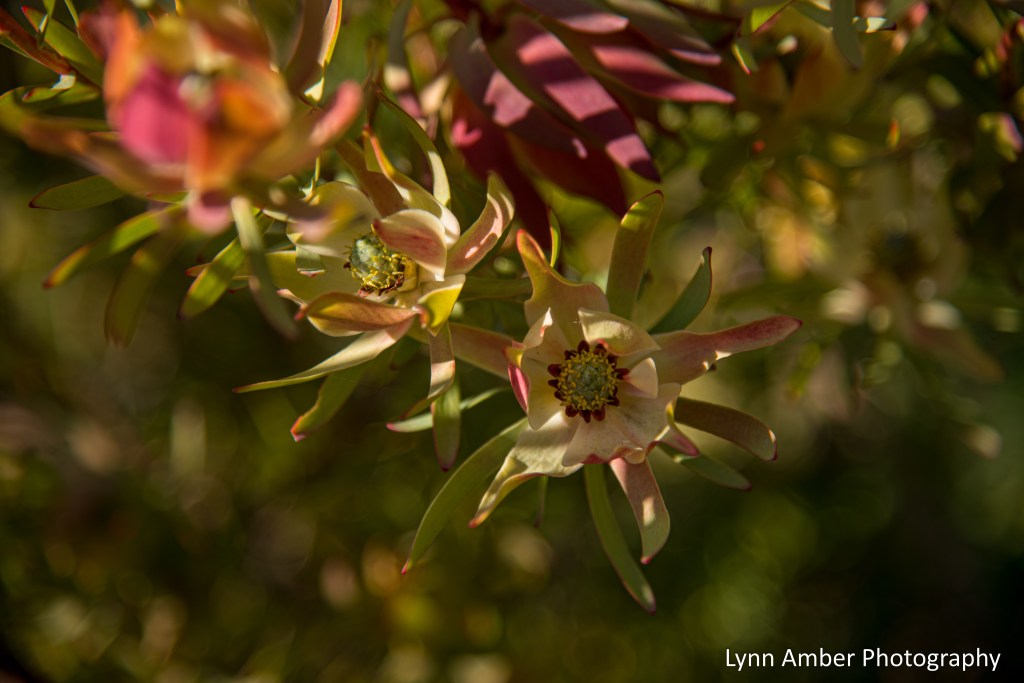
Conebush is from a family of plants indigenous to the Cape Provinces of South Africa. This one is a large shrub or small tree, evergreen and stunning for the reddish flower heads at the ends of the branches.

U. of California Santa Cruz Arboretum 1.20.2025
Yesterday, Jim and I decided to take a road trip and complete a loop around the Bay Area Peninsula. He has been hard at work upgrading the electrical system in the Airstream – replacing the converter with an inverter/charger and installing lithium batteries. And, he needed a break!
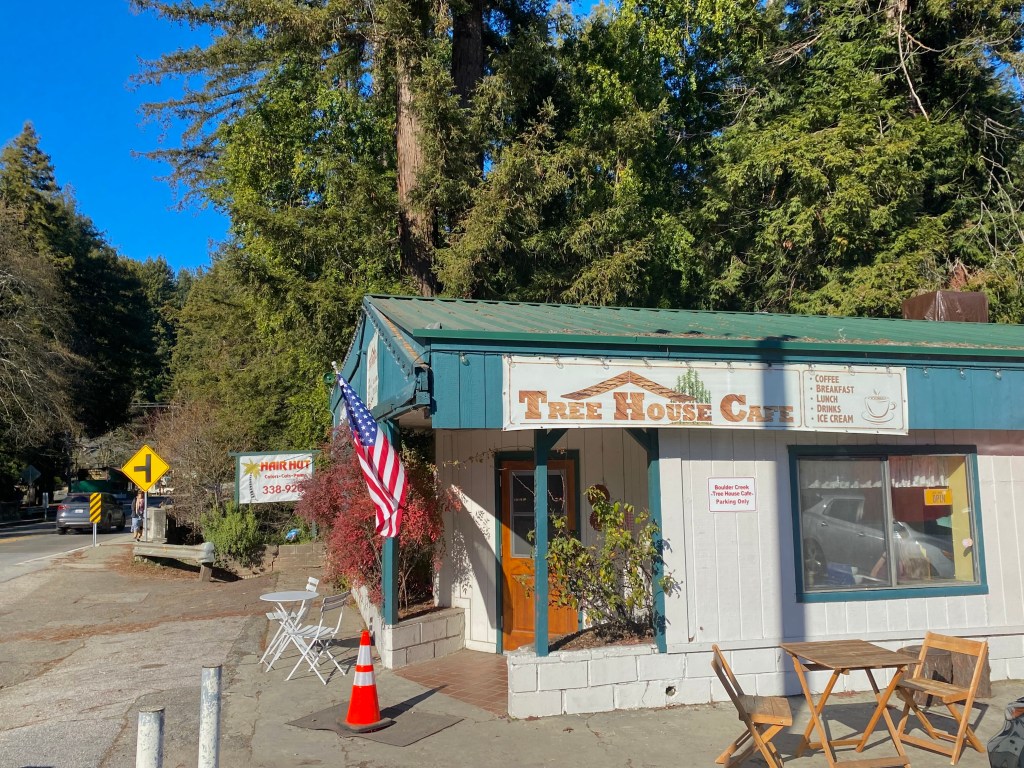
We started out the trip with a stop in Boulder Creek. This small town on Route 9 has an obvious “hippie” past based on the vibe and the locals that we encountered. Just my kind of town! It was fun wandering around the one main street and poking our heads into various antique shops. I was lucky enough to find a great deal on a used Chico’s jean vest and a cute watercolor print with a canoe paddle theme.
We had a sweet, inexpensive brunch at a local restaurant called The Tree House Cafe. The food establishment got its name due to being “built” around a massive redwood tree that is the centerpiece in the back dining area.

Our next destination after leaving Boulder Creek was a stop at the University of California Santa Cruz Arboretum and Botanical Garden. It sits high up on the hill above Santa Cruz on part of the college campus. I had not researched the arboretum prior to arriving so I was surprised to discover that the plant focus is specific to Australasia with additional plant species from parts of Africa and the Mediterranean. The arboretum is divided into sections – plants from Australia, New Zealand, South Africa and an area of California natives. One of the interpretive displays shared that this focus is because these areas have a similar climate to much of California and therefore many of these native plants will grow and thrive here.
It was amazing to see so many totally unfamiliar and unusual plants and flowers. I was loving it! There is a fair amount of plants flowering now and I was in heaven taking close-up photos of some of the curious flowers.
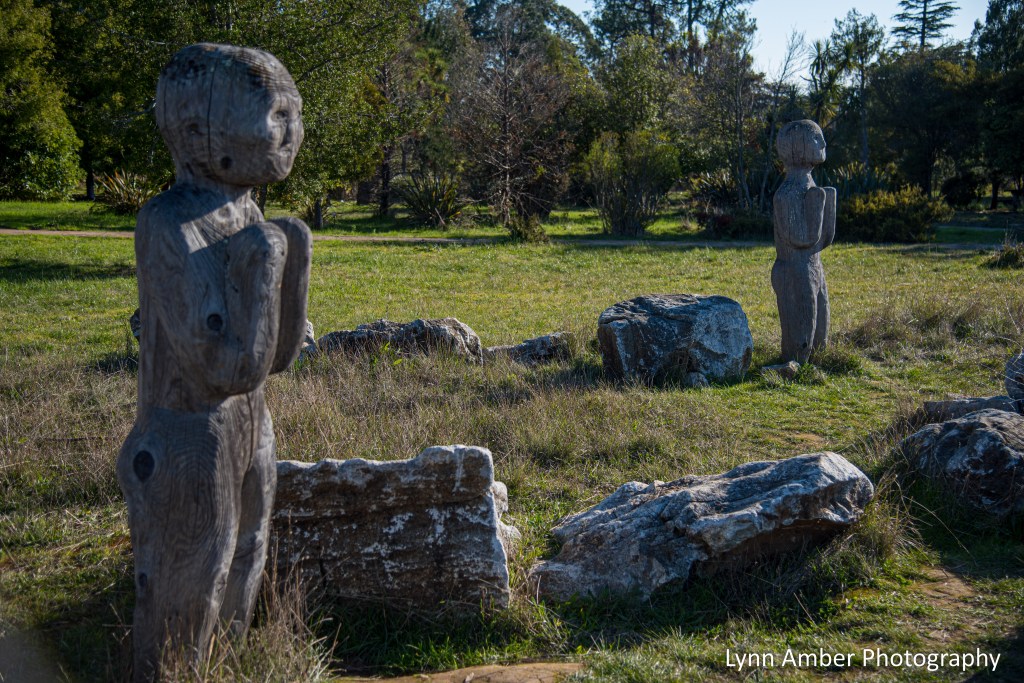
The top photograph was taken in an open area of the garden. There was no sign indicating what these figures were or who created them. I looked it up later and discovered these are called Suncatchers and were sculpted in 2017 by John Hylton. I read that the figures align with yearly solstices and equinoxes and his inspiration came from the “ancient solar calendars of Europe”.

I will tease you with one flower photograph and post a few more in the next couple of days. 🙂

Russian Ridge Open Space Preserve 1.20.2025
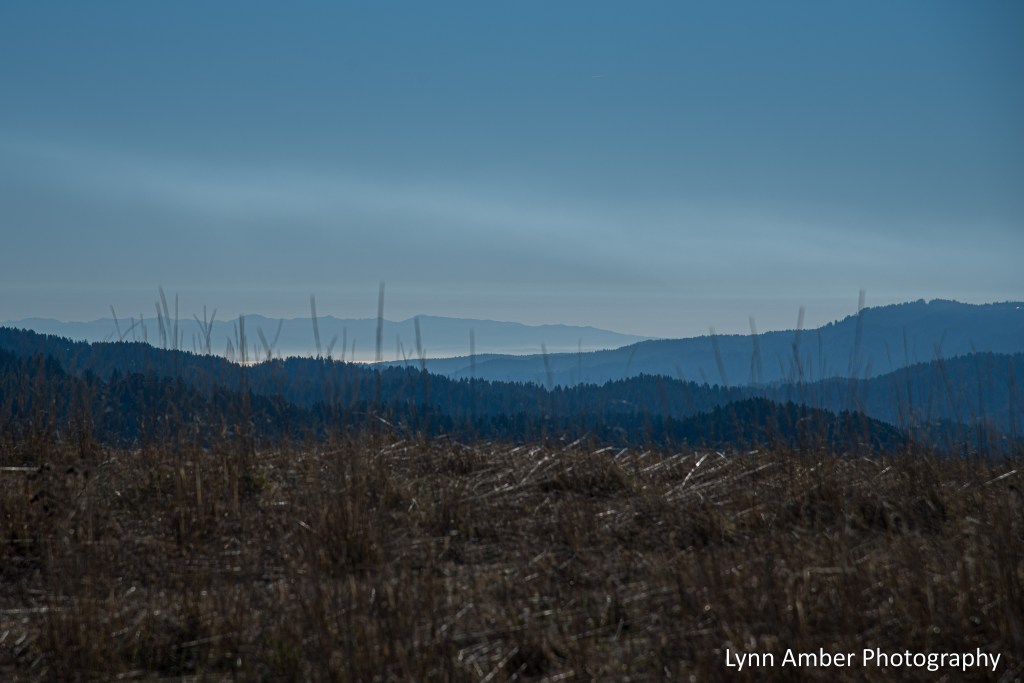
Expansive view from the top of the ridge – the line between sea and sky is barely visible in the distance.

Russian Ridge Open Space Preserve 1.15.25

While we are hanging out at our son’s home in Skylonda on the Bay Area Peninsula, I have been exploring the many open space preserves that exist here along the coastal Santa Cruz Mountains. I just discovered the Russian Ridge Open Space Preserve and it’s a mere 15 minute drive from our son’s property!
Today was my second hike here and I brought the big camera this time! One of the trails in the preserve is named the Ancient Oaks Trail and there are quite a few “speciman” Coastal Live Oaks that give this trail its name. I’ll be posting some more photos over the next couple of days!

California Native Plants 1.9.2025

Brittle Leaf Manzanita is native to the Central California coast and distributed mostly in the coastal foothills between the San Francisco Bay Area and south to Santa Barbara. I found this plant growing in the La Honda Creek Open Creek Preserve at the higher elevations of these hills. It’s a beautiful large shrub or small tree – wider that tall and sporting deep red/burgundy peeling bark. Love it!!
 Lynn Amber - Travel & Photography