Lynn Amber - Travel & Photography
sharing my thoughts through words and images
Le Puy Camino – via Podiensis: Saint-Côme d’Olt to Estaing

April 11, 2023
Today’s walk to the picturesque village of Estaing was by far my favorite day since the beginning of the journey. It would also prove to be the longest – clocking in at 21.5 kilometers. The weather started out cloudy with a threat of rain so we donned our rain gear and backpack rain fly at the onset.
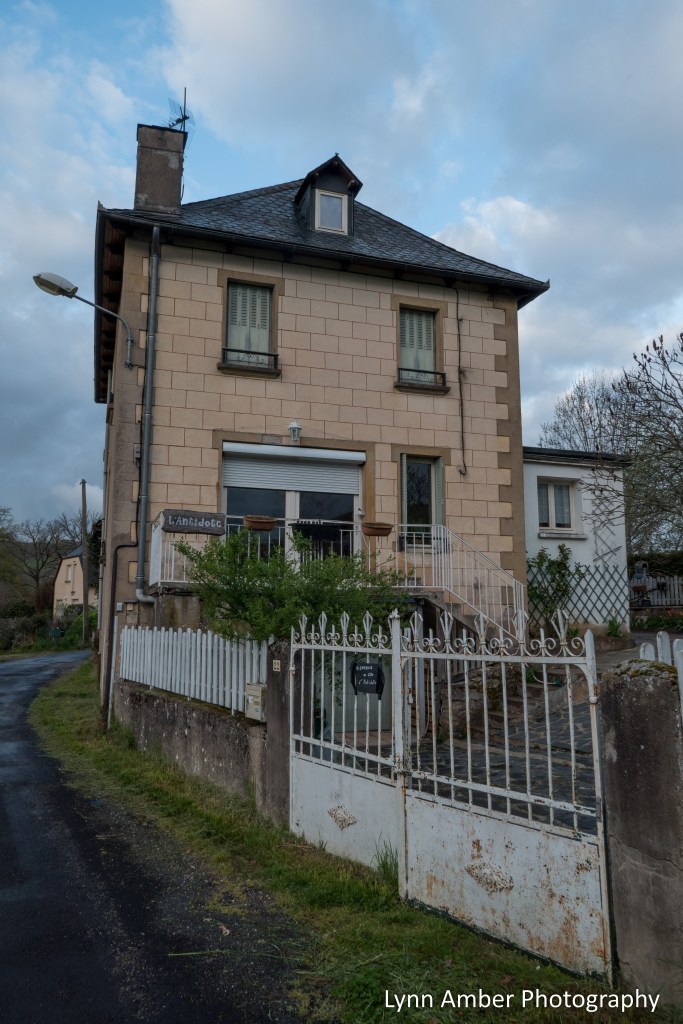
It was a 2 km walk back to where we would pick up the GR65 just as it crosses the Lot River. Between Saint-Côme d’Olt and the next village, Espalion, there were 2 potential routes we could take. The traditional GR65 rises steeply above the Lot River to a high point where the statue “La Verge de Vernus” holds court over the valley. The variant route follows the elevation of the Lot River along a relatively flat section of trail and reunites with the GR65 just prior to entering Espalion. We decided since it will be a long day to take the variant pathway along the river.
Our walk towards the river and the GR65 offered up some final nice views of the church and architecture of the Saint-Côme d’Olt.
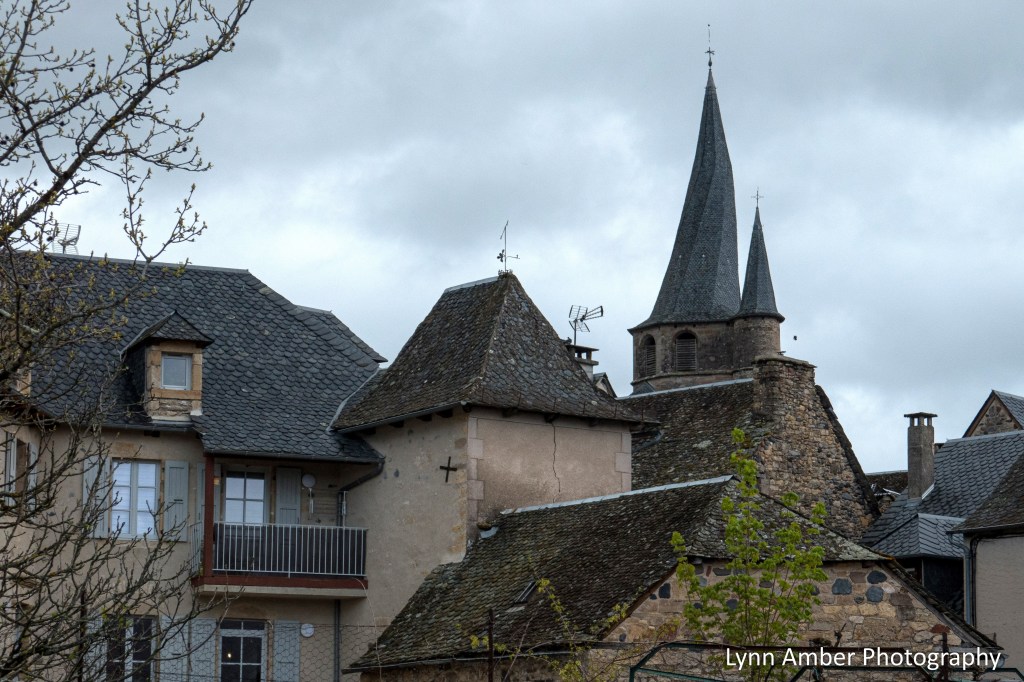

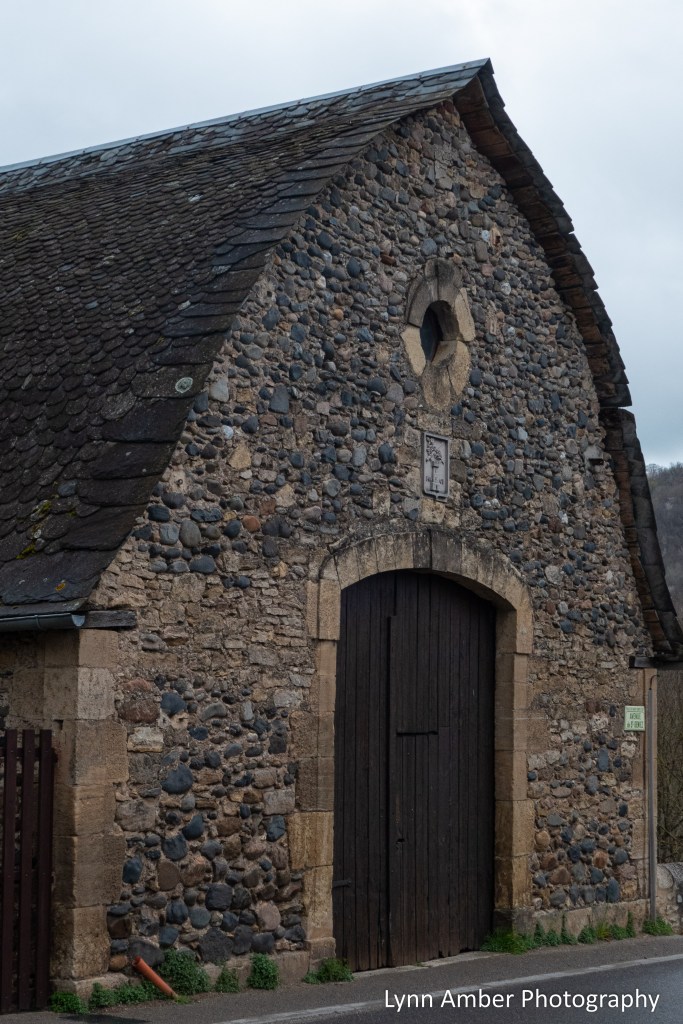

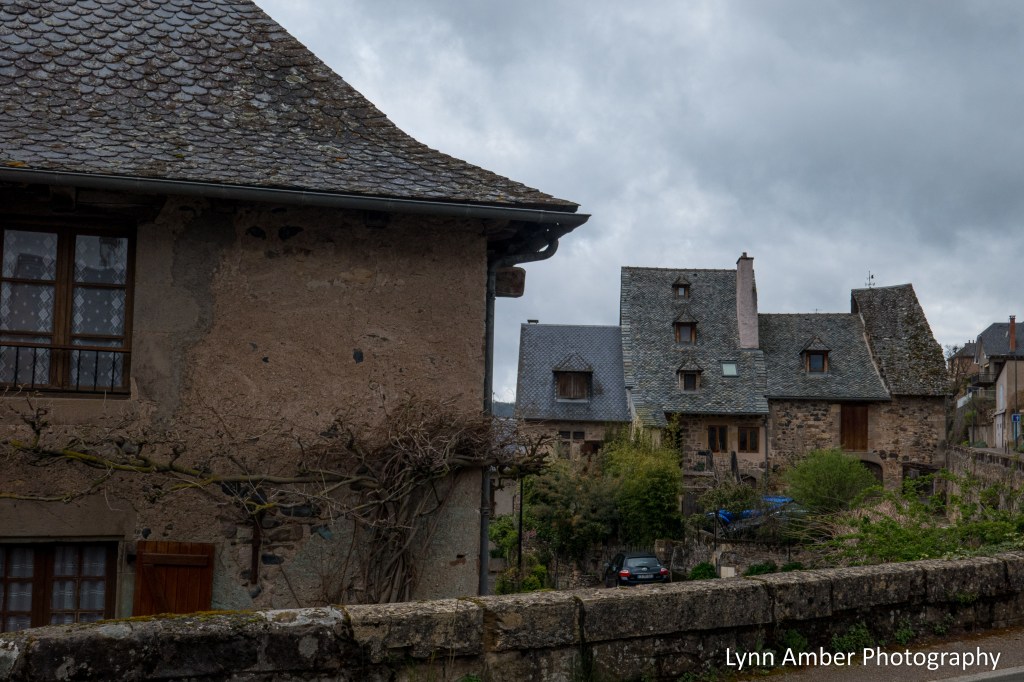

To reach the river pathway to Espalion, we cross the bridge spanning the Lot River. It was an opportunity to take some photographs and look back towards Saint-Côme d’Olt.
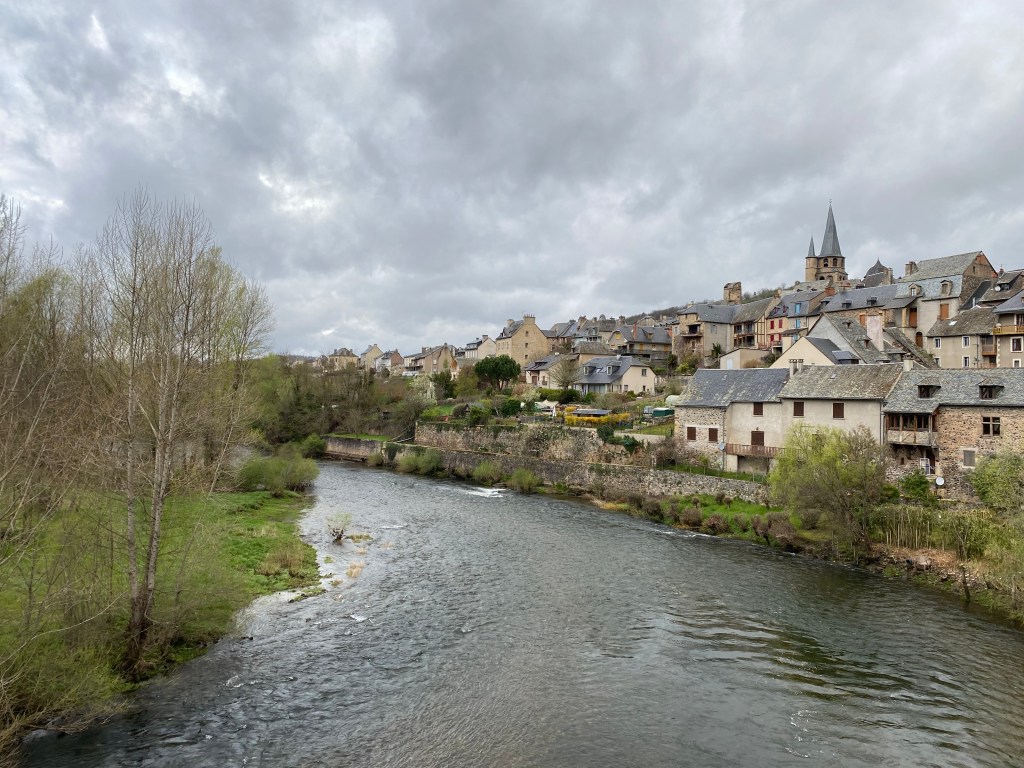

As we were crossing the bridge, I noticed an organized campground below the bridge on the banks of the river. I’ve not seen many campgrounds along our route.


It is a 6 kilometer walk “par la rive du Lot” to Espalion from Saint-Côme d’Olt and Susan and I decided to walk together until reaching Espalion. We planned to grab a snack in Espalion and something to add to our pack for lunch.
The walk along the river was nice and I’m glad we made the decision to take the more relaxing alternate “chemin.”

We stopped by the above home to readjust our packs and take a break halfway to Espalion. On the rich river bottom land, it was also encouraging to see someone starting to get their garden ready for spring planting!
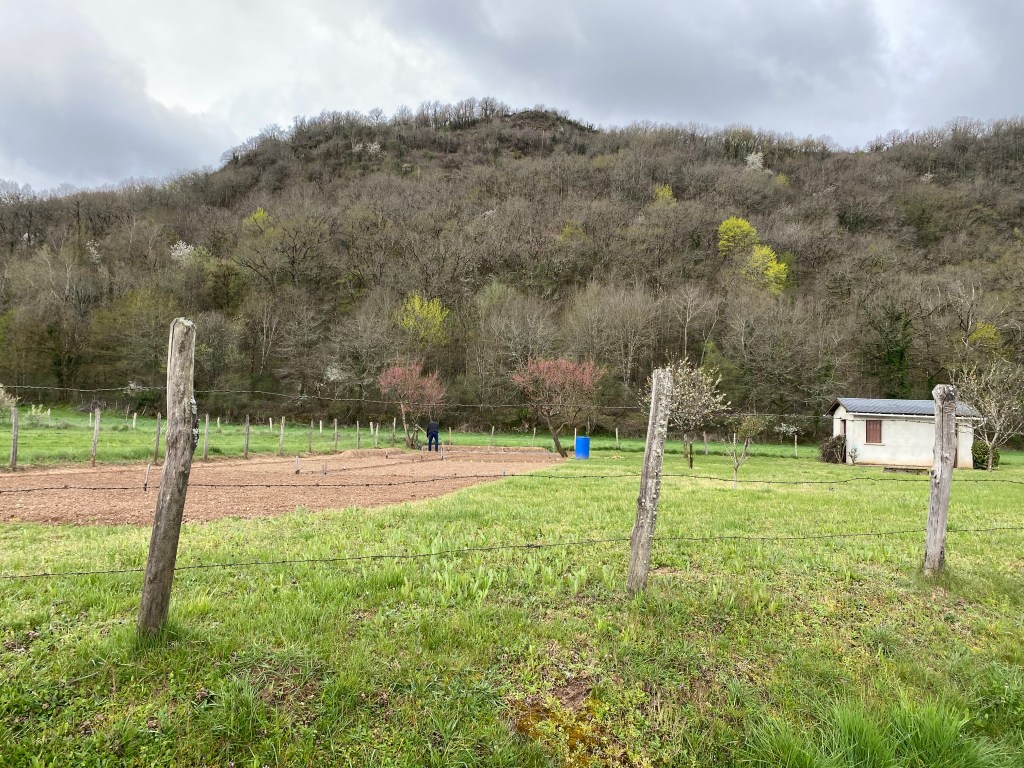
We arrived on the outskirts of Espalion in no time at all and followed the GR65 to the center of town.

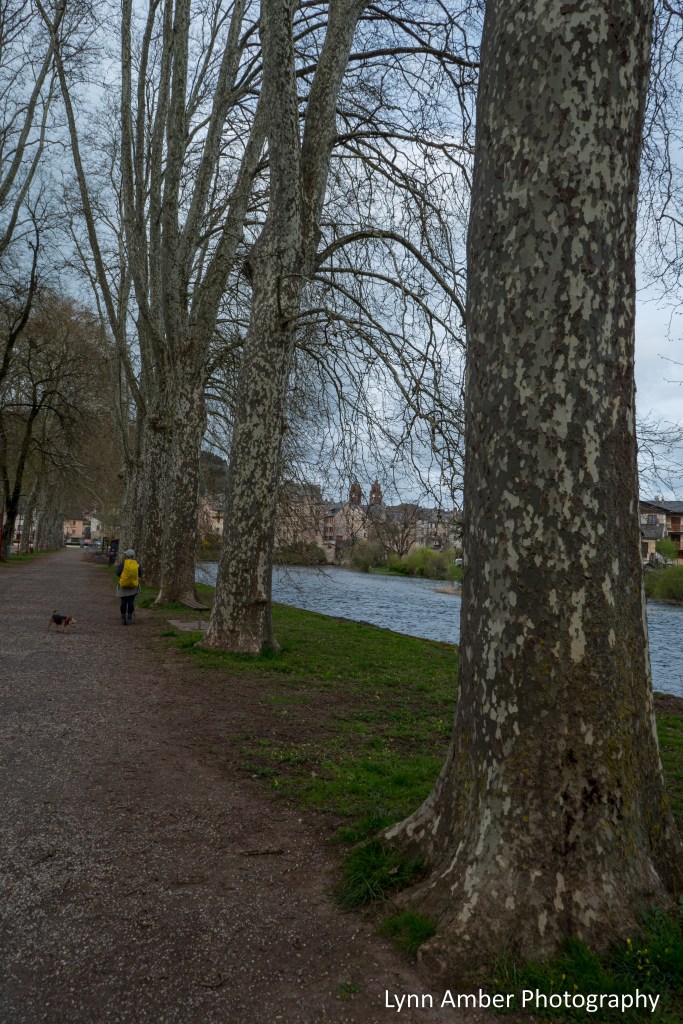
At the juncture above, we veered right through a sports complex which then led to a riverside walk through an urban park. The pathway through the park along the Lot River was lined with enormous sycamore trees and embellished with some unique artwork.


The above statue of a stone mason honors all the people who, over the ages, contributed to the “architectural, civic and religious art” along the pathways of Saint-Jacques de Compostle. Part of the text reads (translated): “With this statue representing a stonemason, we wish to pay tribute to all men of the art, from the master builder to the journeyman worker for the testimony they left us, all driven by the love of their profession and of their passion for building.”
Espalion is a bustling little town with a vibrant community. The town dates back to the Middle Ages and was a Templar command post. At its peak in the medieval era, the town was centered around the Place du Griffoul and comprised of many shops, a drawbridge and numerous towers.
We followed the GR 65 into town and then wandered off trail in search of food! The downtown area was somewhat of a maze and disorienting from a directional standpoint!

After attempting to follow some directions given to us by a shopkeeper, we eventually stumbled upon one of the finest épiceries – Ecofrais – that we encountered along the way!
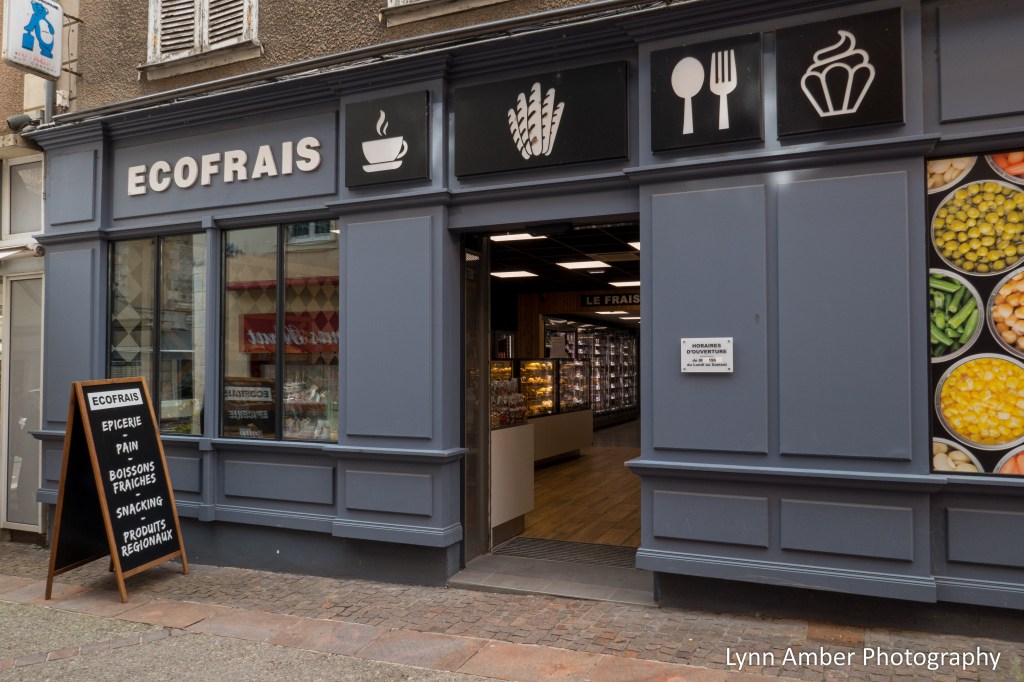
There was a small area inside where we could sit and enjoy a “second” breakfast and their deli displayed the most scrumptious sandwich choices I have ever seen. For breakfast, I opted for a Tart Provençale along with a chocolate eclair – at an incredulous price of 4.50 euros – and I settled on a “fromage de chèvre and figues” sandwich with lettuce to take along for lunch (again 4.50 euros).

After our bellies were full, we decided to stop by the church before heading out of town. La Vieille Église – also called the Église Saint-Jean-Baptiste – is a newer church built in the late 1800’s to replace the older church that was deemed to small to accommodate the growing parish. The two 45 meter-high towers dominate the red sandstone façade. On top of the towers are bronze statues of Saint Joseph and the Virgin Mary.


Across the street from the “new” church sits “L’ancienne église Saint-Jean-Baptiste d’Espalion”. It is now a museum and an historical monument.

On our way out of town via the GR65, we pass by the Pont Vieux. Built of red sandstone, it dates to the 13th century and was a toll bridge. It is now a pedestrian only right-of-way. Formerly, this area was labeled the province of Rouergue and it was known for cheese factories and salt warehouses. The original bridge was constructed to facilitate passage of salt through the area from the Mediterranean to Aubrac. It is an historic monument today and also listed as a World Heritage UNESCO site along the way of Saint Jacques de Compostelle.

Leaving Espalion behind, it was a relatively level walk until reaching the small hamlet of Bessuéjouls. Here the Way passes by the Eglise St-Pierre. Also a UNESCO site, the present church dates back to the 14th century and enjoyed a restoration in the 1800’s. The oldest section of the church, the bell tower, dates to the 11th century and includes an ancient chapel. Unfortunately, the church was not open so I could only admire it from a distance.


After passing by the Eglise St. Pierre, I entered the small village. While there is a small cafe located here, I was still full from breakfast – so did not stop.

Near the “mairie” however there was a very nice public restroom and potable water!! I did take advantage of that!

It was a steep ascent out of Bessuéjouls and I stopped for a rest at the top and aired out my feet!! The view across the valleys and the hills was beautiful.


From here, the chemin follows foot paths and quiet back roads. After a few more kilometers, I approached an impressive “castle” that I learned is the Château Beauregard – a winery and restaurant.


From the Château, I could see my next interesting piece of architecture along the way.
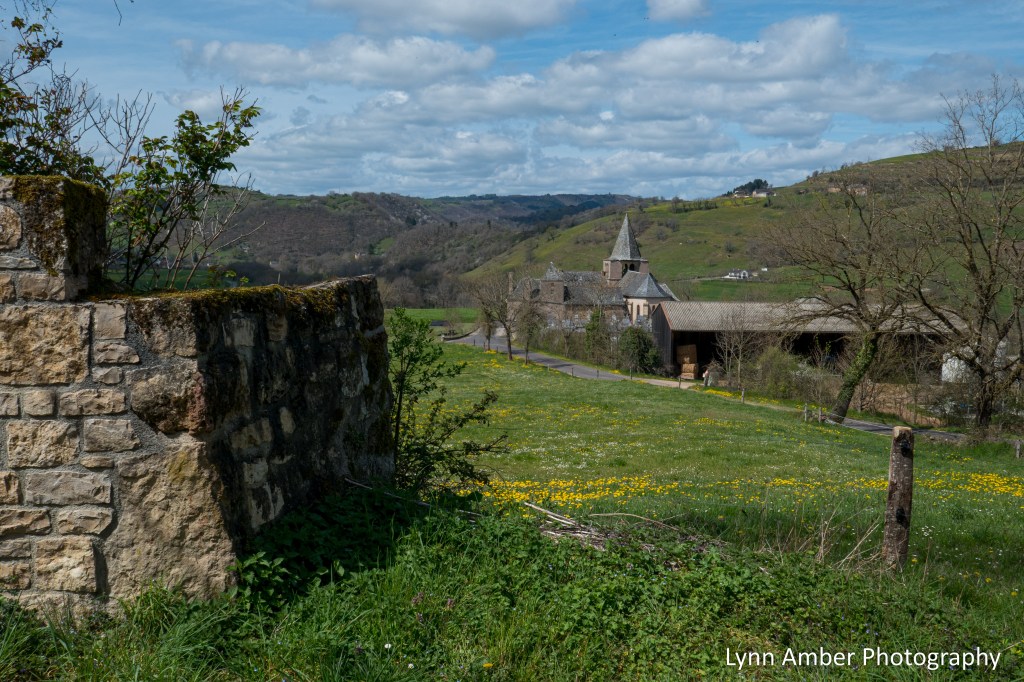

I stopped for lunch at the picnic area adjacent to the Eglise de Trédou. It was by far the absolute best lunch I had along the way! I never got another sandwich that rivaled the “fromage de chèvre et figues” combination!


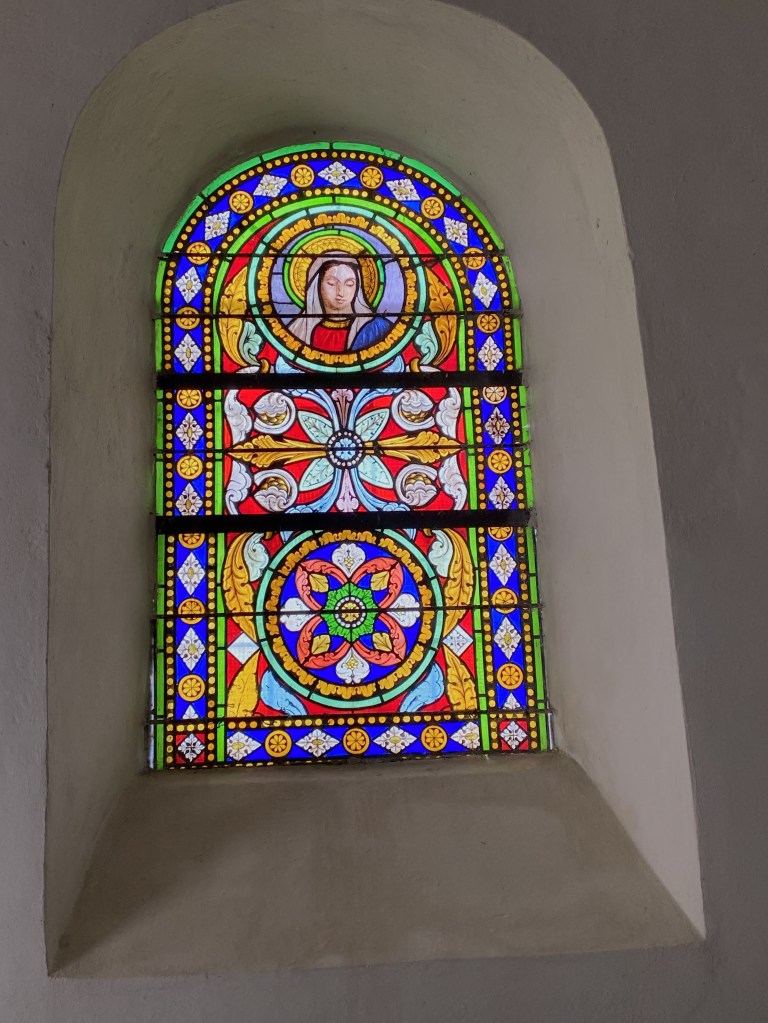
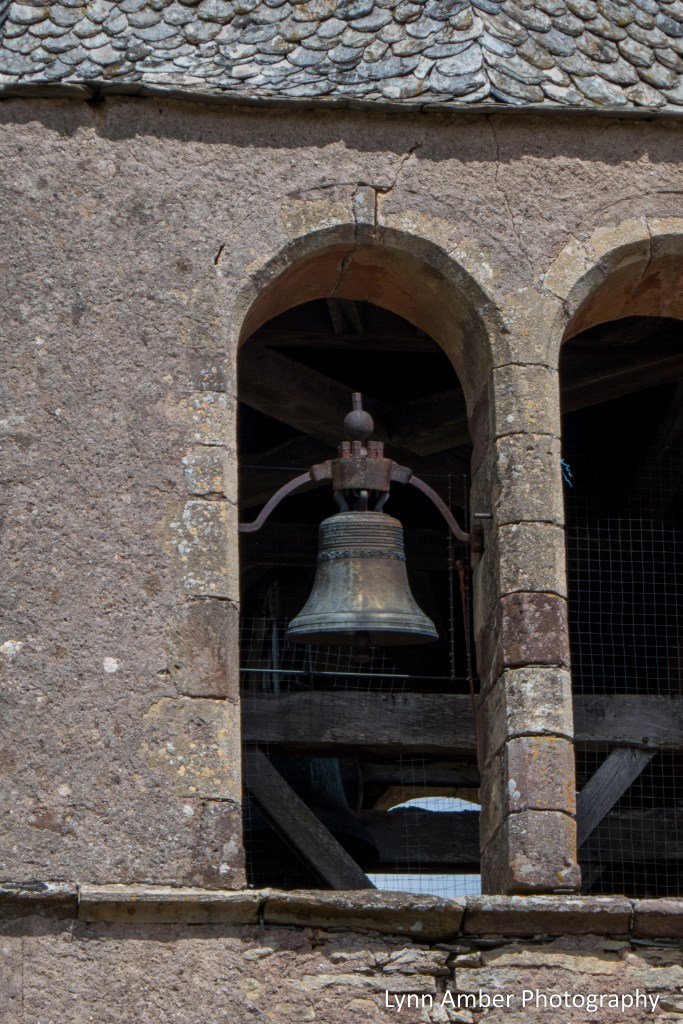
After lunch, I took some time to visit the Eglise de Trédou – one of many churches along this stretch of the “chemin”! The exterior architecture is very basic with stucco/stone walls and slate roof and appeared to be somewhat in a state of disrepair. I was pleasantly surprised when I walked inside – the simplistic decorations and white walls brightened up the interior.


I started to notice the many ways in which the stations of the cross are depicted in the various churches. In the Tredou church, they were simple painted tiles attached to the interior walls around the perimeter of the room.


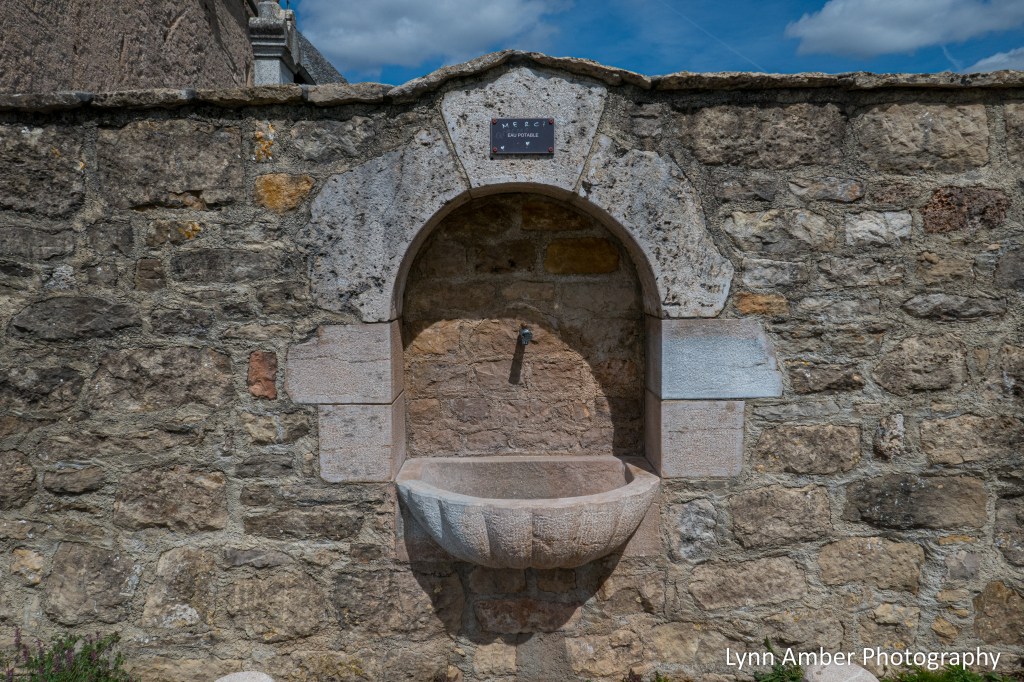
As with all cemeteries, there is potable water available.

With the day getting on and more than 5.5 kilometers to go, I continued on to the little village of Verrières where there is another ancient church – the Chapelle Saint-Michel. The route passes through some open pastures and by many old buildings.


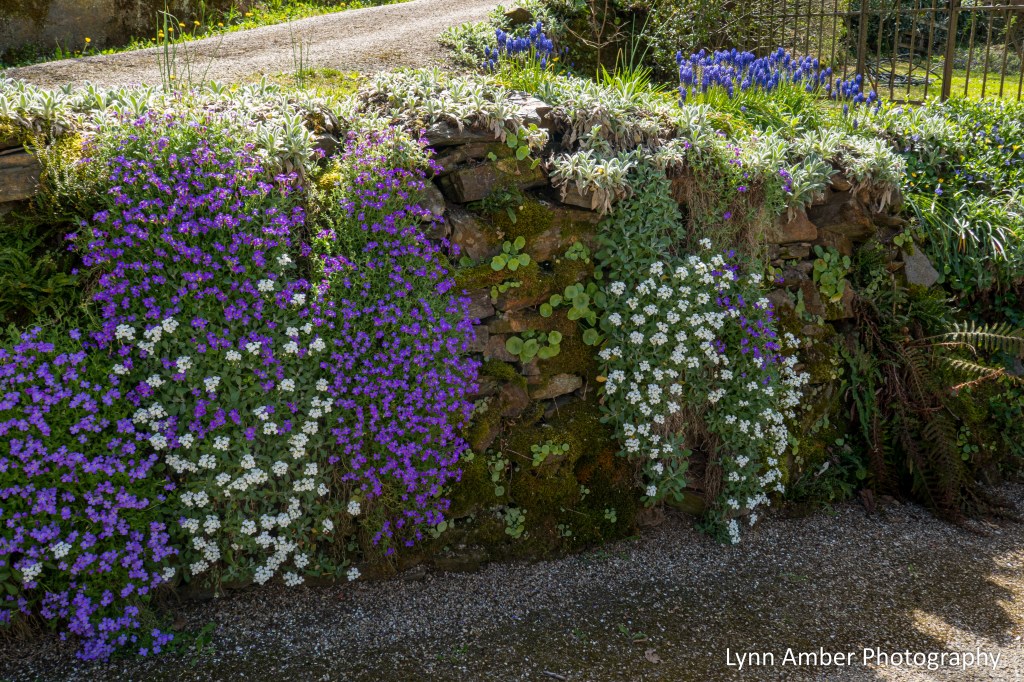
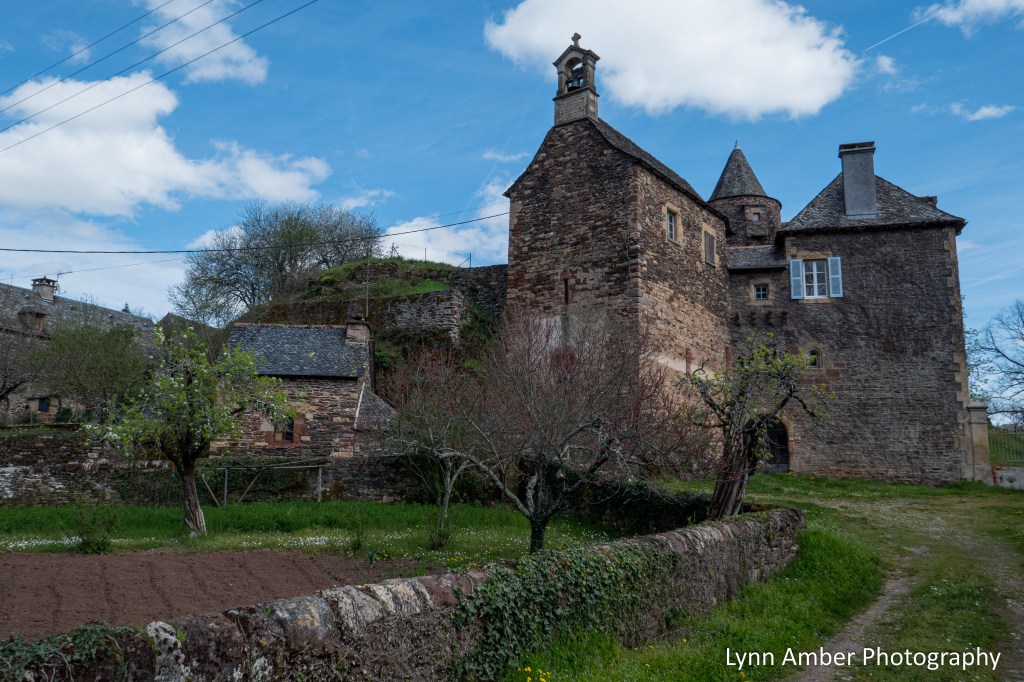


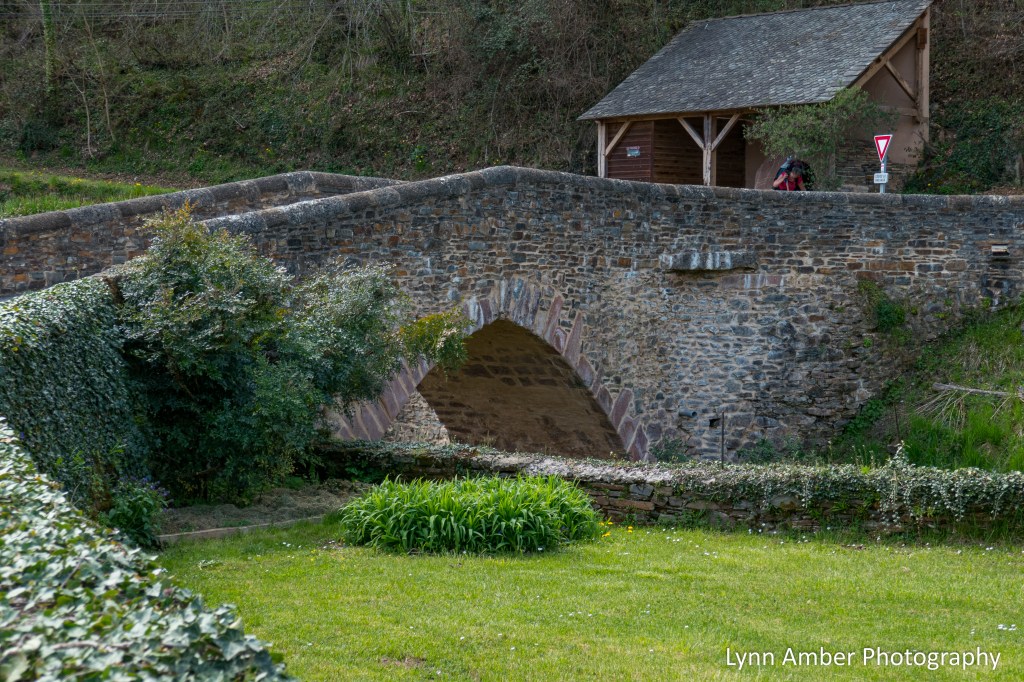

Leaving Verrières, the Way travels along minor roads and there is a short up and down along a footpath before dropping down to the Lot River that flows towards Estaing. When I reached the path along the river and caught my first sight of Estaing, I was blown away by the “fairy-tale” picture presented to me.
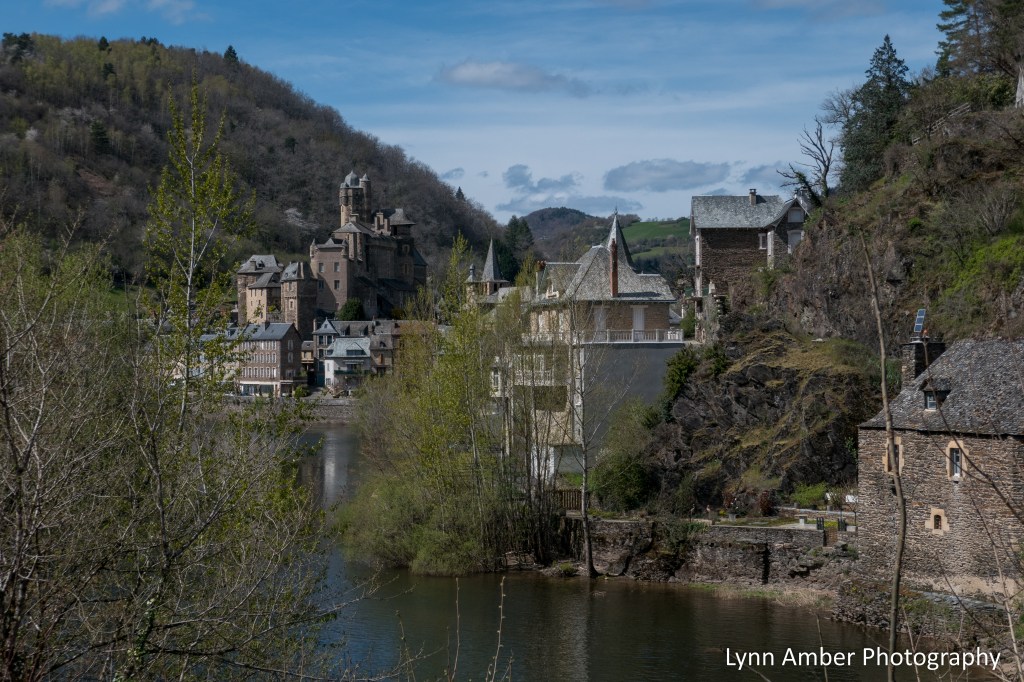
More to come on our evening in Estaing, and tomorrow’s walk!
 Lynn Amber - Travel & Photography
Fantastic journey. Beautifully documented.
LikeLike
Thank you! I am enjoying reliving it through these posts! 🙂
LikeLike