Lynn Amber - Travel & Photography
sharing my thoughts through words and images
Le Puy Camino – via Podiensis: Aubrac to Saint Chély-d’Aubrac
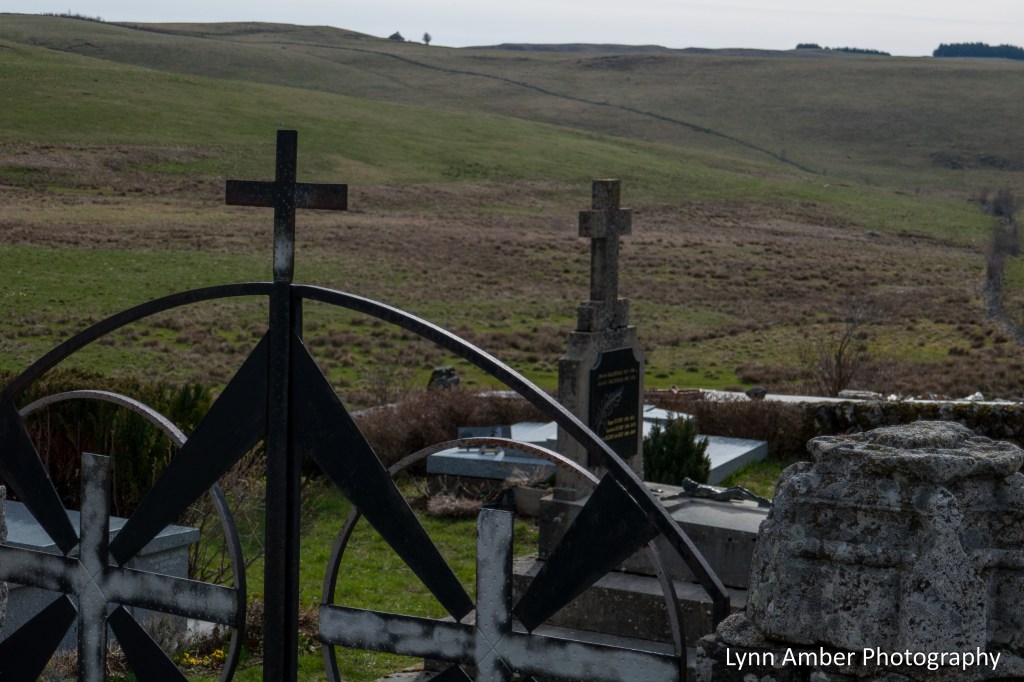
April 8 and 9, 2023
Our overnight stay in the village of Aubrac was nothing short of luxurious! As soon as I arrived in the town, I went in search of our accommodations – the Chambre d’hôtes La Colonie. We were spending a little extra to stay here mainly because it was one of only two gigs in town and the other one was not yet open for the season! While there were other accommodations, they were not part of the Malle Postale luggage transport so they were off limits to us.
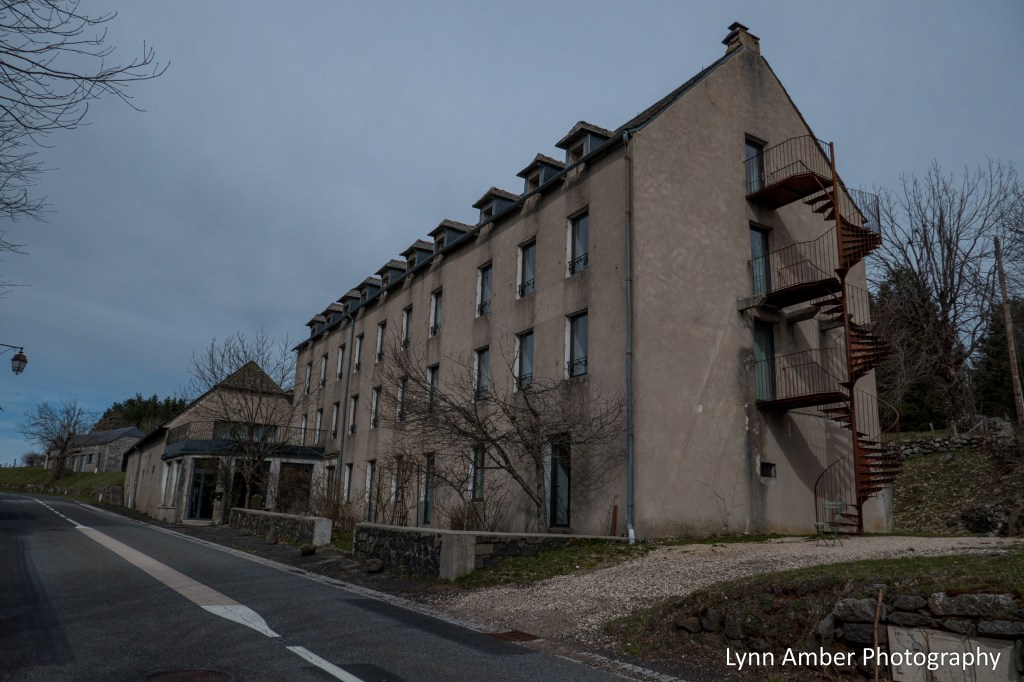
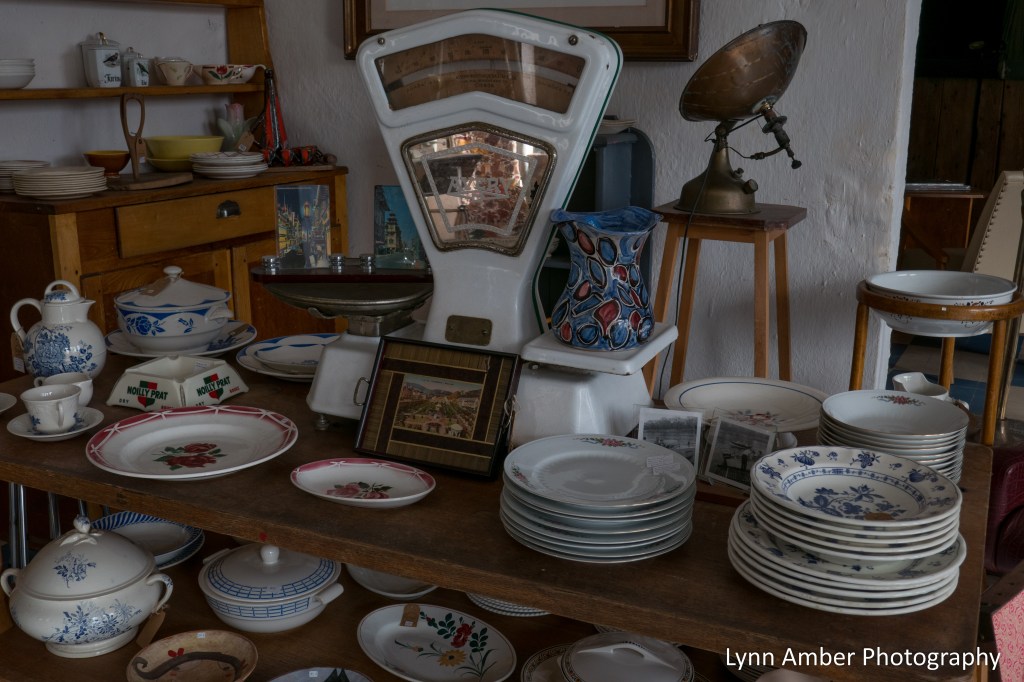
The hotel sits on the main road at the one end of town. I felt like I had walked back in time when I entered the lobby. It’s a quaint hotel filled with antiques and memorabilia and has a comfortable atmosphere.

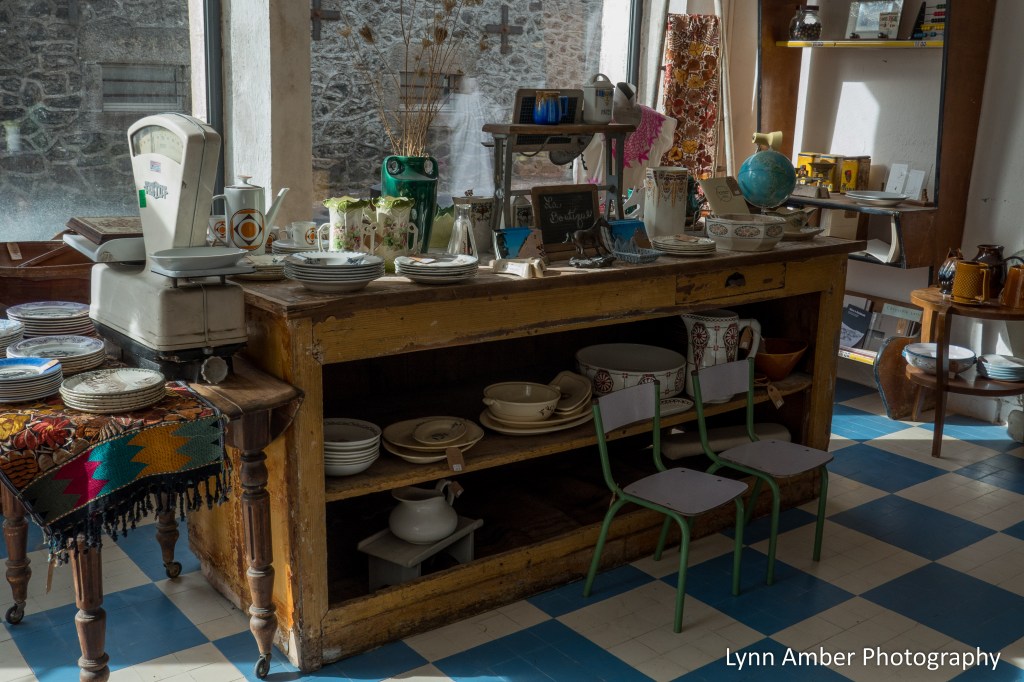
The lobby housed an antique store loaded with all kinds of interesting objects and collectables. I wandered around for quite a while taking it all in!
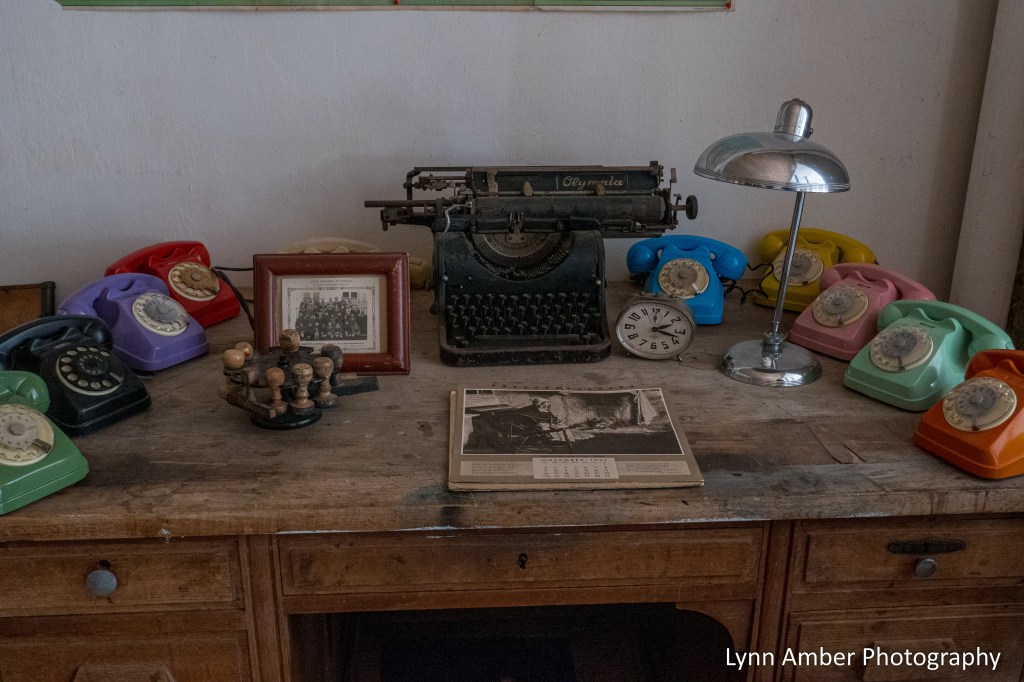

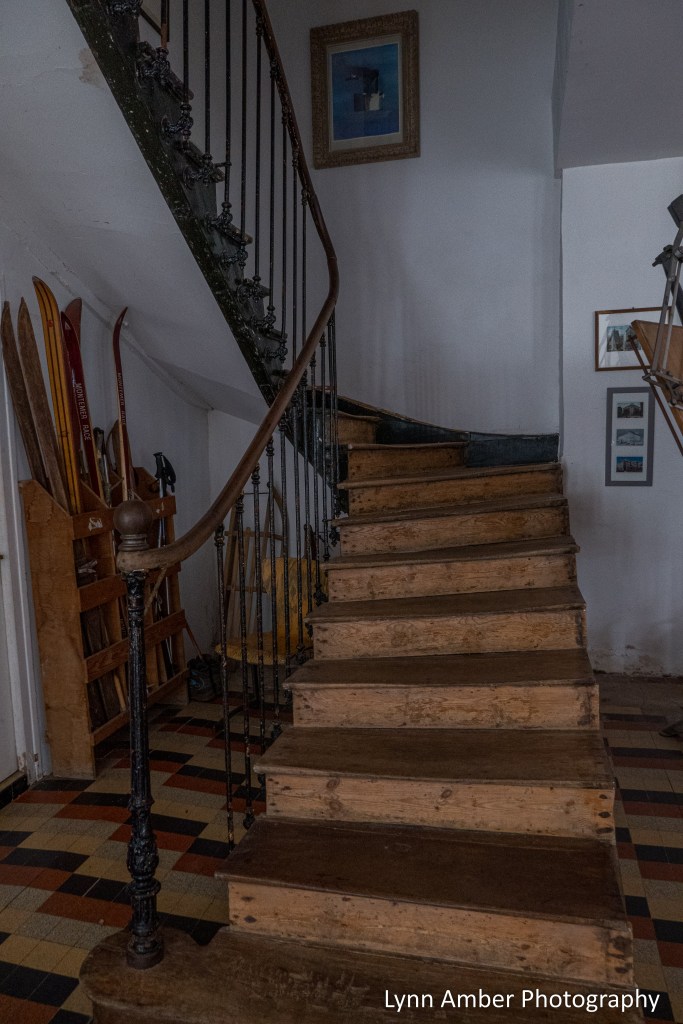
After checking in, I was ushered to our room which turned out to be nicer that anticipated. I think there was a cancellation and we were treated to a larger room with our own bath – at 50 euros each – a bargain!

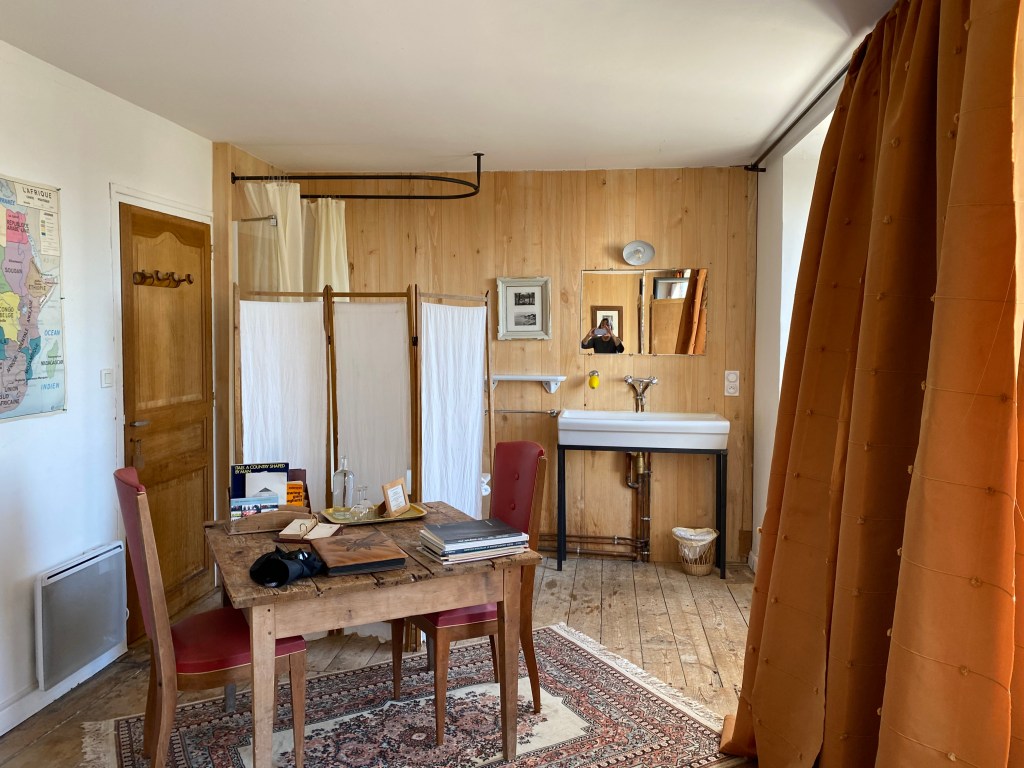


It had warmed up enough towards the afternoon that I could open up the windows and let the fresh air into the room – to help with drying my clothes.
Unlike most accommodations that include dinner and breakfast in the cost, our 50 euros only got us the room and breakfast. Since there were no other options for dinner in town, we chose to enjoy a gourmet meal here at La Colonie for 42 euros each – which sounds like a lot but it was a first class meal complete with wine and a 4-course menu. We truly felt pampered.

The following day we had a short walk to the next town – 7.7 kilometers only – so we took our time wandering around Aubrac and visiting some of the sites.
The village of Aubrac is tiny with only a handful of houses and other buildings and it is the center of the Parc naturel régional d’Aubrac. The town was founded in the year 1120 by a Flemish knight, Adelard de Flandres, as a resting place for pilgrims. Legend has it that Adelard was on a pilgrimage to Santiago de Compostela and, while walking across the treacherous Aubrac plateau, he vowed to build a domiery to welcome other pilgrims and provide them with shelter.
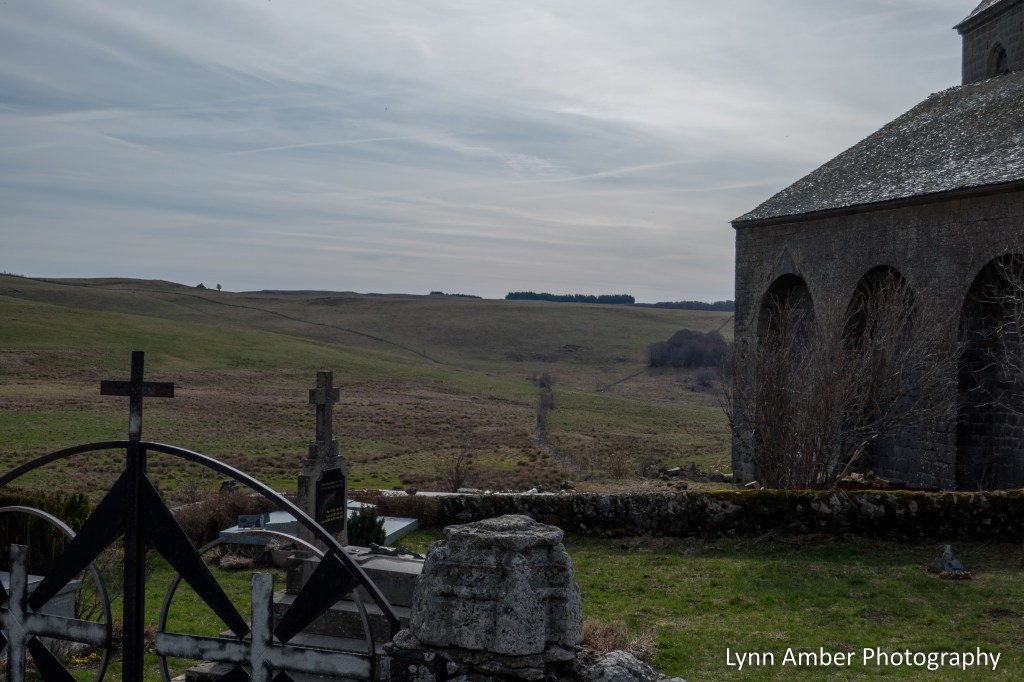
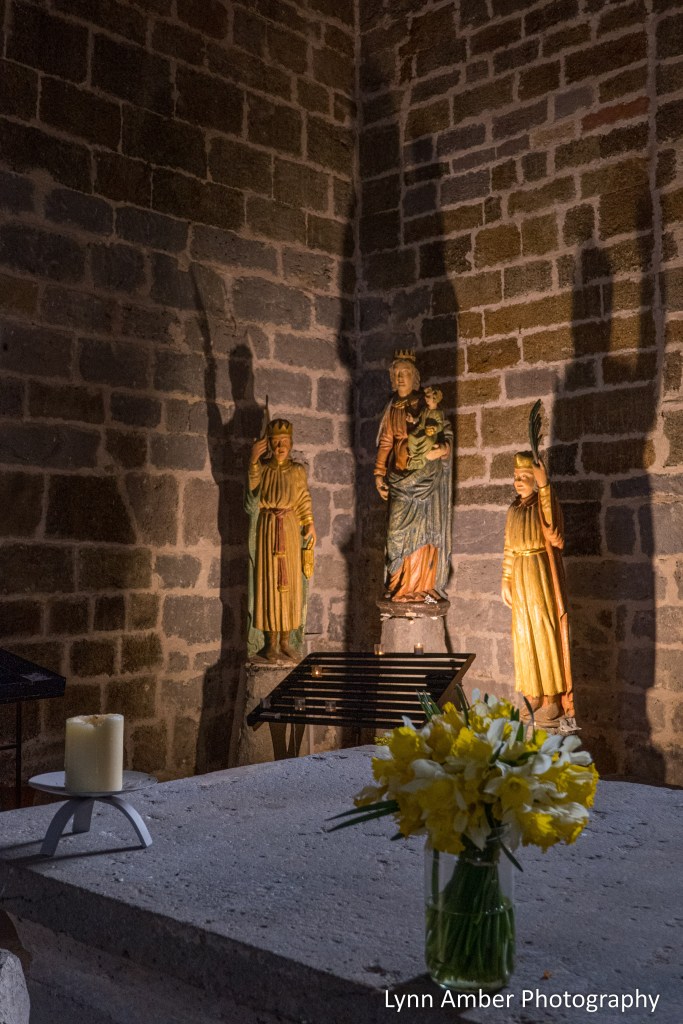
The Dômerie d’Aubrac was founded in the 12th century and housed a community of monks who devoted their lives to prayer and welcomed pilgrims, the sick and the destitute. The remains of the domiery include the church, the English Tower and the l’hôpital. Built in the 15th century, a group of about 30 “sisters” cared for sick pilgrims and the destitute. The different levels of the l’hôpital included a kitchen, a men’s dormitory, a ladies room and a chapel. In keeping with the local architecture, the structure is built with local basalt stones created during the area’s volcanic era. Also common to this area is the use of slate for roofs – with a “fish-scale” pattern. The tall tower known as the La Tour des Anglais (the English Tower) was built during the Hundred Years War as a fortification and now serves as a communal gîte – although it was not open when we were there.

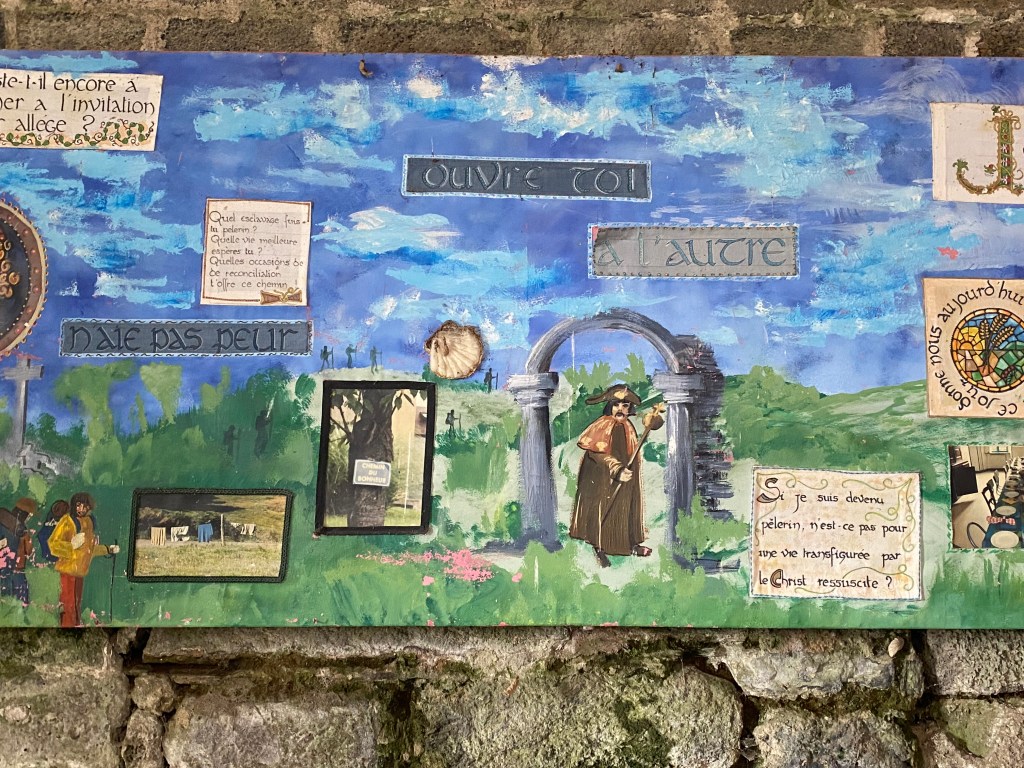
The Eglise Notre Dame des Pauvres sits adjacent to the tower and has an interesting mural on the wall that depicts the town’s history. The interior of the church is rustic with simple wooden chairs instead of pews.

A major festival takes place here in Aubrac towards the end of May – the annual Transhumance Festival. It is the annual migration of Aubrac cows from their winter quarters to their summer pastures. Transhumance is a type of pastoralism that refers to the practice of herders moving their livestock between winter and summer pastures. The festival involves the movement of the cattle from Aubrac to Saint Côme d’Olt over several days. The cattle are decorated with flowers and flags and there are many festivities along the way.
Planning Tip: Pilgrims beware!! While it might seem like fun to be here during this festival, accommodations are scarce and booked a year in advance! Best to avoid traveling through here during the festival unless you have prepared well in advance.

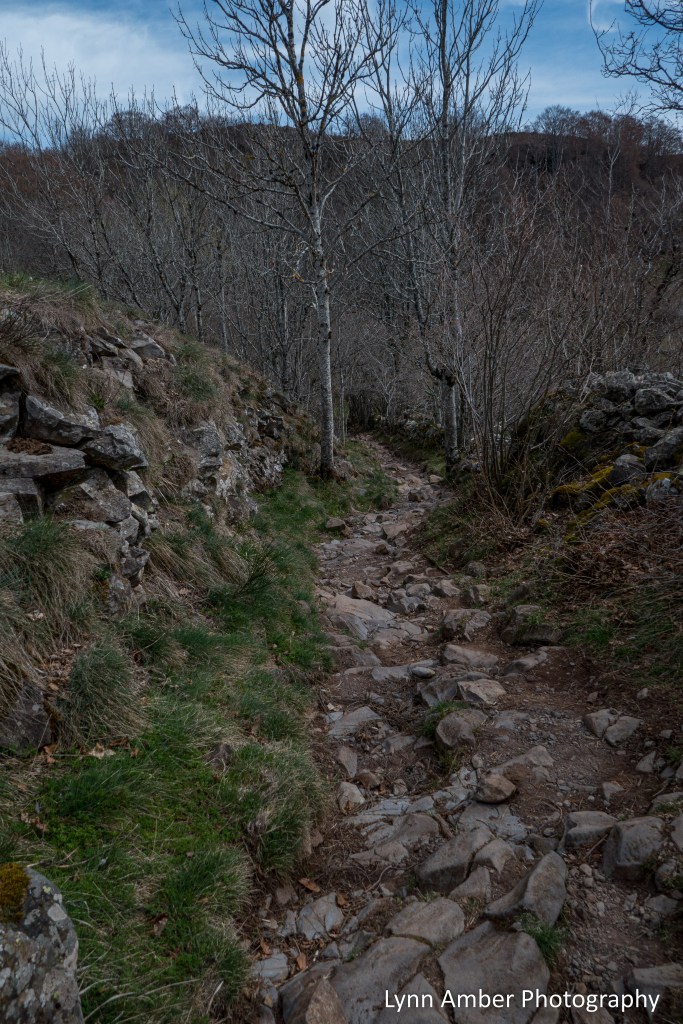
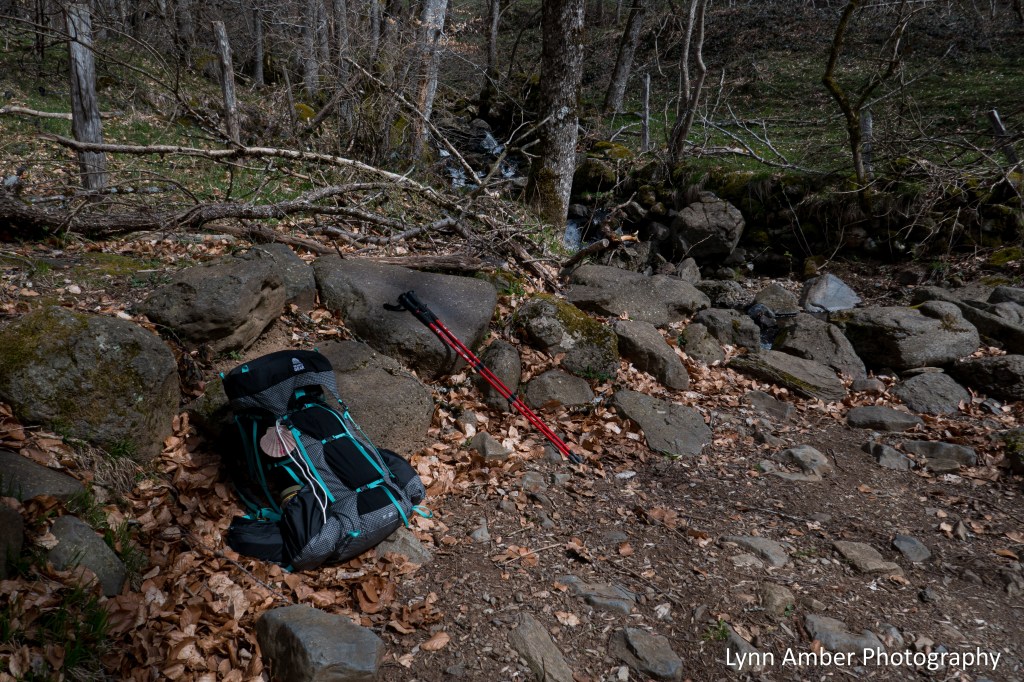
The walk between Aubrac and Saint Chély d’Aubrac was a lightly forested and rocky trail with so many wildflowers along the way! It’s a good thing that the walk was short today as I stopped for many photographs along the way.
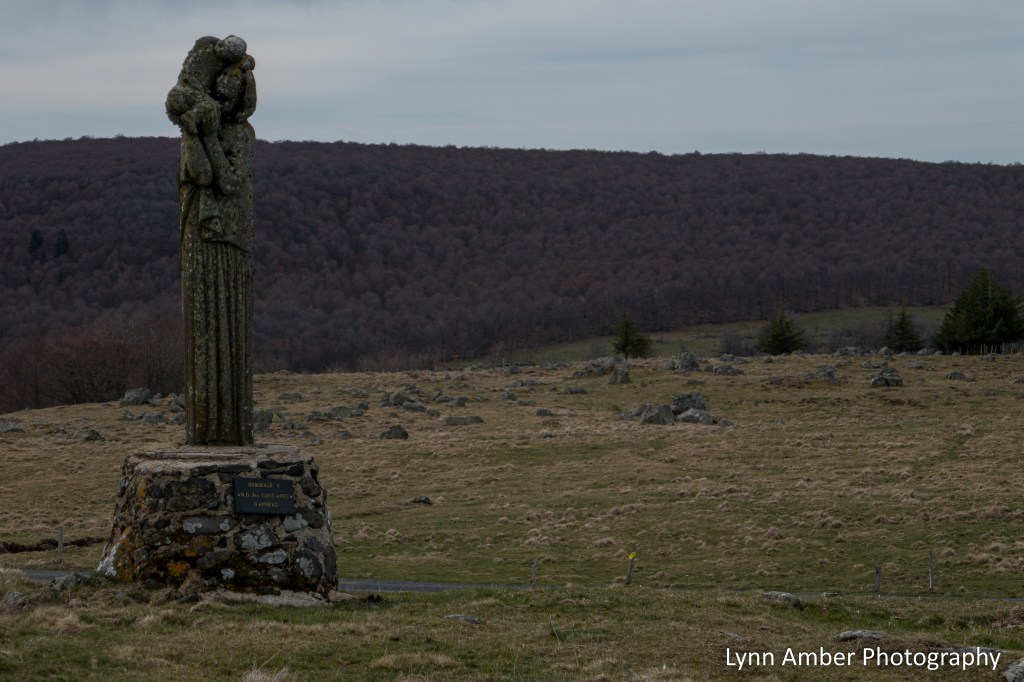
Just outside of town along the GR65, I came across this statue – the plaque reads: Hommage a Notre Dame des gentianes d’Aubrac – a tribute to our lady of the gentians. Gentians are native plants to the region and the yellow gentian is a tall, yellow-flowered plant whose roots are used to brew a ligueur called Suze. The plant is not in flower until June – so no sightings of this!
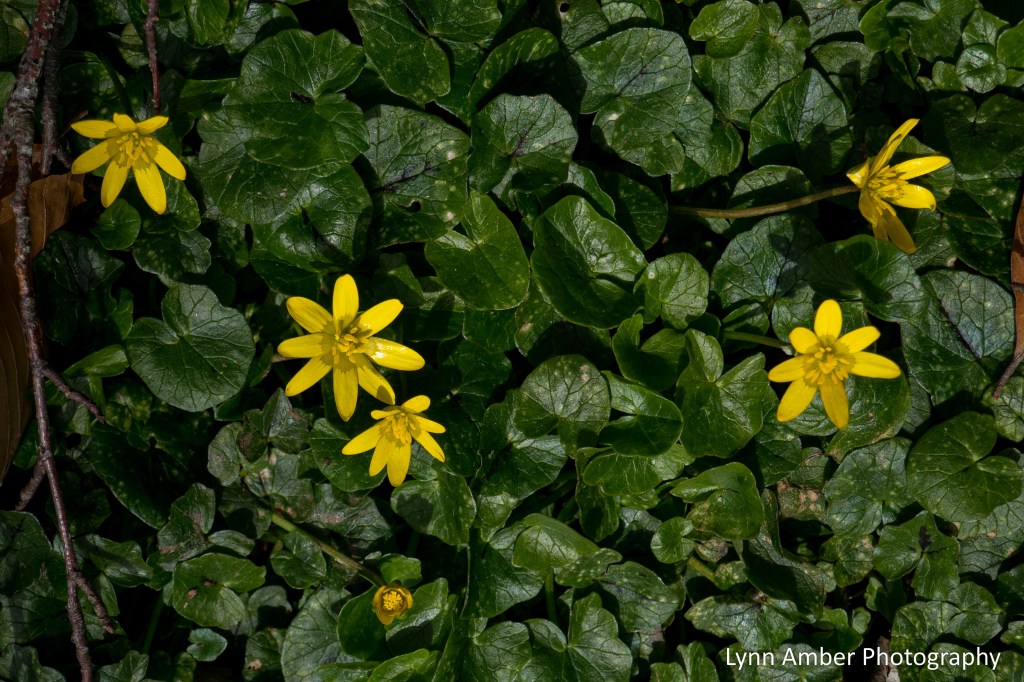
Some of the wildflowers I encountered along the Way to the next stop included:


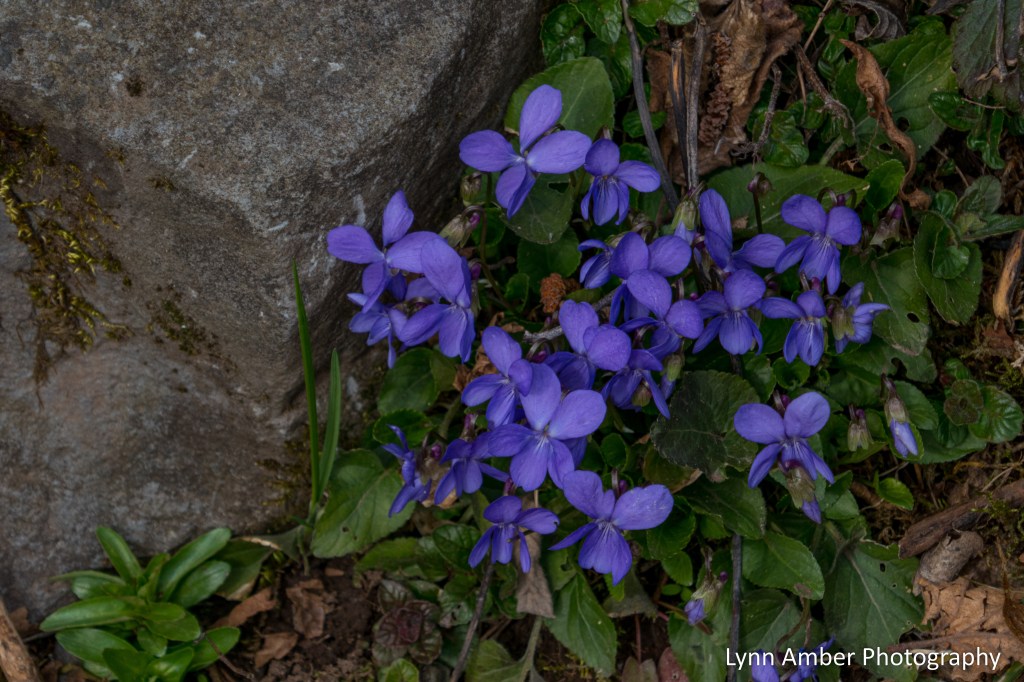
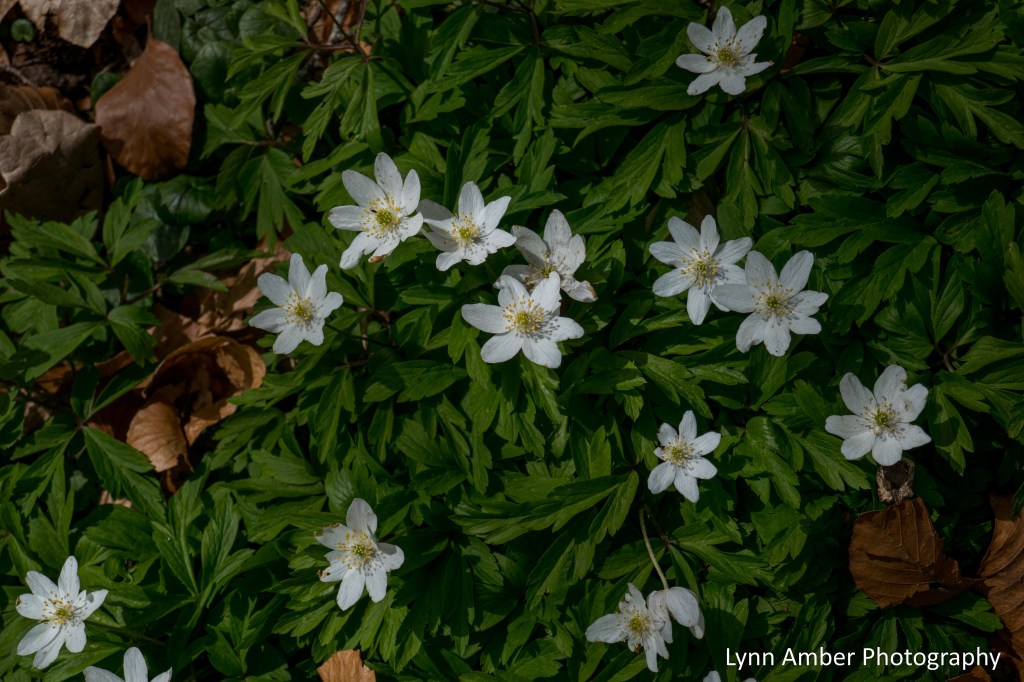

Most of the walk today was along dirt trails with some occasional minor paved roads.


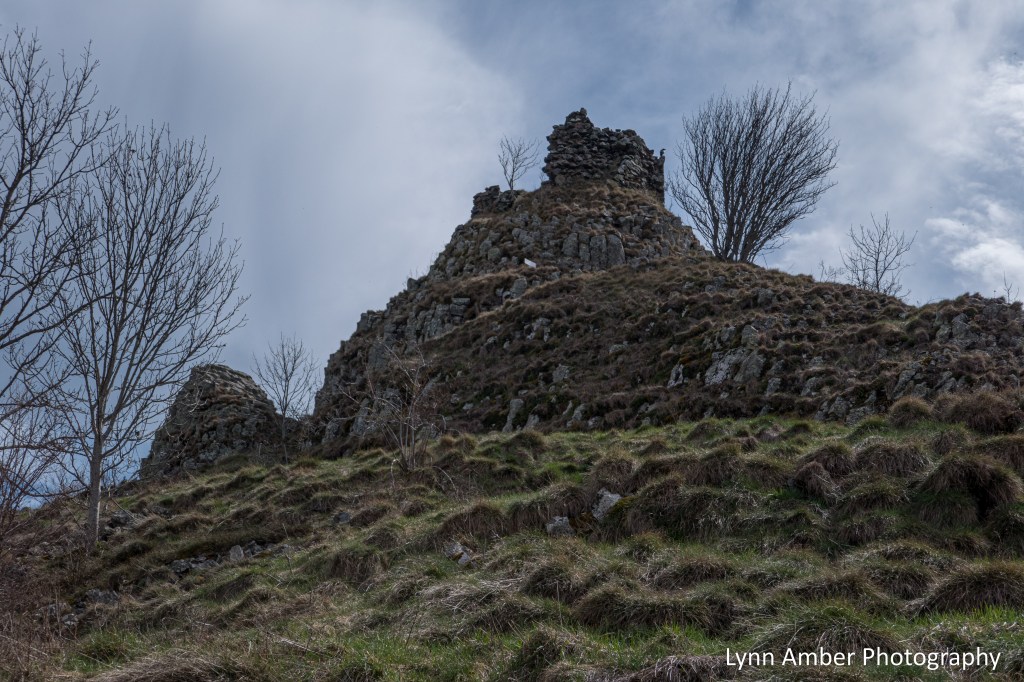
Eventually, the trail traveled around an interesting geologic formation called Le Culot Volcanique de Belvezet or Volcanic Cell of Belvezet. Millions of years ago a fracture formed in the ancient base in this area and volcanic explosions formed this small cone of slag with a chimney in it’s center. I could see this for miles before reaching it – so it was fascinating to discover what had formed this stone feature.
After leaving the dirt trail and moving on to a small paved road, it was obvious I was approaching Saint Chély-d’Aubrac. There was an ornate water spigot along the road with a tile design honoring the Camino.

And also a welcome sign for the village:
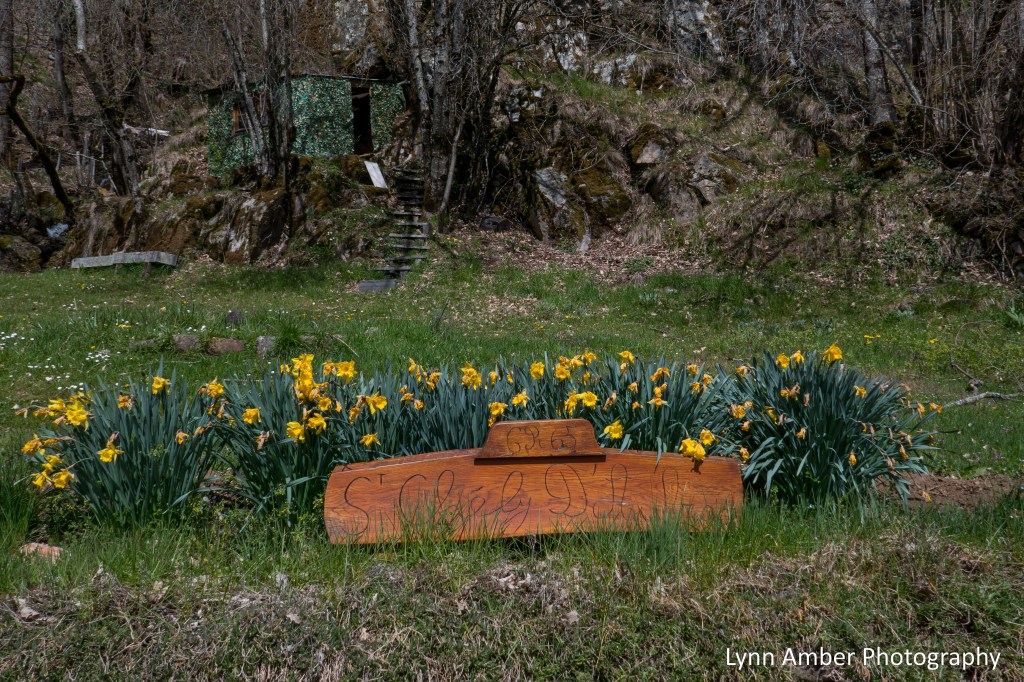
There is a steep descent coming into the town of Saint Chély-d’Aubrac and our accommodation was along this descent. However, I was way too early to check in so I noted where the Gite d’étape Saint André was located and continued on into town to see if I could find a place to grab a snack.
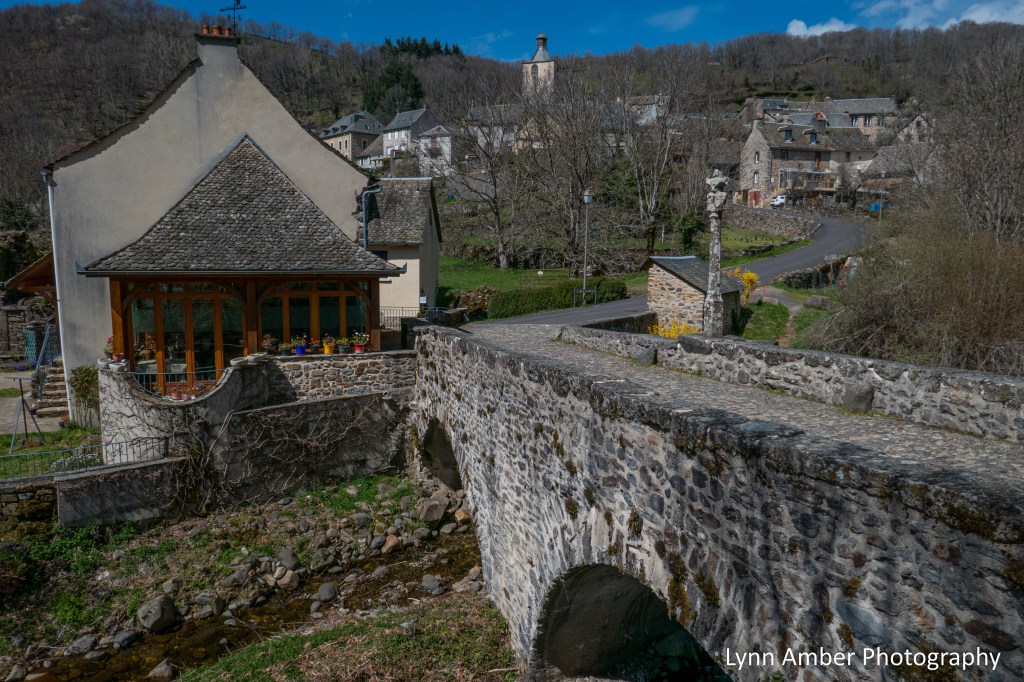
The main center of town is built around a square and I wandered through there to the opposite side of town where the GR65 traverses over the River Boralde. It was a pretty spot and I decided to eat some of my own snacks and take a break by the river.

The Pilgrim’s Bridge is an historical monument and dates back to the Middle Ages. It is considered a UNESCO world heritage site. Notice the Cross of Saint Chély on the parapet of the bridge. It is supposed to provide inspiration and courage for weary pilgrims.
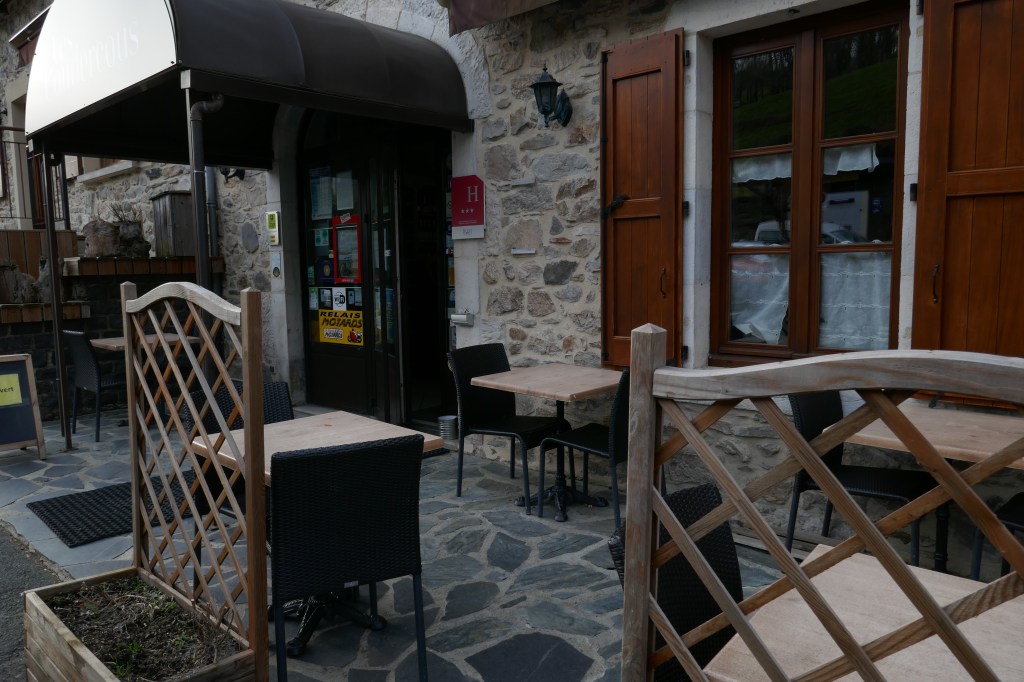
When it was getting closer to the time I could check into my lodging, I headed back into town and ran into a couple of fellow pilgrims who I had shared accommodations with before. They were seated at an outdoor cafe where their lodging was located and invited me to join them for a beer. I happily accepted!!
After enjoying a good brew, I walked back up the steep hill to the Gite d’étape Saint André and checked in. This is a more typical accommodation and we were sharing a room with several other women. It was 45 euros for room and board and there was a nice sunny balcony where we could hang our washed clothes to dry. I got a kick out of the Route US 66 gas pump memorabilia that occupied a corner of the common room here at the gîte!

The gîte was full for the night so dinner was presented on a long communal farm table and was plentiful! Tomorrow would be a long 19km walk so I ate my fill and then some!
 Lynn Amber - Travel & Photography
Lynn, I’m glad you didn’t abandon your readers at the halfway point! France has some beautiful old buildings with very different terrain from the U.S. Thanks for the great descriptions.
Stewart
LikeLiked by 1 person
Oh my goodness no – I am just taking time in between posts of the Camino to edit photos and create text – plus I’m working 30 hours a week right now – so my time is more limited! Believe me – I will continue to the end! 🙂
LikeLike
Sounds like a great place to rest after a long day of hiking!
LikeLiked by 1 person
This part of France has the best small villages – I’ve been enjoying all the places we stop – and some even better ones to come!
LikeLike