Lynn Amber - Travel & Photography
sharing my thoughts through words and images
Winter Bulbs – Amaryllis

It’s been a few years since I started winter bulbs indoors. It’s such an fun, effortless way to enjoy flowers blooming in the dead of winter! And, so very rewarding!!
I bought 2 amaryllis bulbs but only one is blooming. The other bulb sat dormant until a couple of days ago. I took it out of its pot to examine the roots to see why it did not keep pace with the one above. There were 2 new roots emerging from the bottom of the bulb so I repotted it and watered it well and it finally started to grow. So, I will hopefully have another amaryllis in flower later on! While not planned – it is actually nice to have a “staggered” bloom time!
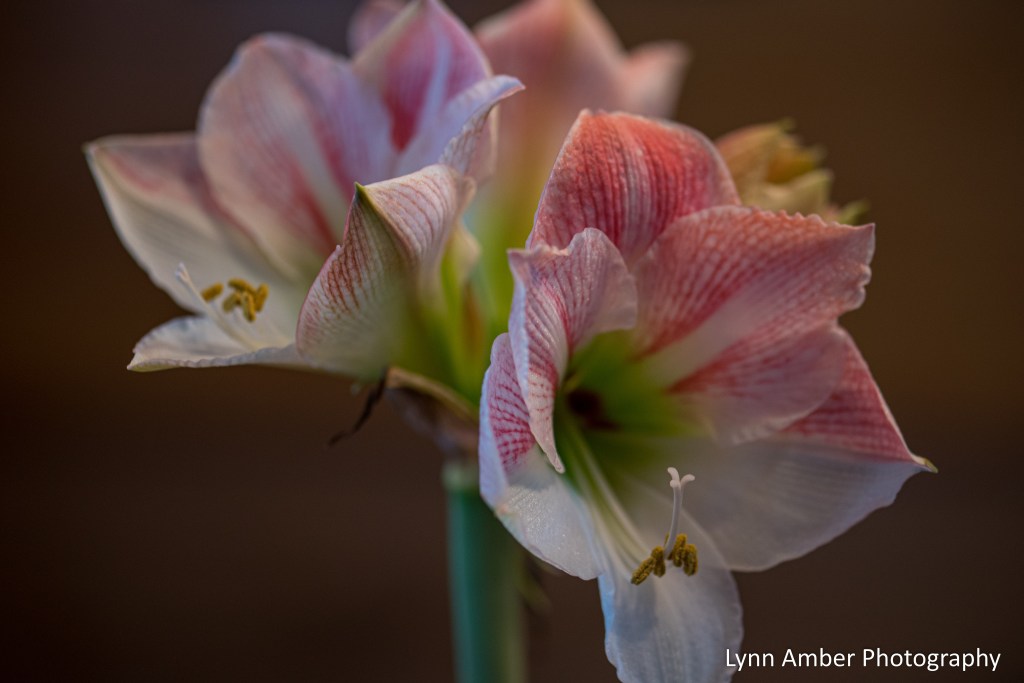
Another view of the same amaryllis with a different background.
Curling Beech Leaves
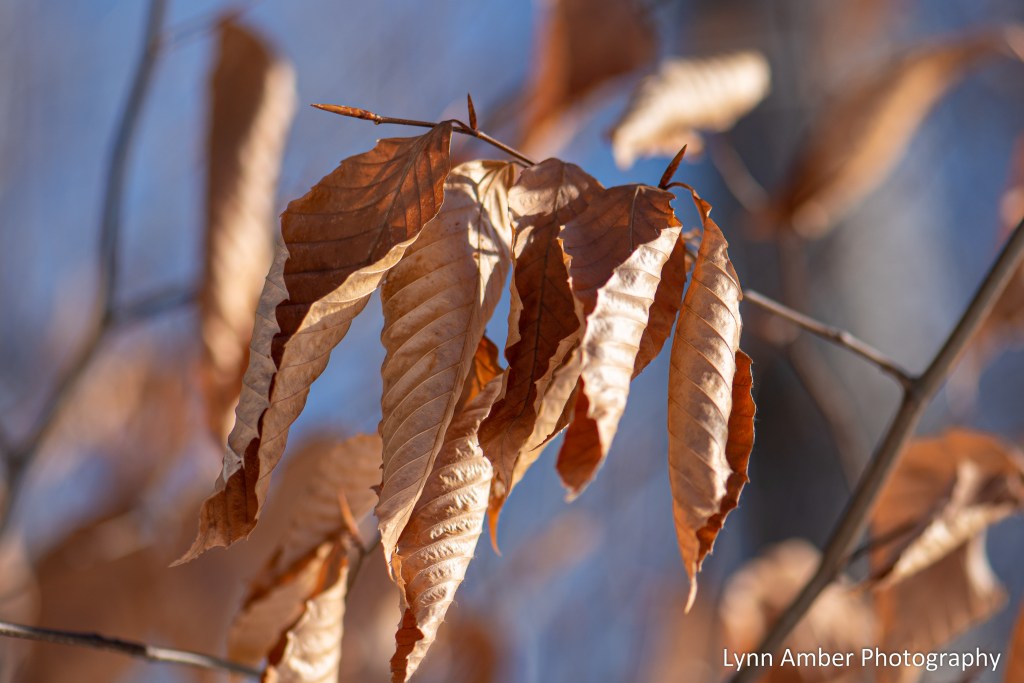
There are loads of young beech trees in our deciduous Vermont forest. The curling, marcescent leaves catch the sun in a delightful way with patterns of light and shade. I love photographing them. Notice the buds – years ago as a student of landscape design – my professor (who taught plant identification) would give us clues that we could use to help us identify plants. I will always remember his “clue” for identifying beech trees in winter – look for the “cigar-shaped” buds. Funny the things you recall from the past!
Winter Walk
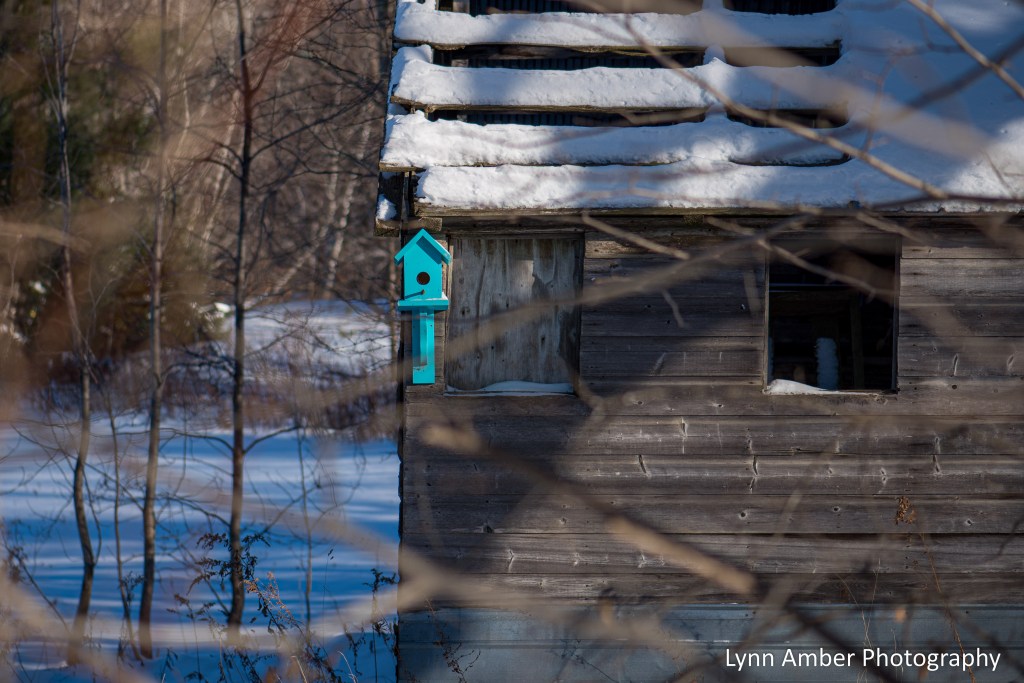
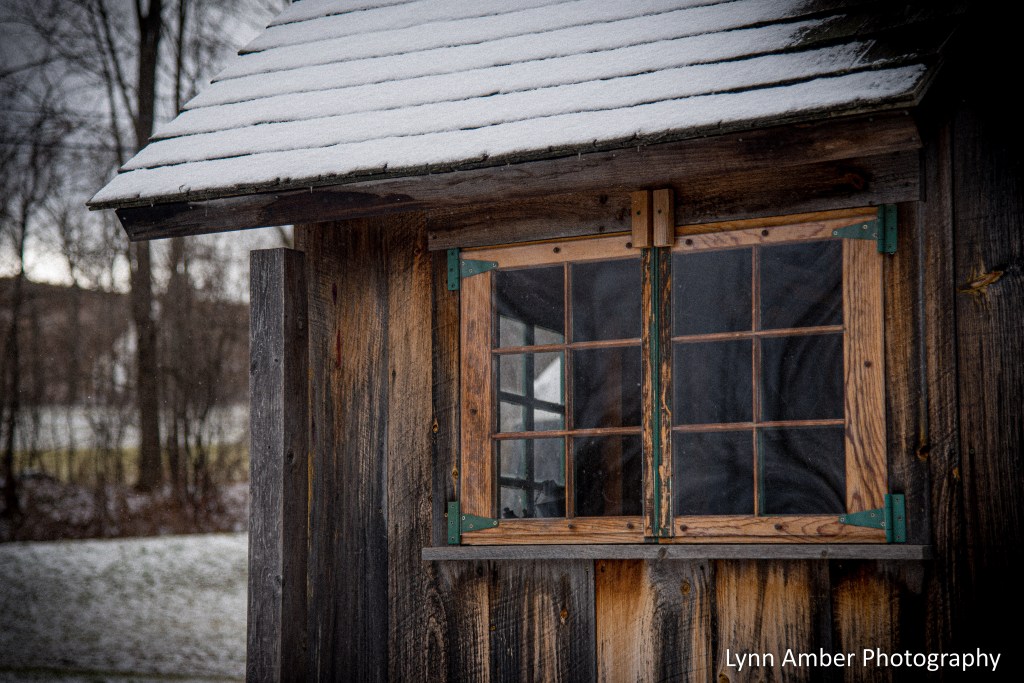
I pass by this old, abandoned sugar house on my daily walks. The current owner of the property has placed some colorful birdhouses on the building – adding a touch of color to an otherwise monochromatic landscape.
Cinque Terre Hiking Trip – Day 5
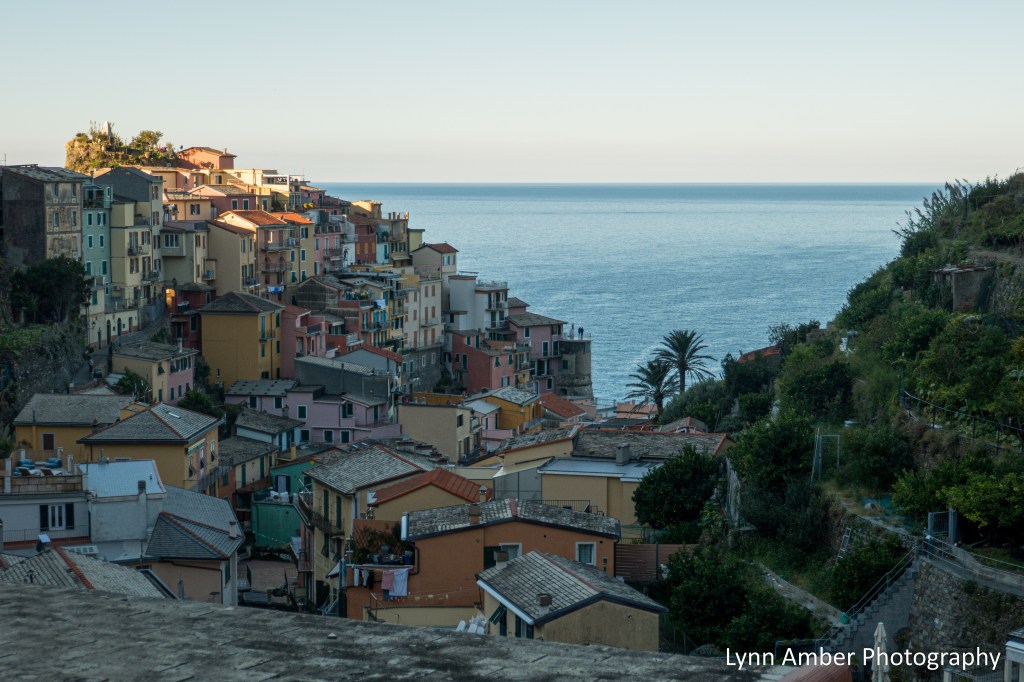
October 16, 2025 – Manarola to Corniglia
Today, we find ourselves back on the coastline of the Cinque Terre hiking a more moderately challenging trail between Manarola and Corniglia. The hike is described as a 4-mile distance between Manarola and Corniglia via the sister village of Volastra. With an elevation gain and loss of 1200′ and many very steep steps to navigate, this would be our most challenging day so far.
We boarded our motorcoach in Le Grazie for the short ride to Manarola where we disembarked to begin our walk. As with Riomaggiore, Vernazza and Monterosso, the main street has a river running underneath which was paved over following WWII. Before that, rustic stone bridges connected the two sections of town that climbed the steep hillside and were separated by the river.
Our day started with a leisurely walk through the center of town. It was still early in the day but already the tourist crowds were starting to line the streets. As with the other Cinque Terre villages, Manarola is a colorful, vibrant space.
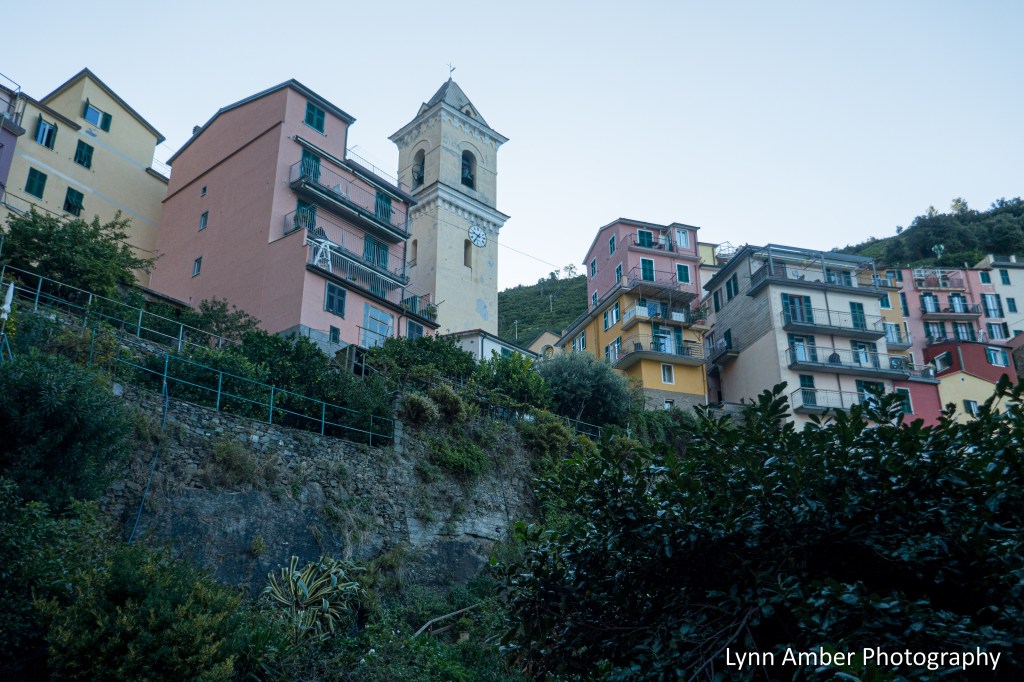
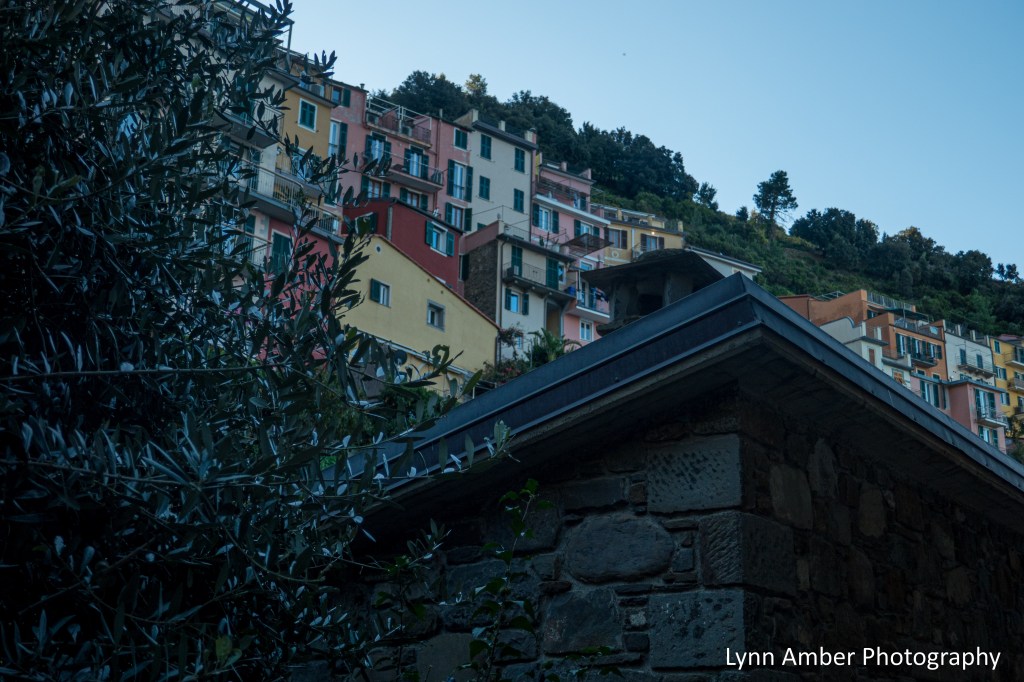

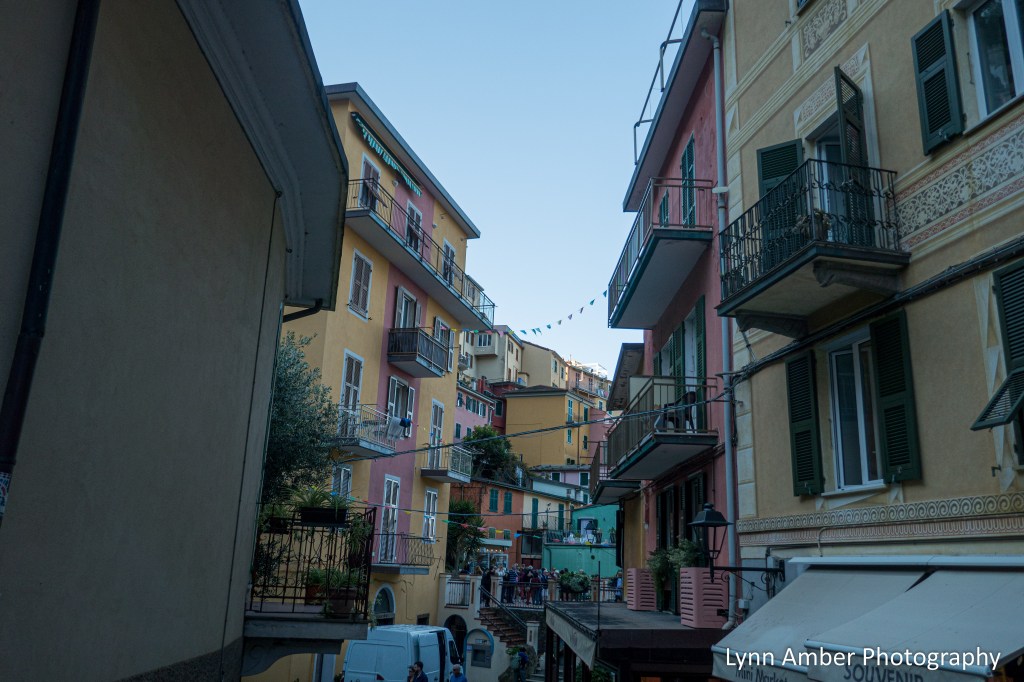
We eventually came to the Piazza Capellini which is a relatively new square with a colorful mosaic as its centerpiece. It is one of very few flat spaces in the town and our guide said it is often used by school children to play soccer.

Along one of the streets, a delightful little fish vendor was pulled up selling the fresh catch of the day. I’ve never seen this before and it sure looked good!
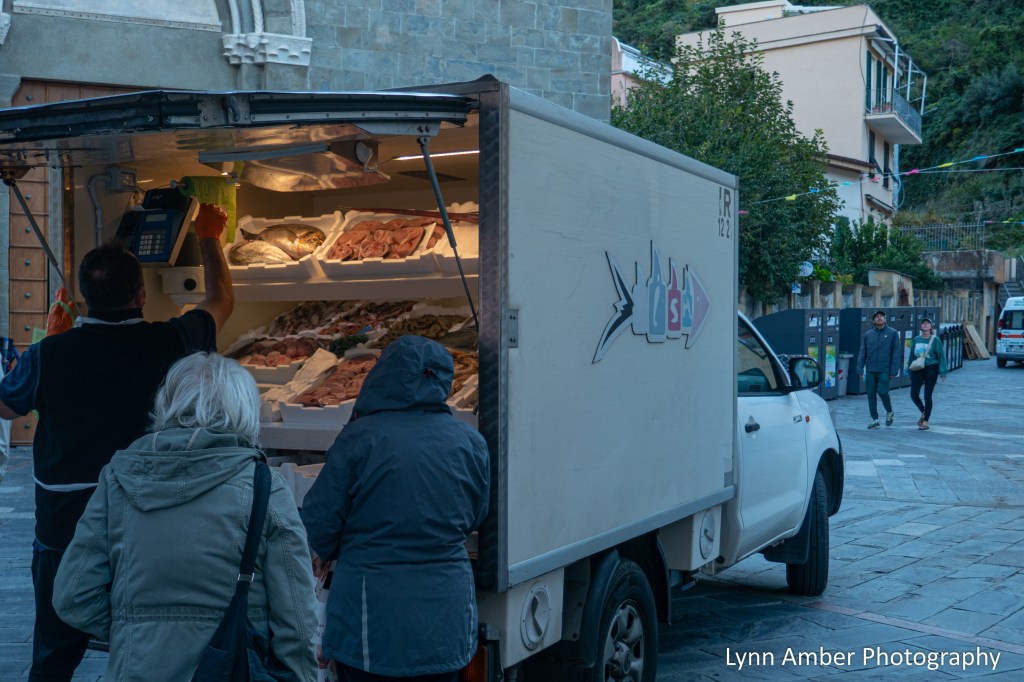

Eventually, the waterfront appeared and we could see the small breakwater that was built to shelter the tiny harbor. There is a large crane that exists for lowering boats into the water and pulling them out.

From parts of the town, I could see the opposite hillside where the trails lead out of the town and towards Volastra. It gave me a hint of what was to come! Steps, steps and more steps!!
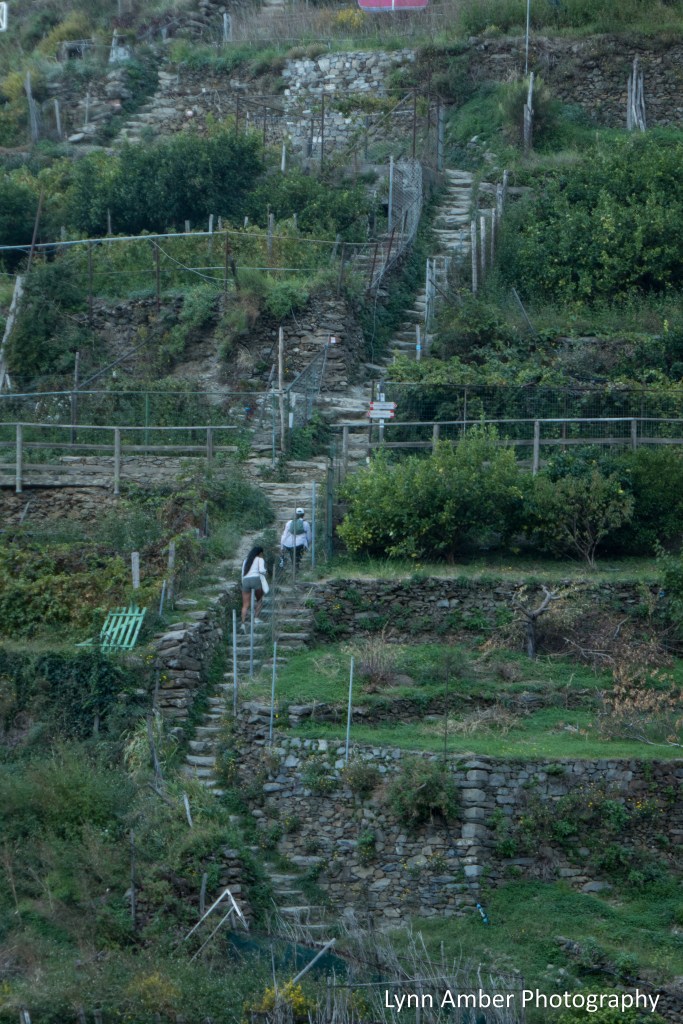
To access the trail leading to Volastra, we climbed out of the village via the Manarola Vineyard Trail that led past the cemetery and afforded us beautiful views of the town from above.
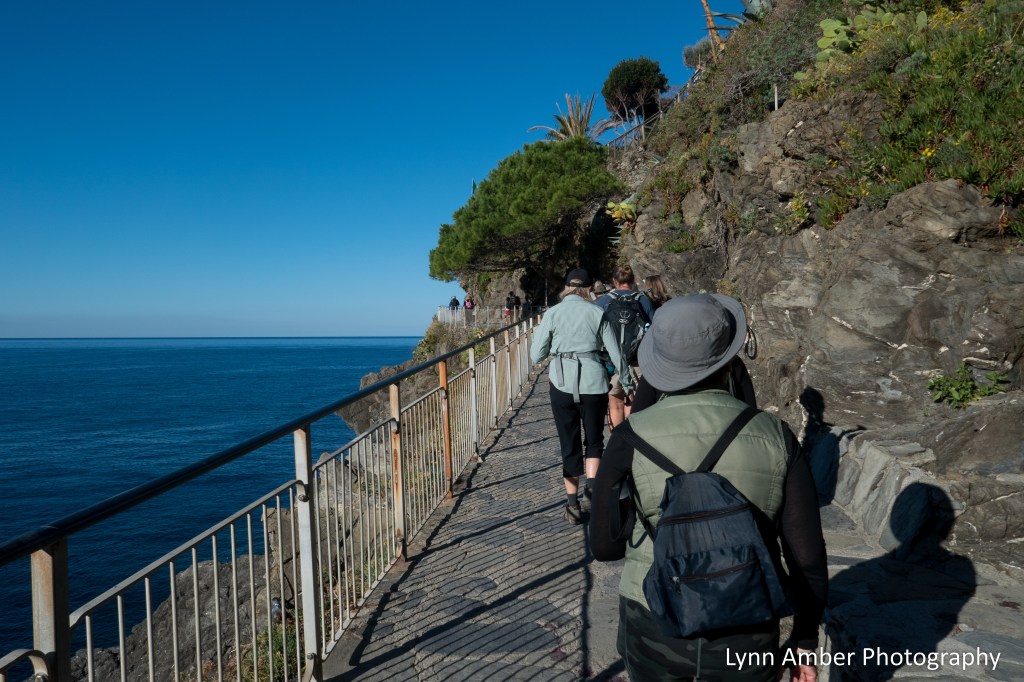

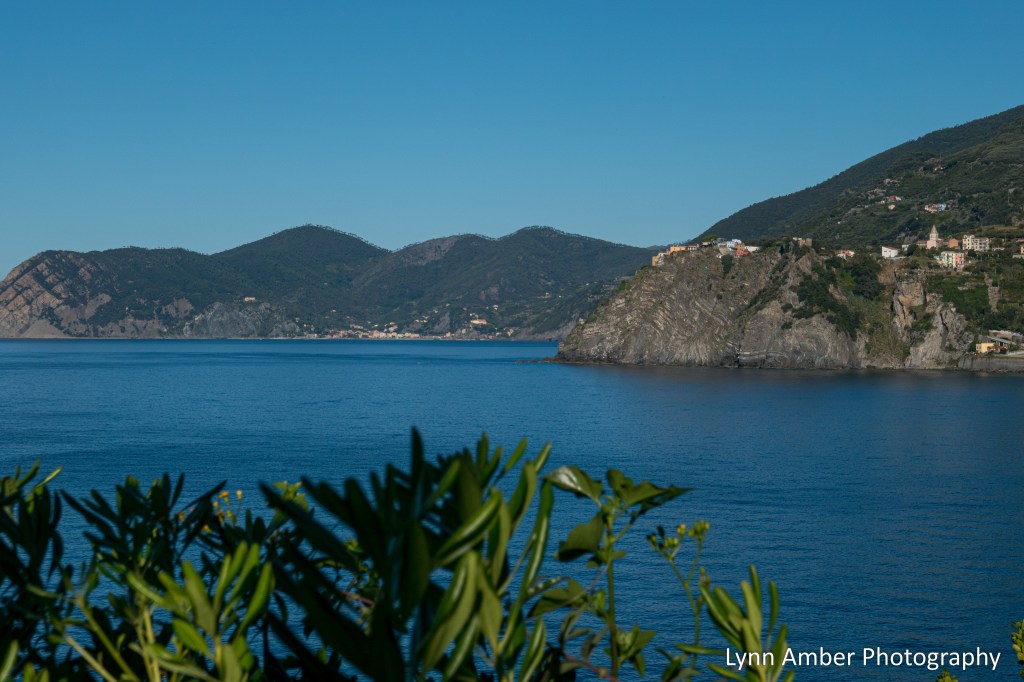
On our climb out of Manarola, we passed by a nice little restaurant overlooking the village, a park with an interesting statue commemorating the wine industry and a cemetery.


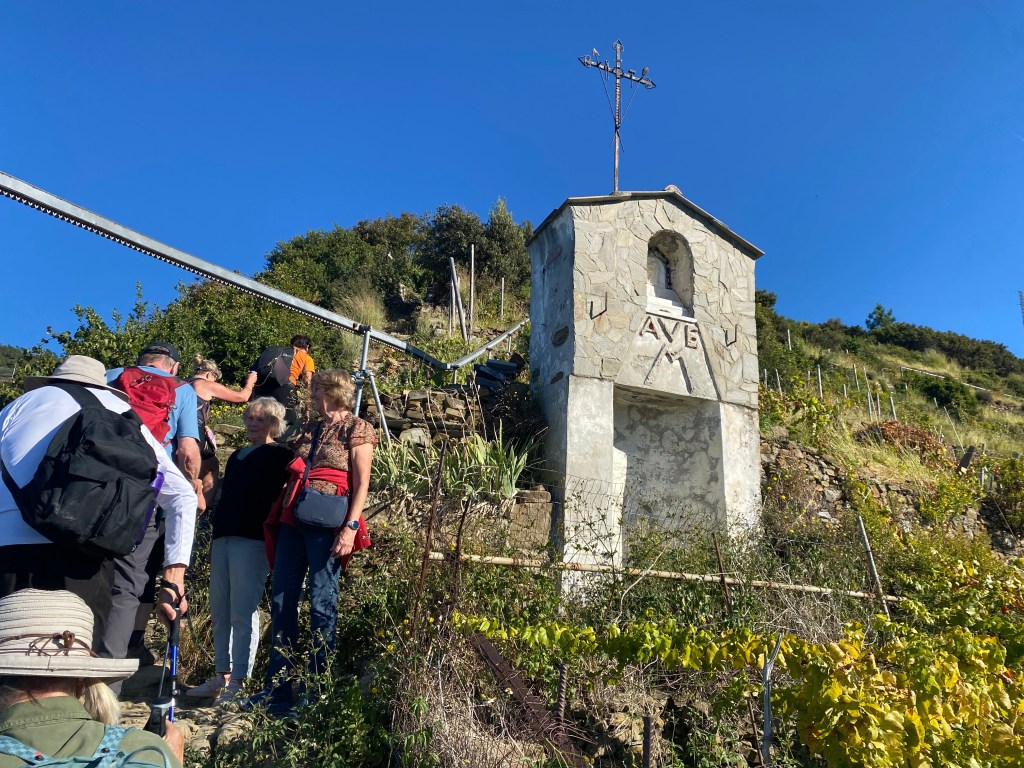
We reached the point where the trail to Volastra veered off the vineyard trail and the step climbing began! Some of our hiking group took the option to bypass this section of the trail due to the steepness and tall risers of the stone steps. They would meet up with us in Volastra – at the top of the climb.
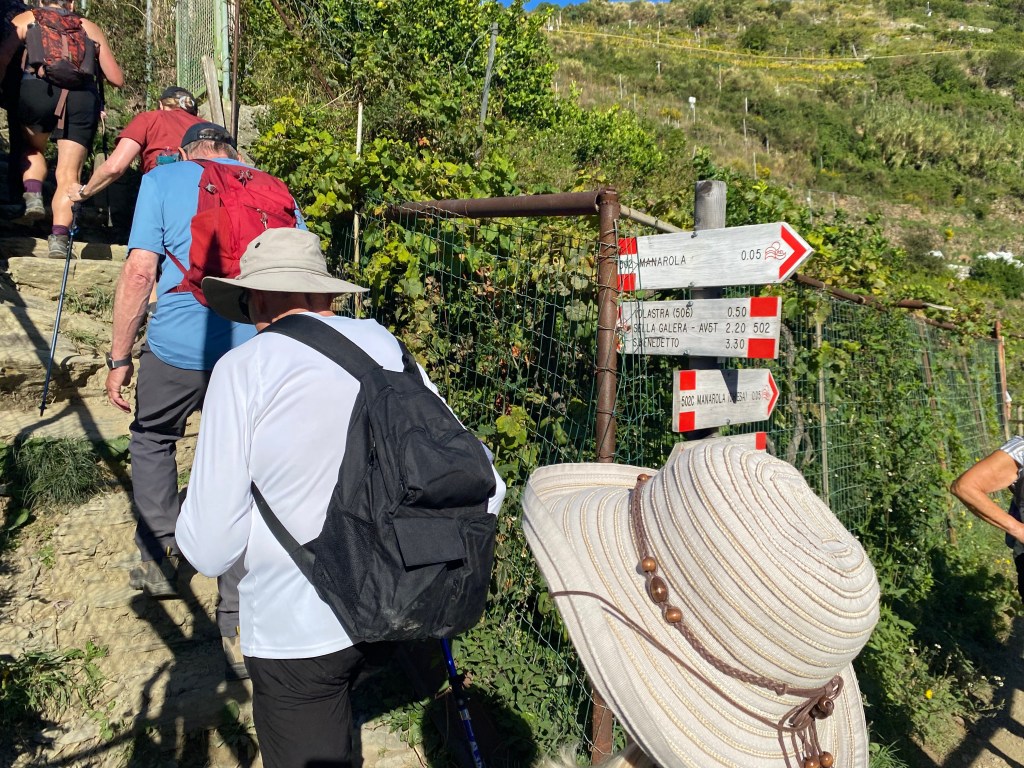
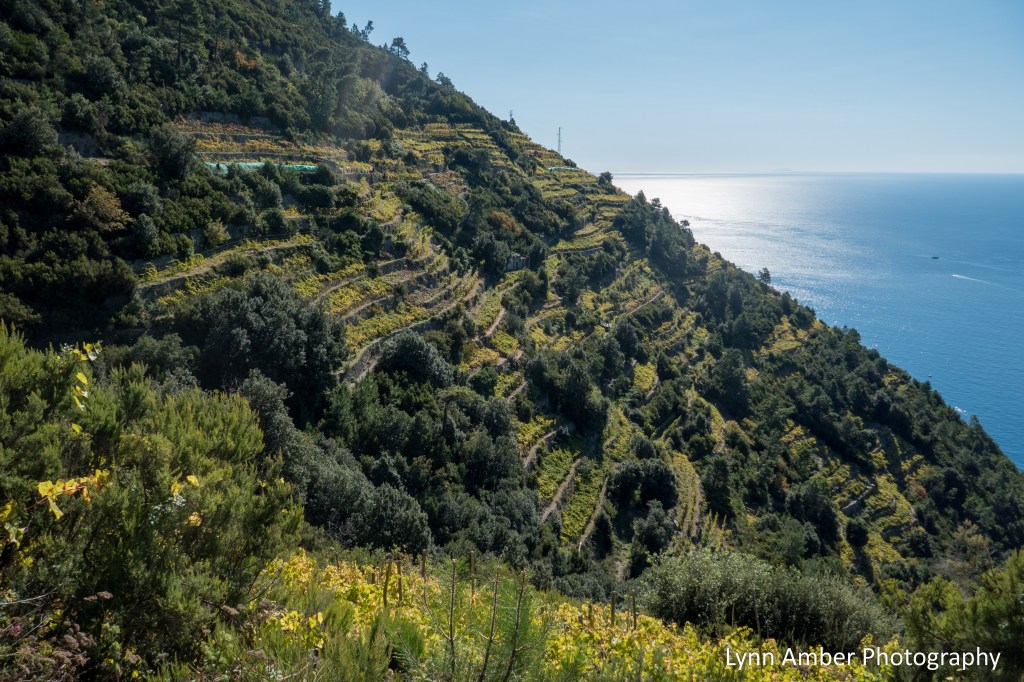
It is said that the hillsides between Manarola and Corniglia have the best, well-maintained vineyards of the region and that was evident from the views we had of the terraces as we walked through them.

Our guide told us that there would be a steep, stone step ascent initially followed by a level area and then more steep steps before reaching Volastra. We then took a break just before the second climb so we could wait for others to catch up and take a sip of water.


I could not remember if the harder of the two steep climbs was before us or behind us. I didn’t think the section we had just done was as hard as implied at the start of the hike. Our guide commented as we started the second climb that the steps were not as steep on this section and we had completed the hardest part. I exclaimed that I thought the hardest climb was yet to come and was relieved and surprised that it was indeed behind us – which elicited an amused chuckle from our guide!
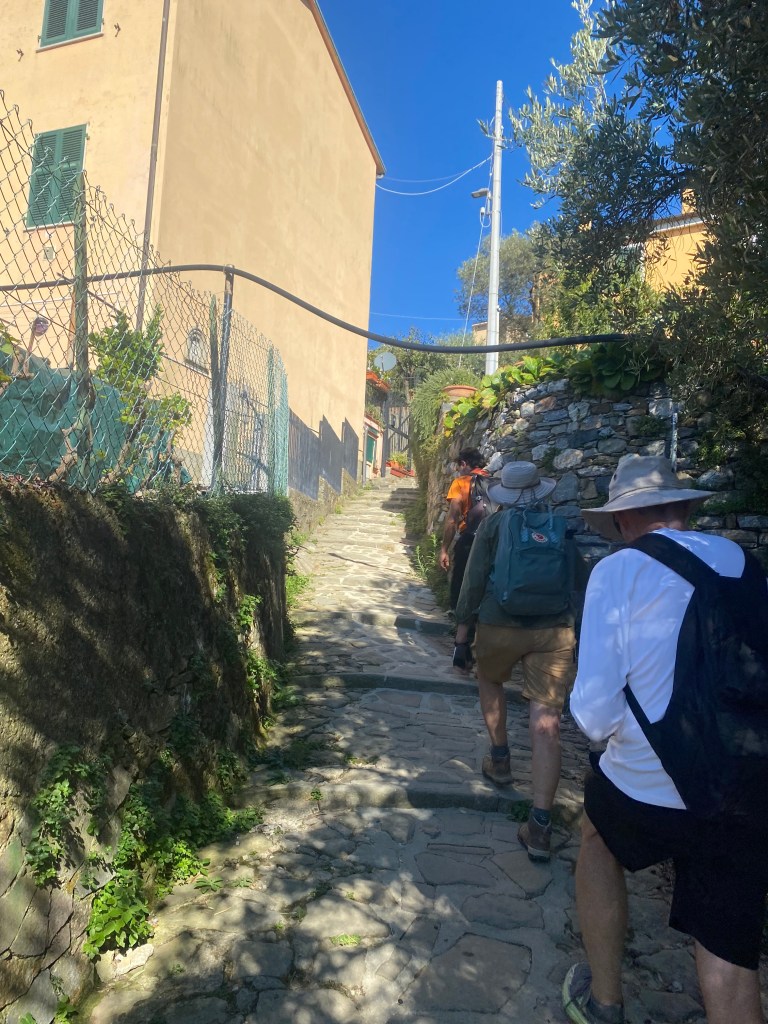
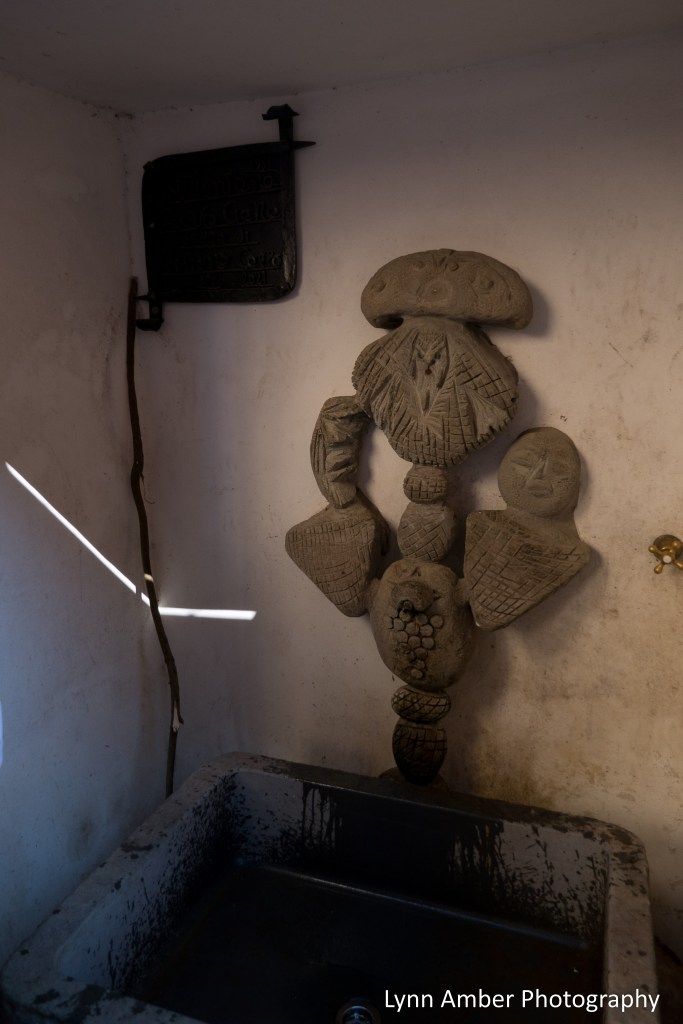
Once we reached Volastra, we took a short break, filled up our water bottles at the town fountain and enjoyed a relatively level hike before our final descent into Corniglia.

The next part of the hike was indeed one of the prettiest stretches when compared to all of our hikes. It was a dirt path through vineyards – at times, with commanding views of the coastline.

I noticed more olive trees growing on the higher elevations along the coast and wondered about the harvest. Olives are typically harvested from September through November in Italy – depending on the location. I looked for olives on these trees and found very few and asked one of our guides if they had already been harvested. I was told that the olive trees have been under stress from environmental factors and that it was not a good year for them. In Tuscany, many olive orchards are being abandoned due to the high cost of procucing olive oil versus the return. The topography of Tuscany limits the ability to mechanize much of the process and reduces profits making them less competitive globally.

Much of the trail was along the coast and afforded us some fantastic views of the steep cliffs and coastal waters.


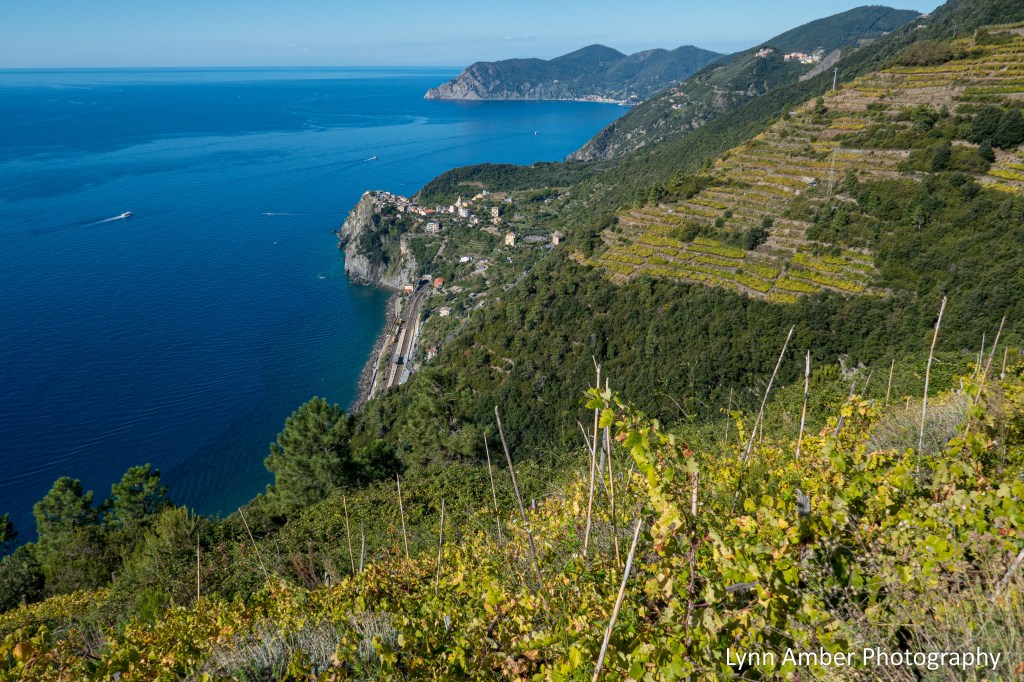


The three photos below illustrate the incredible terraces and vineyards in this area. It is still very much a labor intensive industry.


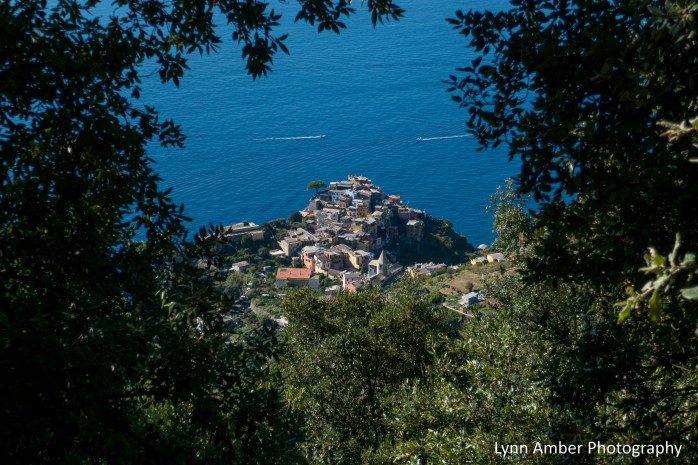
Since Boris has guided these hiking tours for many years, he knows just the right spot for a great photo opportunity! He gives us a warning and schedules our breaks at these points. Clever! Below is one such location – a view down to Corniglia framed by trees in the foreground.
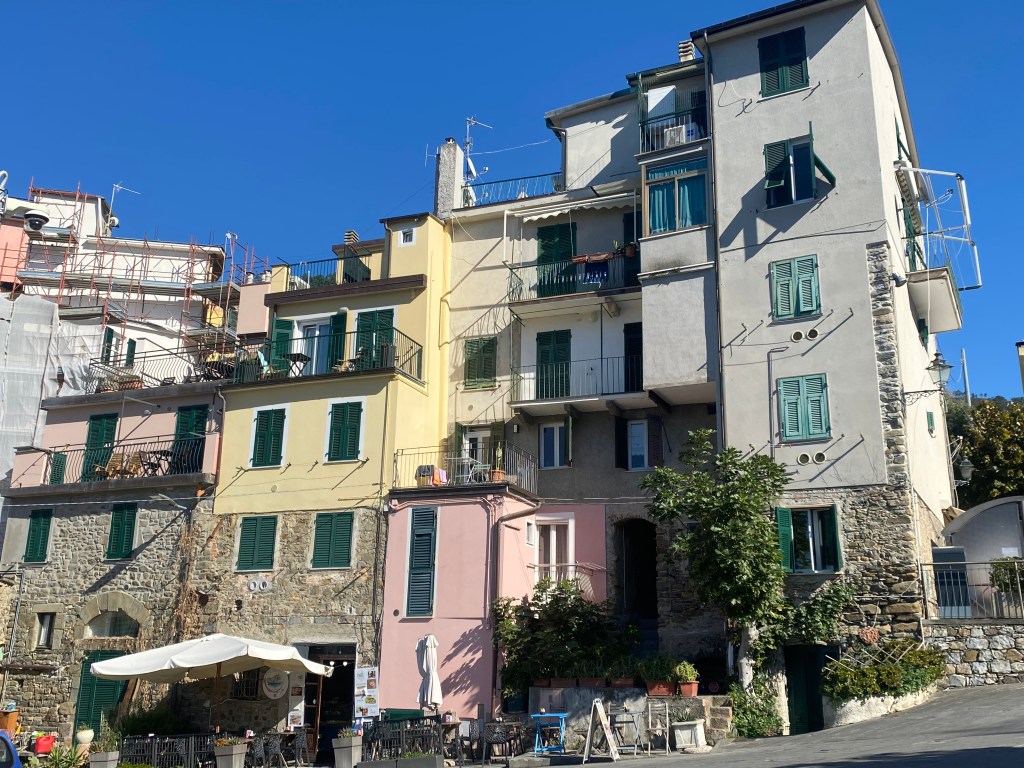
We stopped at the point where the trail starts its descent into Corniglia and Boris explained to us what the numbers on the trail signs meant. I had assumed that the numbers opposite the destinations on the signs were distances. That’s usually how it works, right? But it seemed off. He told us that the numbers represented time not distance. So, according to the sign below, Volastra was 1/2 hour behind us and Corniglia was 1 hour ahead of us. The 3-digit number on the sign “586” represents the trail itself which are represented by numbers in this region.

The descent was long and uneventful and we arrived in Corniglia with time to explore and enjoy an independent lunch. Of course, I sought out a focaccia restaurant!! What else??


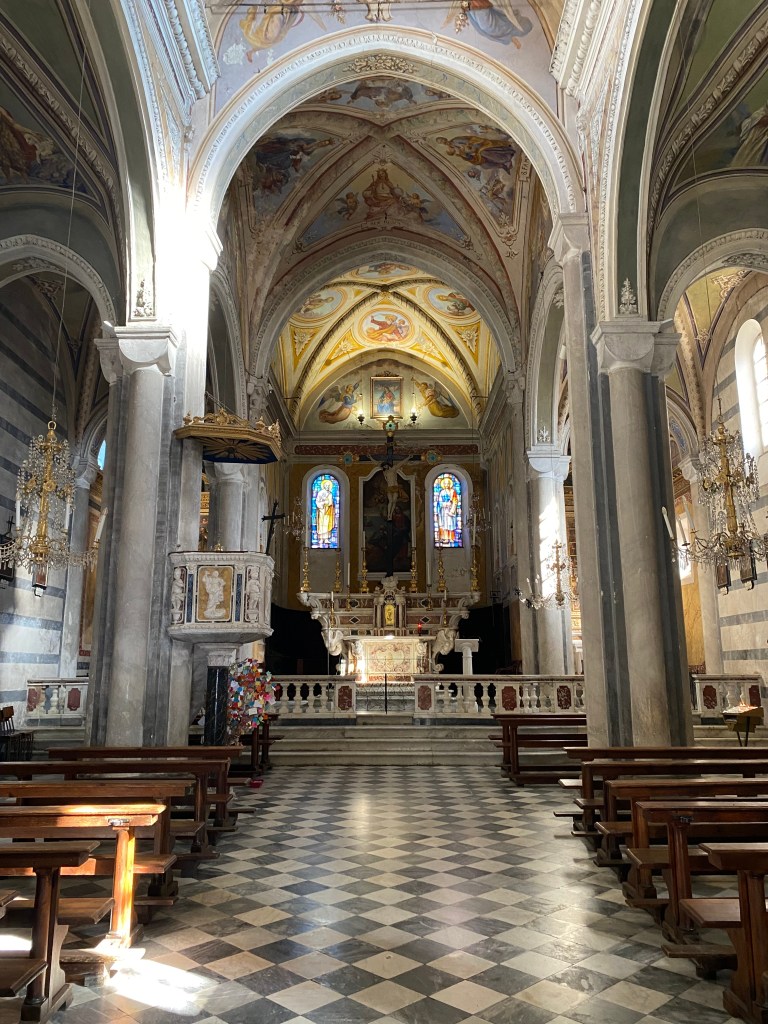
We had some time before heading to the train station to check out the local church – Chiesa Di San Pietro. It looked fairly simple in architectural design from the outside yet the inside was surprisingly ornate.


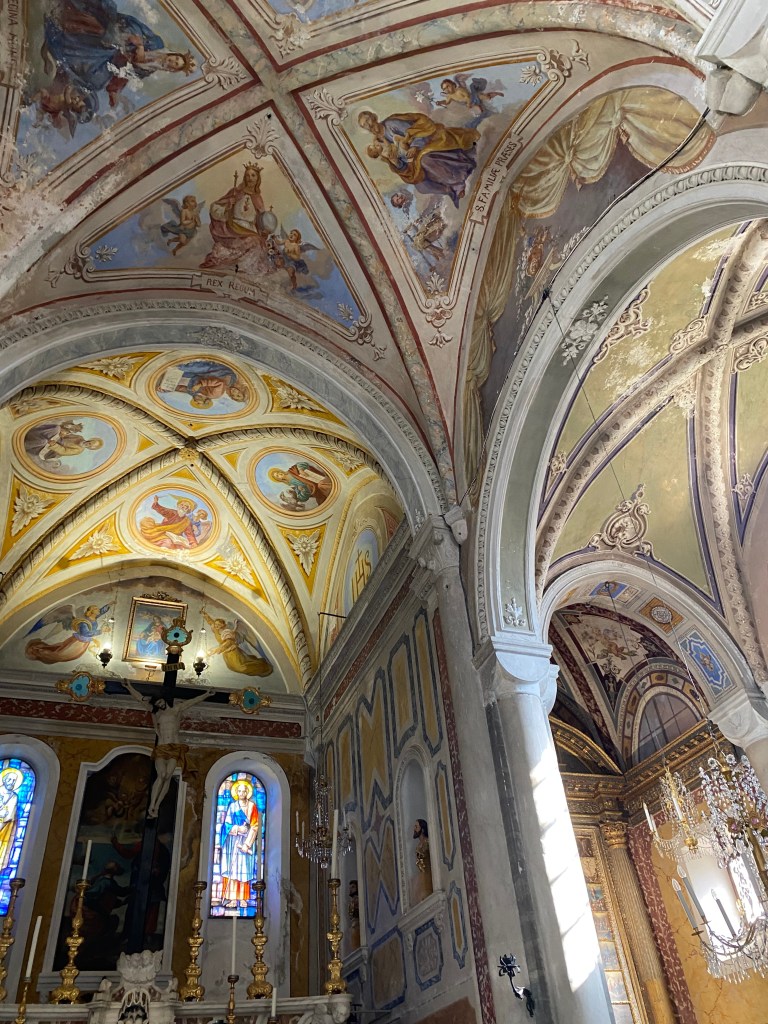
Corniglia is the smallest of the 5 villages and, as you will recall, is the least accessible due to the location of the train station. When it was time to catch our train back to Le Spezia and rendezvous with our motor coach that would return us to the hotel in Le Grazie, we had to walk from the town center of Corniglia down a steep 400-step walkway to the train station.
It was a beautiful day for a hike, and we returned to our hotel in time to clean up and enjoy a lecture about the nickname Gulf of Poets – as the Gulf of La Spezia is often called. In the early 19th century, many famous poets came to call this area home for a spell and gained inspiration from the dramatic landscape inclulding: Percy Bysshe Shelley and Mary Shelley, Lord George Byron, John Keats and Italian poet Giosuè Carducci. I found the following quote from one of Lord Byron’s works that seems to echo the feeling of this region although not expressly written for here.
“There is a pleasure in the pathless woods,
There is a rapture on the lonely shore,
There is society, where none intrudes,
By the deep Sea, and music in its roar:
I love not Man the less, but Nature more,
From these our interviews, in which I steal
From all I may be, or have been before,
To mingle with the Universe, and feel
What I can ne’er express, yet cannot all conceal.”
― Lord Byron
After our lecture, we boarded vans that took us back to Porto Venere for dinner in the Ristorante Il Timone. Another wonderful, satisfying day in the Cinque Terre!
Orchid in Morning Light
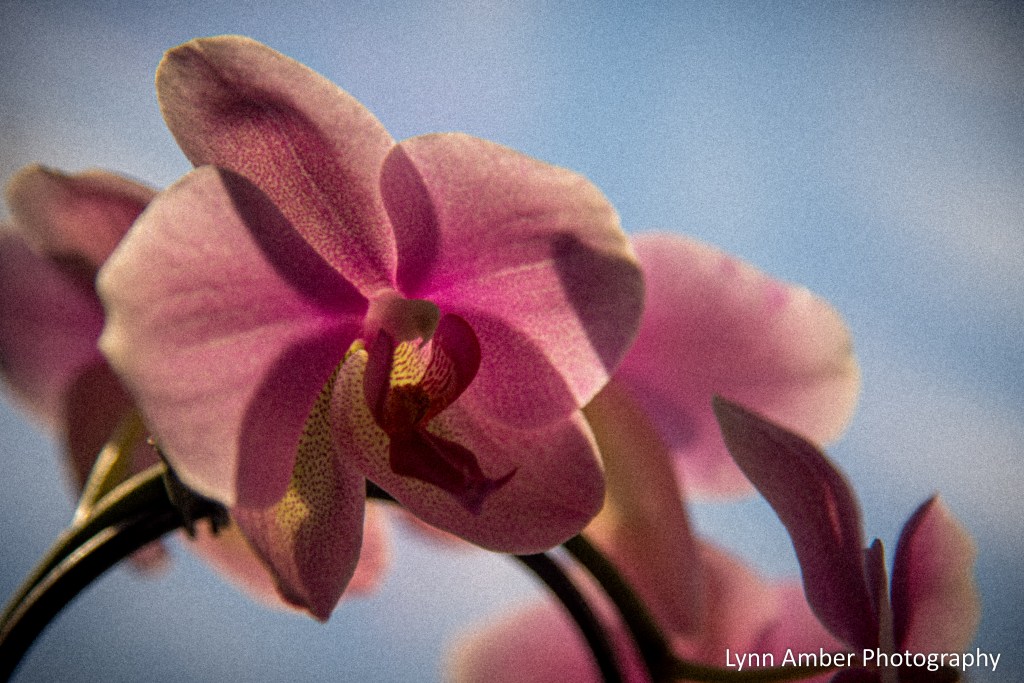
Morning Light
Sipping warm coffee
The morning light drifting in
Orchid petals glow.
~Lynn Thomas Amber
Cinque Terre Hiking Trip – Day 4
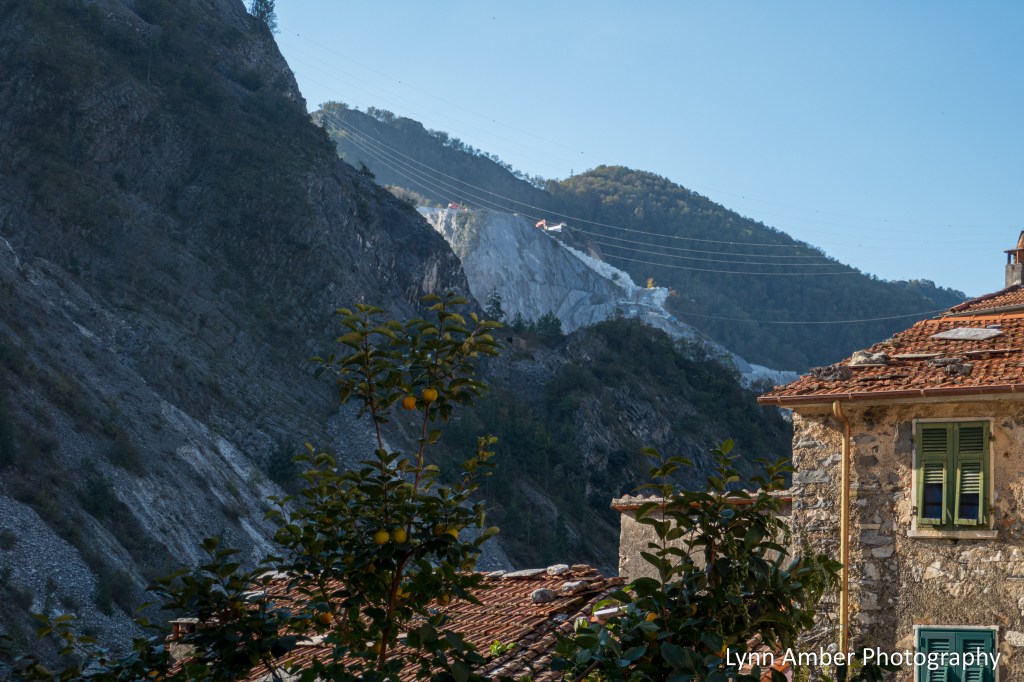
October 15, 2025 – Day 4 – Hiking Trip to Casa Del Vergheto from Colonnata
Today, we would be taking a break from the Cinque Terre coastline. Our adventure started with a 2-hour motor coach trip to the small village of Colonnata high up in the Apuan Alps in Northern Tuscany. Driving the narrow, winding road that leads from Carrara to Colonnata is a challenge – and driving it in a large motor coach is insane! It was quite the ride as a passenger and kudos to our bus driver for his expert driving skills!
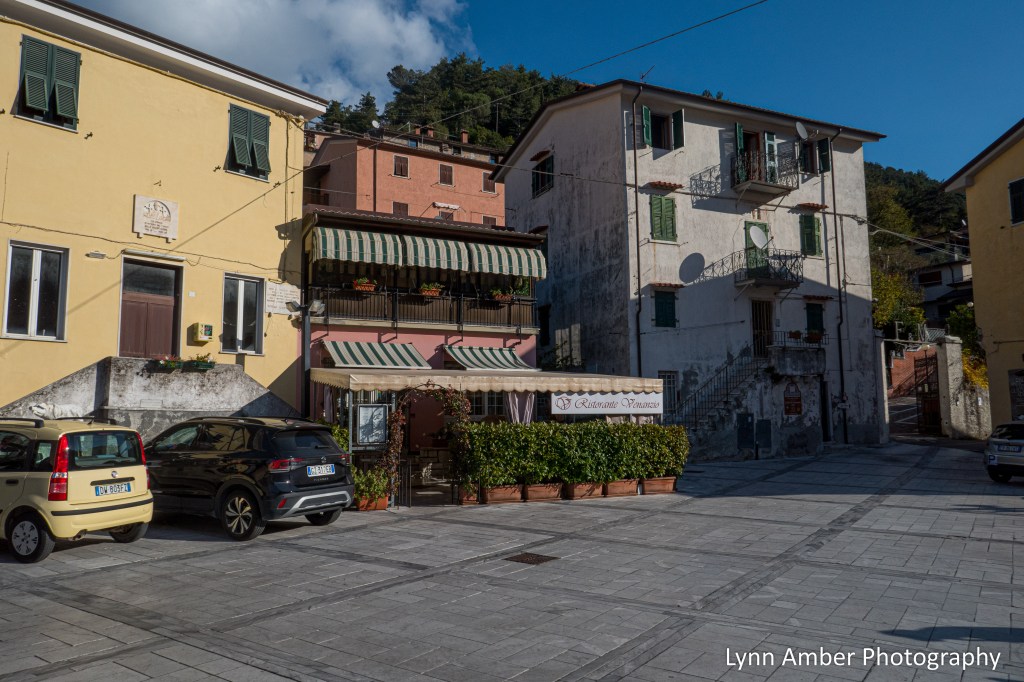
We reached Colonnata and had a few minutes to use the restroom facilities at a small cafe before heading off on our hike to the abandoned village of Case del Vergheto.

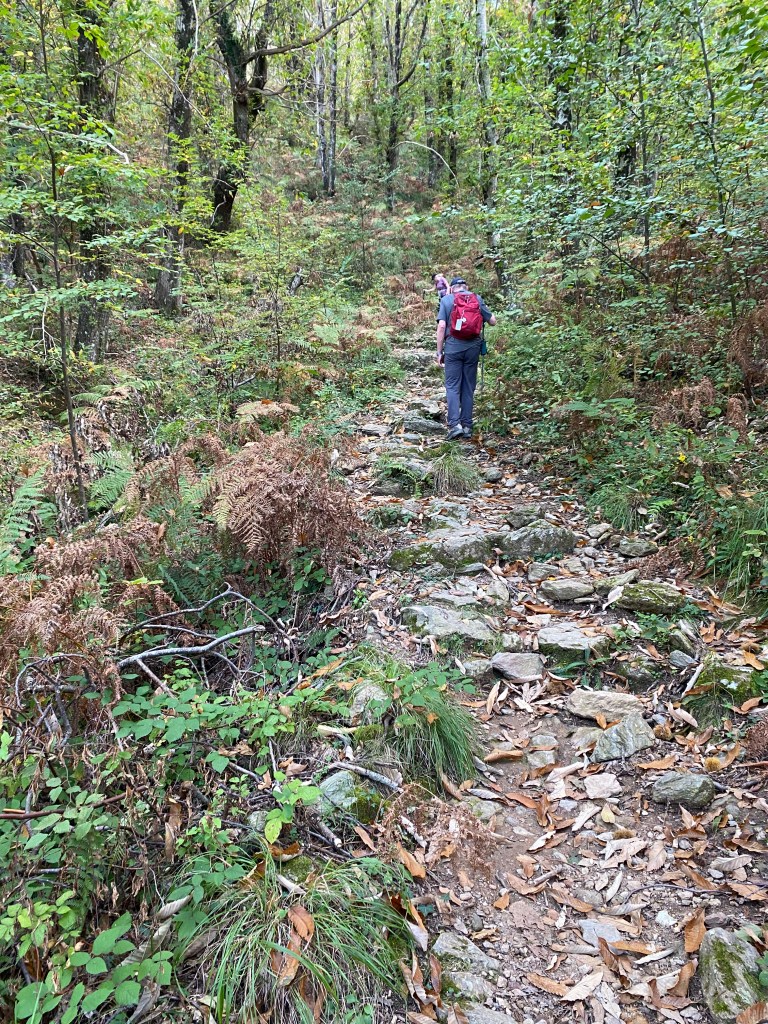
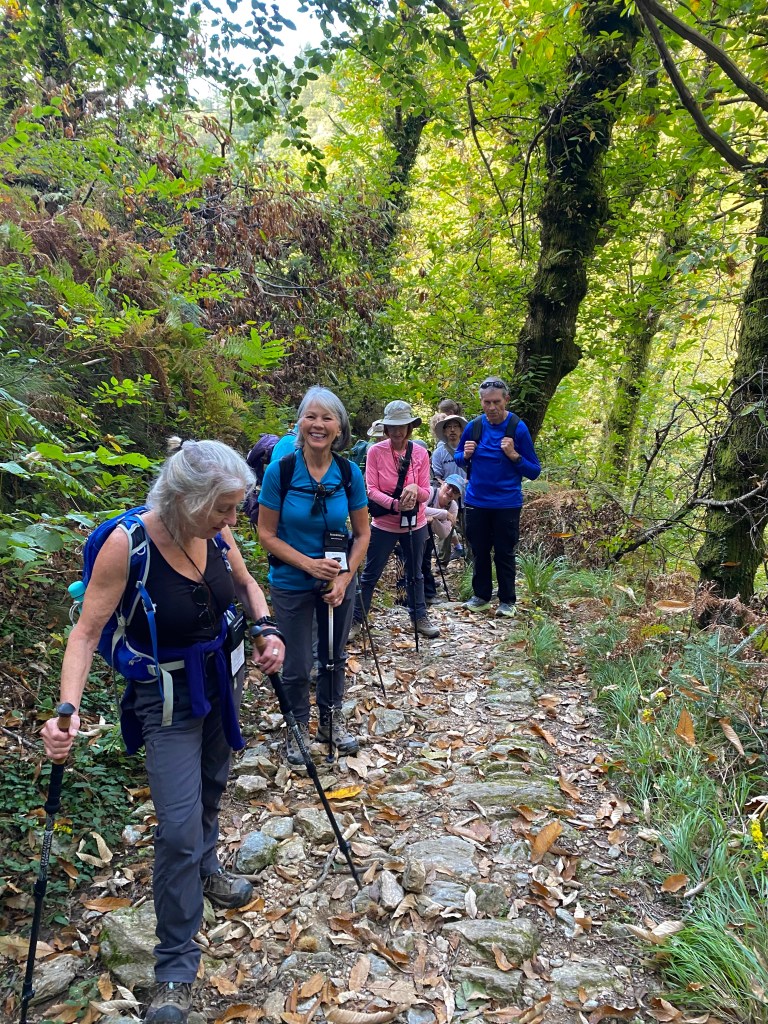
The hike today would take us through mostly forested trails with an abundance of chestnut trees. The 3-mile roundtrip, 1,000 foot elevation gain trail was rated as easy to moderate with the steepest section near the top. We started the hike on pavement from the village and quickly found ourselves on a rocky, dirt trail winding through the forest. It was a lovely, shaded hike!
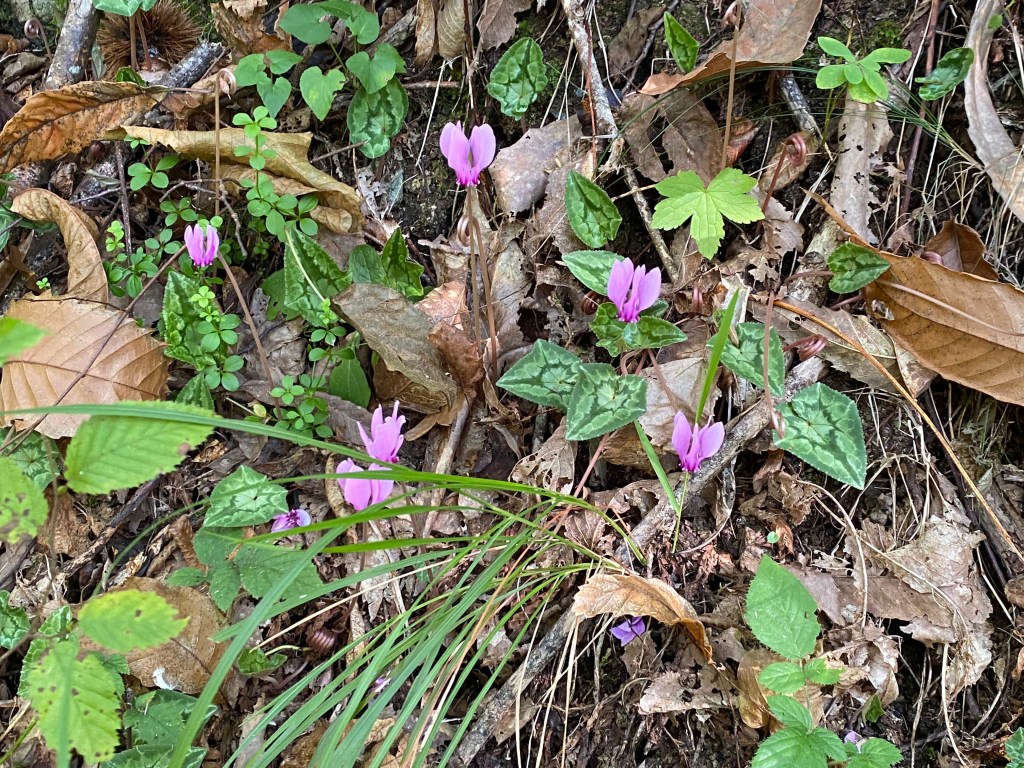
I was so surprised to see a familiar “houseplant” growing wild along the side of the trail! I’m always fascinated by plants that must remain indoors in my climate but thrive in the outdoors elsewhere.
We learned along the hike through our guide Boris that our destination – Case Del Vergheto – was at one time a settlement for quarrymen – or “cavatore”. The village was founded so as to be close to the mountain top marble quarries. It was later abandoned as access to the quarries improved. During World War II, the abandoned village was a refuge for resistance fighters against the German and Italian facist regimes. Part way up the trail, our two fearless leaders, Boris and Leonardo, serenaded us with their rendition of “Bella Ciao” – a popular Italian resistance song. While the origin of the song remains controversial, it is widely accepted that it had its beginnings in the early 1900’s as a protest by women who worked the rice patty fields in Northern Italy. Later, it became a symbol of anti-fascist sentiments during and after WWII.

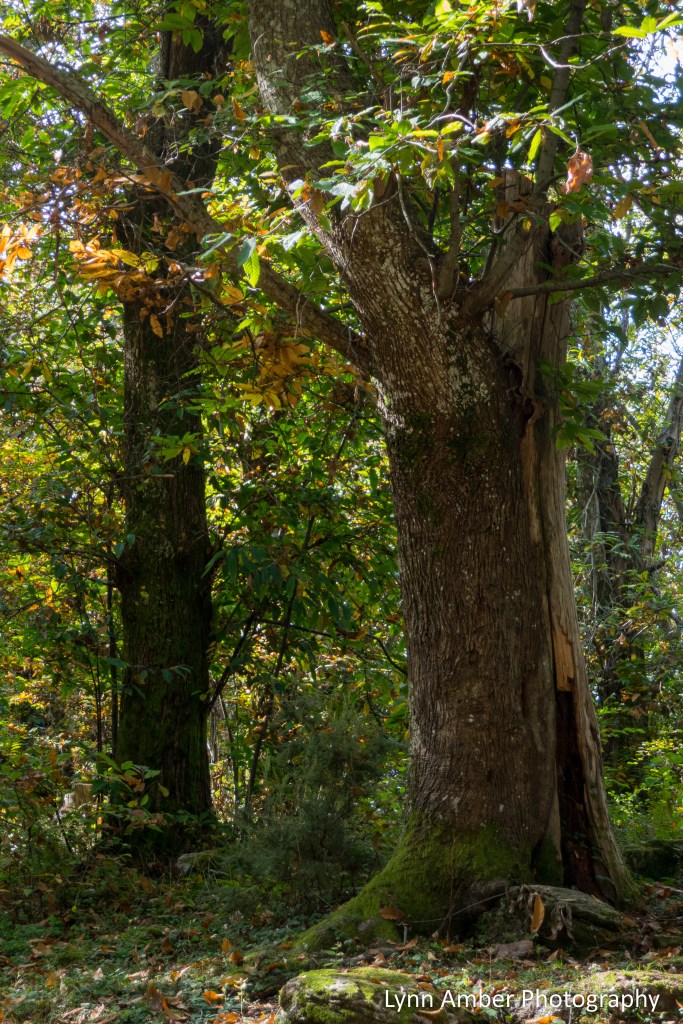
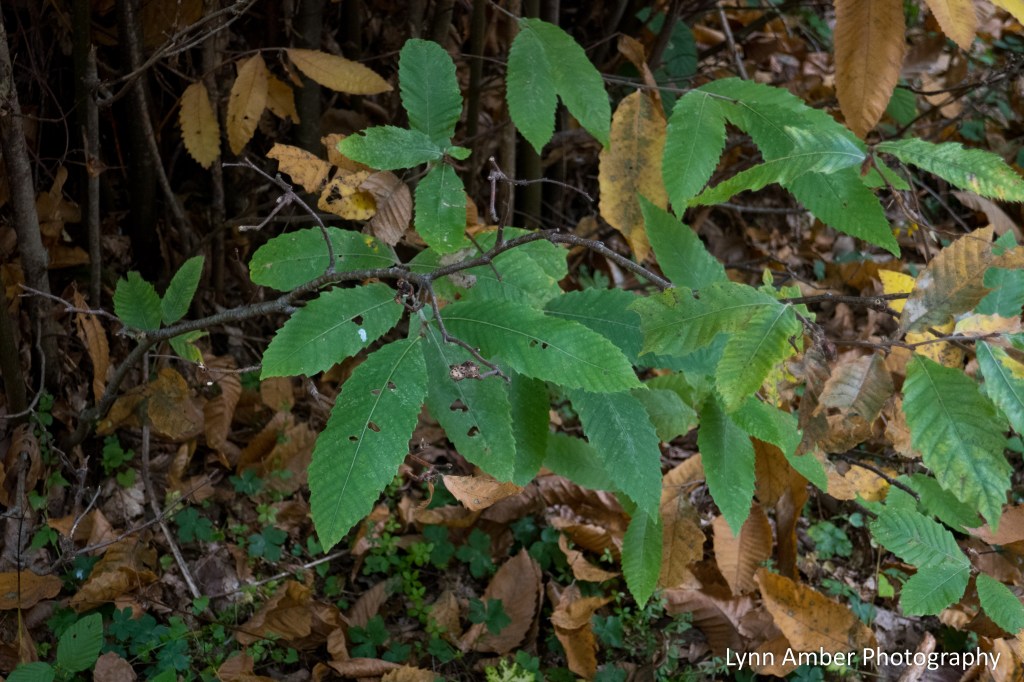
At a trail junction near the top, we entered a small clearing bordered by large, very old chestnut trees. The presence of the chestnut tree in Northern Tuscany dates to the Roman Empire and was considered a major source of sustenance for the residents. Chestnuts were dry-smoked for storage and ground into flour.
As we approached Case Del Vergheto, the forest opened up and the spectacular views of the mountains greeted us.
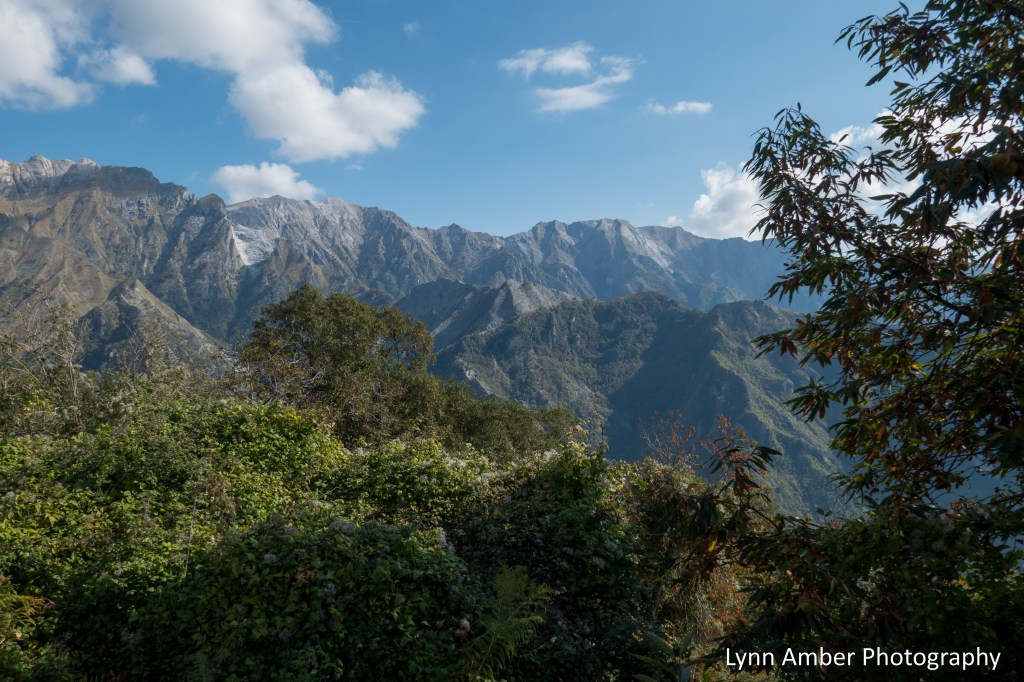
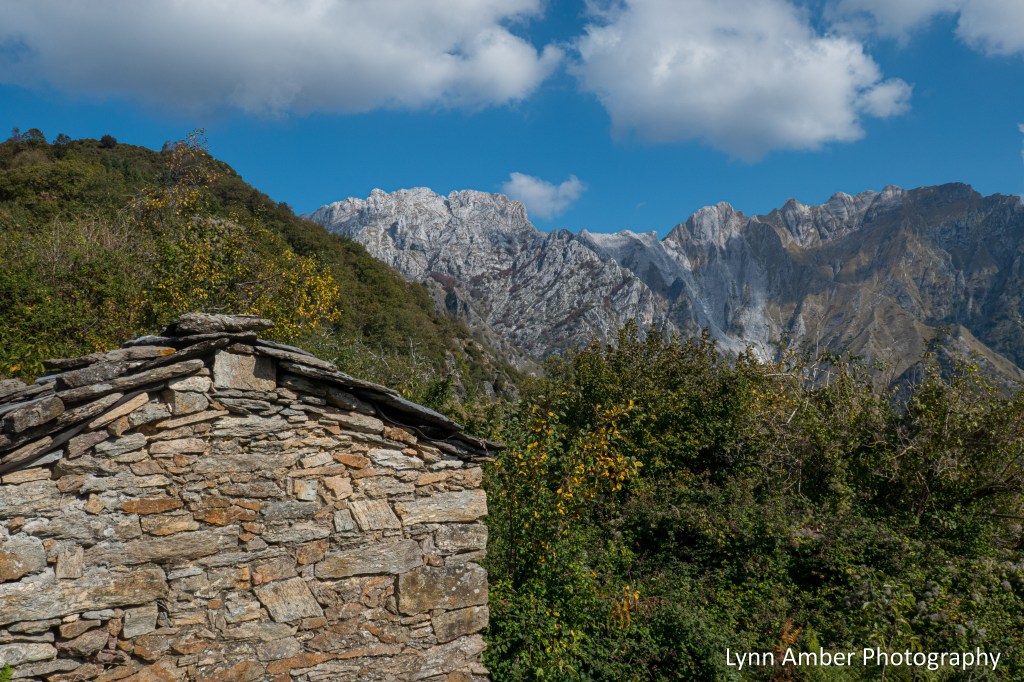
The abandoned village is comprised of a handful of stone buildings with slate or tile roofs – all in what I would call a state of “arrested decay”. There is one exception – a somewhat restored house that is privately owned as a vacation home.
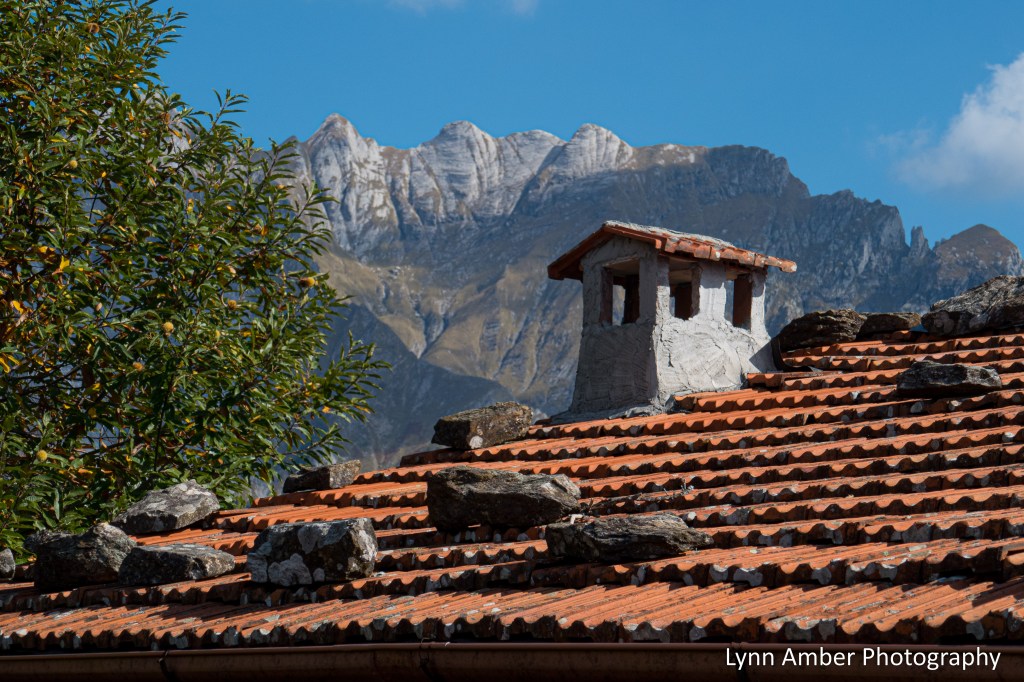
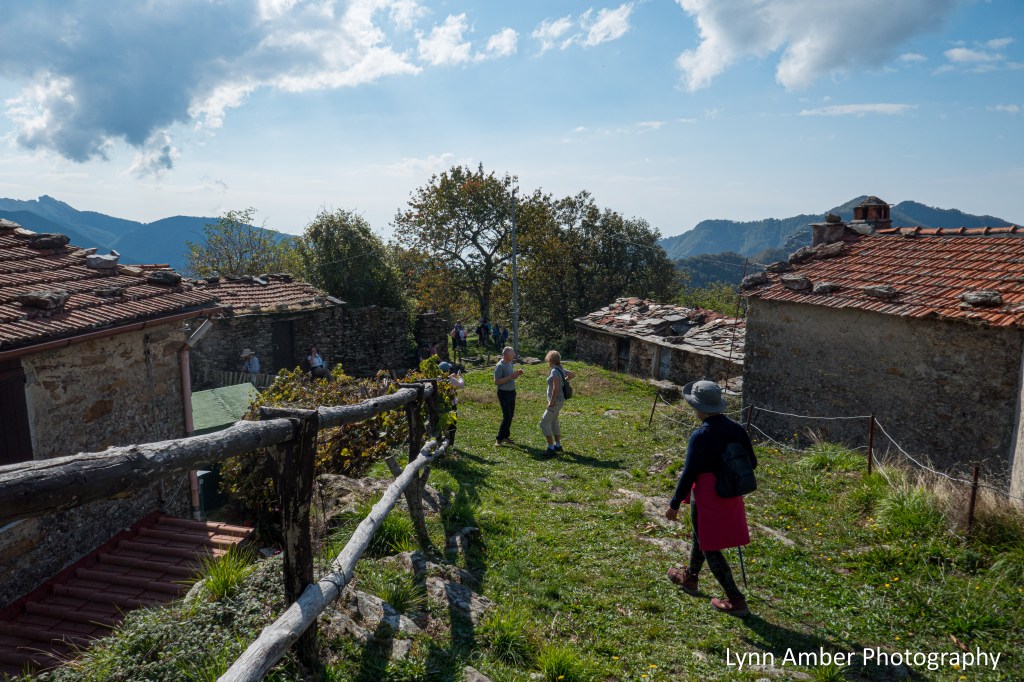
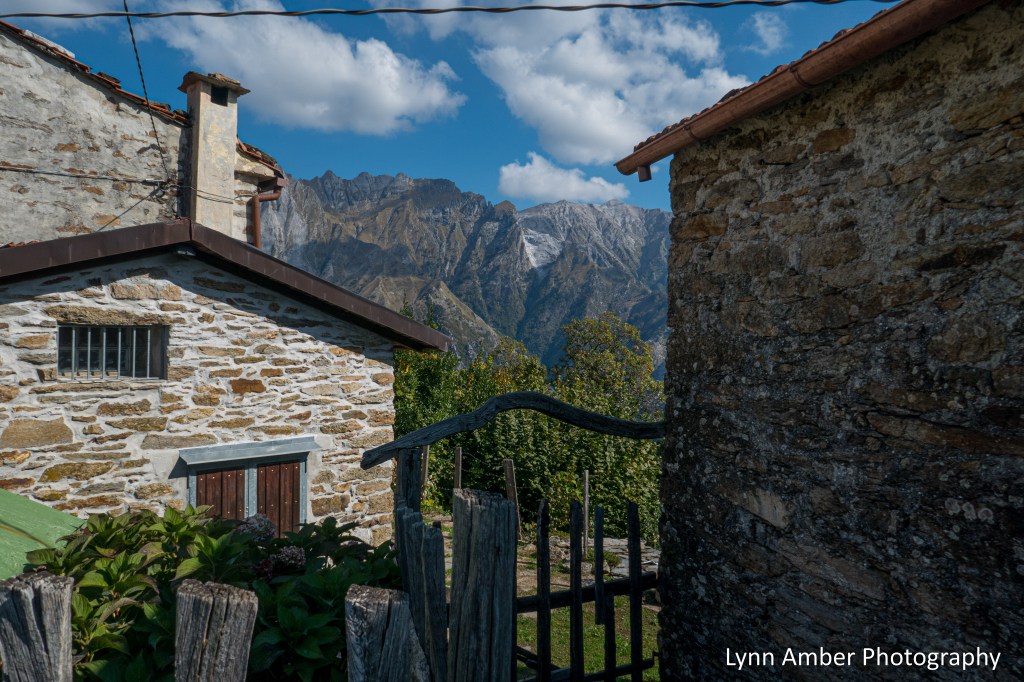
The gate below leads to the privately owned house that is still used today as a part-time residence. How would you like that view everyday??!!
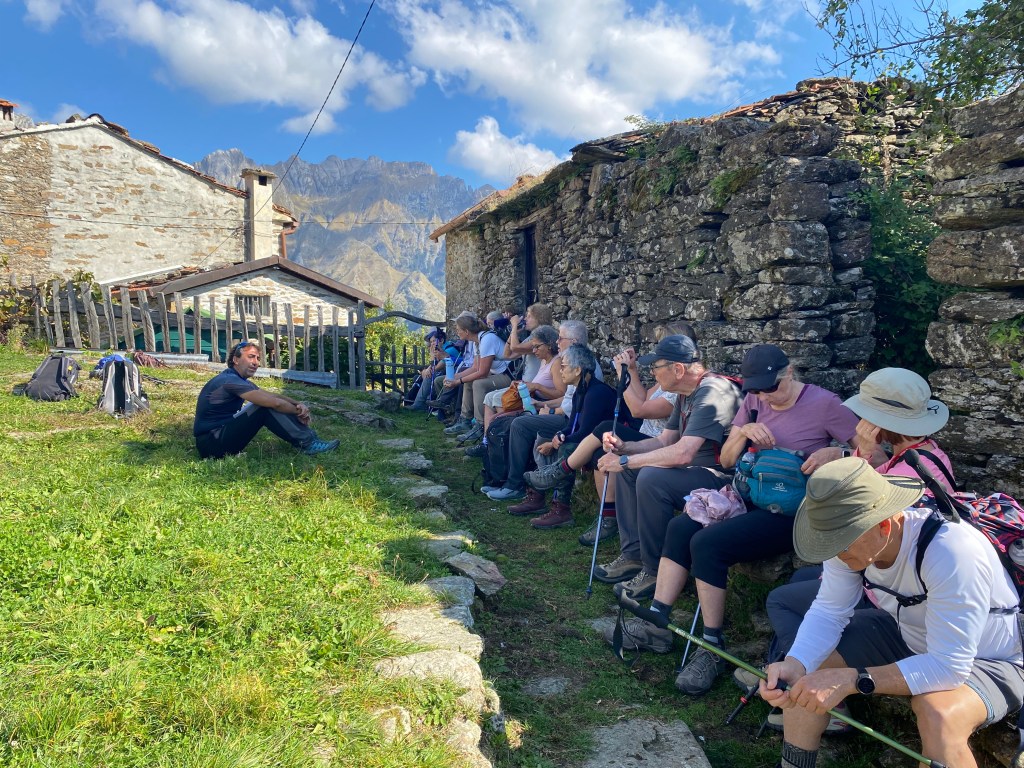
We took a break in the village and rested while Boris entertained us with a narrative about the very difficult life of a quarryman. It was dangerous work and, back in the day, the marble was transported in large blocks from the mountain tops on tracks via large, wooden sleds called lizza. Often, these sleds were pulled with oxen and required a minimum of 8 men to aid in manuvuering them down the steep slopes.
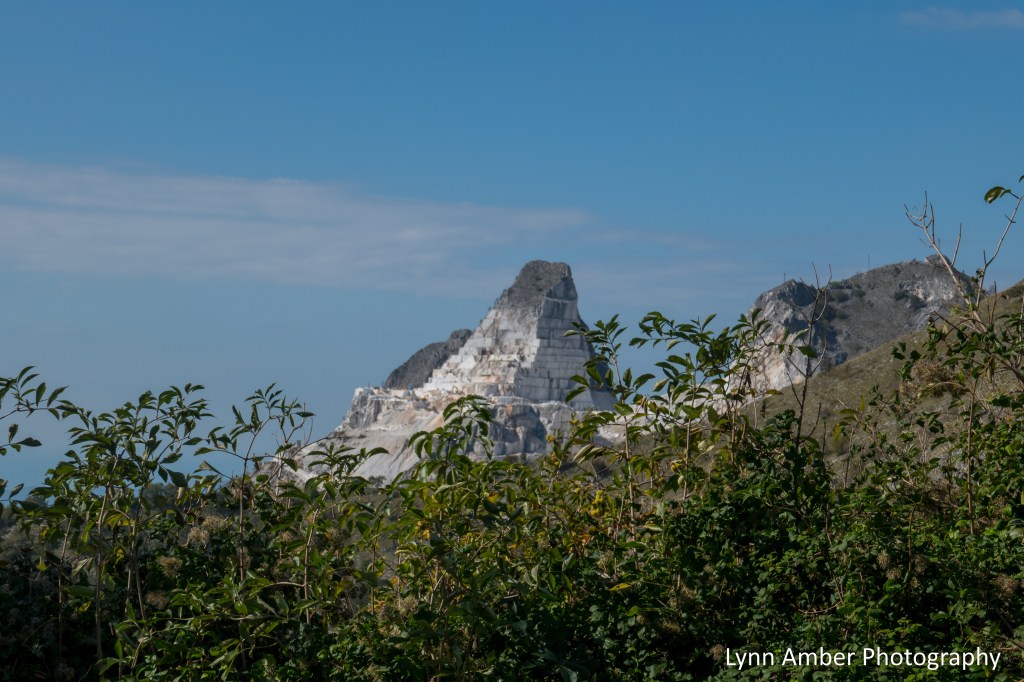
Some of the marble deposits visible from Case Del Vergheto have been in continuous operation since the Roman Empire. Wow – just wow! The images below were taken from the village looking towards the quarries.
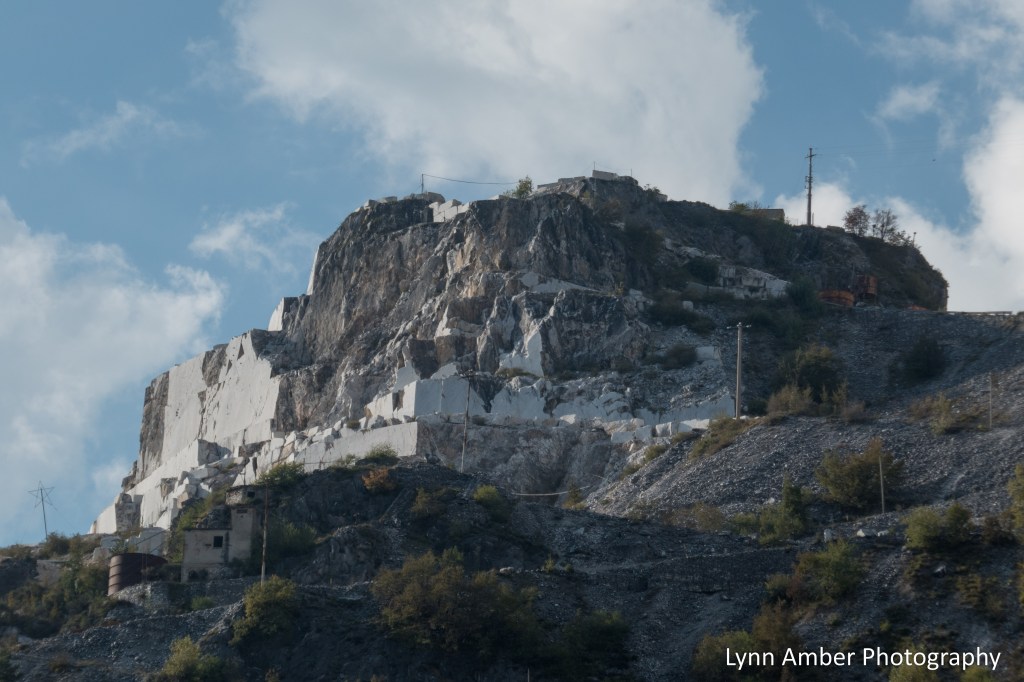
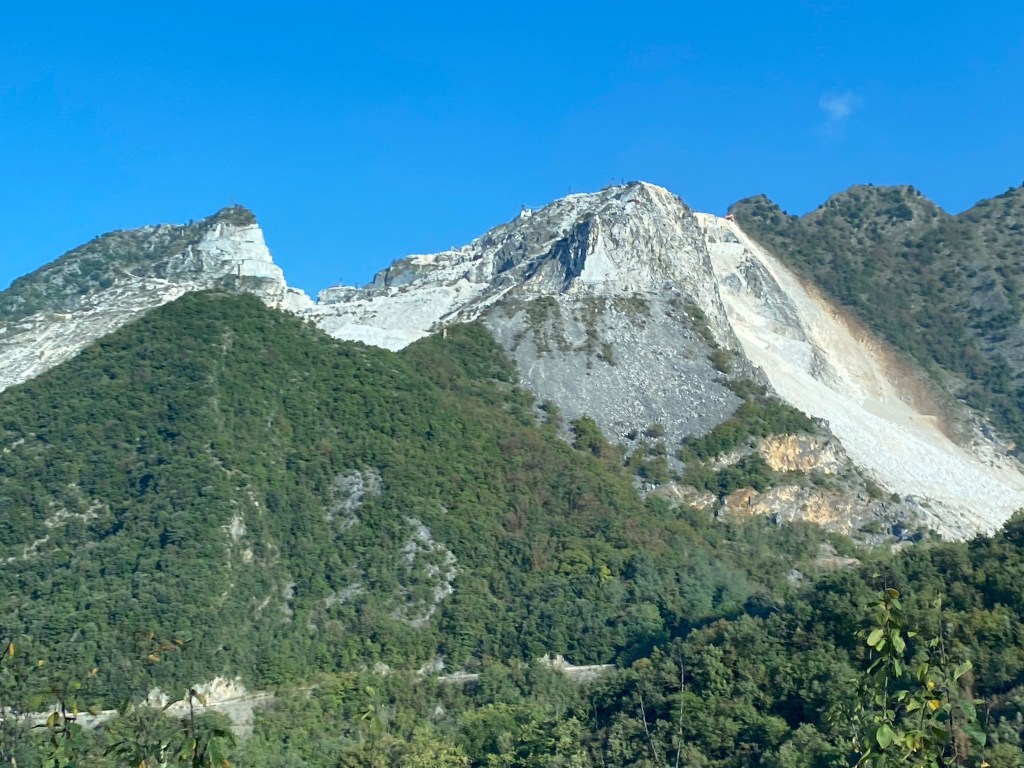
After exploring the small village and hearing about some of the history of the quarries, we hiked back down to Colonnata where we enjoyed lunch at the Ristorante Vernanzio and had some free time to explore this town rich with ancient history.
The town got its name from the Latin word “columna” (for the columns of marble quarried) and was founded around 40 B.C. as a “worker” village for the labor required to extract the Carrara marble from the surrounding mountains. It is said that Michelangelo was a frequent visitor to Colonnata and hand-picked marble for his statues. The marble that was used to carve the Statue of David came from the quarries surrounding this area.
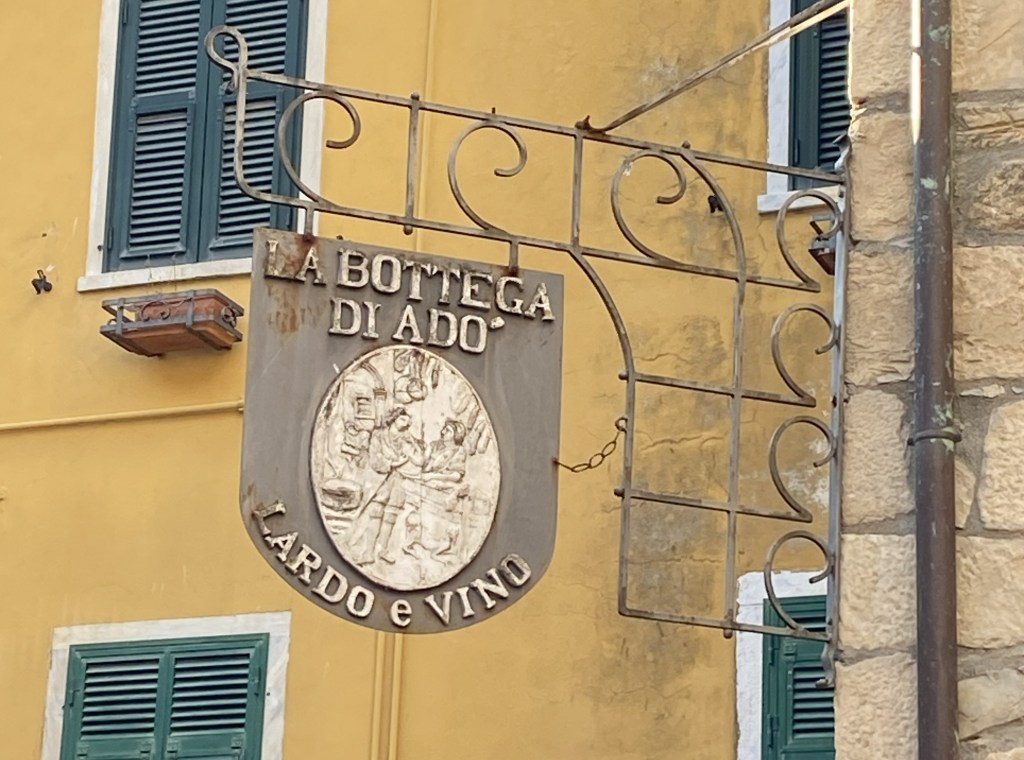
We indulged in a multi-course lunch that included one of the signature foods of Colonnata – lardo di Colonnata – a cured pork fat. The pork fatback is cured in marble “barrels” with a variety of herbs and spices for up to 6 months. It is often then cut into thin strips – called salumi – and used as a spread for bread. We were treated to this delicacy as one of the appetizer portions. The thought of eating lardo kind of grossed me out at first but I have to admit that it was quite tasty spread on a piece of warm, homemade bread!
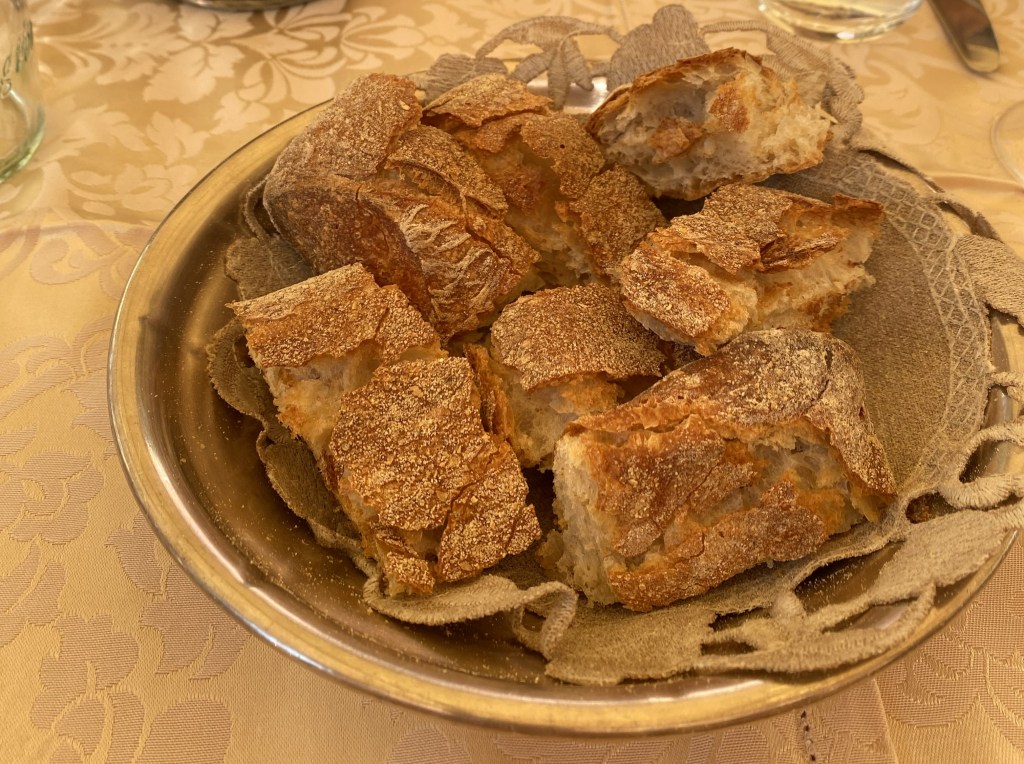
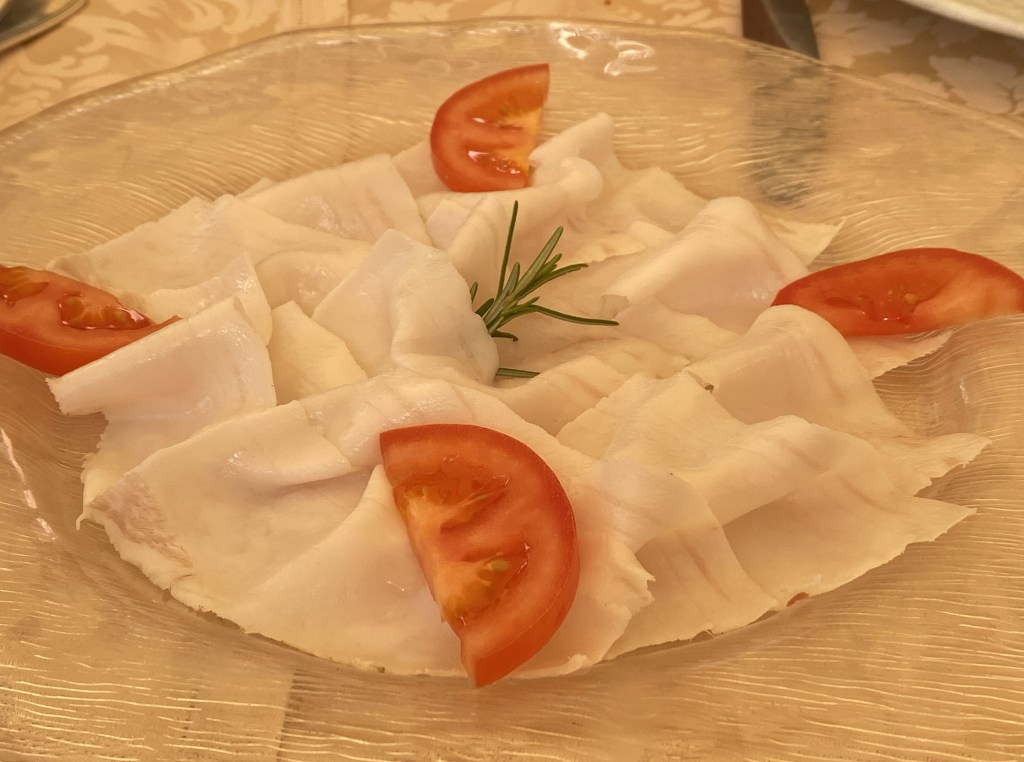
After lunch, we wandered around the small village of Colonnata and took in some sights. Outside of the San Bartolomeo Church, there is a memorial to the quarrymen who toiled in this town and the surrounding quarries. The marble panels depict life as a quarryman and the statue “Christ of the quarrymen” pays tribute to all the quarrymen who lost their lives due to this dangerous work.
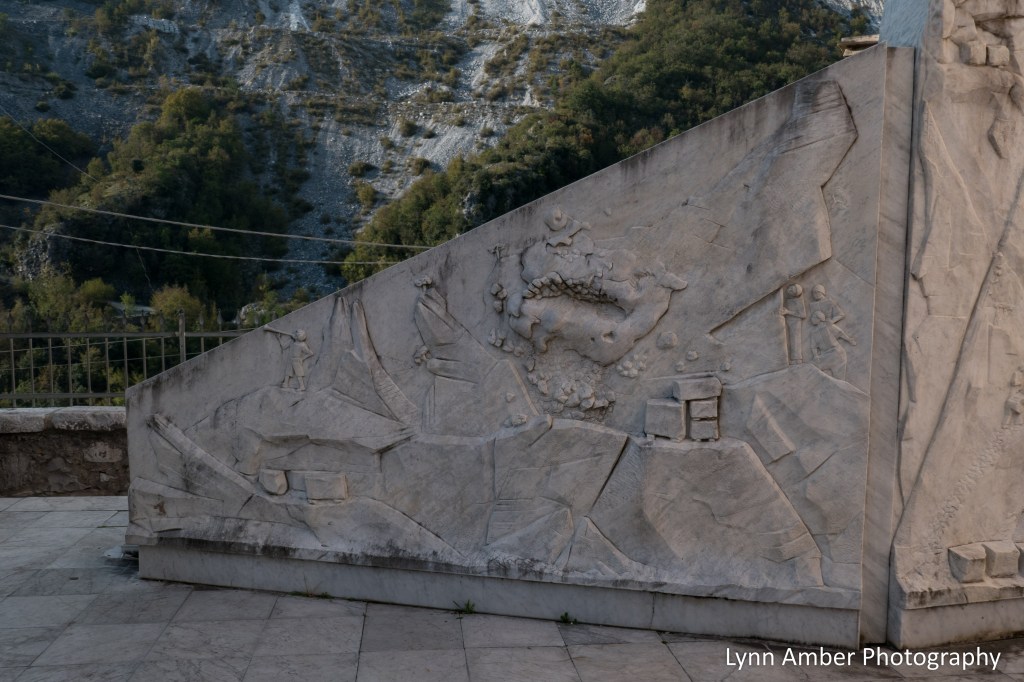
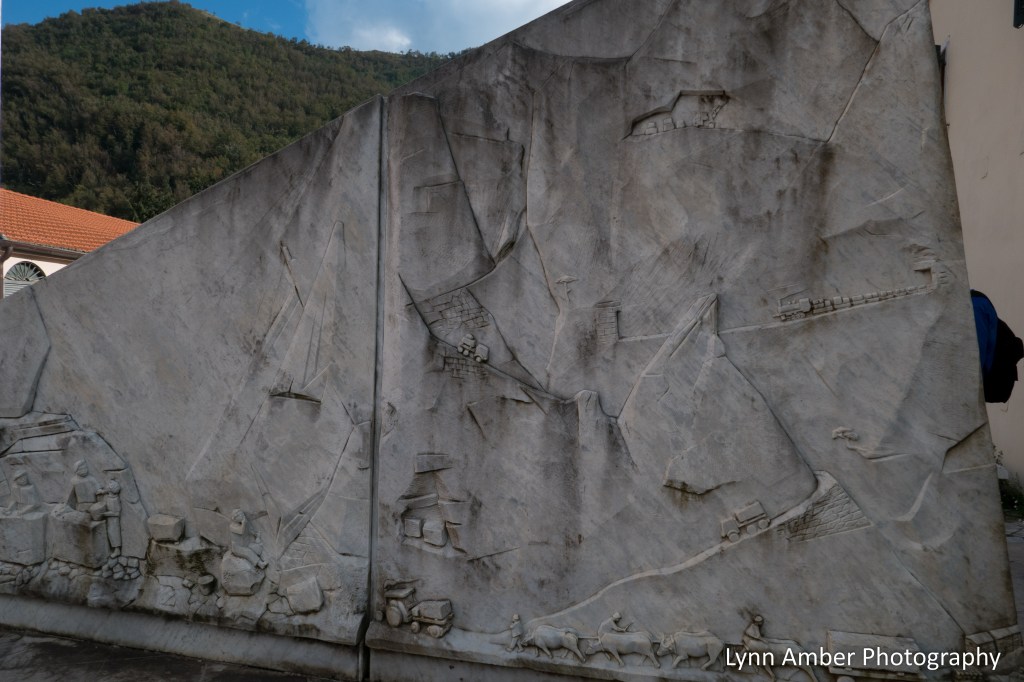
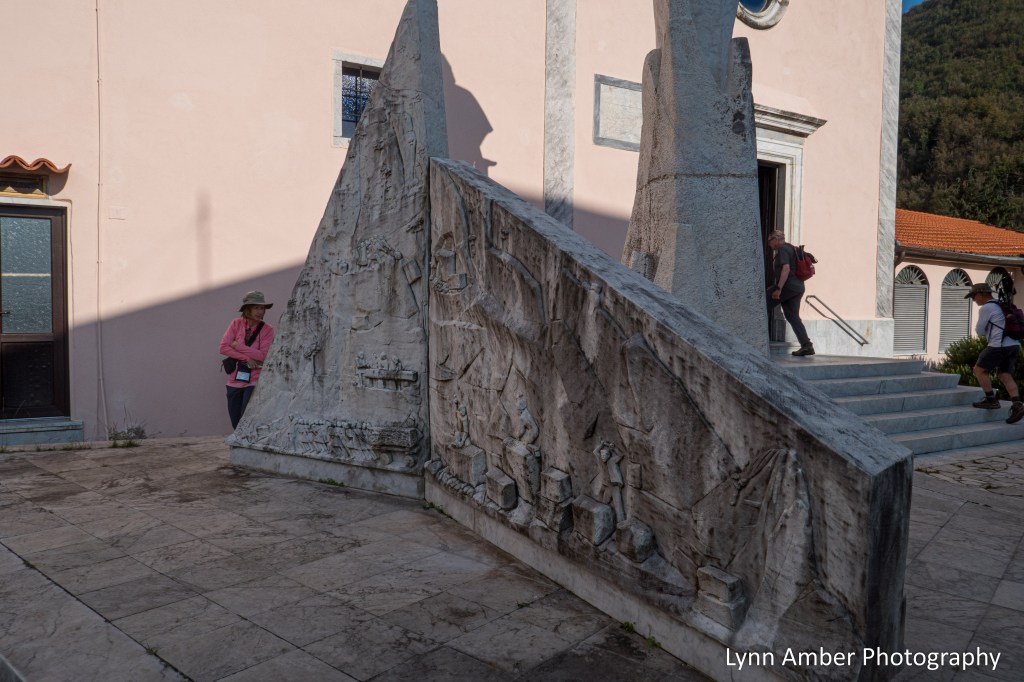
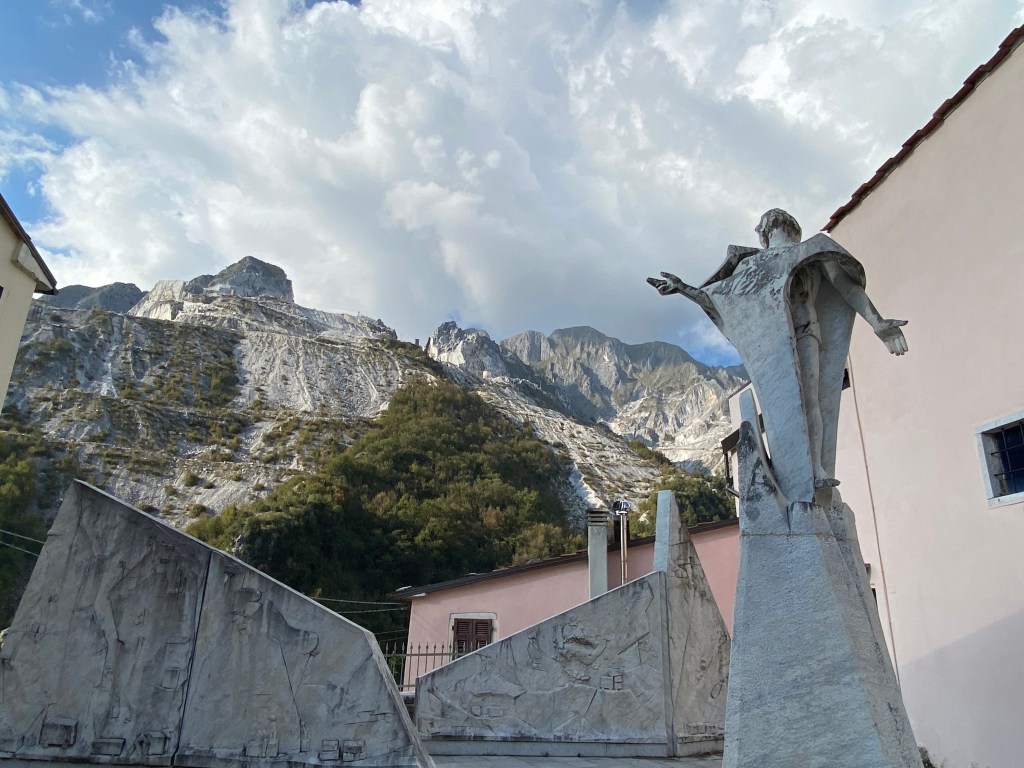
The interior of the San Bartolomeo Church, which dates to the 16th century is, of course, a showcase for the local marble.
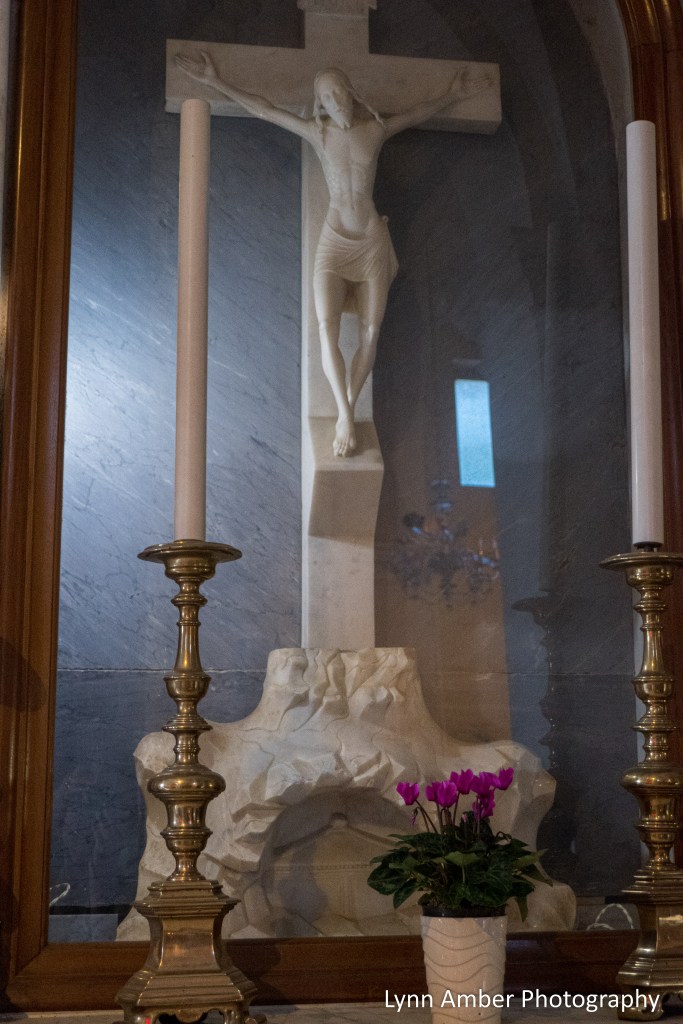
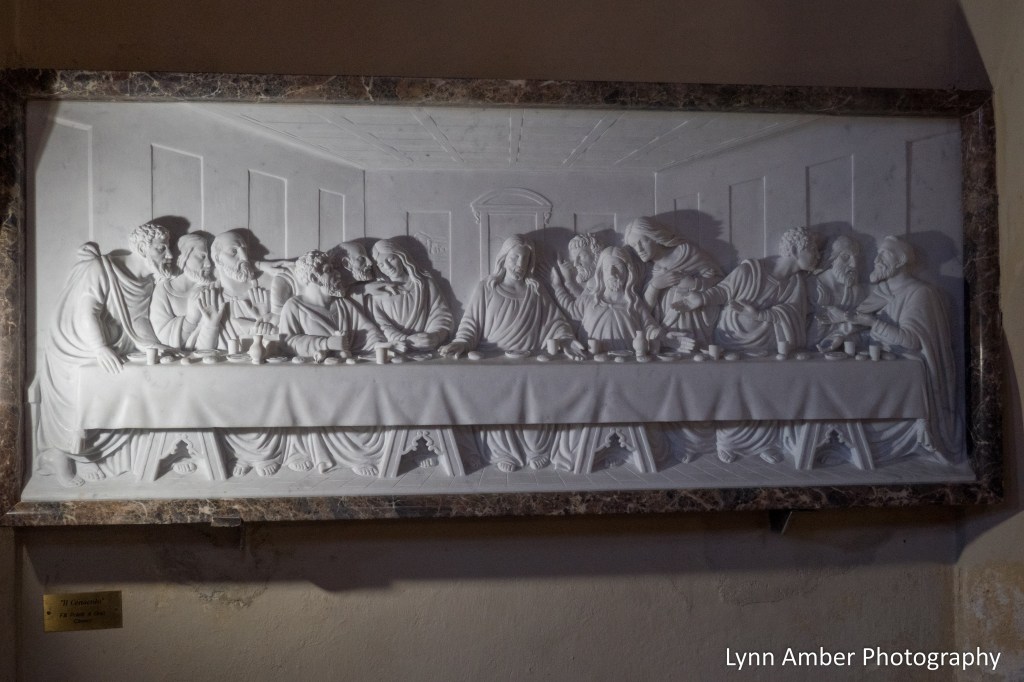
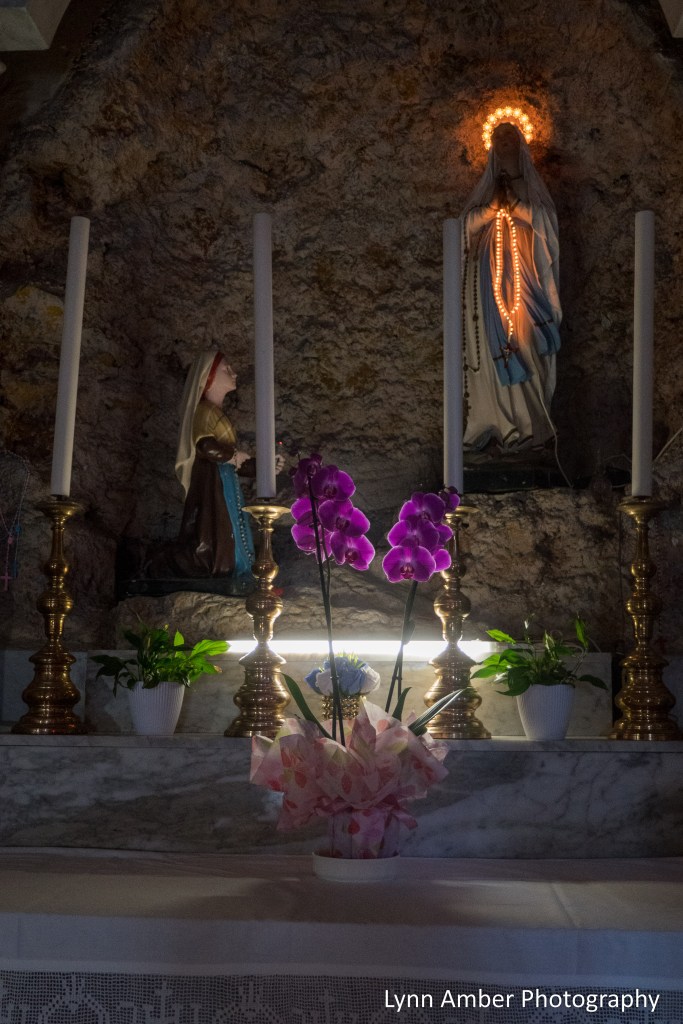
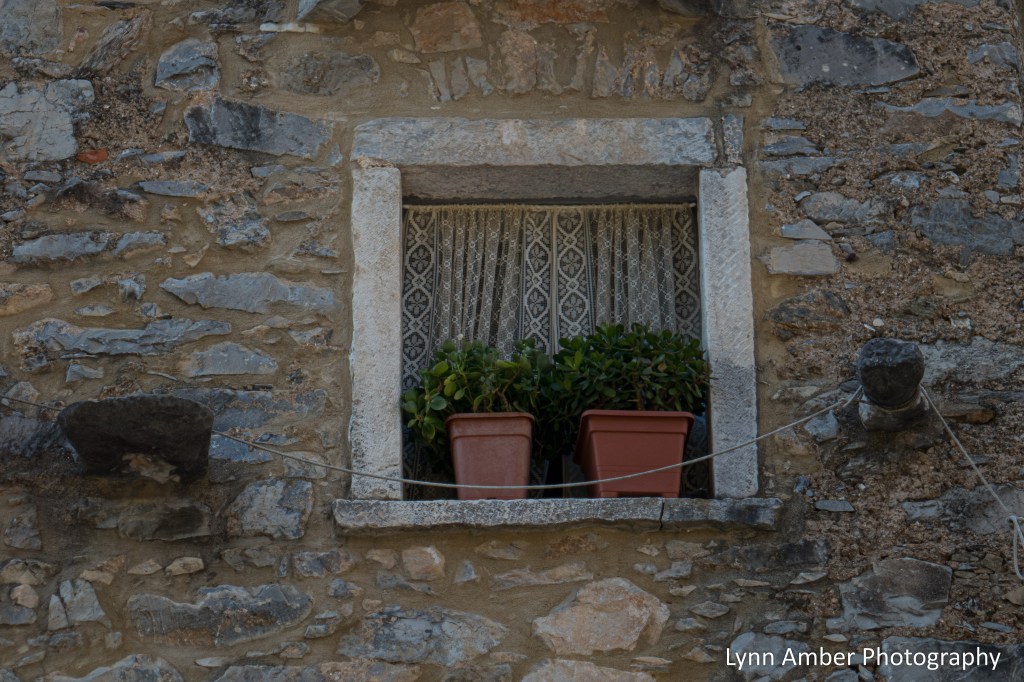
After touring the church, we had time to visit one of the local gift shops for a souvenir. I’m not one to spend much money on souvenirs. My photographs are usually my way of remembering the places I’ve traveled. But, I was so impressed by the quarries and the stories of those quarrymen who worked here. I ended up with a small piece of Carrara marble – in the simple shape of a pear with a gold stem and leaf. It sits on my kitchen window shelf above the sink and is my daily reminder of the beauty that is Tuscany and the Cinque Terre region.
When we got back to the hotel in Le Grazie that night, dinner was on our own either in Le Grazie or Porto Venere. I had originally planned on accompanying 3 other tour members to a restaurant in Porto Venere. But, I was still so full from the multi-course lunch and knew the next day’s hike would be more strenuous – so I opted out and enjoyed a restful, quiet evening in Le Grazie just taking a slow walk around town and retiring early for the night. A beautiful day indeed!
Winter Palette of Color
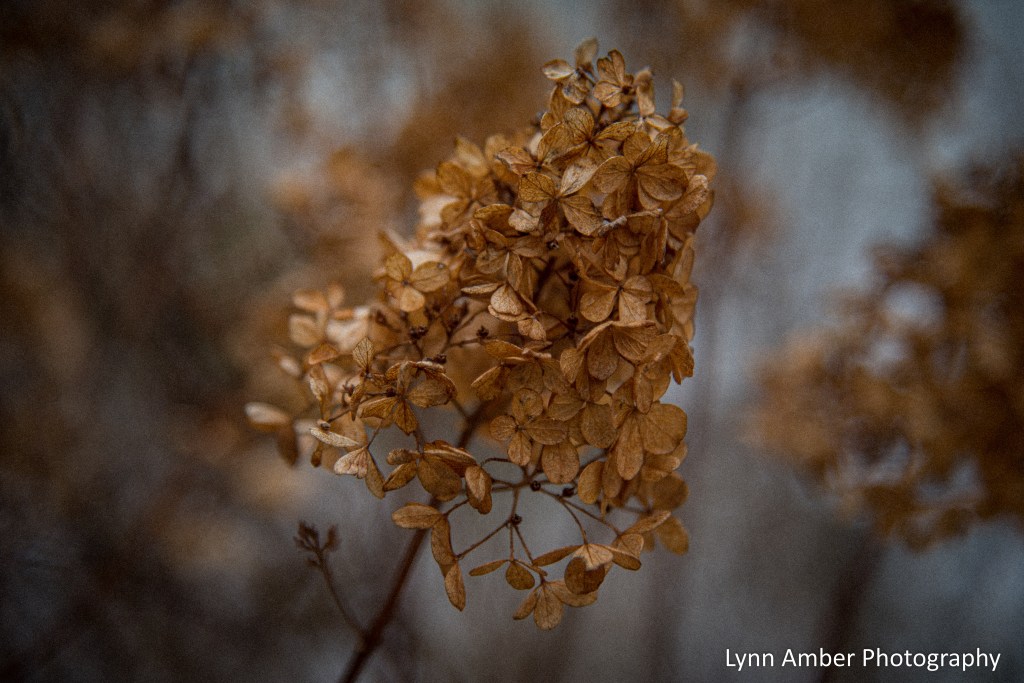
A palette of gray
Colors the winter landscape
Till one looks deeper.
~ Lynn Amber
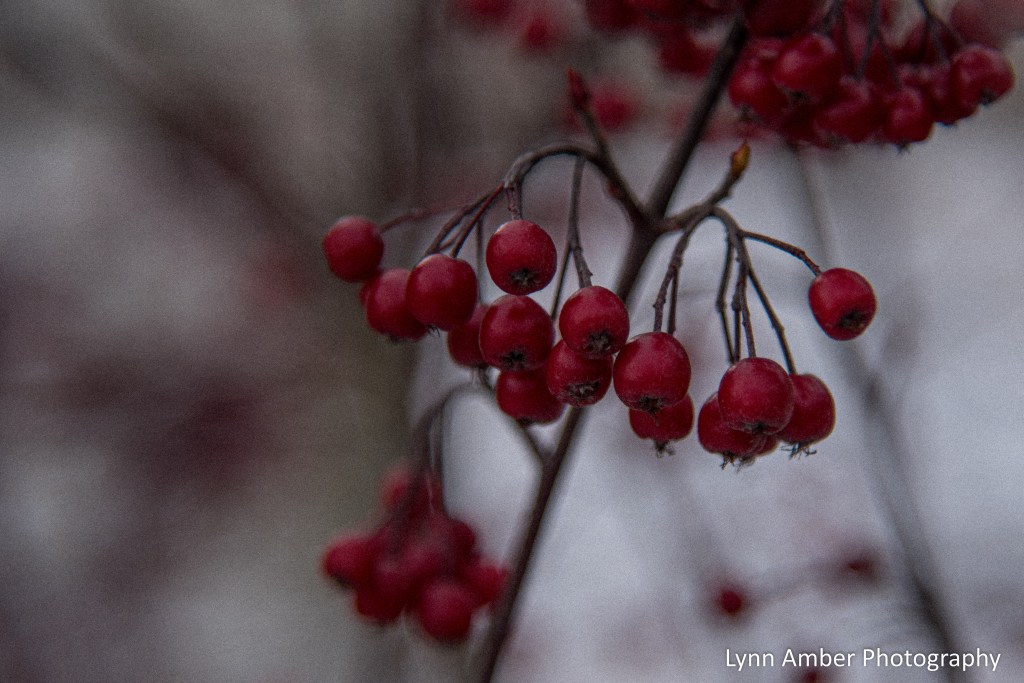
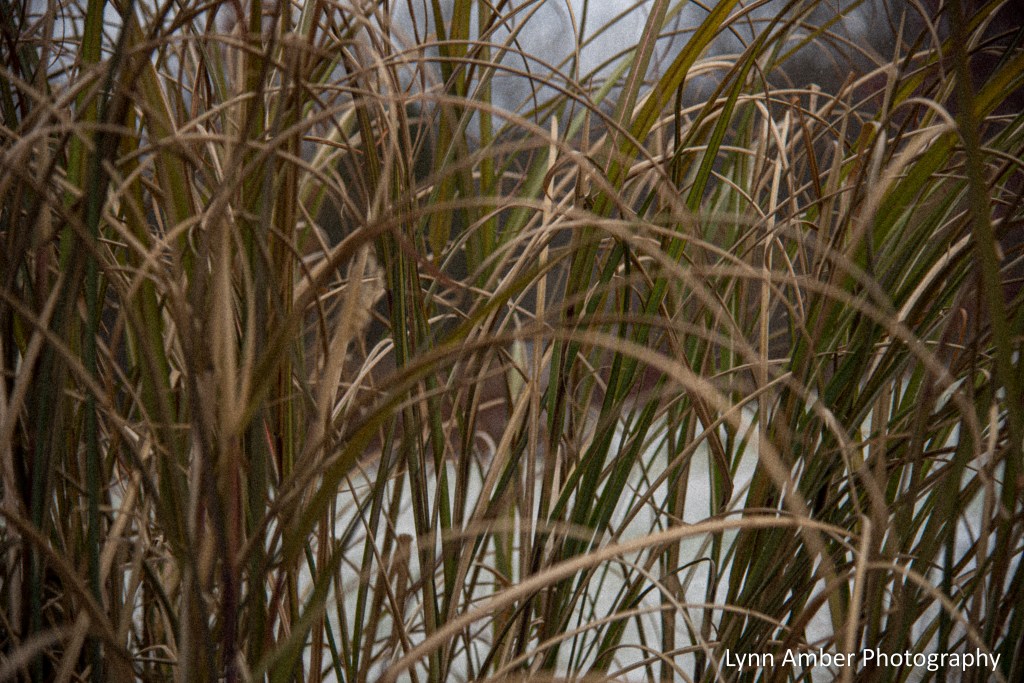
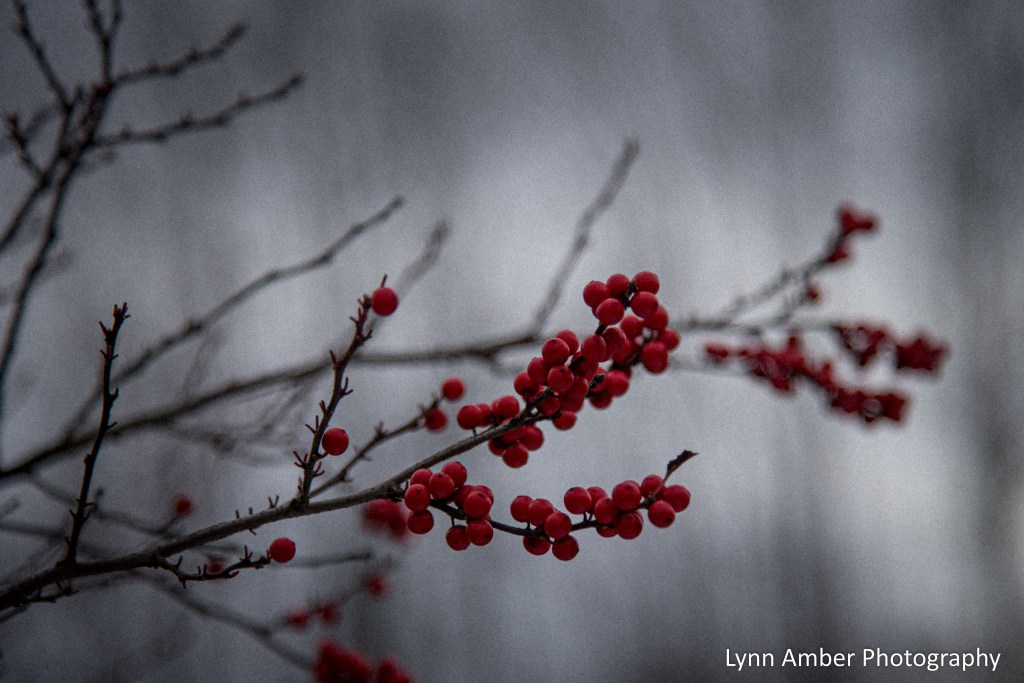
On my walk today, it was windy and cold and as I started out everything just seemed to me to be shades of gray. I started looking closer and noticed – the white bark of the birch trees scattered through the forest, the golden brown persistent leaves of the young beech trees, the bright green leaves of winter ferns. Sometimes we just need to be still and focus – and observe the natural world around us. And then all is right with the world again.
When I got back home, I retrieved my good camera and wandered around my overgrown front garden. I was reminded that even winter provides us with gifts when we take the time to look.
Cinque Terre Hiking Trip – Day 3

October 14, 2025 – Day 3 – Monterosso to Vernazza
The third day along the Cinque Terre coastline we completed our first hike within the national park. The agenda for the day included a ferry ride from Porto Venere to Monterosso – the northern most village in the Cinque Terre – where we would begin our hike to Vernazza. This would be a more challenging hiking day with some significant elevation gain and we would get an introduction to the many “steps” that criss-cross these hills and were used by villagers back before modern transportation came to the area.
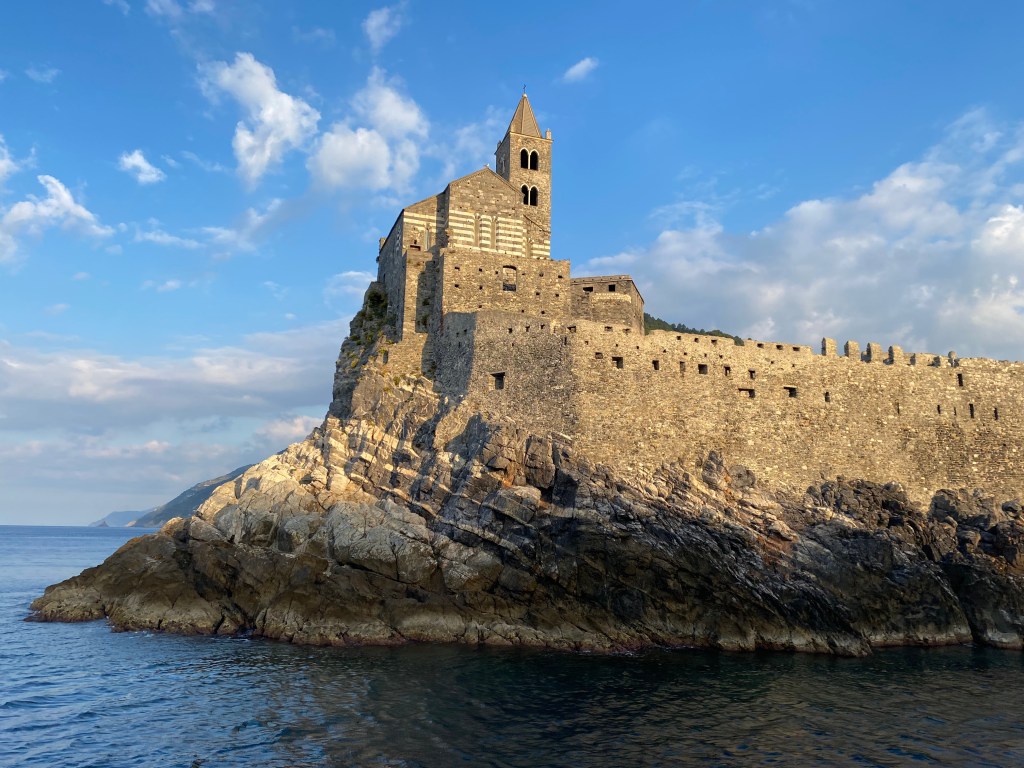
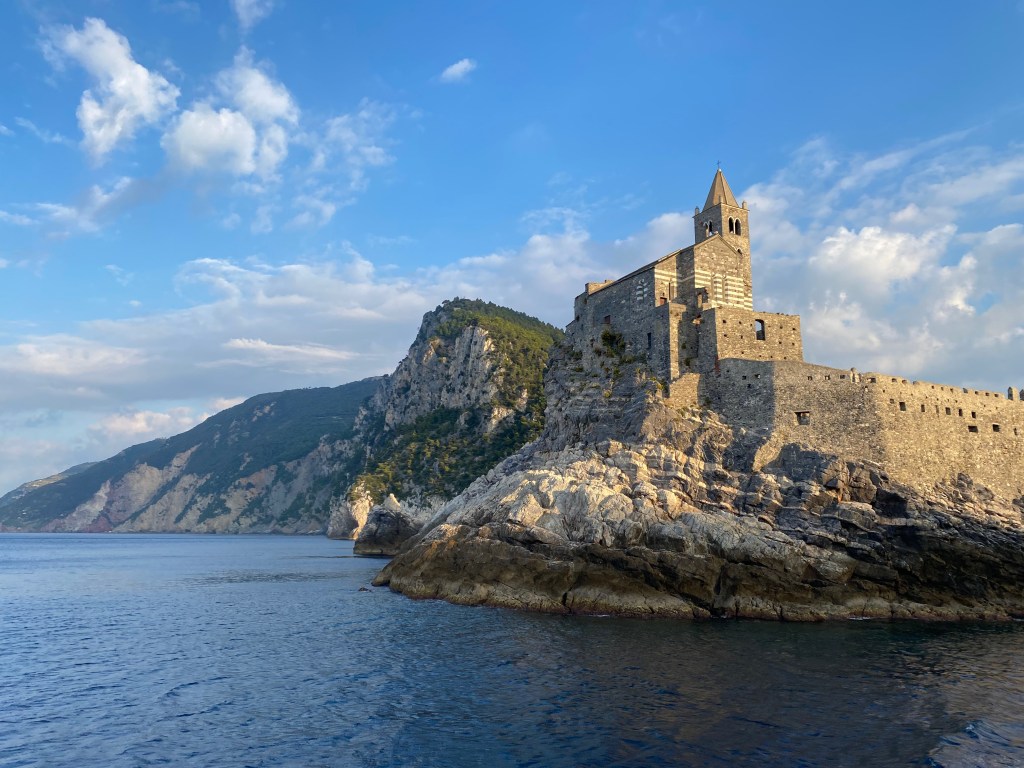
Our day started with a mini-van ride to Porto Venere where we caught the ferry to Monterosso. The boat ride would take us along the entire Cinque Terre coastline and past all five of the small villages nestled along the shore at the base of the steep terrain. As we left the harbor in Porto Venere and headed out to the Ligurian Sea, we passed by the Church of San Pietro all aglow in the morning light.
It was a beautiful day for a ferry ride. The sea was calm and the sun was bright and warmed of us even though there was a chill in the air on the water.


From the water, we got a really good view of the landscape of the Cinque Terre and an understanding of the steep terrain and what lies ahead for us as we traverse this landscape on foot!
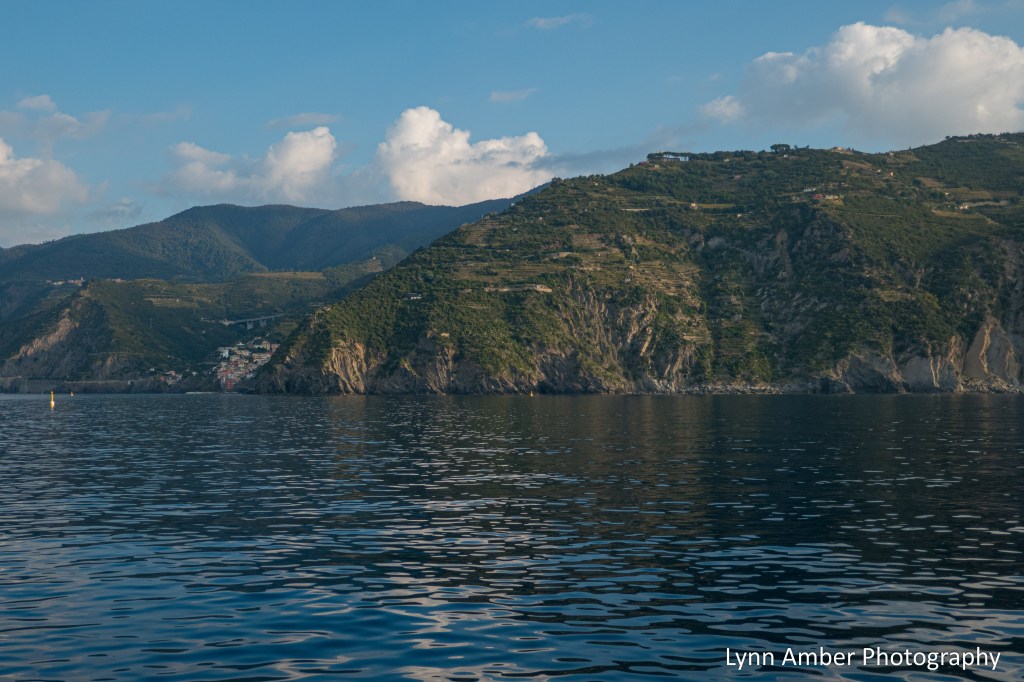
The ferry ride to Monterosso is about an hour long and we would be making one stop along the way to drop off and pick up passengers in Riomaggiore – the first village we come to on the coast. We will be back here on foot at the end of the day to catch the ferry back to Porto Venere.

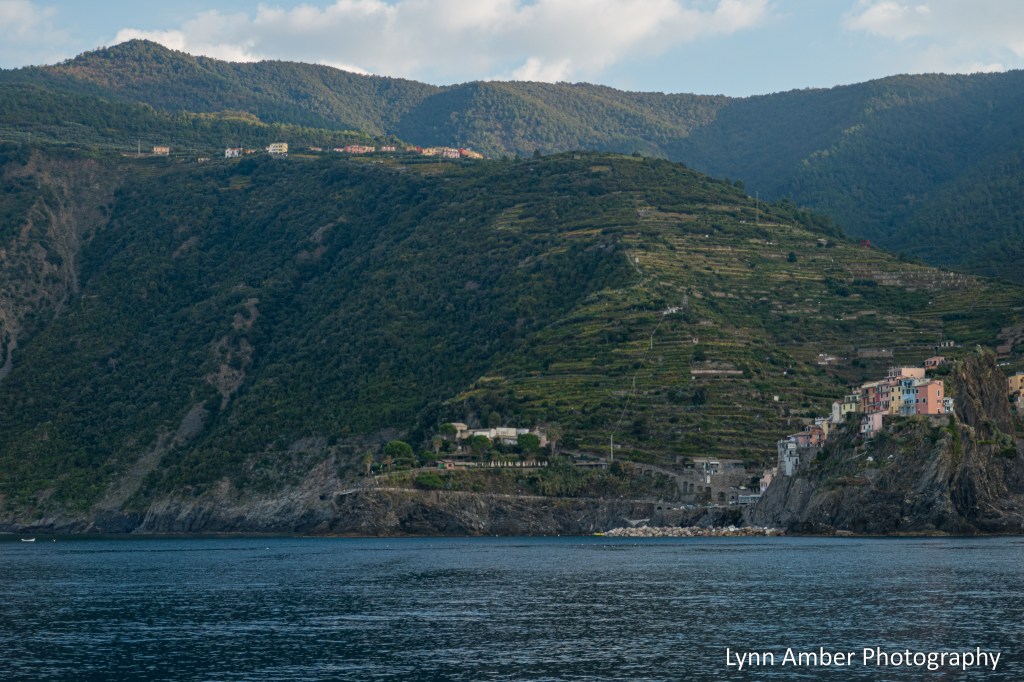
Riomaggiore is one of the easiest villages to dock the ferry since they built a barrier to create a calm breakwater area between the shore and the sea. In some of the other villages, when the sea is rough the ferry cannot dock. Leaving Riomaggiore, we continued up the coast and passed by the village of Manarola.
In the photograph below, you can see Manarola in the bottom right hand corner. On the ridge up and to the left is Manarola’s sister village, Volastra. Each village along the Cinque Terre has a sister village up on higher ground. These villages had a reciprocal relationship – helping each other out with goods and services during a time when the villages were more isolated without roads or public transportation. In a couple of days, we would be hiking from Manarola to Corniglia via Volastra.

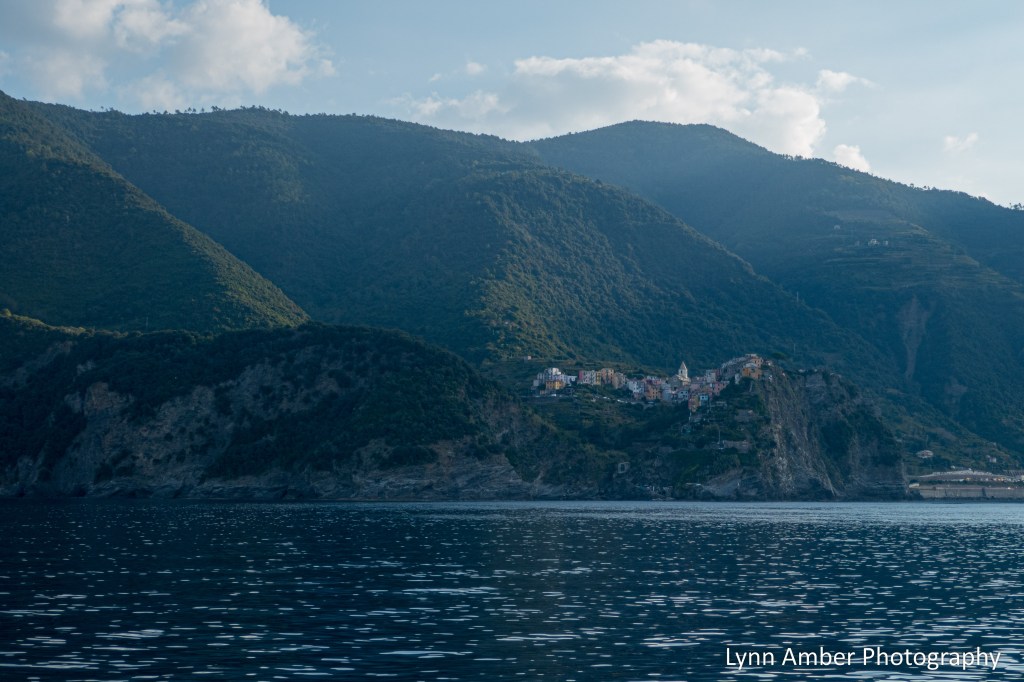
The next village we passed on our boat ride north is the tiny hamlet of Corniglia. Corniglia is the smallest and least visited village along the Cinque Terre and is the only village that is not directly on the water. One of the things that contributes to it being less travelled is the accessibility of the train station. It sits below the village and demands a descent or ascent of 385 steps depending on whether you are leaving or arriving by train.
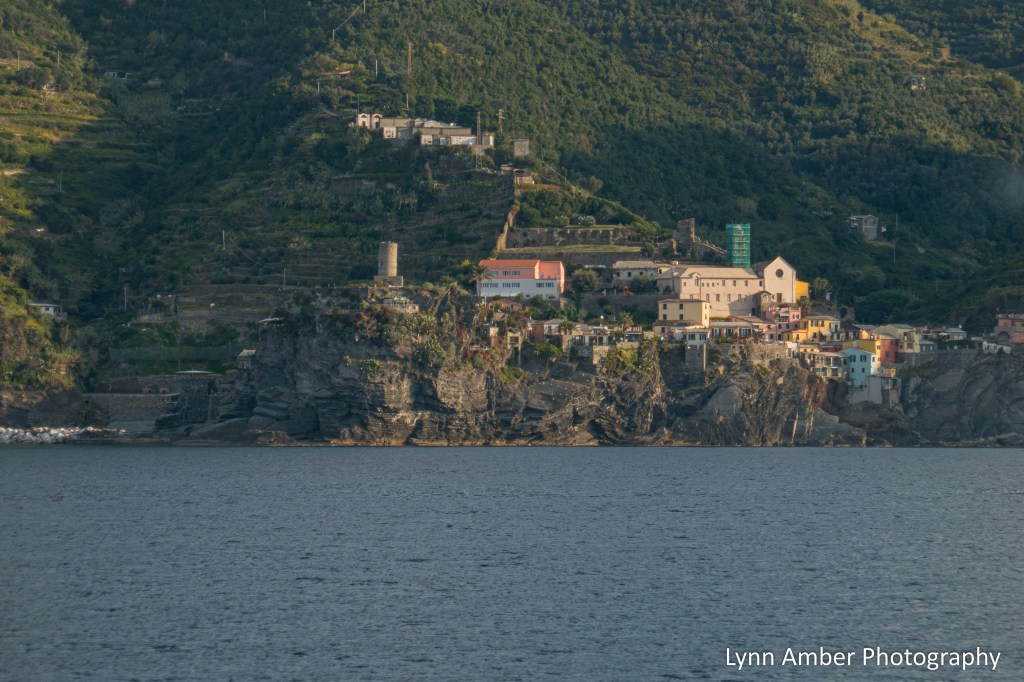
Moving north we can barely see the buildings that comprise the town of Vernazza. This would be our hiking destination today via the trail from Monterosso. The harbor is very protected and secluded from the sea. It is one the prettiest villages and we will get a better view of the busy harbor area from our walk.
And, finally, a short distance from Vernazza is the busy town of Monterosso. Possibly the liveliest of the five towns, Monterosso al Mare has two sections – a new town and an old town. It also does have some flat seaside beaches. The ferry docked and we disembarked. We had some time before our hiking guide Boris would arrive to start our walk. He lives in Genova and travels each day to meet us. His train was delayed this morning. So, we wandered around the old town area for a spell and made sure to hit the public restrooms before we departed on the hike. Public restrooms are more abundant in Europe, often have an attendant present and cost around one euro to use. Always be sure to have some coins with you when you travel! The alternative is to enjoy a meal or snack at a local cafe or restaurant which then entitles you to use their restroom. This also contributes to the local economy!


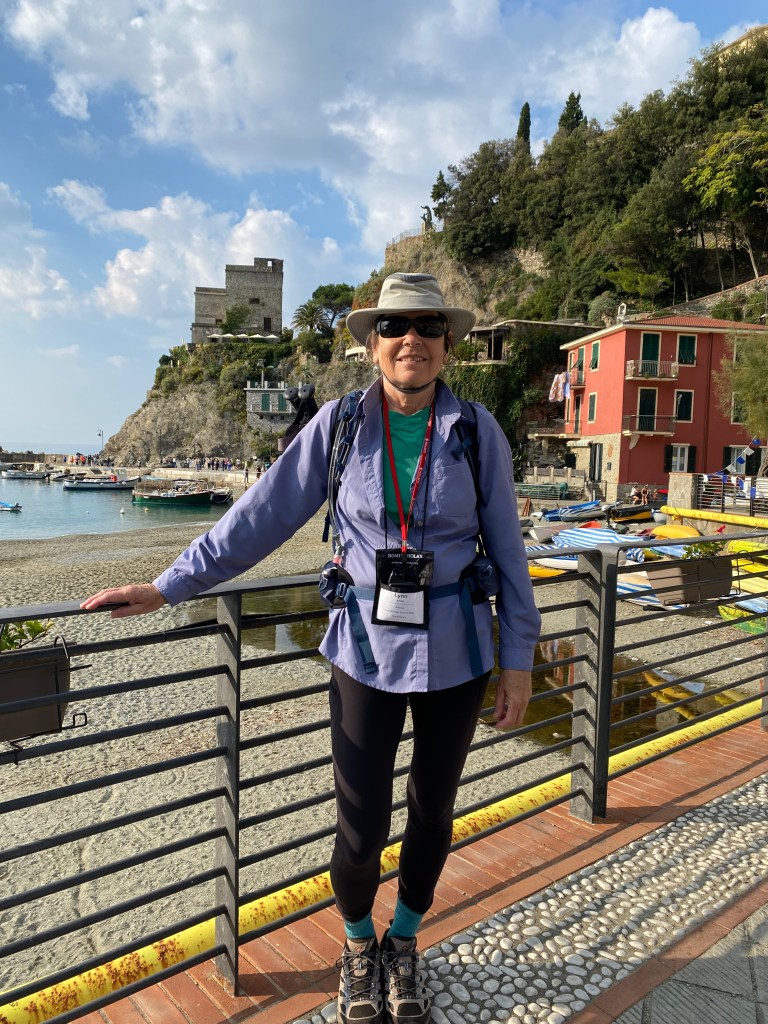
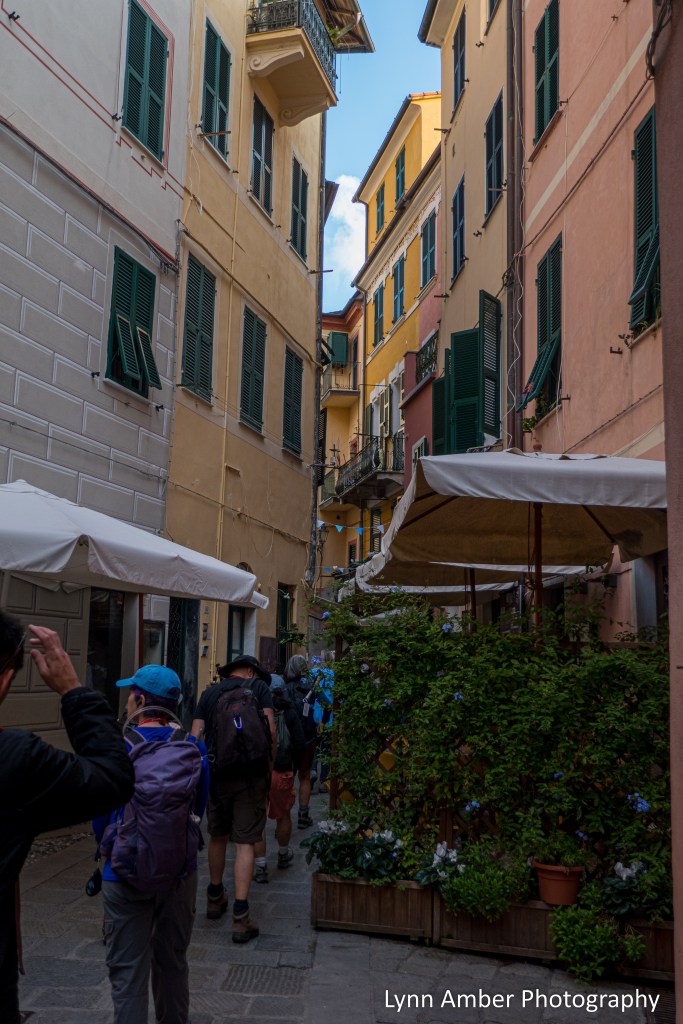
The town was crowded with people but we managed to walk some of the narrow side streets and visit one of the churches.

The Church of Saint John the Baptist was of the same architectural type as we’ve seen in Porto Venere – with the black and white façade.


Love the potted flowers and, of course, I’ve been smitten with shutters and ancient doorways ever since my Camino in Southern France!


There was a cute artsy wall near the public bathrooms and I just had to take a photo! Octopus are common in the waters off the coast of the Cinque Terre.

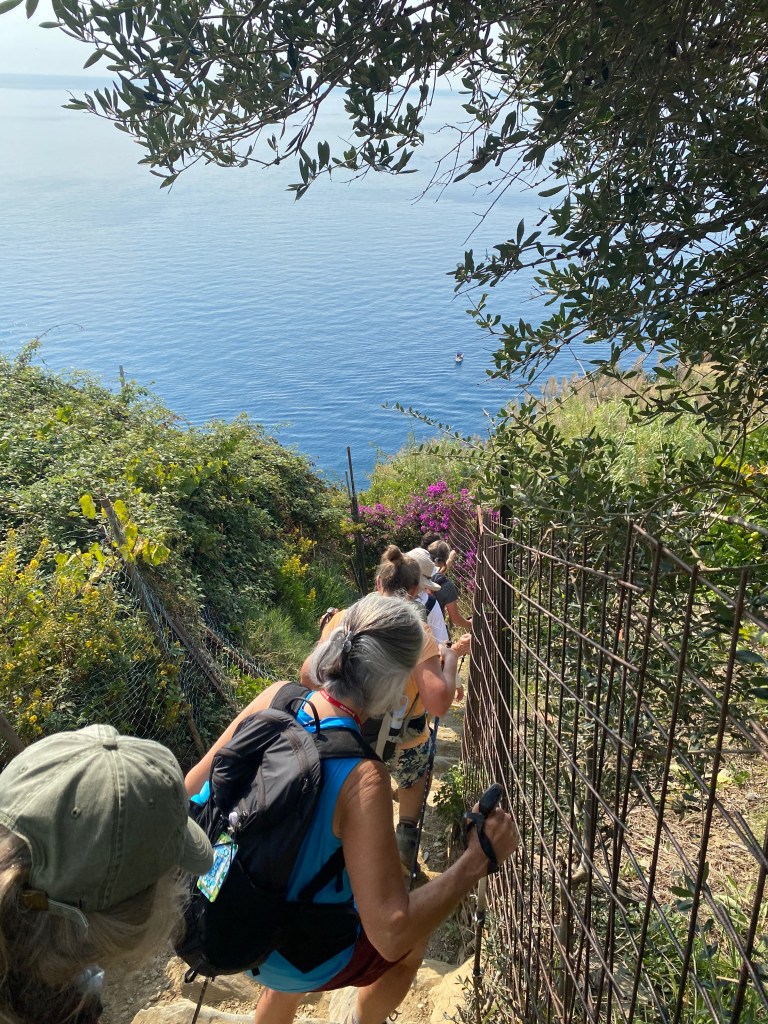
Well, Boris finally arrived and it was time to start our hike. Today’s hike would be more challenging than yesterday’s jaunt around Palmaria Island. Boris and Leonardo rated our hike today as moderately challenging. We would be hiking about 2.5 miles – which does not seem like much – but the initial ascent involved a steep climb with 700+ stone steps. Our total elevation gain/loss today would be 1200′. We would encounter terrain that alternated between steps, cobblestones, dirt and rocks and, at times, it would be a narrow trail. Toward the conclusion of our hike, the descent into Vernazza would be steep with many more rocky steps!
Our guides were very organized. Boris always led the way and provided commentary on the history and culture of the area via those handy wireless transmitter/receiver communication devices. Leonardo always brought up the rear helping those in the group who had a slower pace. The hike started off fairly tame with a promenade high on the cliff above the sea. After climbing the 700+ rock steps, we had a stretch of tame ups and downs before our ultimate steep downhill into Vernazza. It was a breathtaking hike along the coast with dramatic views of the Ligurian Sea.


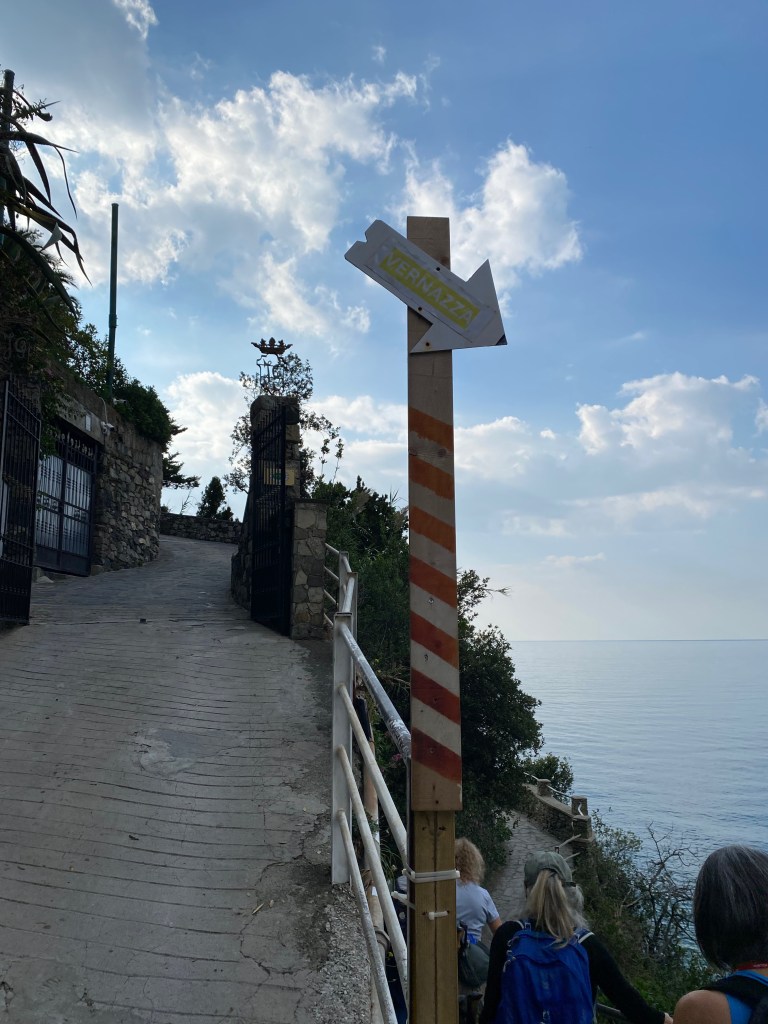

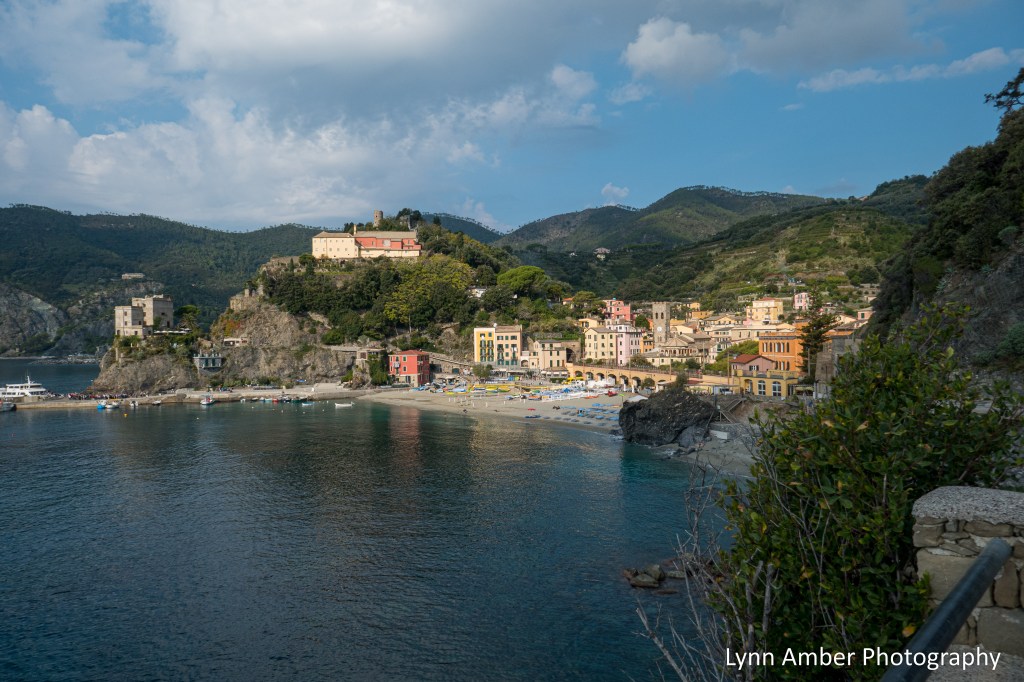

I only managed to grab one photo that represents the steep stairs that we climbed. Multiply this by about 35 and it gives you an idea of the initial ascent.

The pace that Boris set for the group was just right and most of the group adapted well to this pace. We stopped at strategic spots along the way for breaks – usually places with enough room for us to get off the trail and not block other hikers or places of interest.
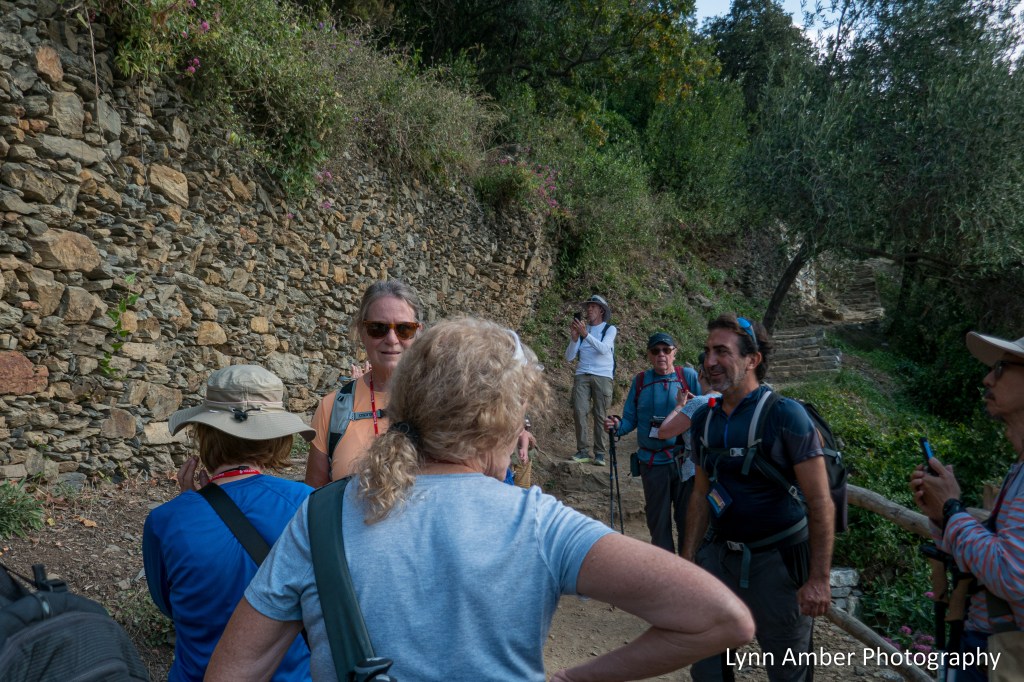
Above, Boris is explaining the history of the stone walls that were built to terrace the hillside. These walls were tall and built to created level areas for vineyards, gardens and olive trees.
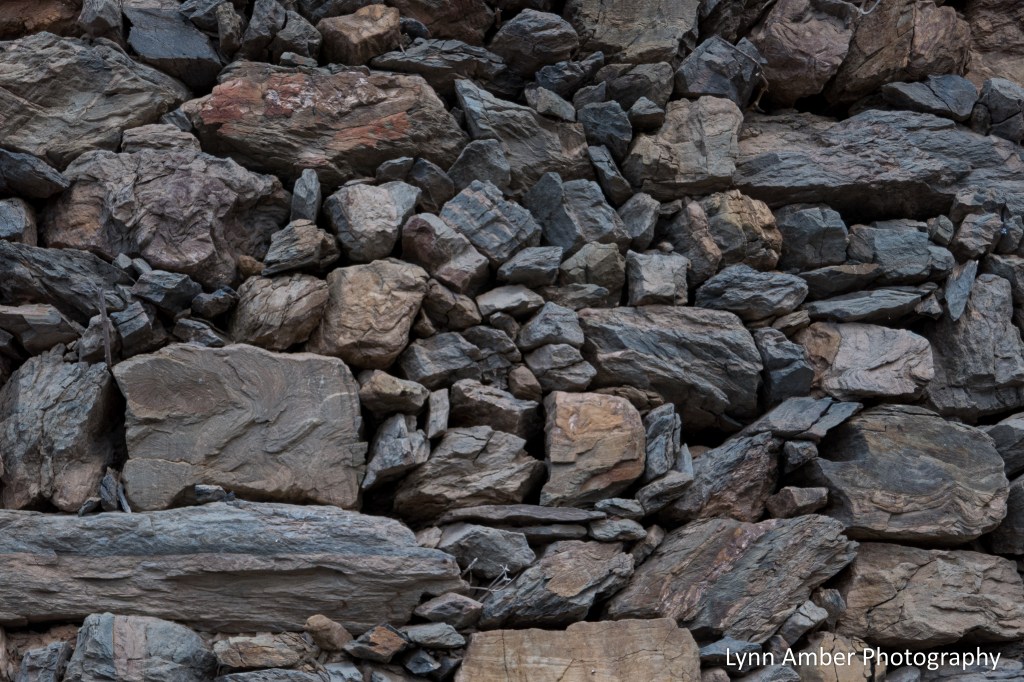
Many of the trails we were walking on were the ancient paths used by the farmers to move about this difficult landscape. In the photograph below, the stone “steps” worked into the wall were used by locals to move from one level to the next. All the labor of transporting the grapes and harvest was done by hand.

In much of the area we walked through, the terraces were overgrown and the walls were in a state of disrepair. When public transportation came to the area in the way of rail and road, the local population had more access to the larger towns like La Spezia and their way of life shifted. The tough life of subsistence agriculture was abandoned and many of the farms became overgrown. When the area was designated a national park in 1999 as a means to protect the cultural and historical aspects of the area, the work began to restore many of the walls and abandoned buildings. Below, one such restoration project is underway by the national park. The stone used for the construction project arrives on scene in large plastic “bags” suspended from helicopters!
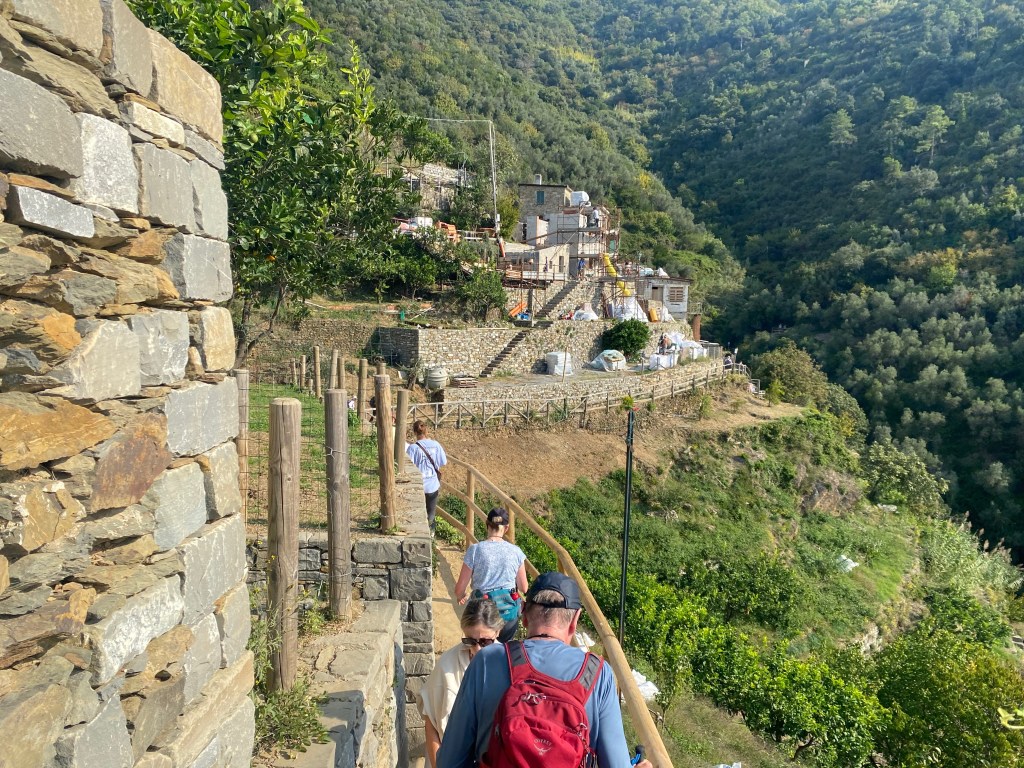
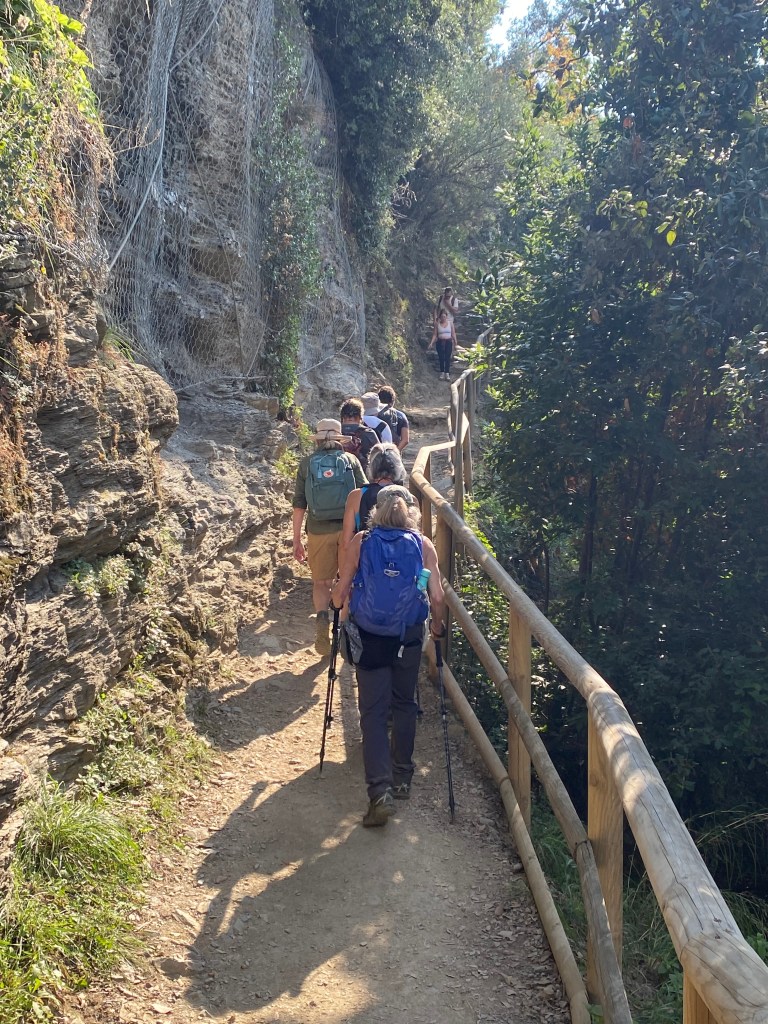
Some more hiking photographs:
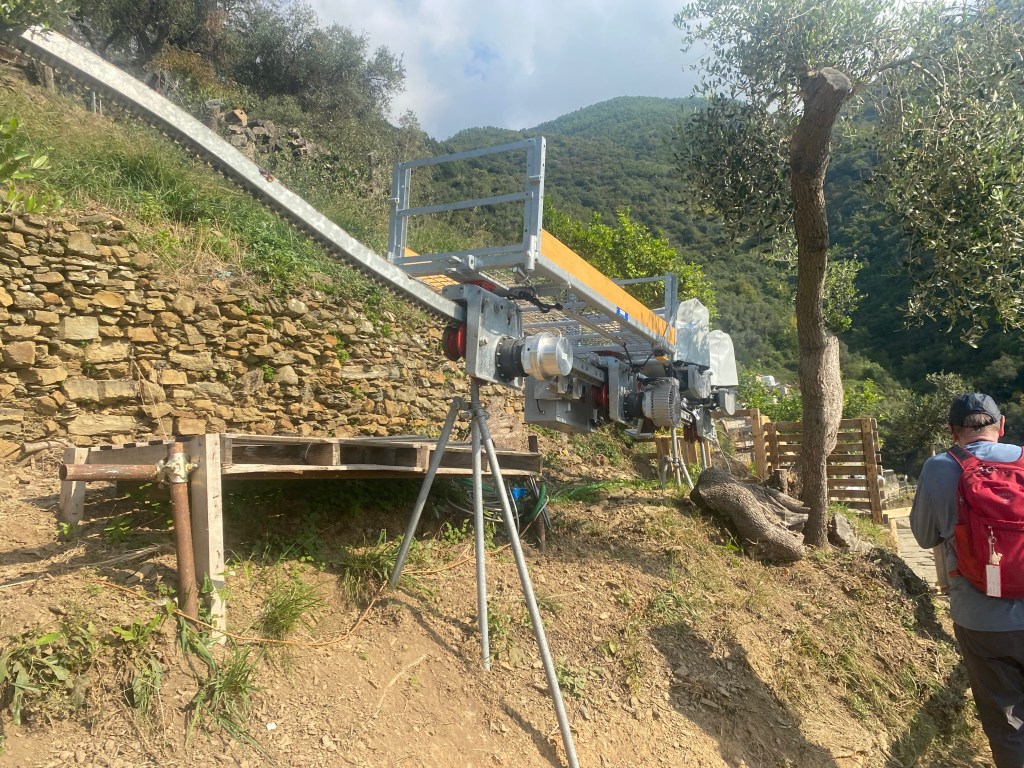
We kept coming across this interesting “rail” system that criss-crossed the trail. In an effort to modernize the harvest of the grapes, this system was developed to transport grapes. Much easier than moving the harvest by foot!
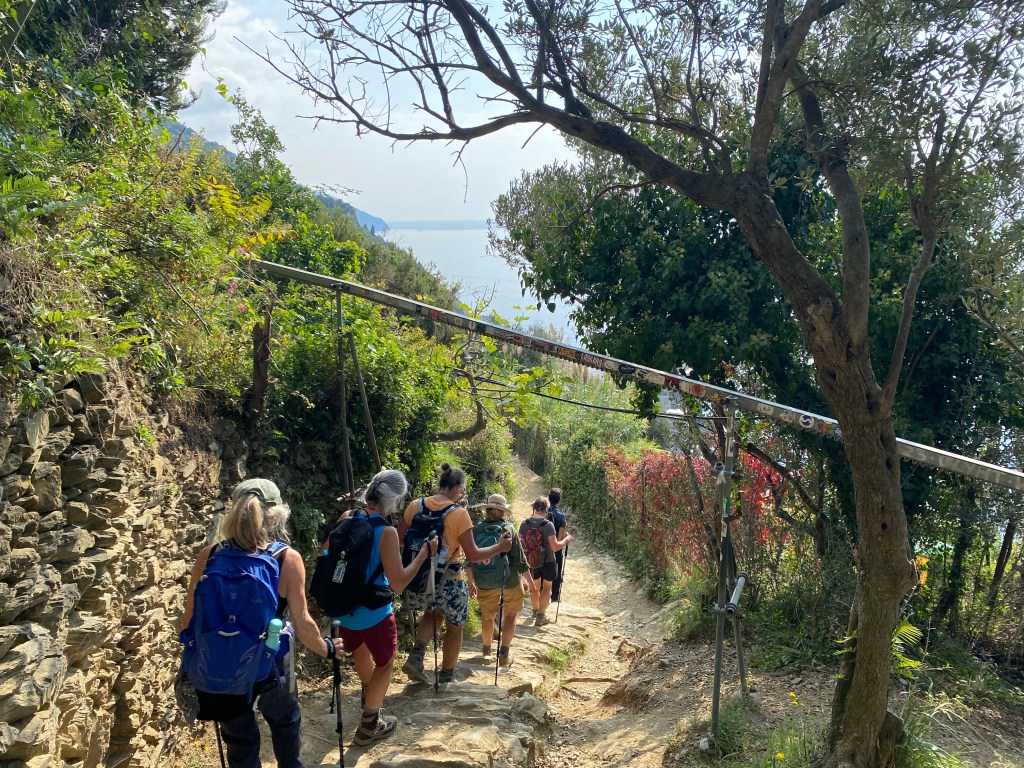
Boris has been leading groups on this trail for 13 years and has designed “hiking breaks” that also serve as scenic overlooks. As we rounded a corner where we finally got a peek of Vernazza, the view was incredibly picturesque. The picture illustrates perfectly the reason why the view of Vernazza and its harbor from the ferry is obscured.

Heading down into Vernazza:
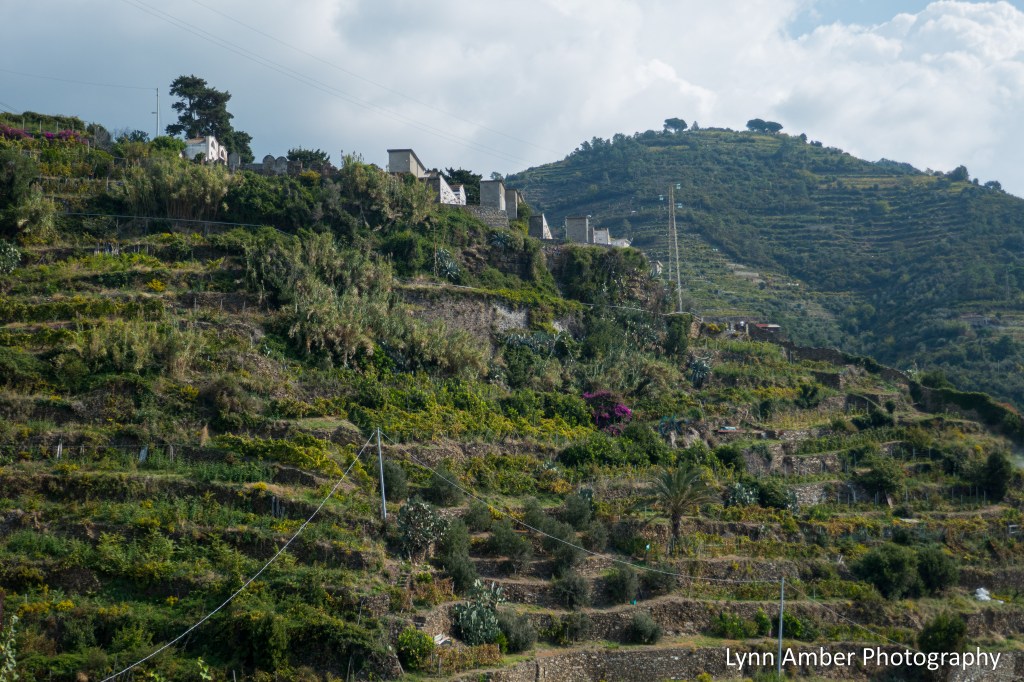
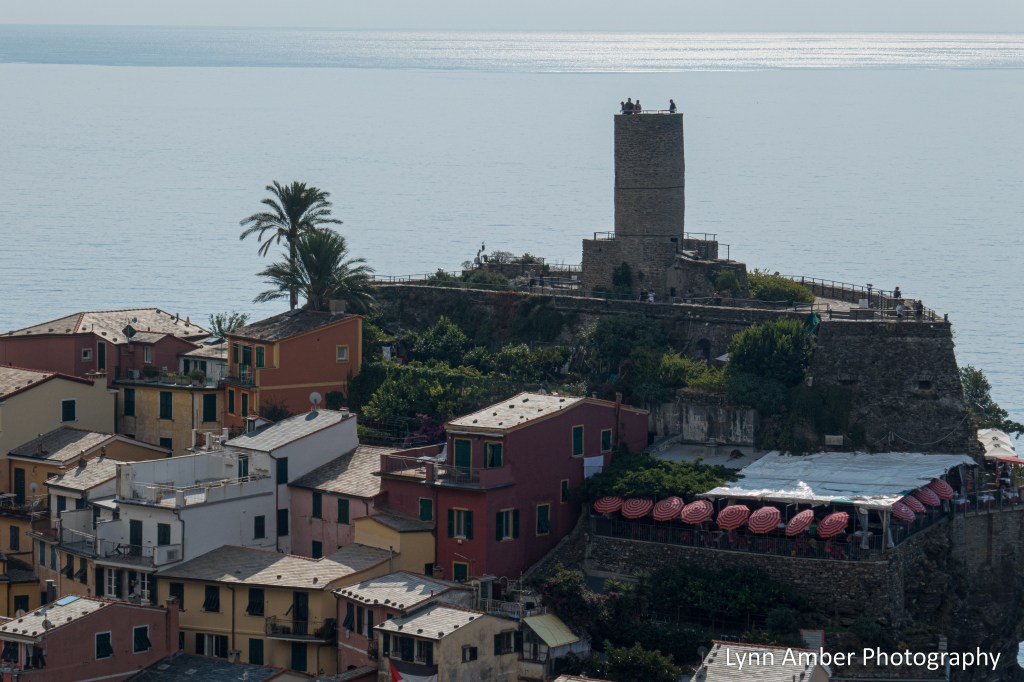

As we dropped down into Vernazza, there were some great opportunities for photographs!
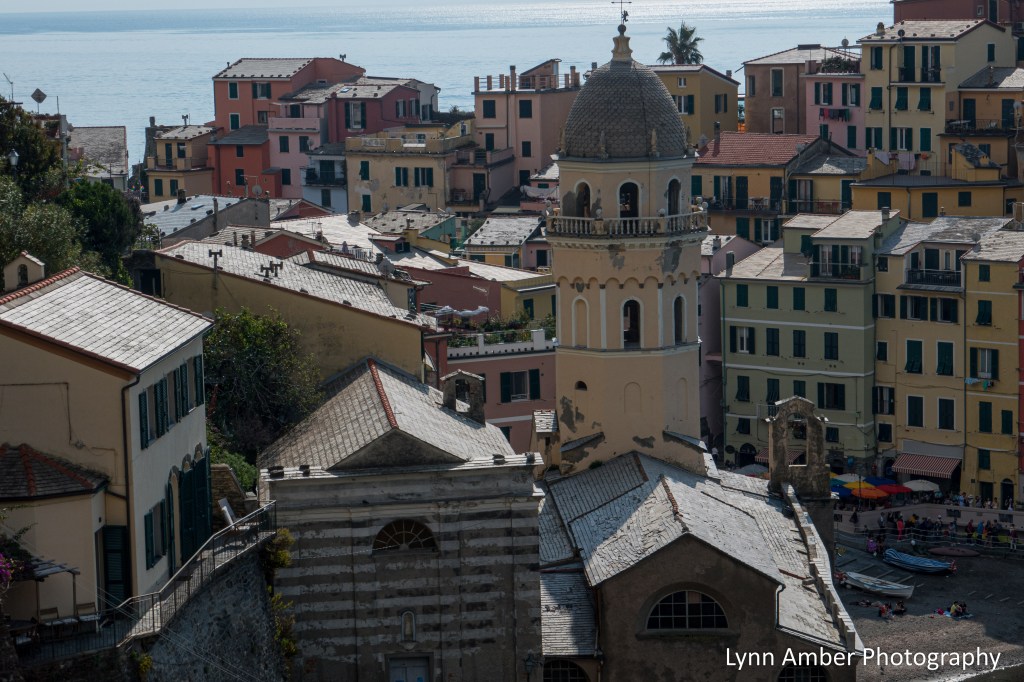

The boats above represent the traditional boats used for fishing and transporting of goods. Gozzos were small wooden boats mostly used for fishing. Leudos were somewhat larger boats used for transporting goods such as barrels of wine. The boats were small because there were no harbors back in the day. Boats had to be lowered down into the water via a “crane-like” device. Today, many of these reproductions of the traditional boats are used for tours.

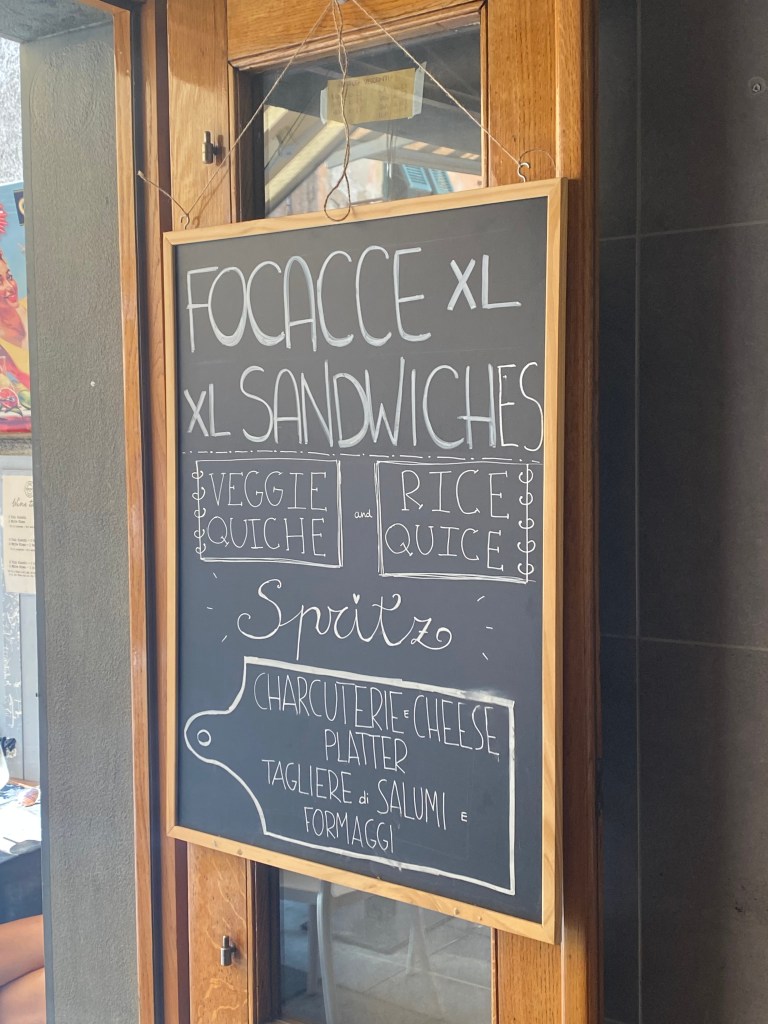
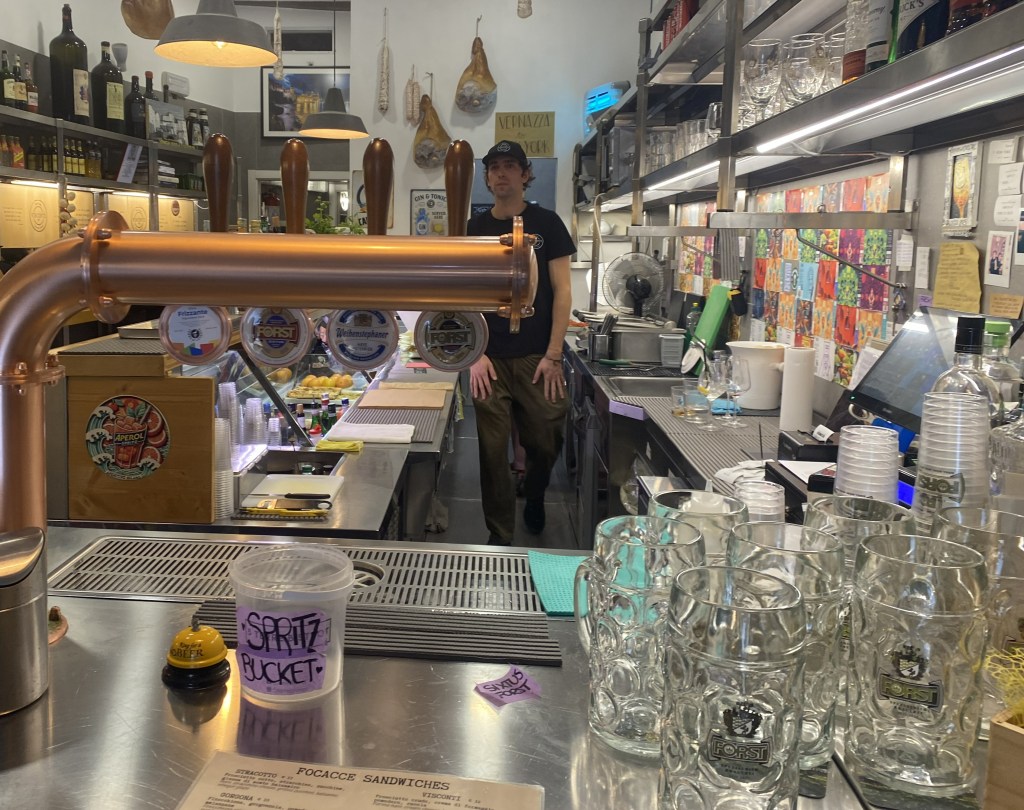
Once we got to Vernazza, we were on our own for exploring and eating lunch. I joined a couple of fun ladies from Washington State for lunch and a walk-about. We grabbed some foccacia to-go, a nice cold beer and headed to the harbor to eat alongside the water. It was a glorious, sunny day with good company. I am thankful for these two best friends from the west coast for “adopting” me and letting me hang out with them today!
The province of Liguria is famous for its unique version of foccacia. The word comes from the Latin focacias translating to “hearth bread” and – let me tell you – it’s nothing like the foccacia here in the states. Here in Liguria, it is mouth-watering good with many scrumptious embellishments. I became obsessed with sampling it in various places throughout the week!

We sat on a wall above the water and ate our lunch in total bliss! I could not resist taking my boots off and dipping my hot, sweaty feet in the water.

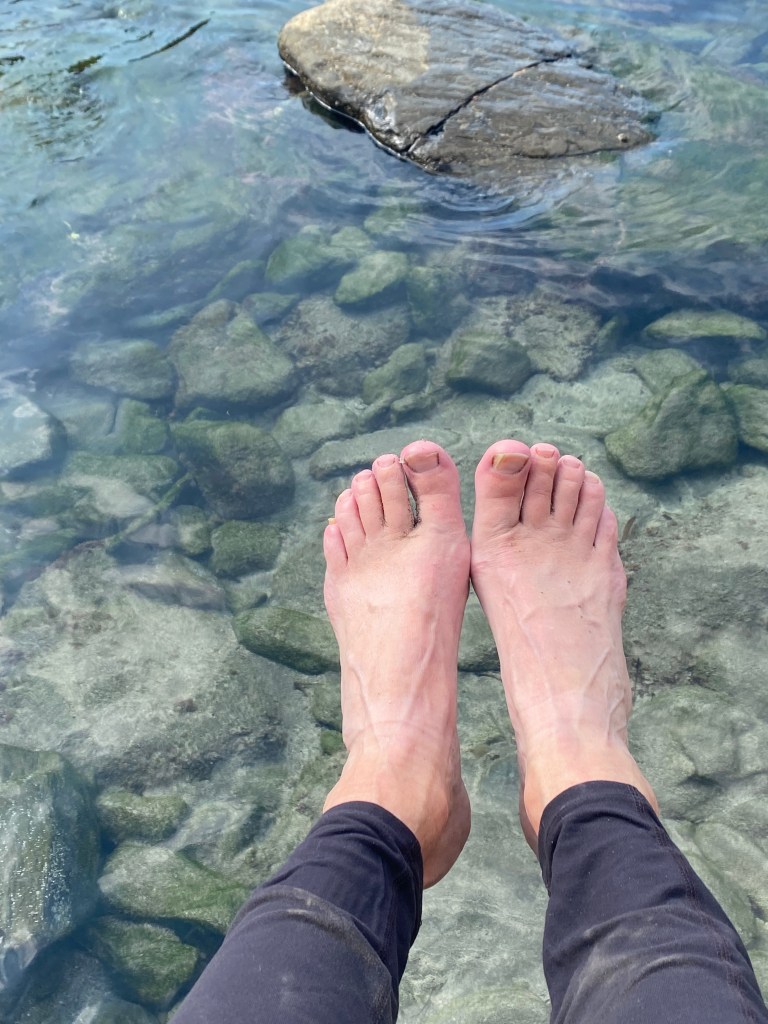
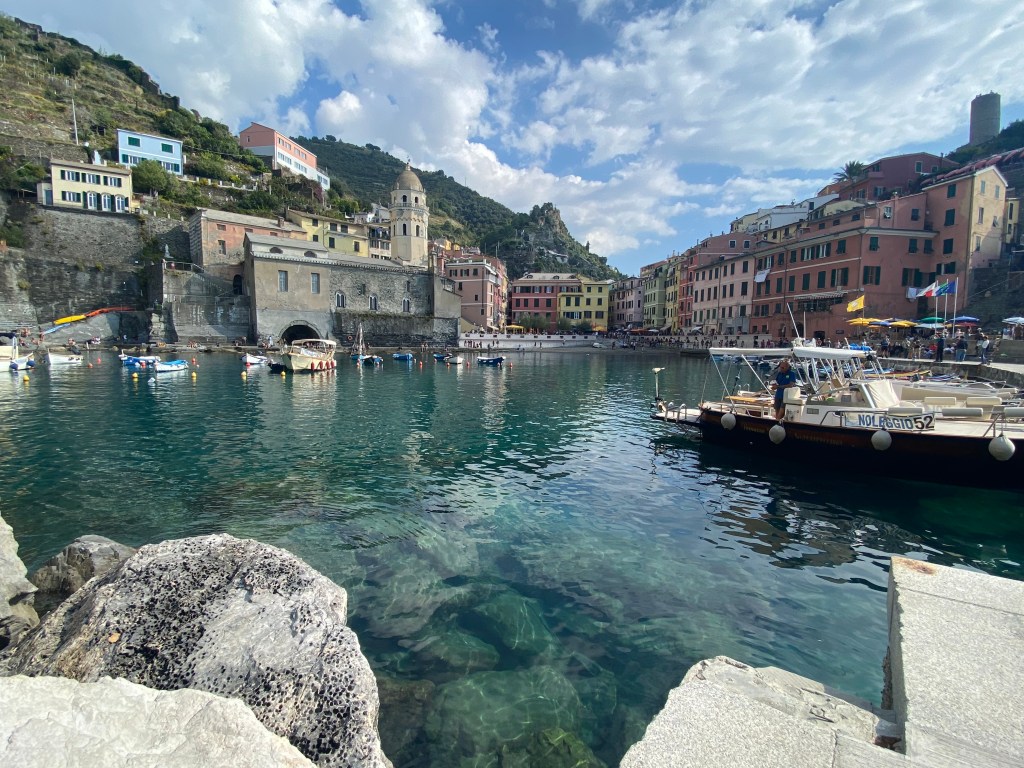
We strolled around the harbor after lunch and it was the most photogenic area! Most online pictures of Vernazza look exactly like the ones I snapped! Colorful and lively!
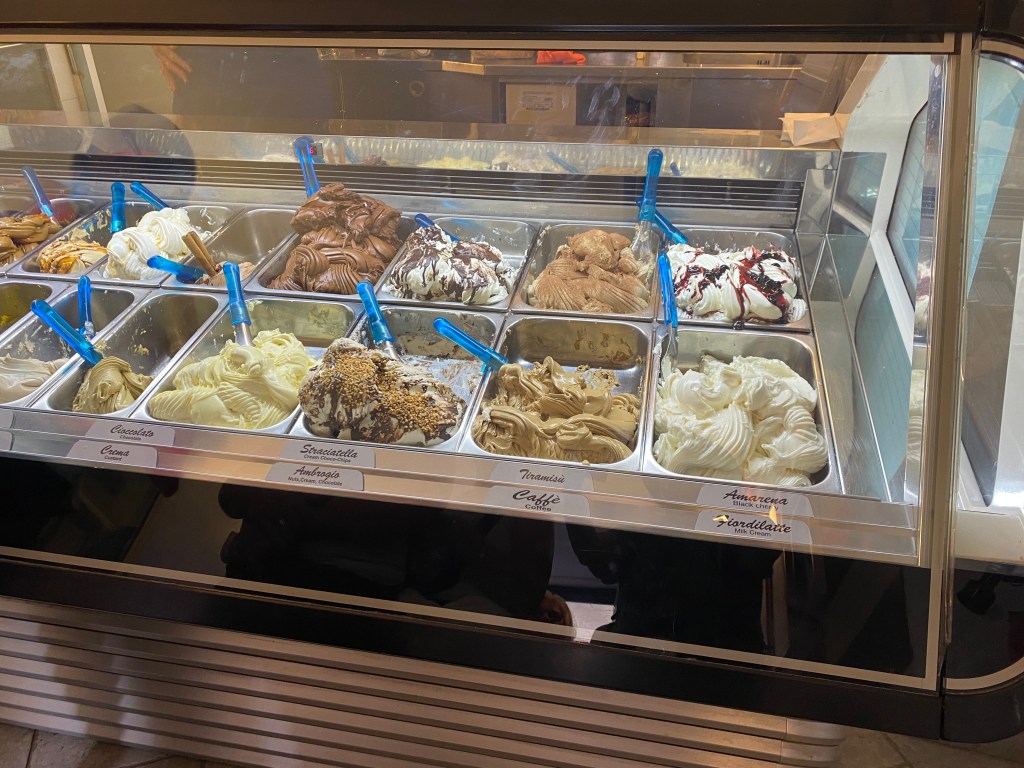
We had some time before our rendezvous with the rest of the group so we stopped by – what else! – a gelato shop!!
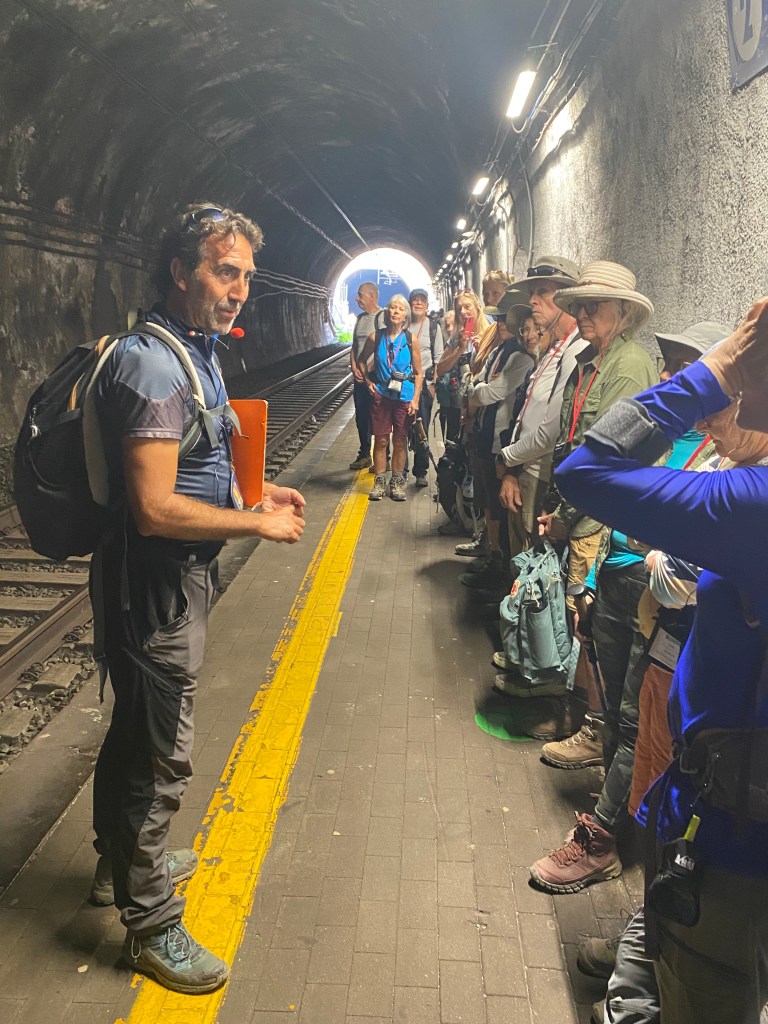
It was time to connect with the group and head to the train station that would transport us down the line to Riomaggiore. Boris lined us up along the tracks and gave us a pretty good lecture about guarding our belongings against pickpockets while on the train and when loading and unloading.
The train ride to Riomaggiore was short and the train was very crowded. It was a bit nerve-wracking with the crowded aisles to make sure we exited the train without being left behind!! Once in Riomaggiore we had to make our way from the train terminal to the ferry docks across town.
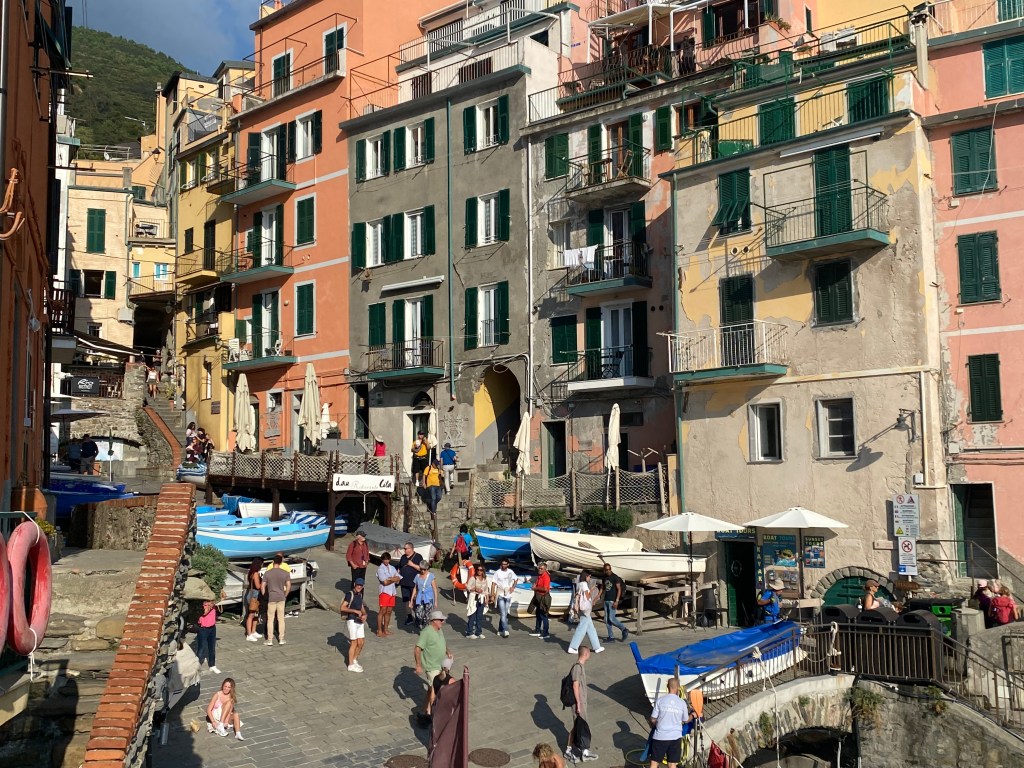

The main street in Riomaggiore is actually a “covered canal” that has a stream underneath that flows out to the sea (in the foreground of the photograph above). This is true of the main street in Vernazza as well. The town got its name from this stream called “Rio Maggiore” or “Major River.”

It was a perfect day. We arrived back at our hotel in time to freshen up and return to Porto Venere for dinner at the Ristorante La Marina. Once settled back in the hotel for the evening, I did not have any trouble falling asleep!
Oak Leaves and Snow

Winter’s icy grip
Grasps the marcescent oak leaves
Clinging for dear life.
~Lynn Amber
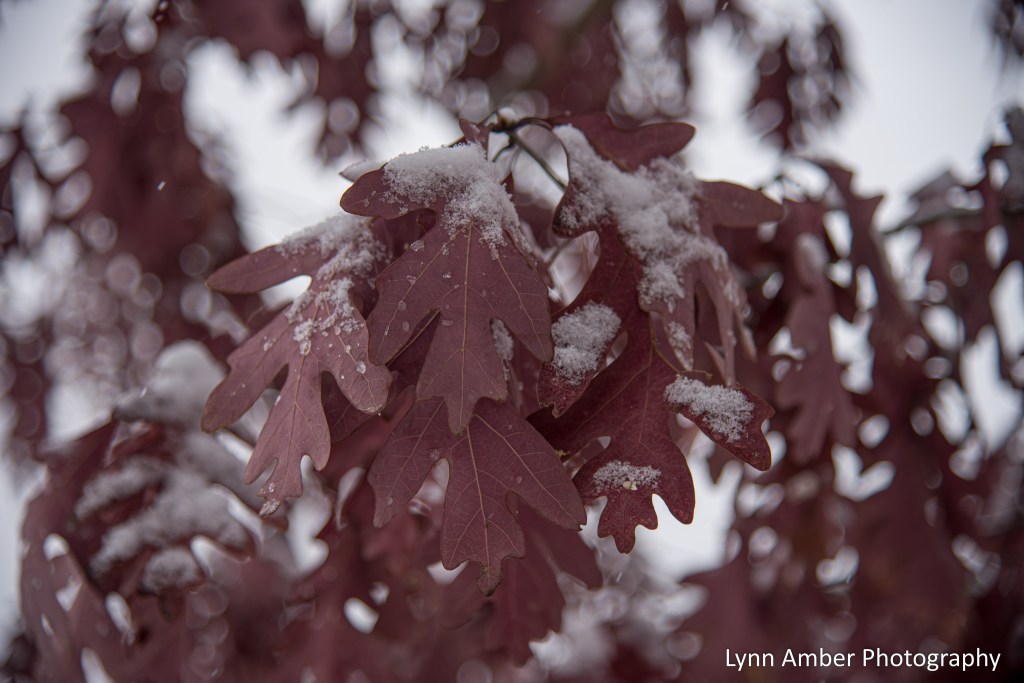
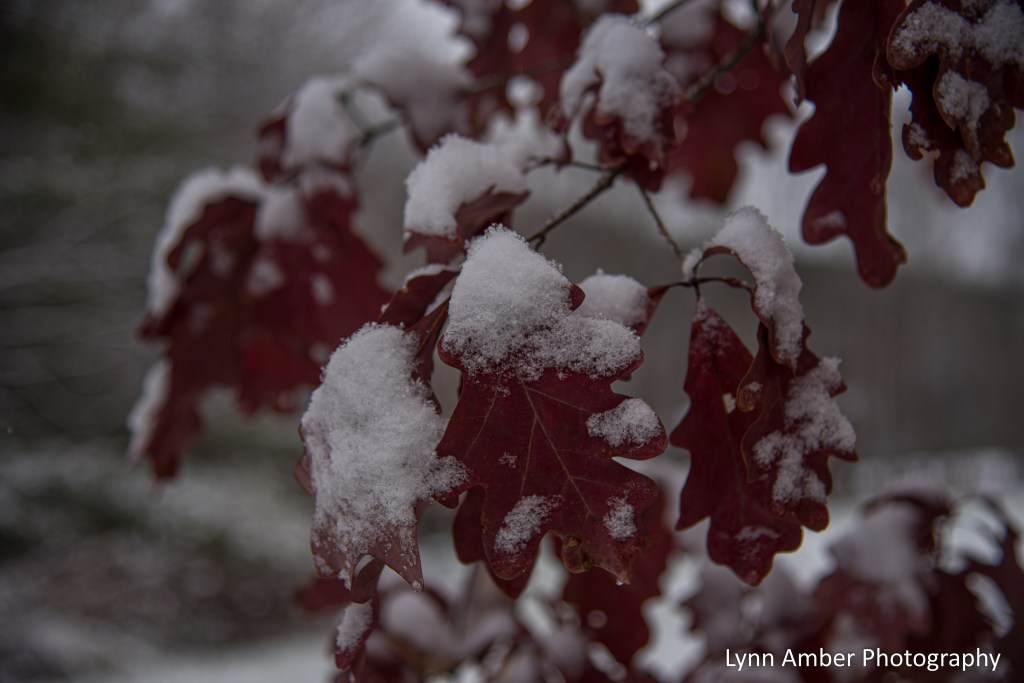
The oak trees on our property are not native to this precise location. They were born from acrons scooped up at a Pennsylvania rest stop many years ago – by my son Luke and I. We were enjoying a short road trip to my home state of PA and had stopped to take a break along the interstate. There were a variety of different species of oaks at the rest area and we indiscrimately gathered acorns from all over the ground.
I was home-schooling my son at the time and the acorn experiment became an impromtu science lesson. We planted the acorns back home in Vermont and watched them grow over the years. There is a mix of Red Oak, White Oak, and Chestnut Oak. My husband eventually dug them up from the temporary “nursery” where they were planted along the edge of the forest and dispersed them around the property. This is their story – a piece of Pennsylvania that we brought back to Vermont.
Cinque Terre Hiking Trip – Day 2

October 13, 2025 – Day 2 – Palmaria Island and Porto Venere
The second day of our group tour started with a boat trip to Palmaria Island from the small village of Porto Venere. Our first hike would be on the island of Palmaria in the Parco Naturale Regionale di Port Venere. The program did a fantastic job of organizing the hikes so that we would be going from “easier” to “harder” throughout the week. Today’s hike would be the easiest hike of the week – with a 700′ elevation gain along a 2.5 mile trail. Our guide, Boris, was very specific at the start of each hike concerning the level of difficulty and the conditions along the trail – steepness of ascents and descents, whether the trail was asphalt, dirt, rocky, etc.
We used communication devices as we hiked so that we could listen to Boris as we walked. Even if you were in the back of the line or – like me- wandering off to take photographs, one could still hear his narrative. He commented on the history and culture of the areas we visited in detail. Growing up in nearby Genova, he has dedicated his life as a tour guide since graduating from college. In Italy, to be a tour guide requires training and passing a very rigorous examination. He explained that there are 3 types of guides – hiking guides, tour guides and group leaders. Both he and Leonardo, our group leader, are certified in all three.
Palmaria Island is the largest island in a 3-island archipelago. The two smaller islands are Tino and Tinetto. and are virtually uninhabited. Tino Island was the site of a medeival monastery and archeaological ruins remain there. It is also controlled by the Italian Navy which supports a lighthouse and its surrounding structures. Tinetto is barely more than a rock outcropping and also was home to an ancient monastery.
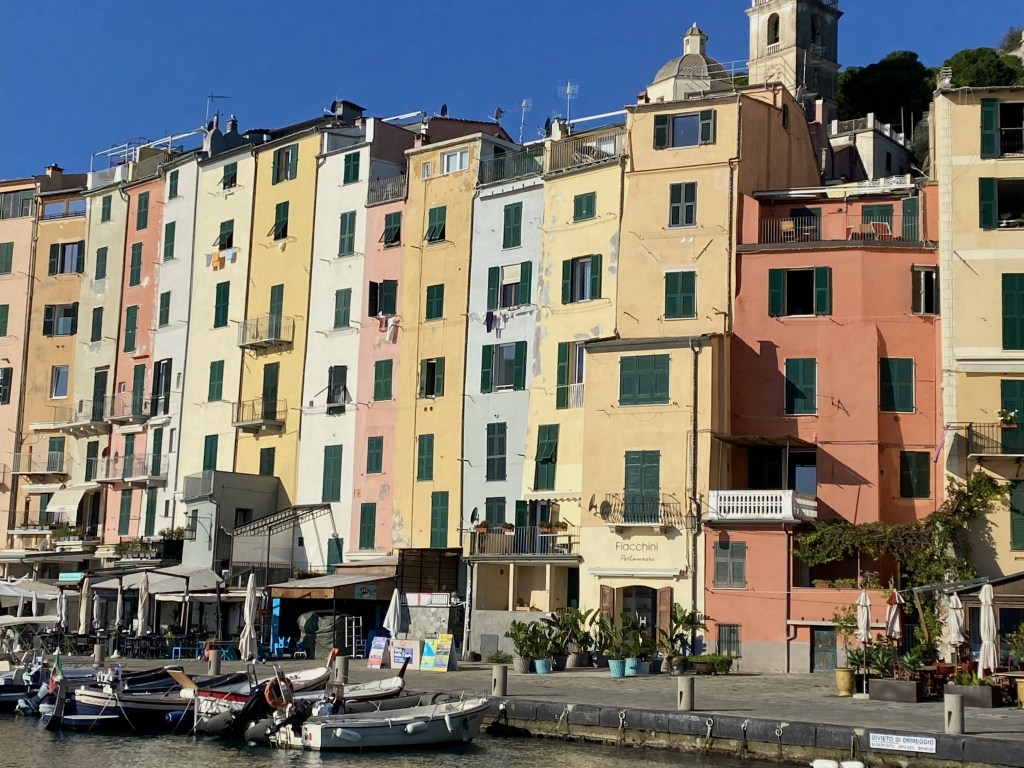
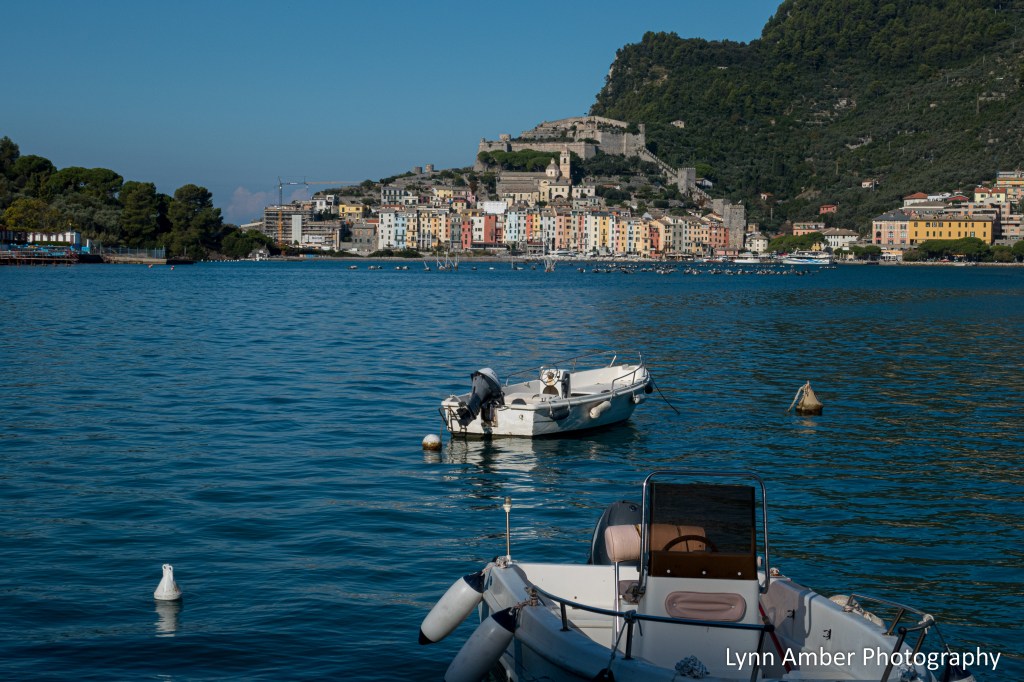
We arrived in Porto Venere in the morning to board the ferry that would transport us to Palmaria Island. Porto Venere was slowly waking up and the morning light on the colorful building facades was stunning!

It was a very short ferry ride across the channel.
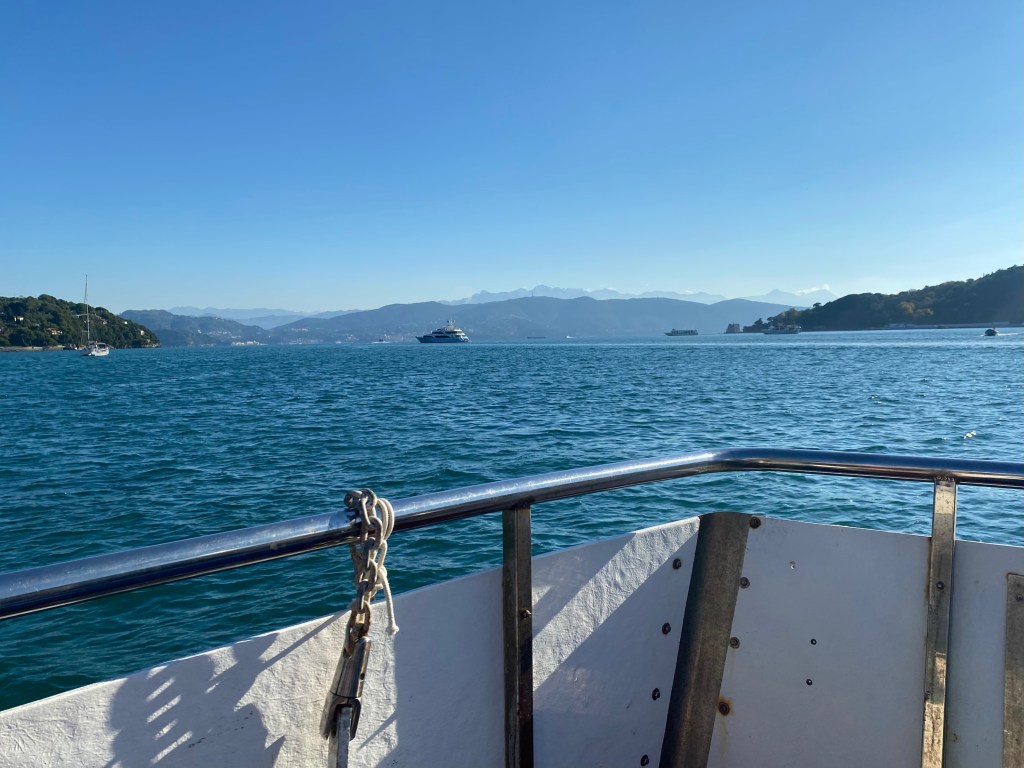
in the background
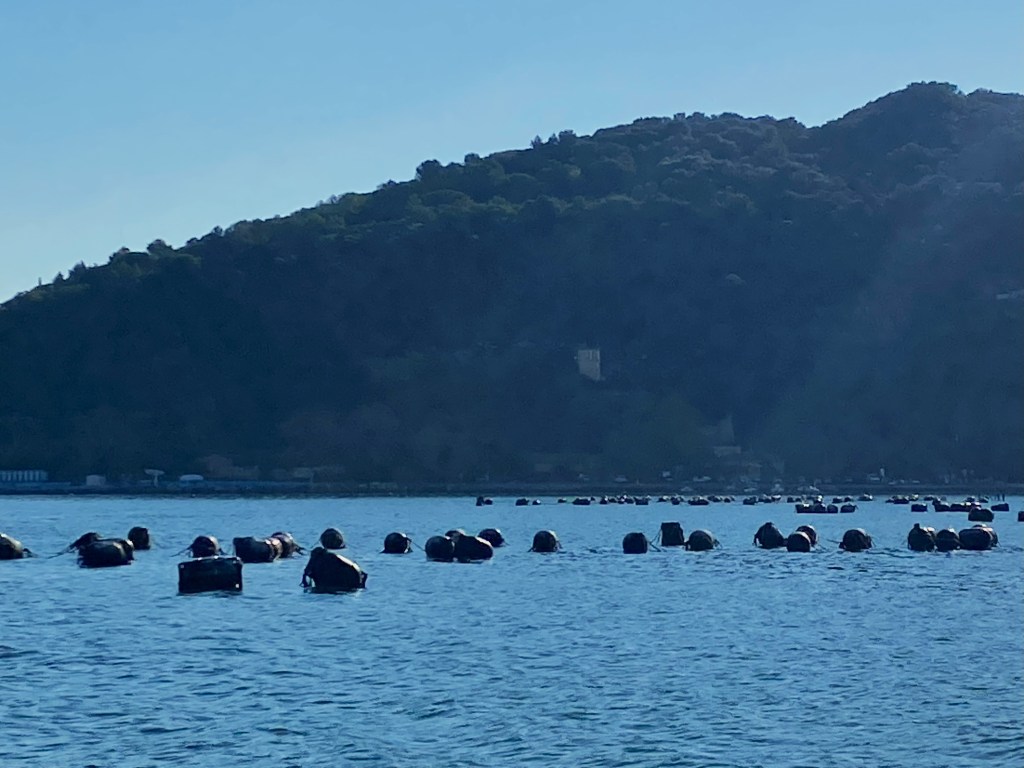
Once we exited the ferry and visited the nearby restaurant (where we would be eating lunch later) to use the restrooms, we started our hike. The initial part of the hike was a short, steep ascent that would take us near the top of the island where we would pass by an old fort.
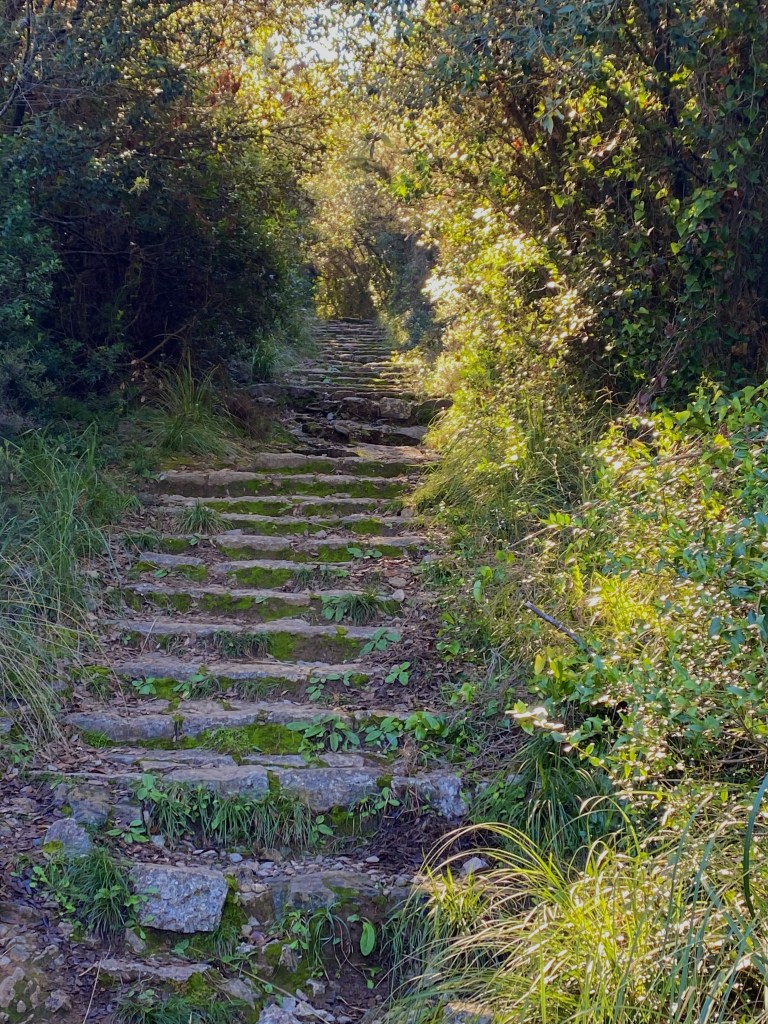
Once we left the pavement, we started up the steepest part of the hike today through overgrown mediterranean scrub.
Towards the high point of our hike, we passed by the ruins of Fort Cavour. The fort was a Napoleonic era military fortress designed in 1808 and constructed later in the 1800’s to defend the Gulf of Le Spezia.


As we walked, Boris was telling us about the resident “wild” goat population on the island and, as if right on cue, we were visited by some of this population! They were not shy!

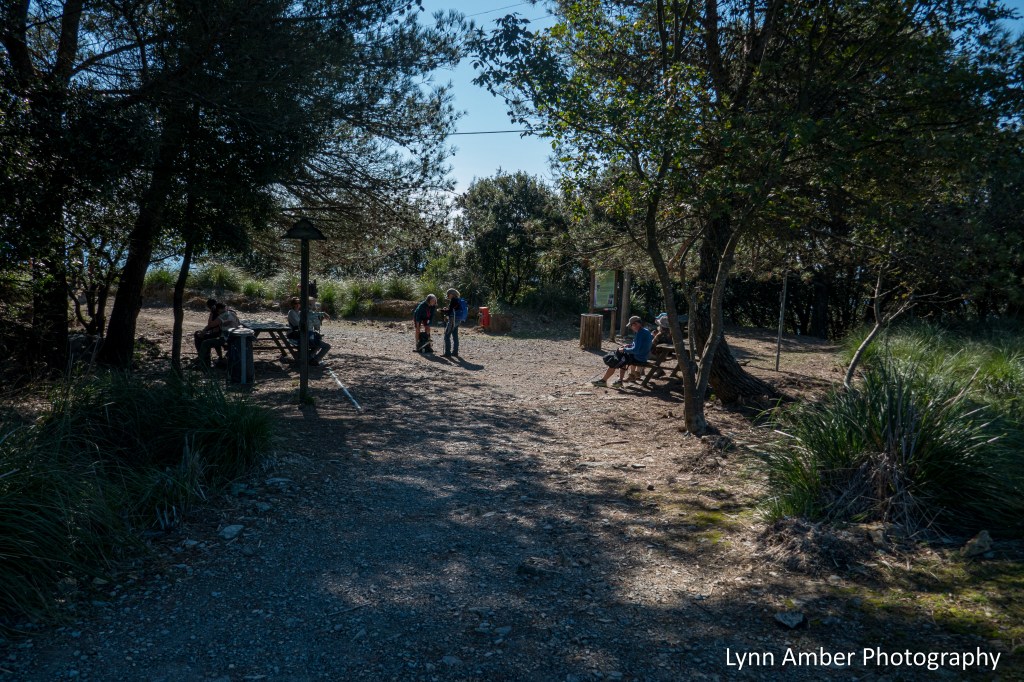
We took a break under some shade at the summit before heading back down the eastern side of the mountain. While resting, our guide explained some of the geology of the area.
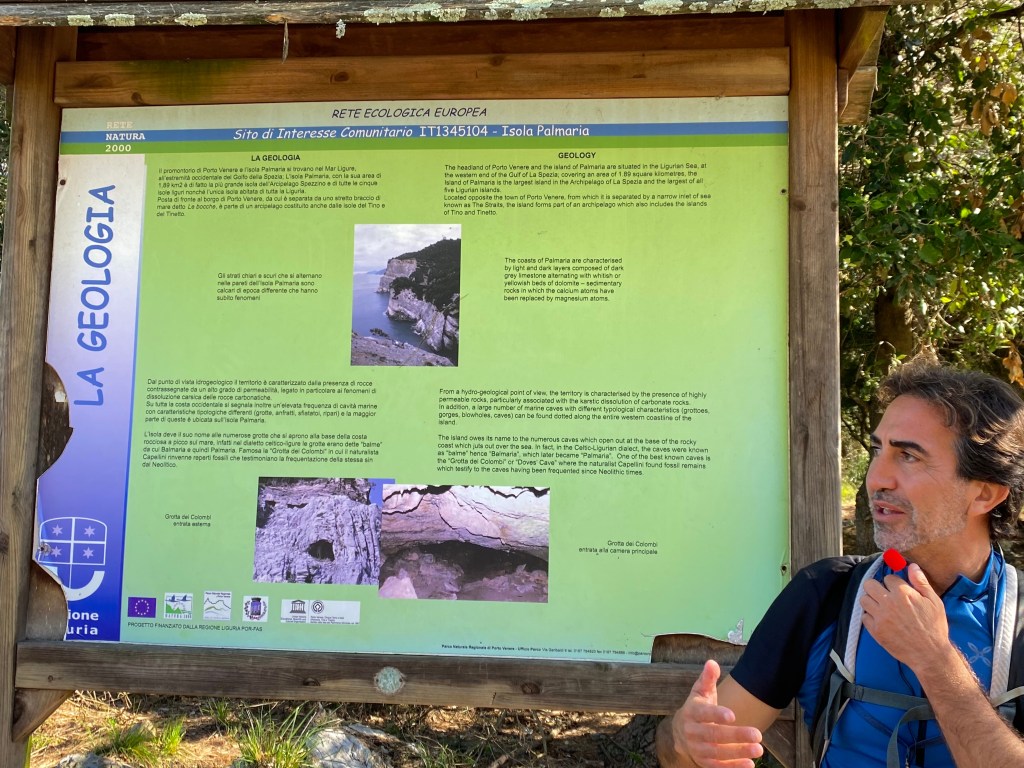
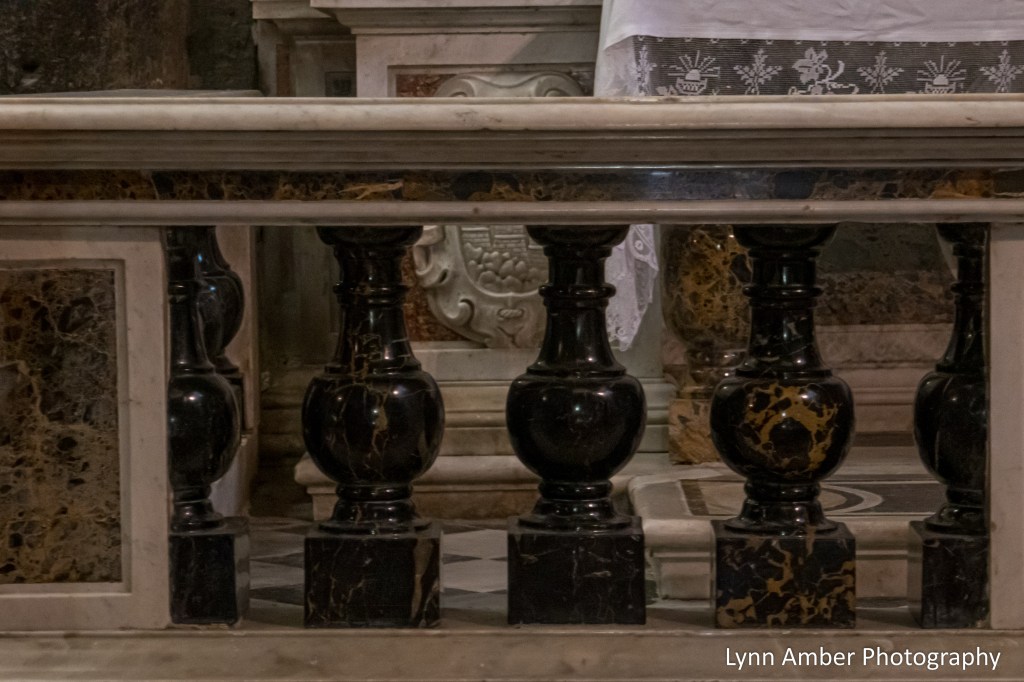
Palmaria Island gets its name from the Latin – Balma – which means “cave”. The island is reknowned for its sea level caves on the steep, western coast. The most famous cave is the Grotta dei Colombi. Archeaological artifacts found in this cave suggest it was inhabited during the Ice Age. These artifacts are on display at a museum in Le Spezia. Another important activity on the island was the mining of Portoro Marble. It was extracted on the island and is a high-end marble – black with striking gold-colored veins. We will see examples of this type of marble throughout our trip.
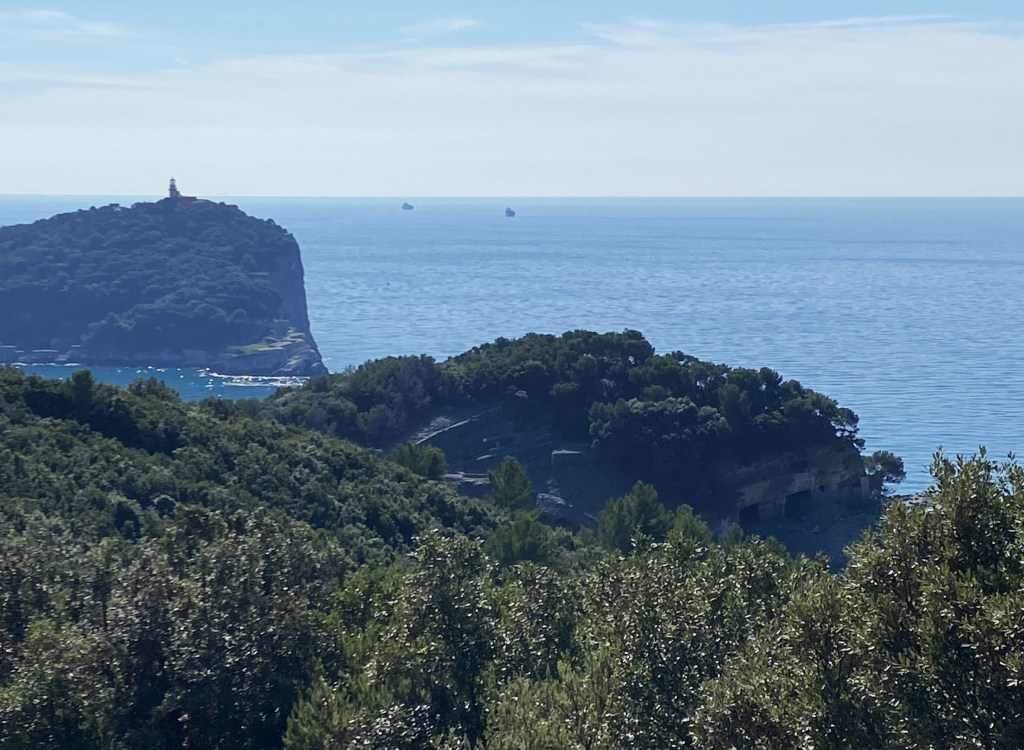
We had some magnificent views of Tino Island and the water on our descent through the Mediterranean scrub landscape on the eastern side of the island – typical plants include holly oak, downy oak, strawberry tree, rock rose and spanish broom.

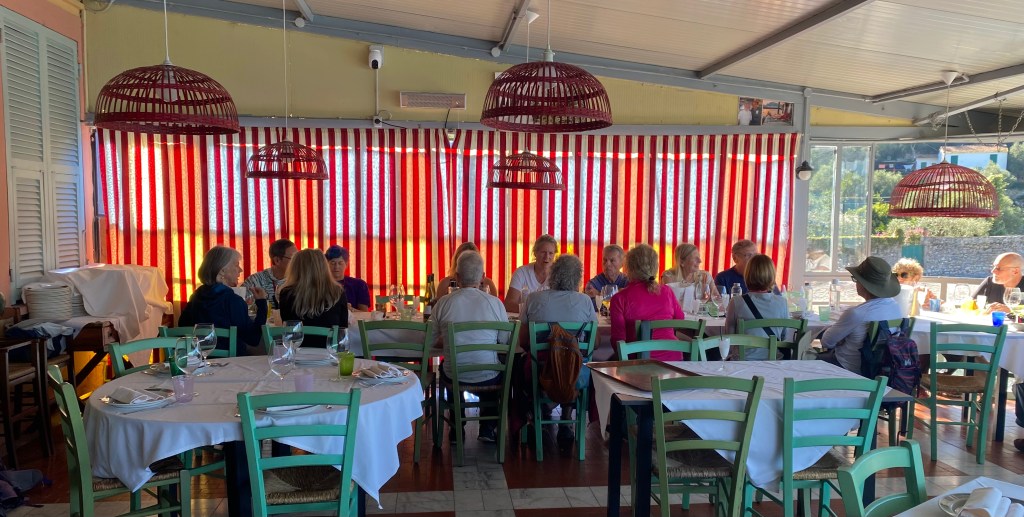
Once we reached our starting point near the dock, we were treated to a spectacular lunch at the island restaurant Locanda Lorena. It is rumored that Steven Spielberg is regular visitor to this restaurant. We had a multi-course meal with local fare such as mussels and clams and, of course, pasta.

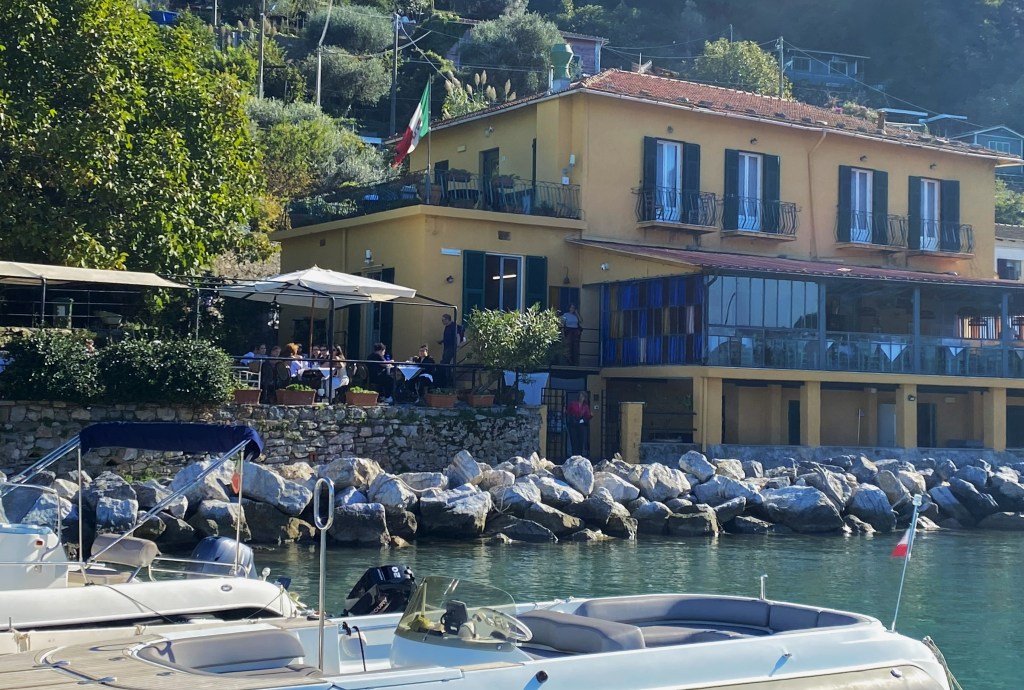
We rode back to Porto Venere after lunch on a smaller boat – I think we somehow missed the ferry? – but it was quite cozy!

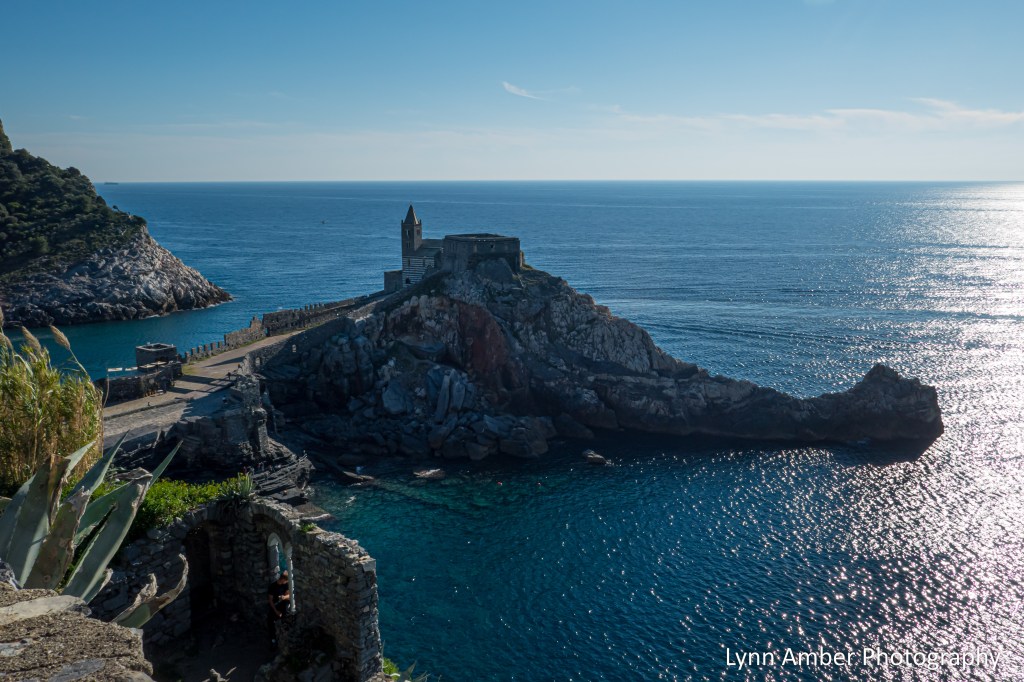
After returning to Porto Venere, we did a walking tour of the town visiting some of the local landmarks. Our first stop was the Chiesa di San Pietro – San Pietro Church – built in 1198 on a rock outcropping at the entrance to the gulf. It was built on the ruins of a Roman temple dedicated to the goddess Venus – and this is where Porto Venere’s name is thought to have derived. The architecture is of the Genoese Gothic style with it’s characteristic black and white bands of stone on the façade.


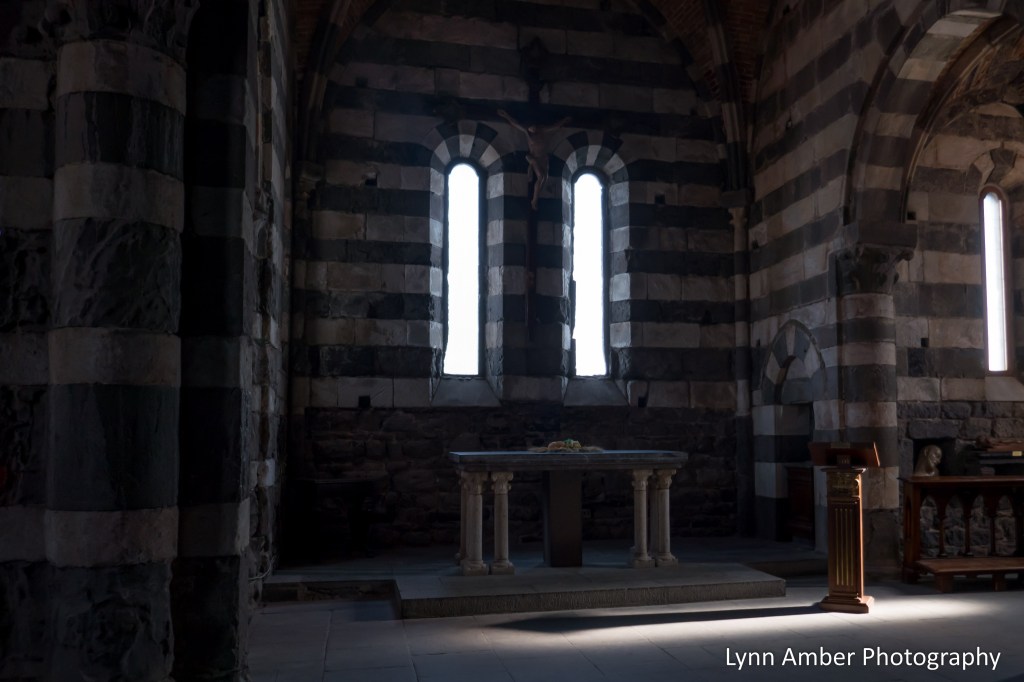
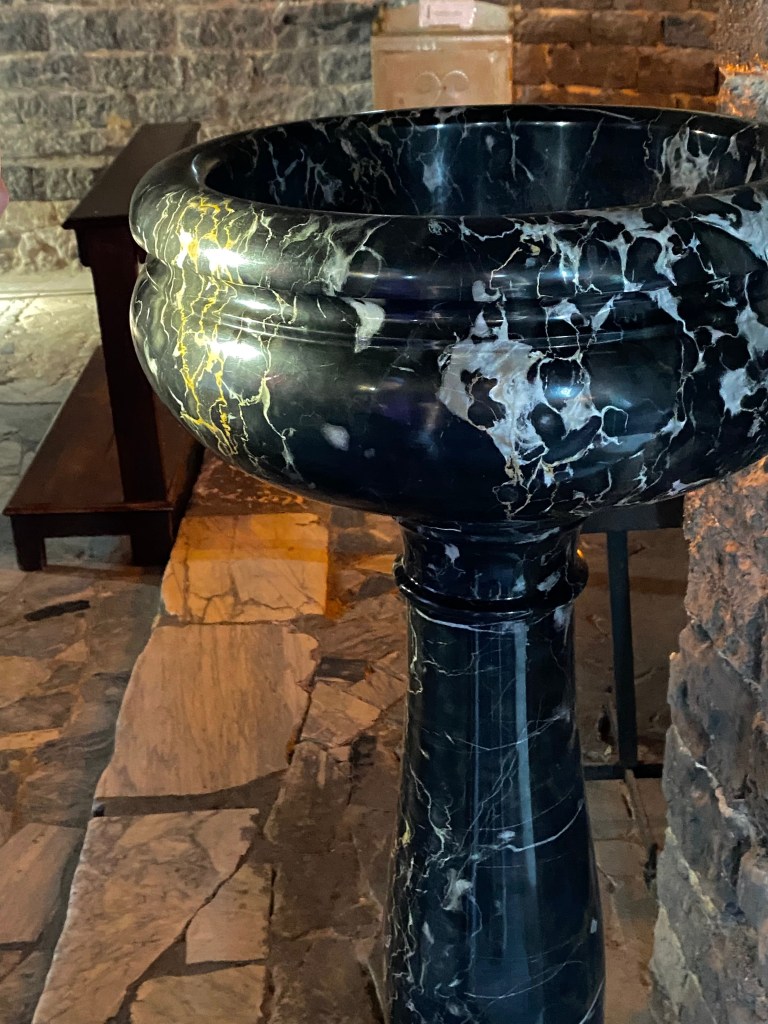
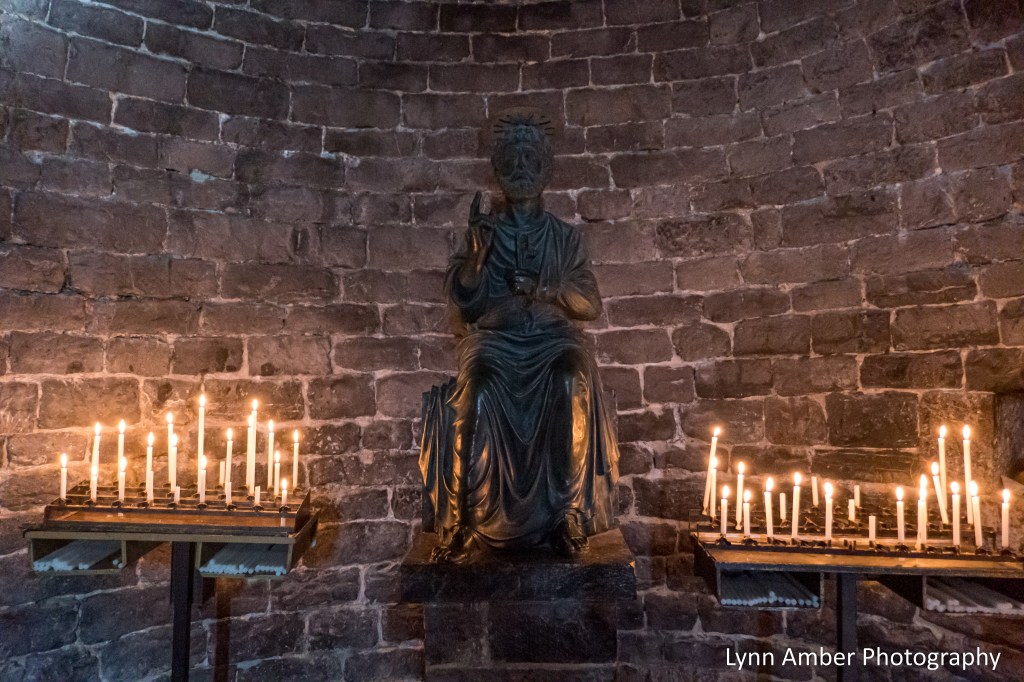
After leaving the church, we walked along a stone path that offered up spectacular views of the Cinque Terre coastline.


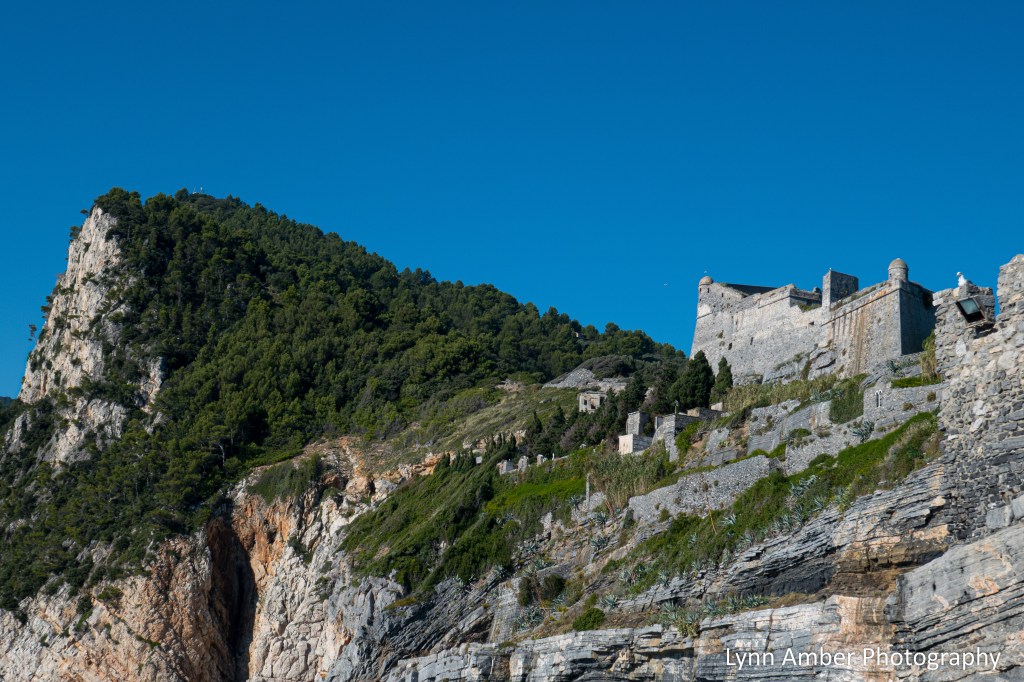
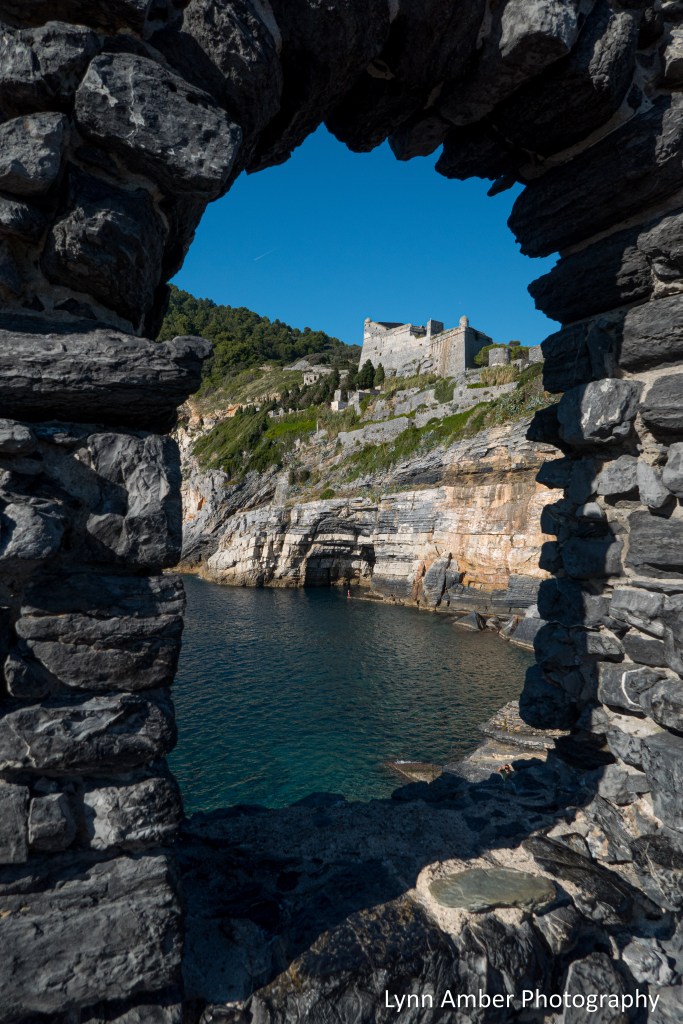
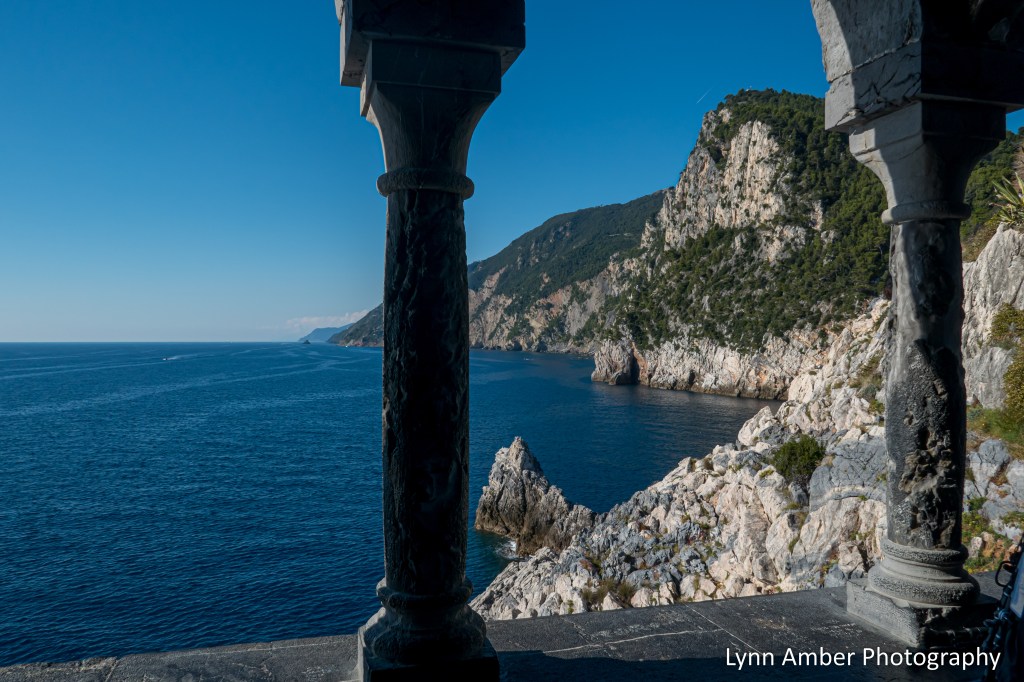

After walking through narrow streets, our next stop was at the Church of San Lorenzo. Built in 1130, this church displays the same Genoese Gothic style architecture of many ancient churches in the area. Inside the church is a parchment framed in white marble of the Madonna and Child dating to the 1200’s that is called the Madonna Bianca. The town of Porto Venere celebrates her with an annual festival on August 17th each year.


Some of the architectural features in the church:
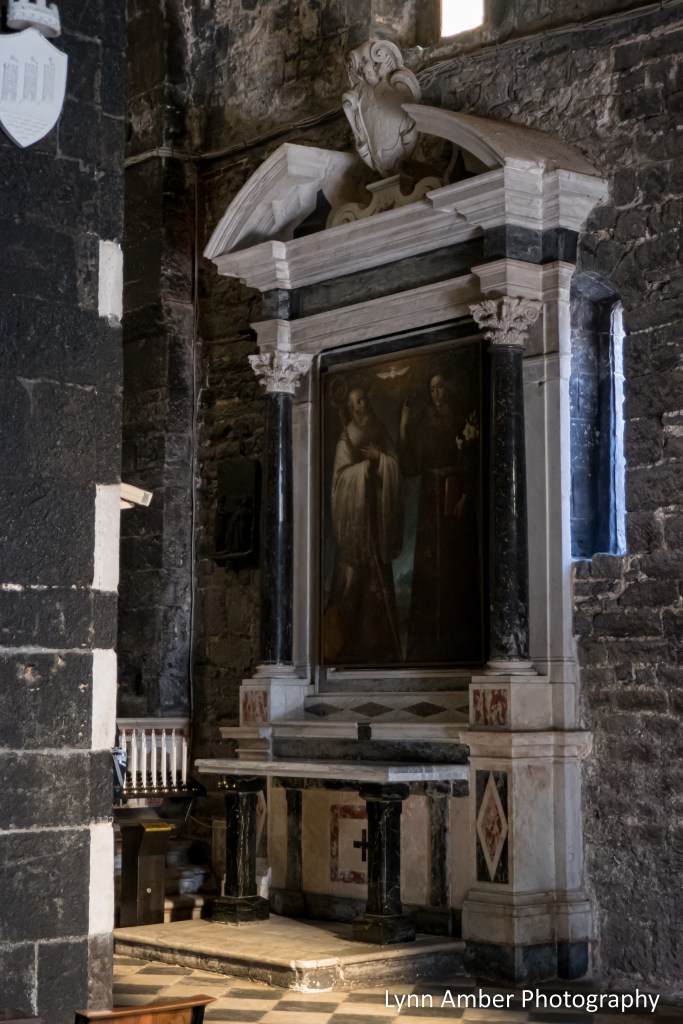


Leaving the church, we climbed a little higher in the village for some awesome views of the landmarks and the Gulf of Le Spezia.

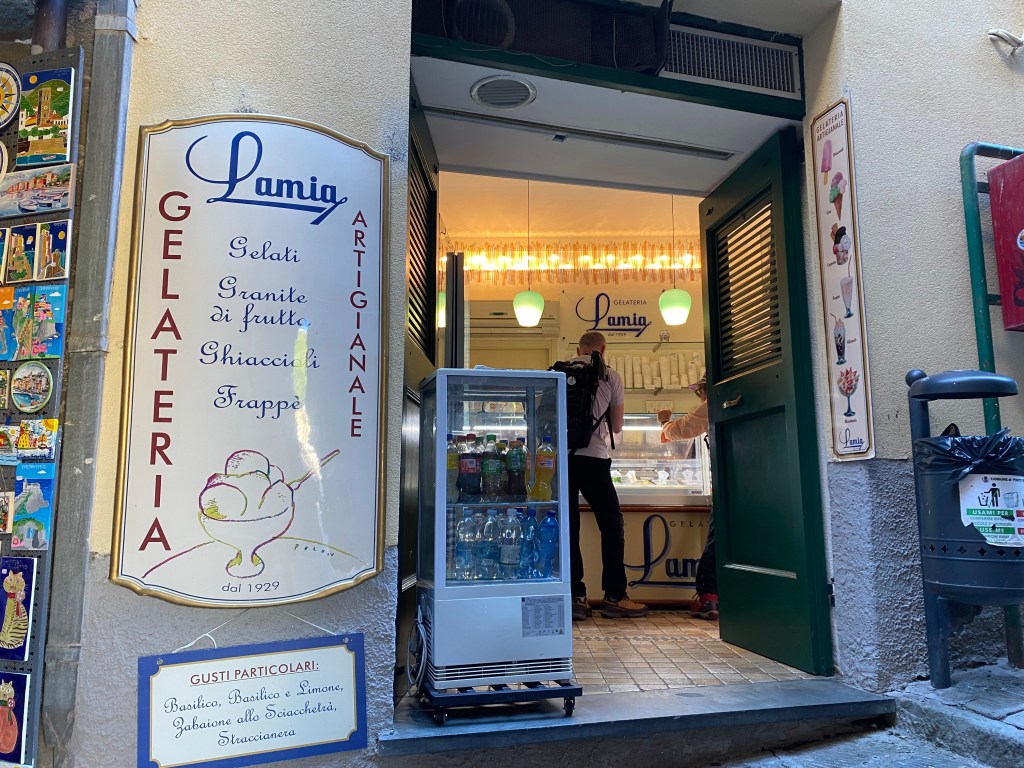
We had some time before catching our ride back to our hotel and headed back down into the center of town in search of – what else – Gelato!!

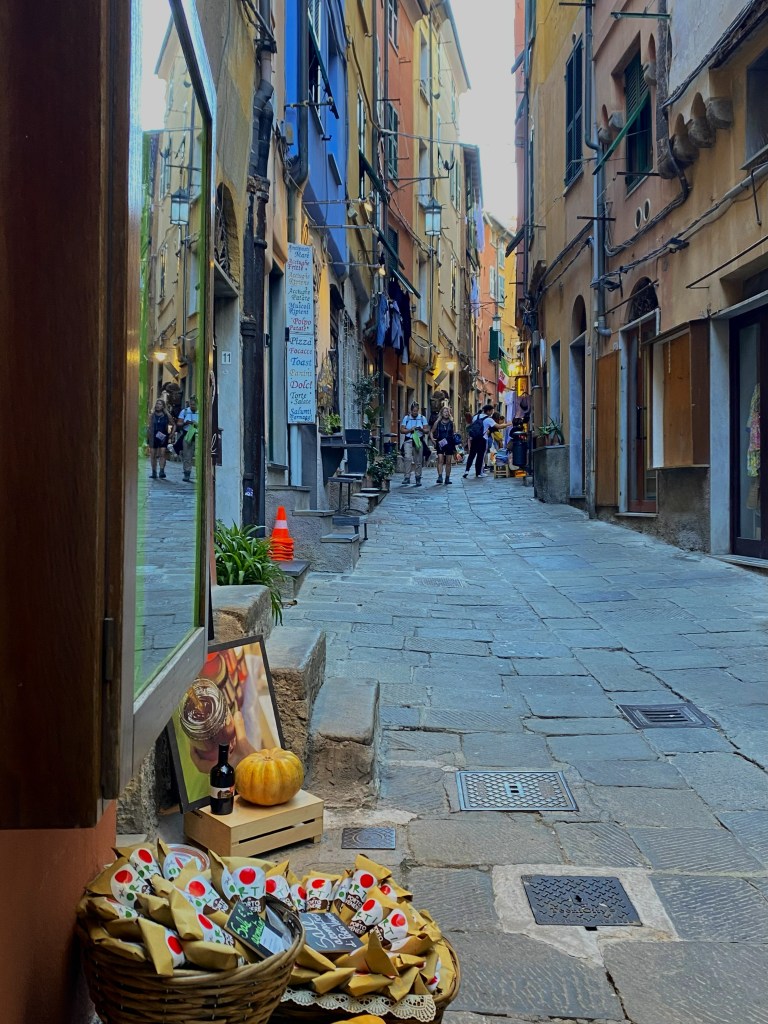
After arriving back at the hotel, we had time for a quick shower and clean up before attending the first of several lectures throughout the week. The first topic was a brief history of Liguria and the rise and fall of Genova.
The first day of hiking allayed my fears in regard to spending the week hiking with strangers and following the pace of others and a strict schedule. Our group was comprised of all hiking abilities – with most falling within the moderate to above moderate range of ability. The pace was moderate and I never felt it was too slow or too fast – and allowed for picture-taking along the way. The mix of attendees on the tour was refreshing and I felt very lucky to have landed with folks who were friendly, unassuming, interesting and accepting of everyone. It would be fun getting to know this eclectic group of travelers!
 Lynn Amber - Travel & Photography