Lynn Amber - Travel & Photography
sharing my thoughts through words and images
Cinque Terre Hiking Trip Day 7
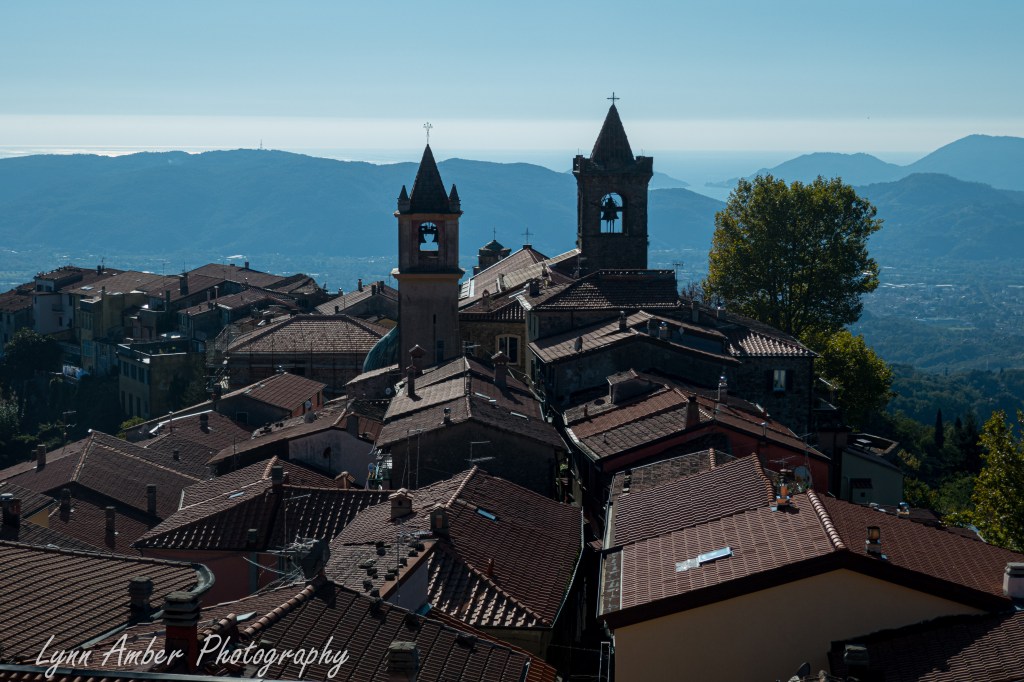
October 18, 2025 – Sarzana, Fosdinovo Castle and a Tuscan Winery
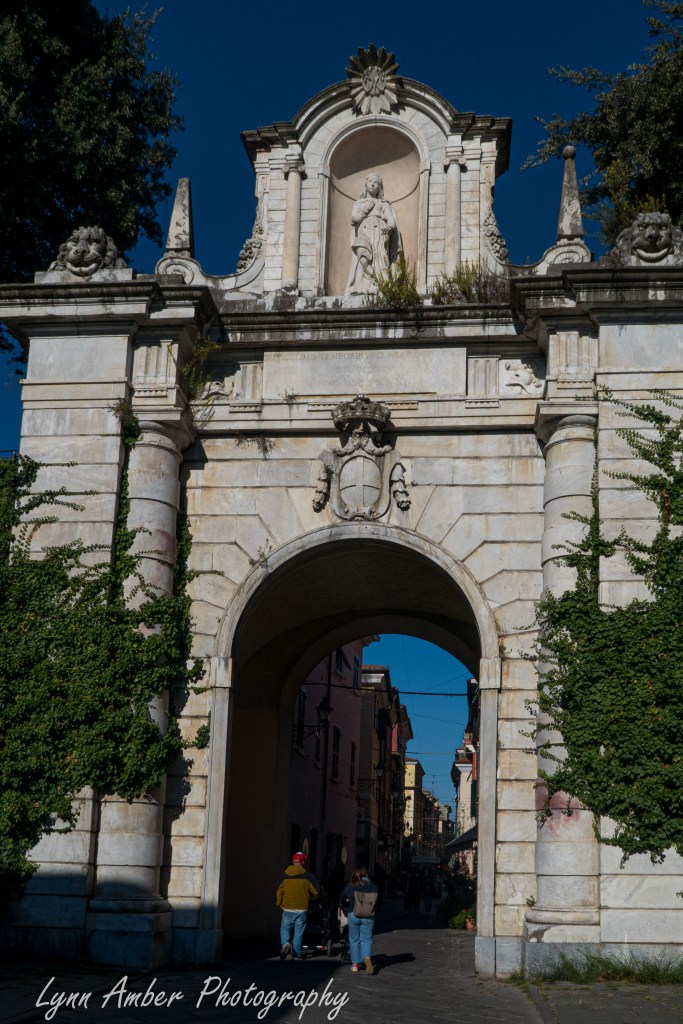
Our final full day on this Road Scholar tour, we take a break from hiking and visit some historical sites in Tuscany. Our first stop was the medieval town of Sarzana. Early records indicate that the town was founded around the year 1084 after starting as a fortress in the mid-900’s. Changing hands over the years since, it landed under Genoa authority in the 1500’s. We visited the “old town” section of the city where evidence of medieval architecture still exists in the form of walls, cathedrals and other buildings.

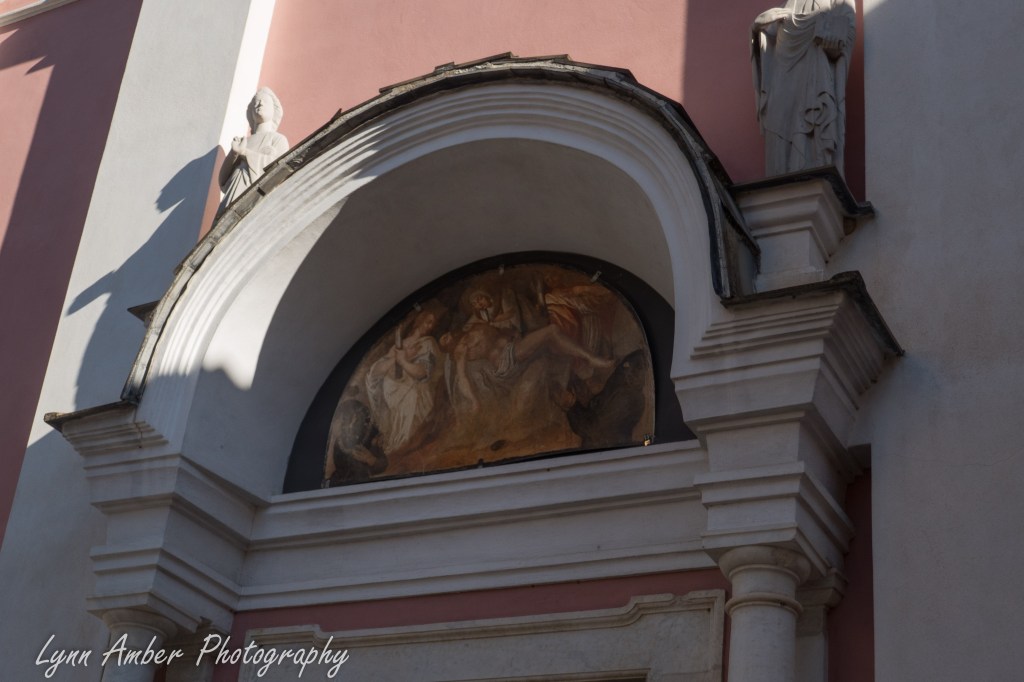
The above museum is housed in a former oratory and according to reviews I saw online it “consists of two floors and features liturgical vestments, relics, and a significant collection of seventeenth-century painter Domenico Fiasella’s canvases.” Too bad we did not have time to explore!
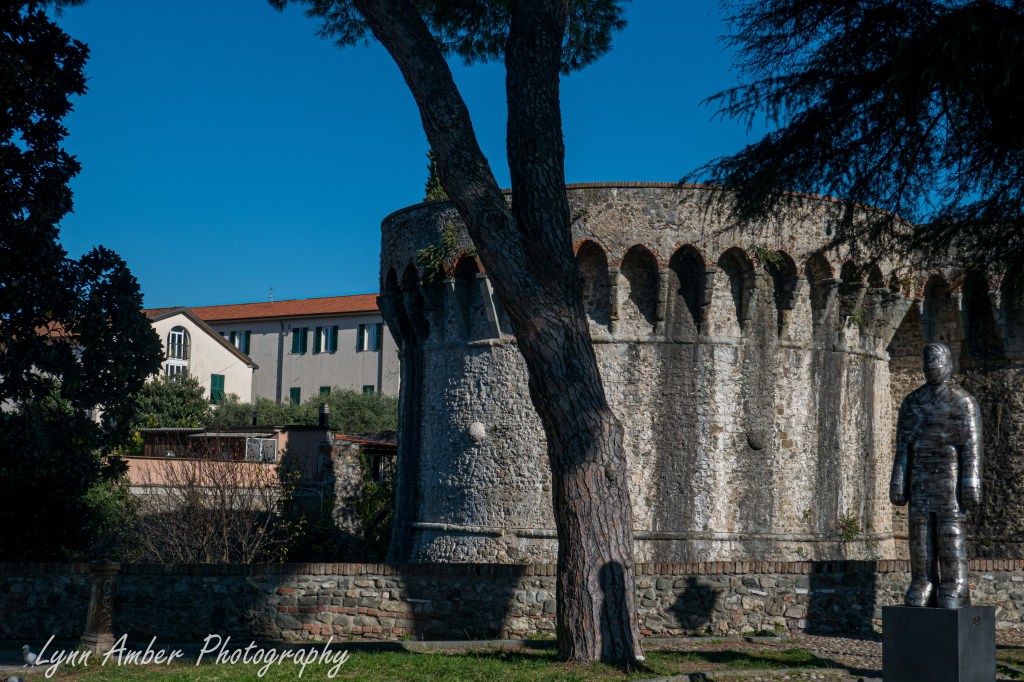
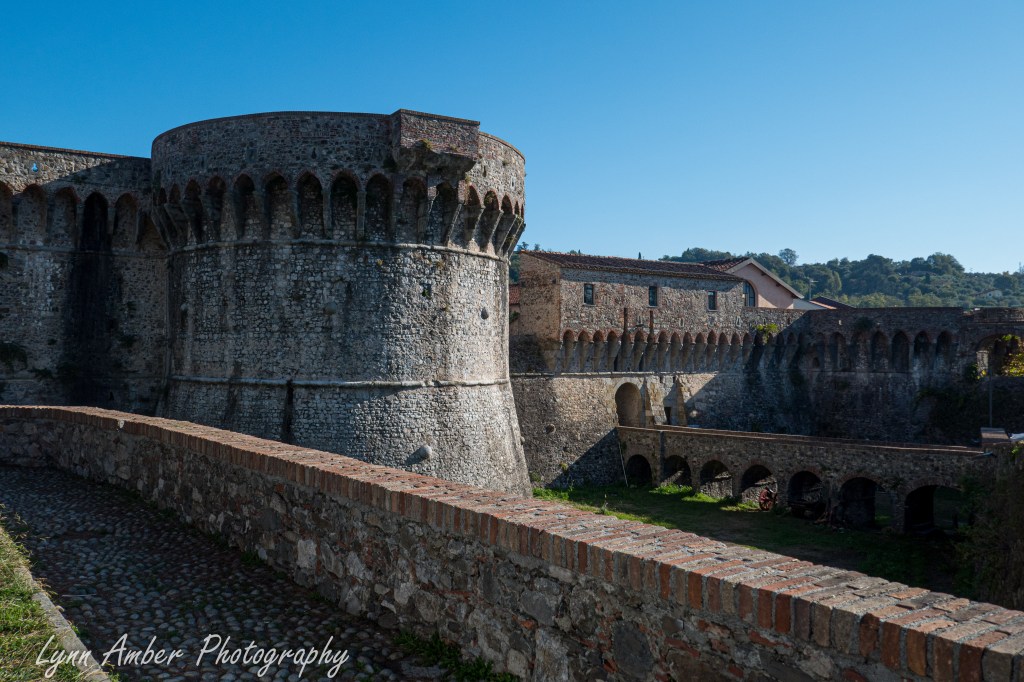
Our first main stop on our walking tour of the old town was the Fortezza Firmafede, also referred to as La Cittadella. The original military fortification was destroyed in the late1400’s by the Florentines and later rebuilt under the Republic of Genoa.


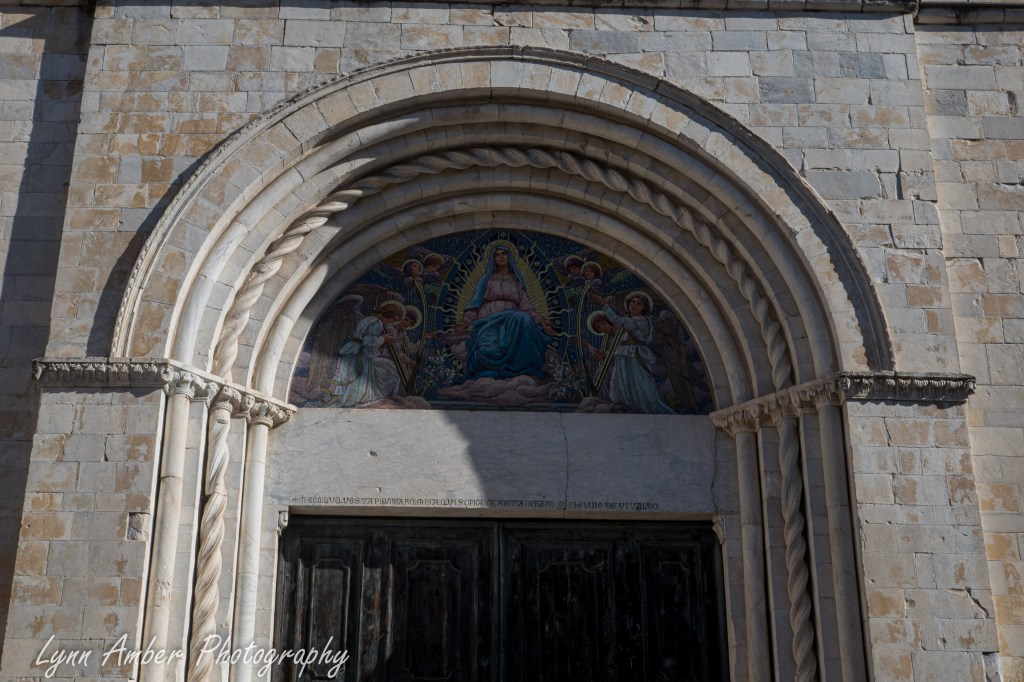
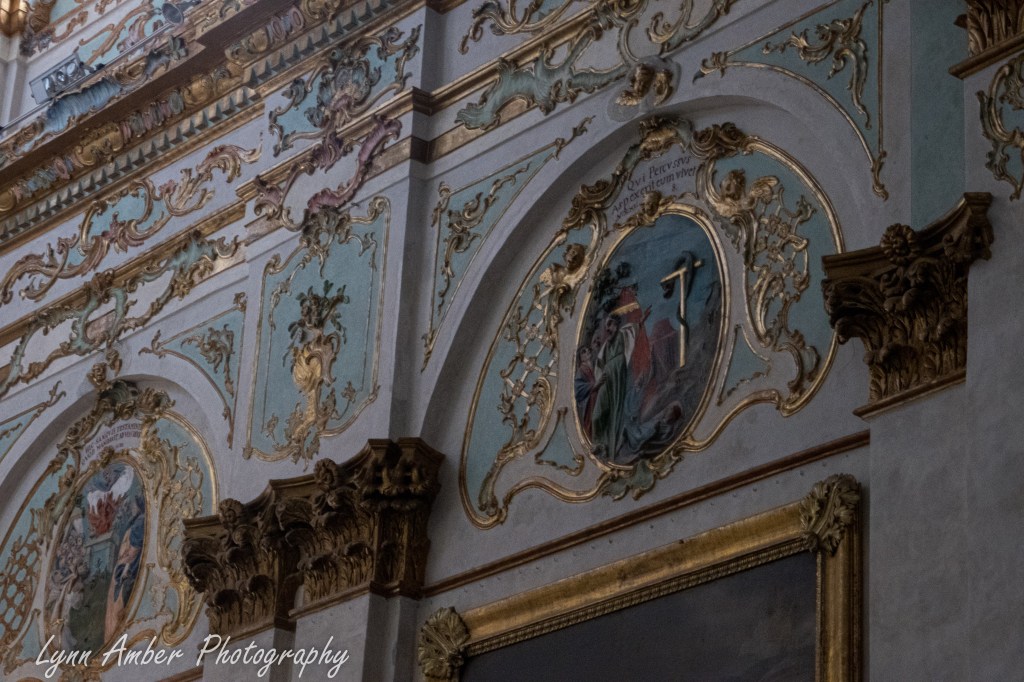
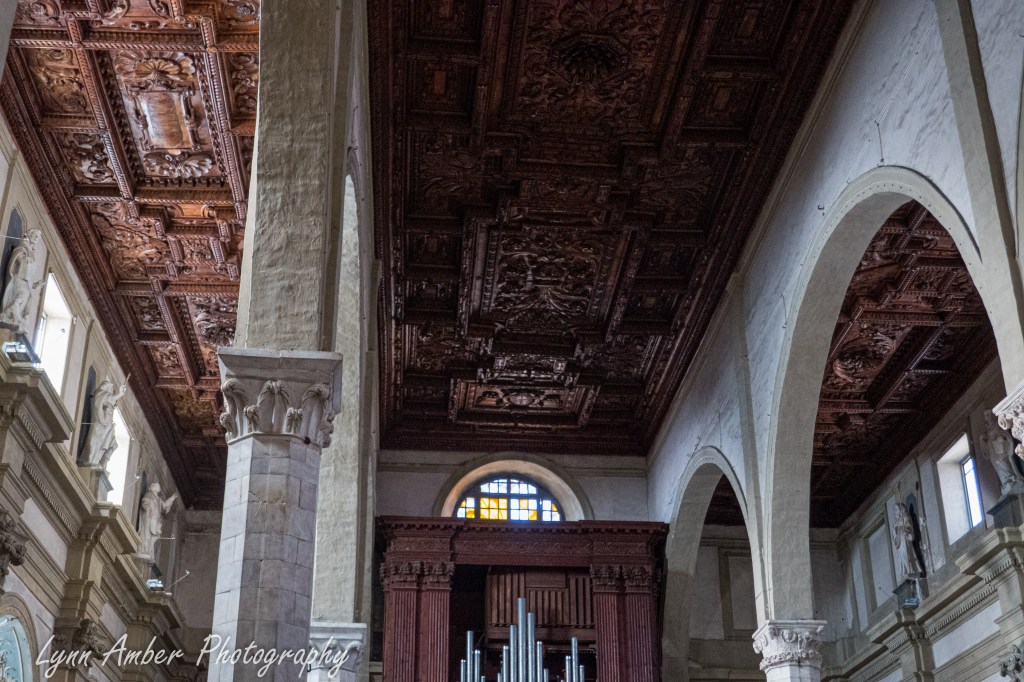
Our city tour guide led us next to the Chiesa di Santa Maria Assunta. Built in the Romanesque-Gothic style, it was constructed from the early 1200’s to the late 1400’s.
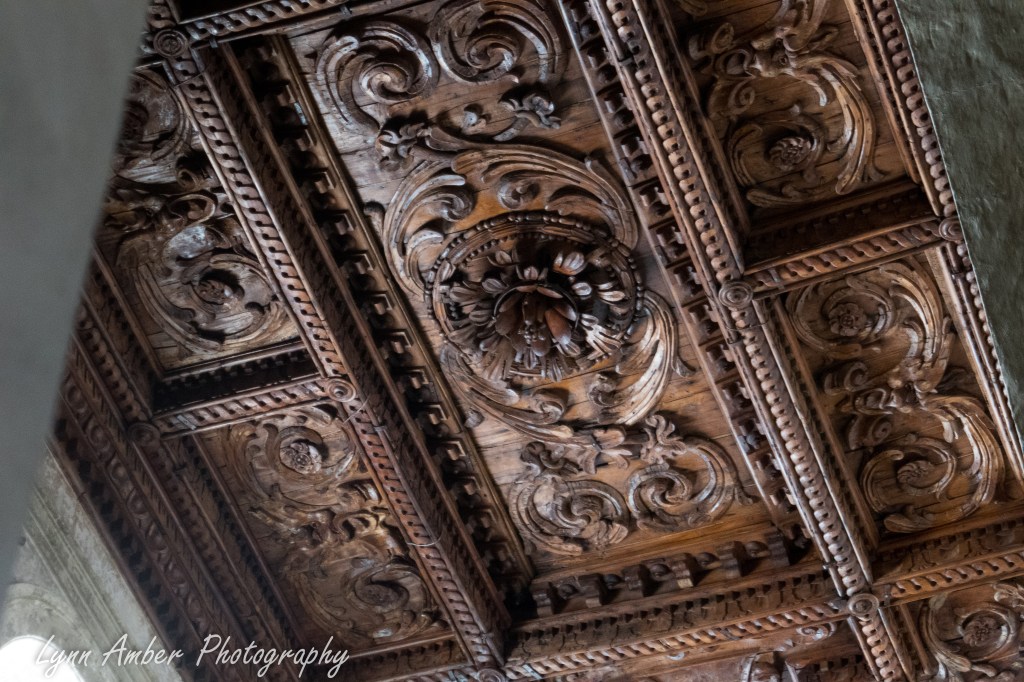
The intricate wood ceiling was carved in the 1600’s by the artist Pietro Giambelli.
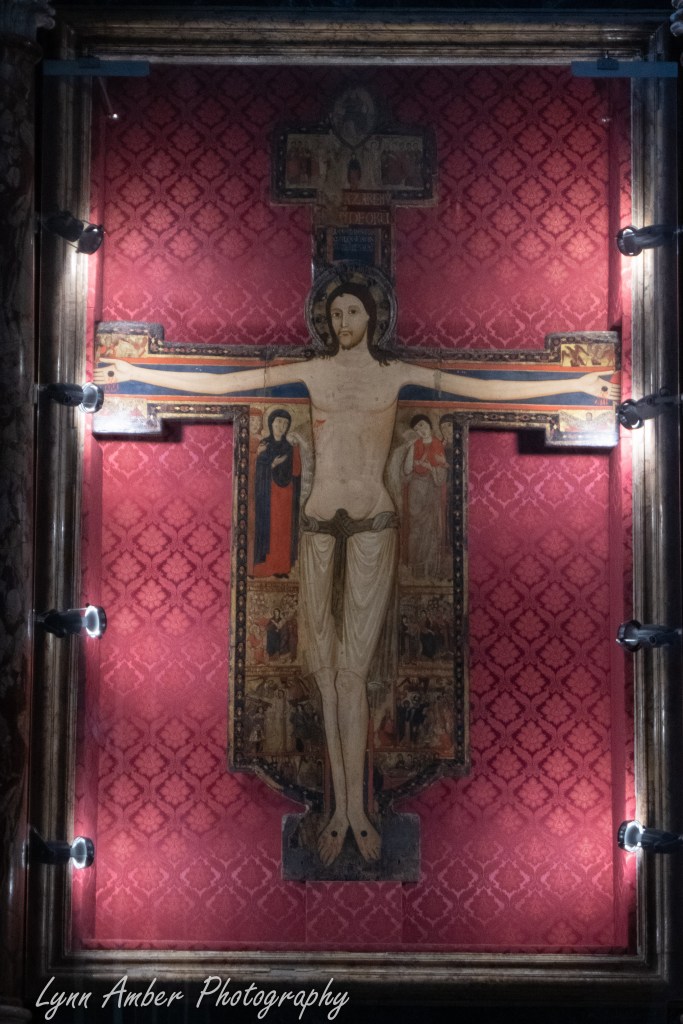
The cathedral is also home to the Cross of Master Guglielmo or Cross of Sarzana – dating to 1138. It is known as the oldest painted Tuscan crucifix and was done on canvas that was stretched onto a cross made of chestnut. It has undergone some restoration over the years.
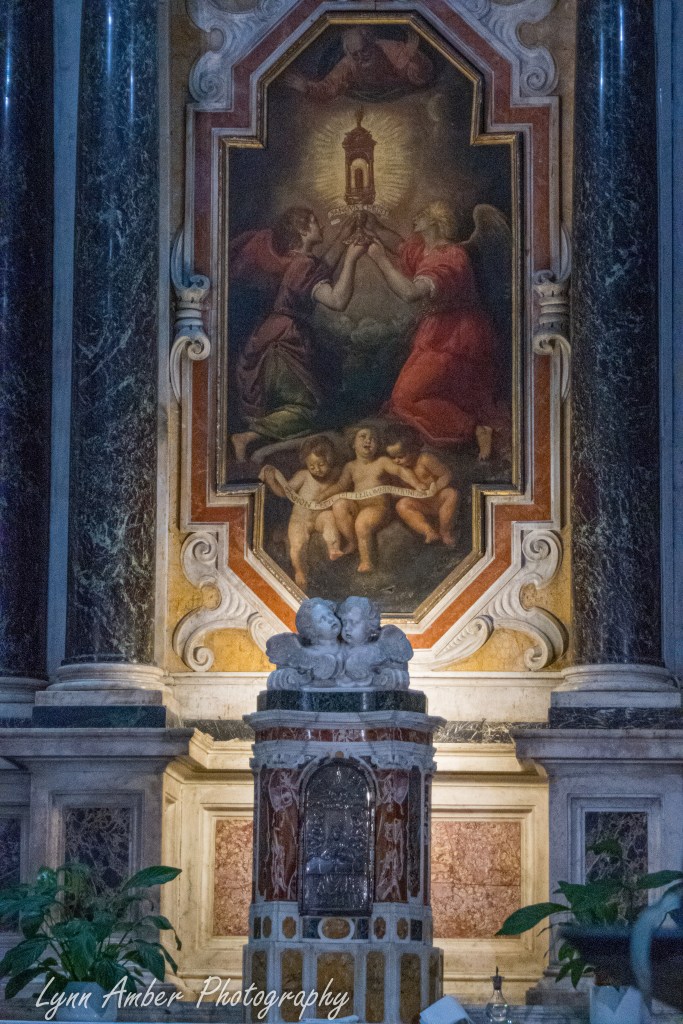
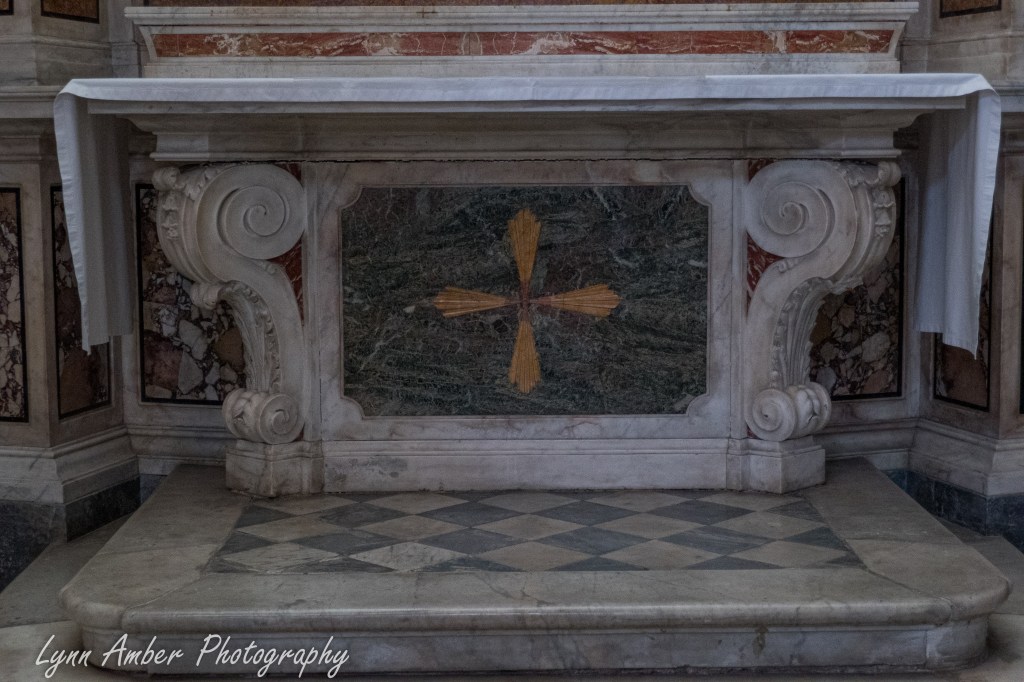
More interior architecture:

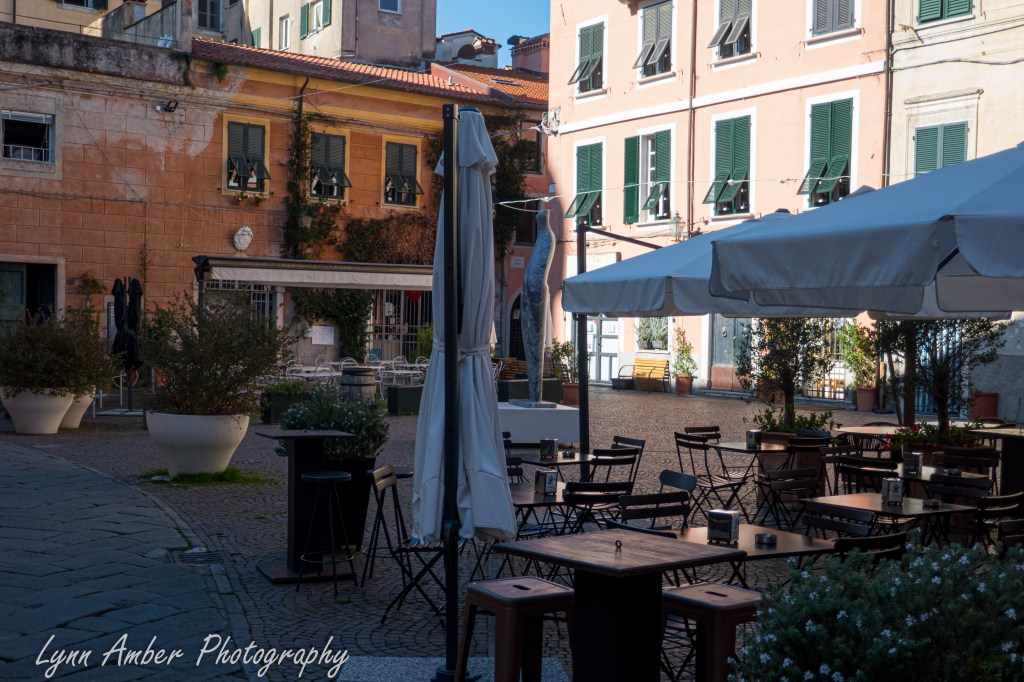
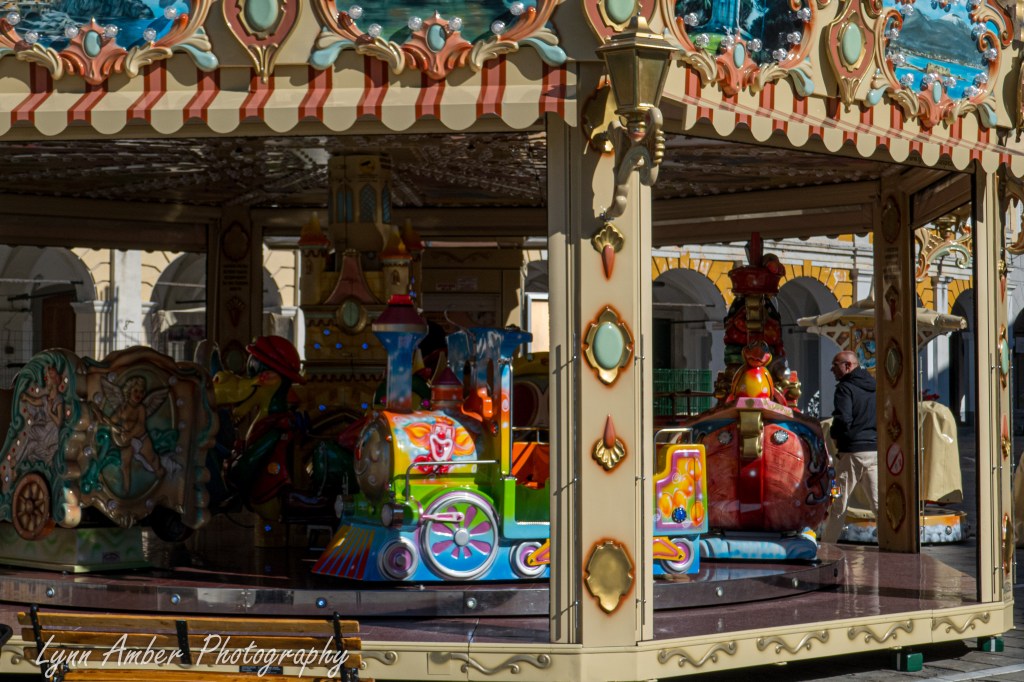
We had some free time to wander around the center of the old town and explore. It had a vibrant, bustling feel and there was even a carousel!

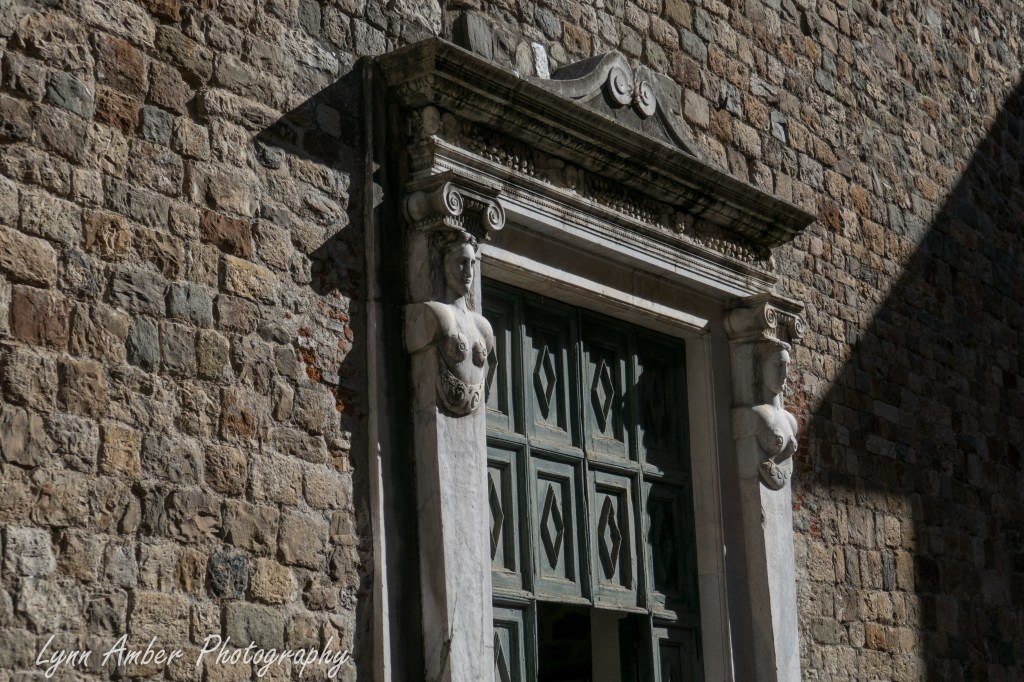
I popped into another church while wandering around the city – Pieve di Sant’Andrea. It was built in the 10th and 11th centuries. It has a simpler design on the interior and much more to my liking – as it gives a more restful, unopposing vibe.
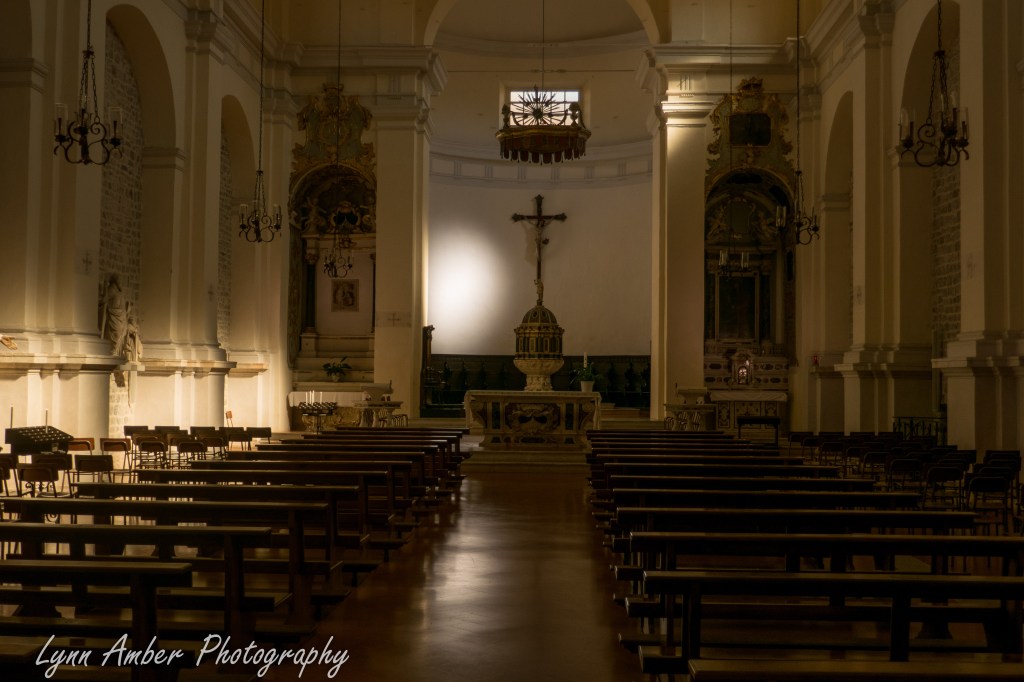
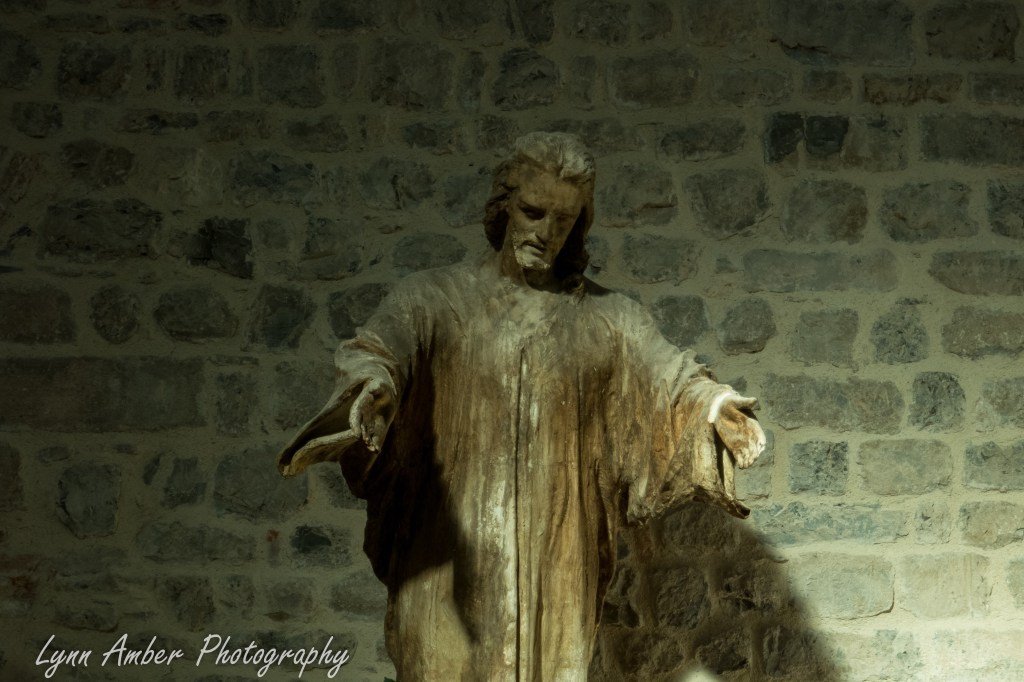
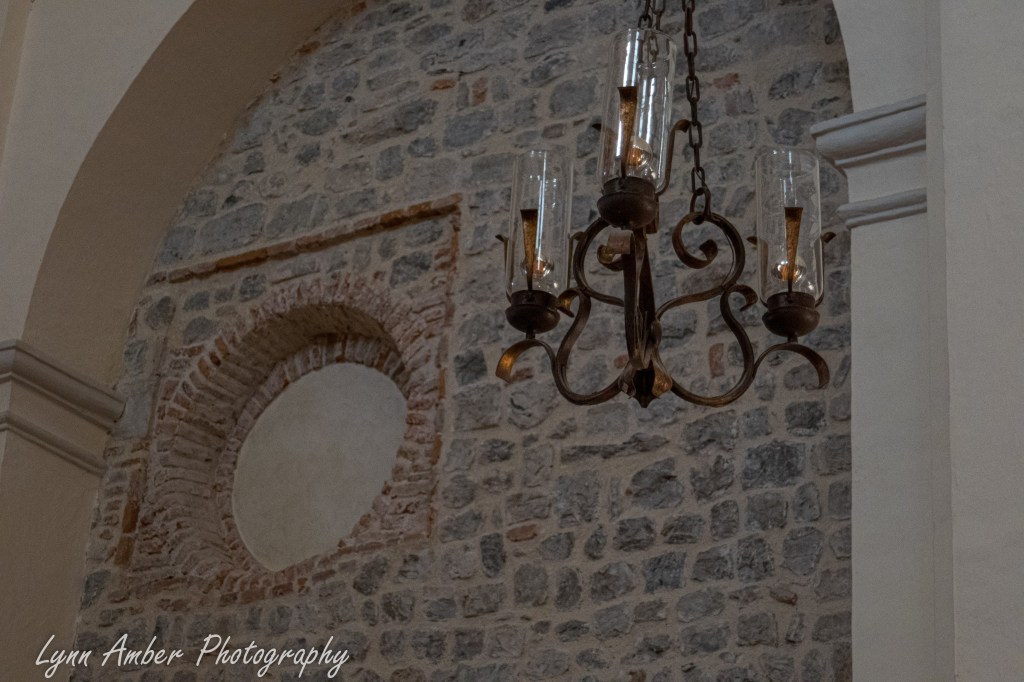
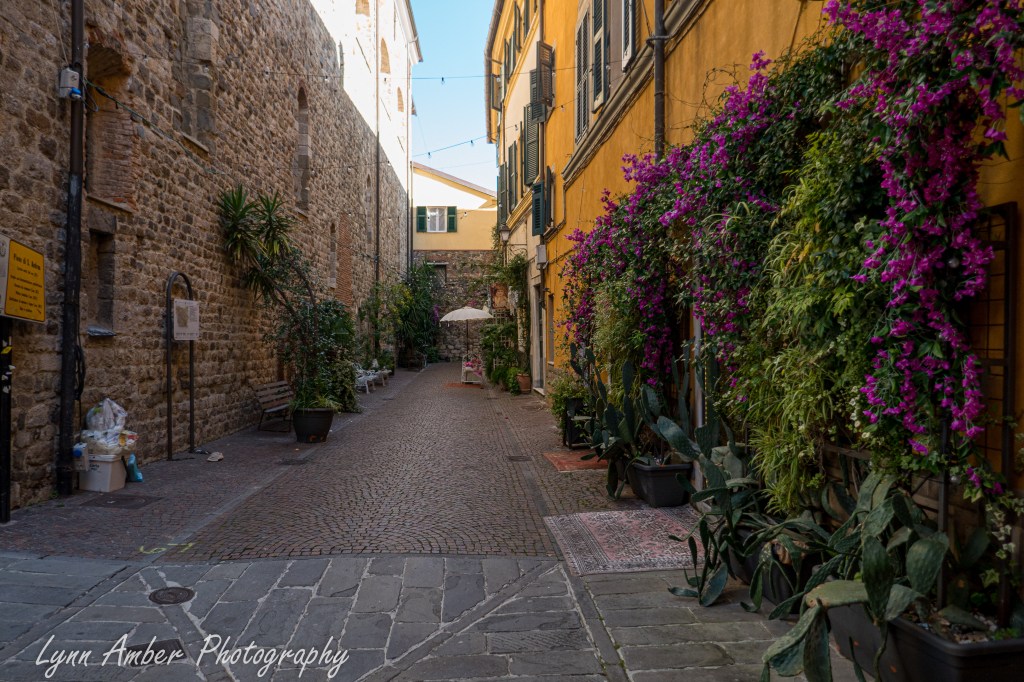
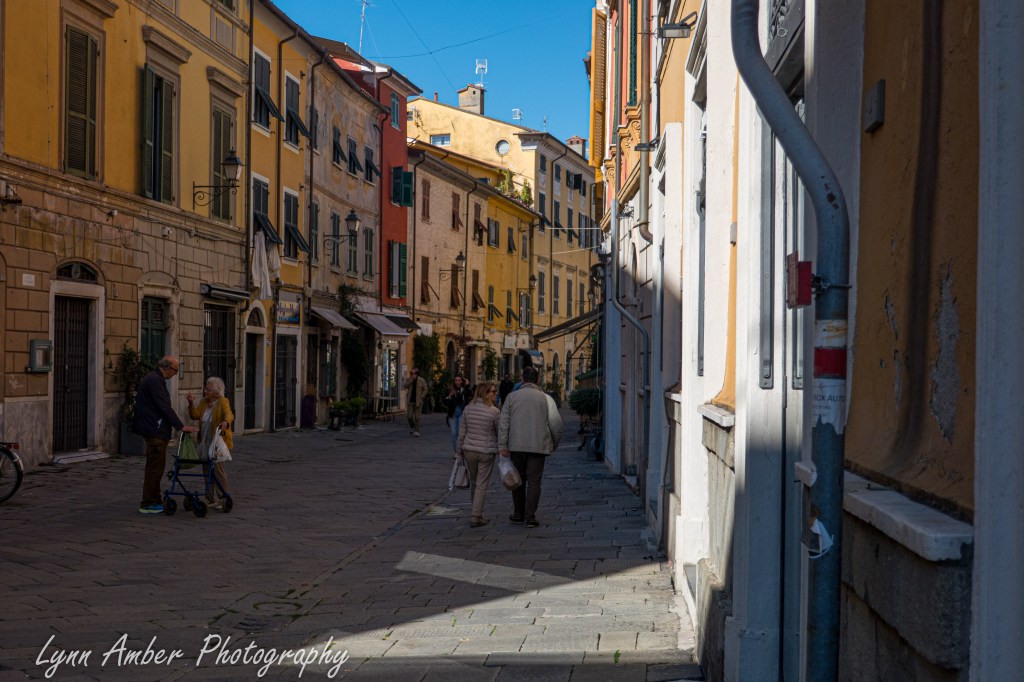
One of the historical facts that most intrigued me about Sarzana is its importance as a stopping point along the Via Francigena. The Via Francigena is an ancient pilgrimage route that linked Canterbury, England to Rome and Santa Maria di Leuca. As a person who has completed to Camino pilgrimages in Europe, I felt honored to walk along this path in the center of the old town.

The restaurant where we had lunch reservations does not typically open for lunch but we were special guests and had the place all to ourselves. We entered the Il Loggiato restaurant via the ground floor pasticceria (Italian bakery) and proceeded to the second floor where the restaurant is located. On the way, we passed by some mouth-watering pastries! Yum!!
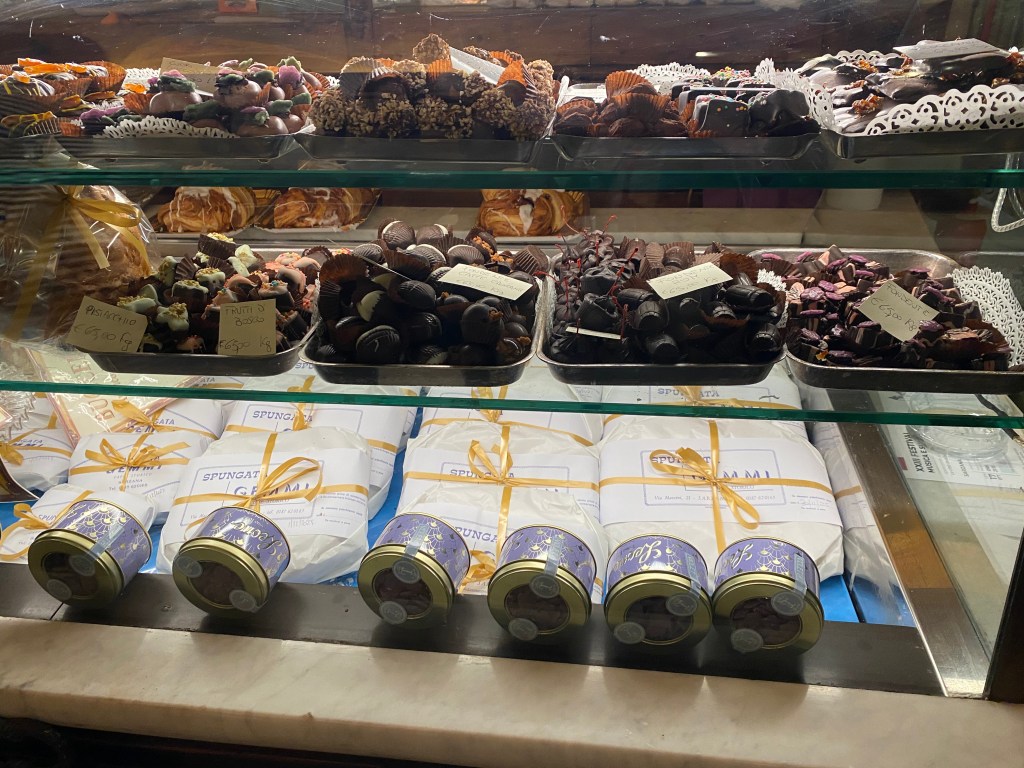
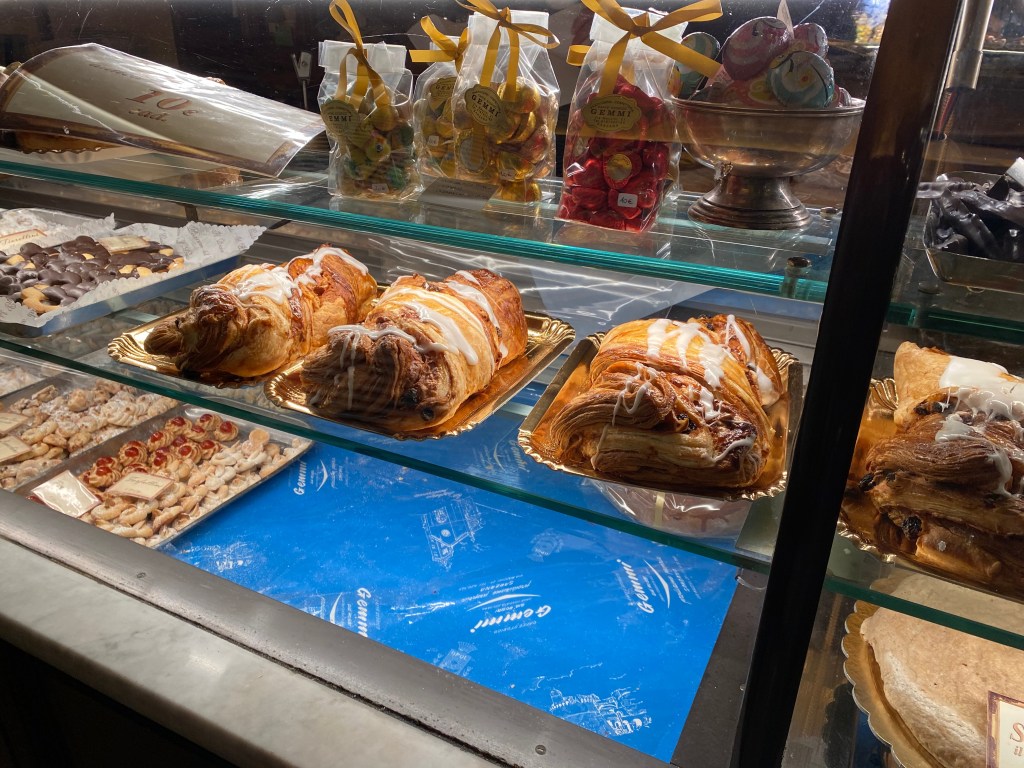
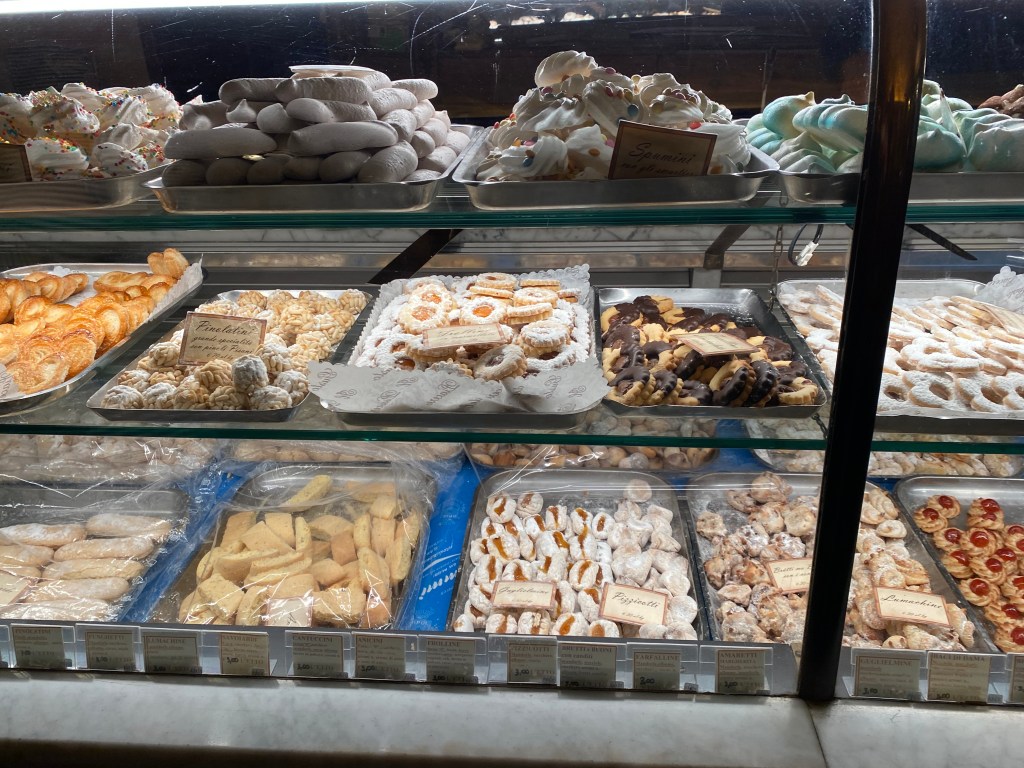
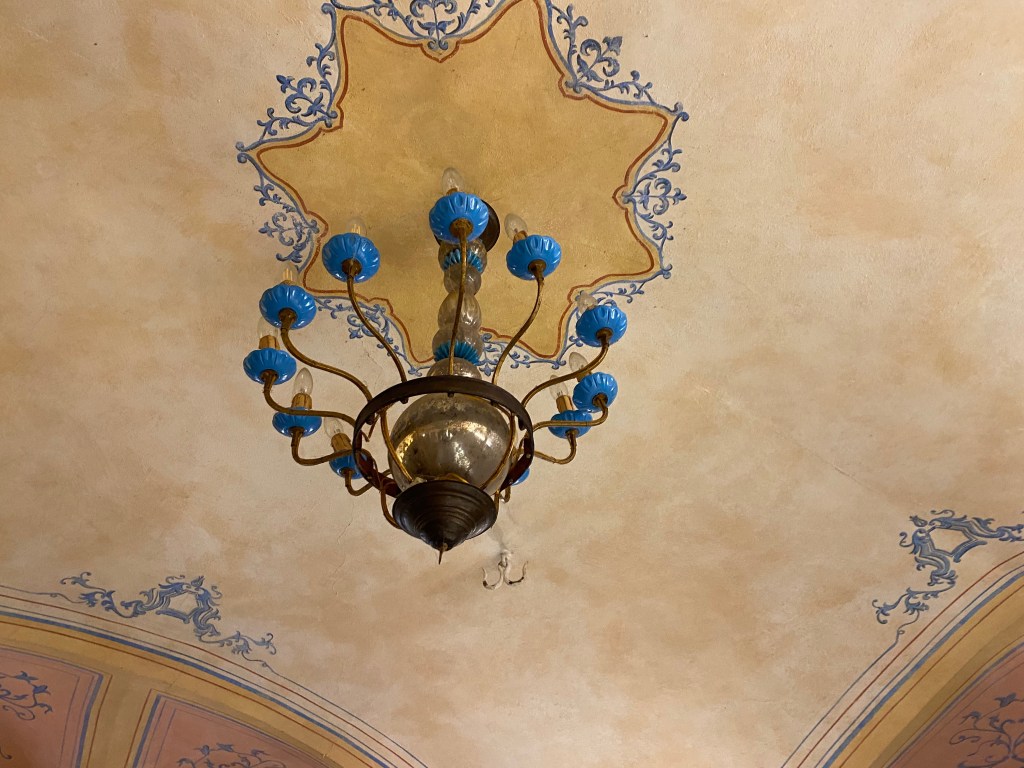
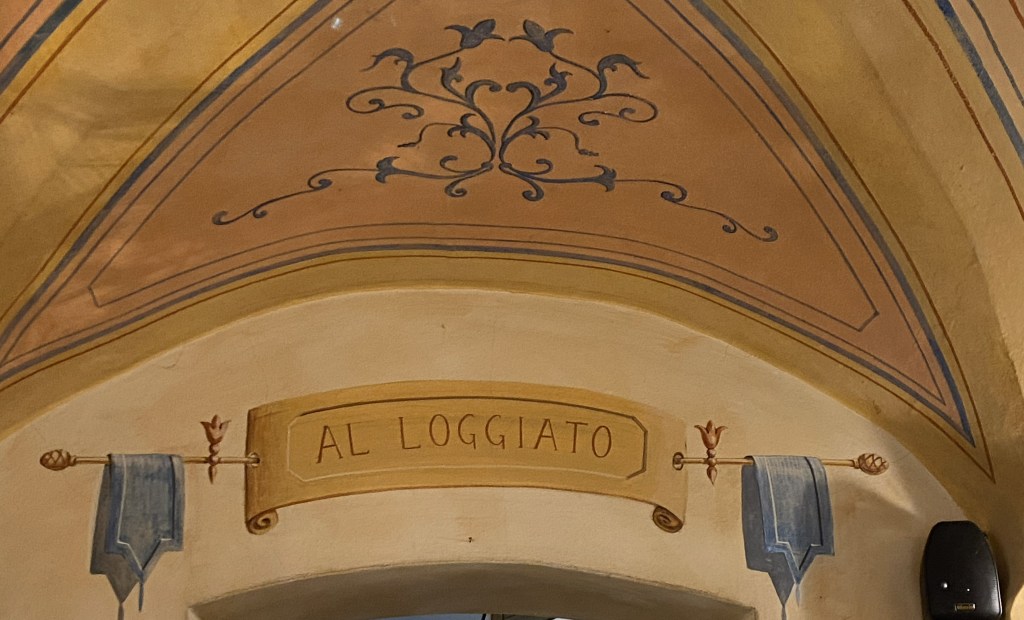
The ceiling on the ground floor was so beautiful!
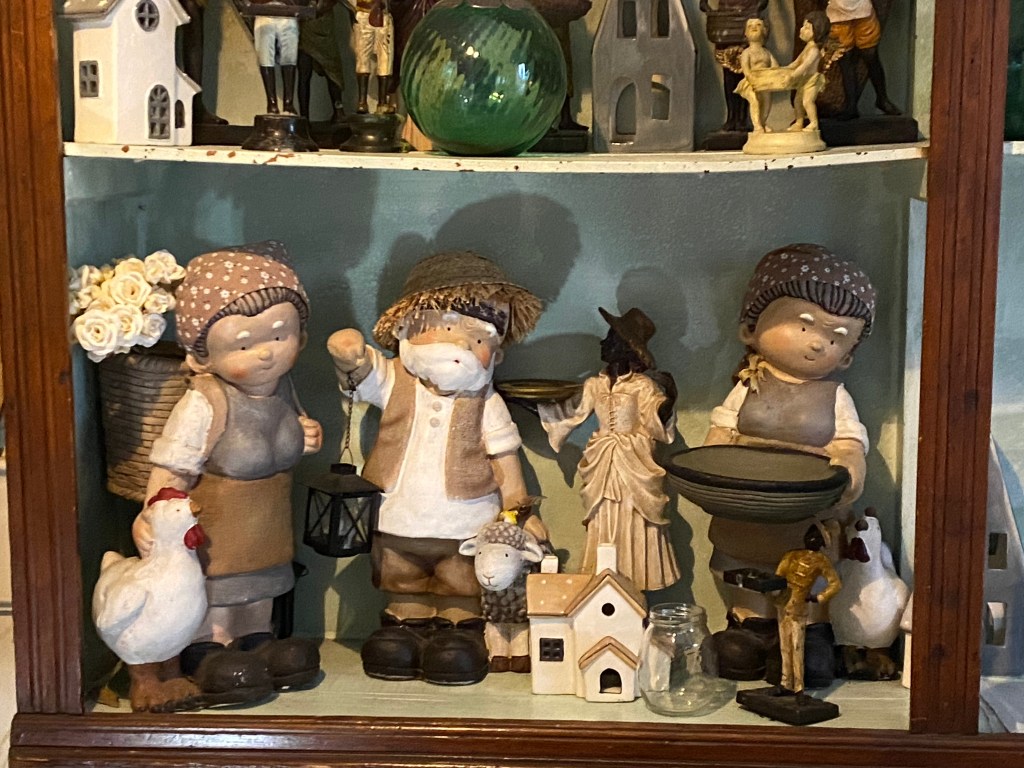
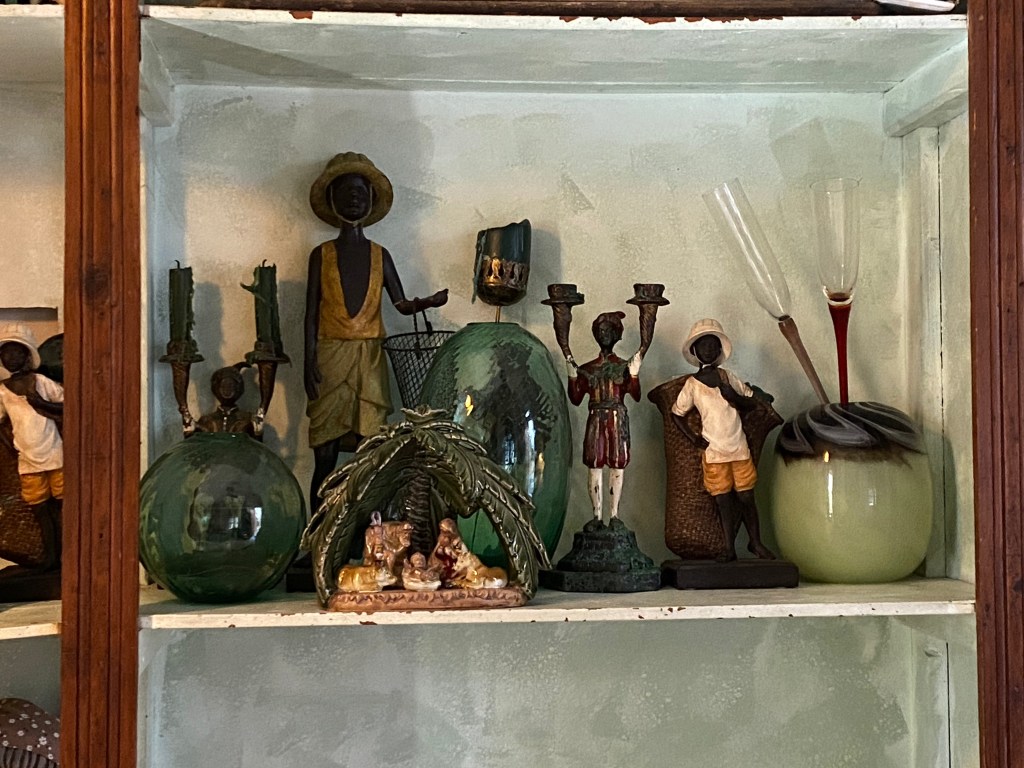
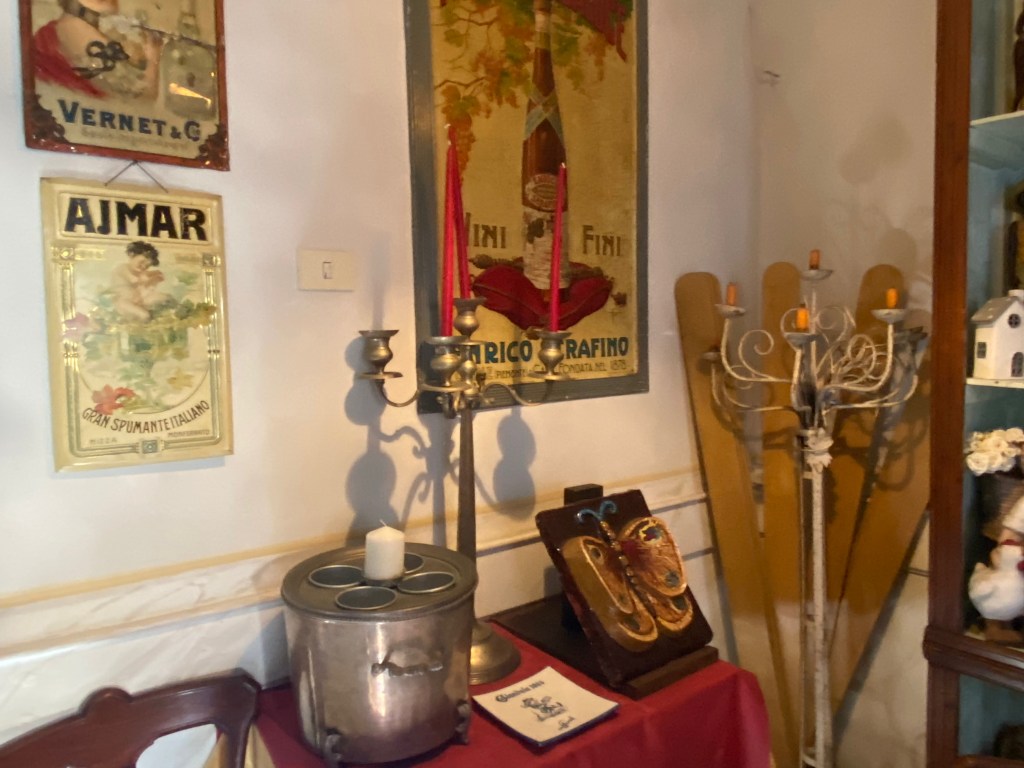
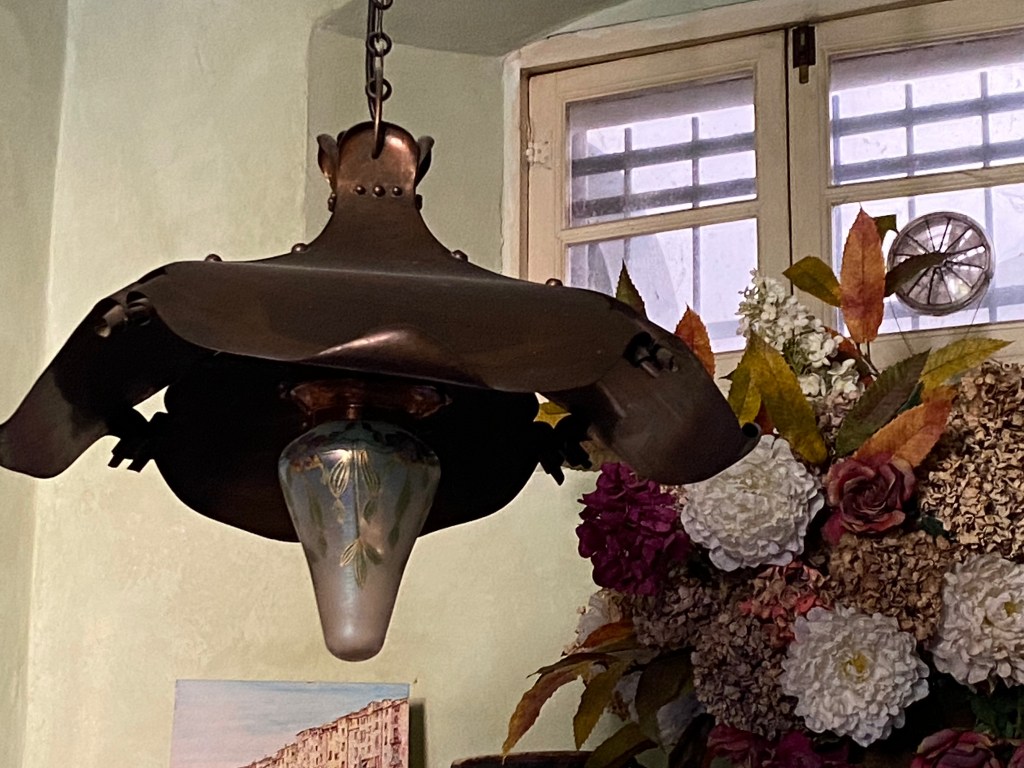
The second floor restaurant was divided into multiple small rooms – each loaded with memorabilia, antiques and folk art. It was so much fun to wander around while we waited to be served.
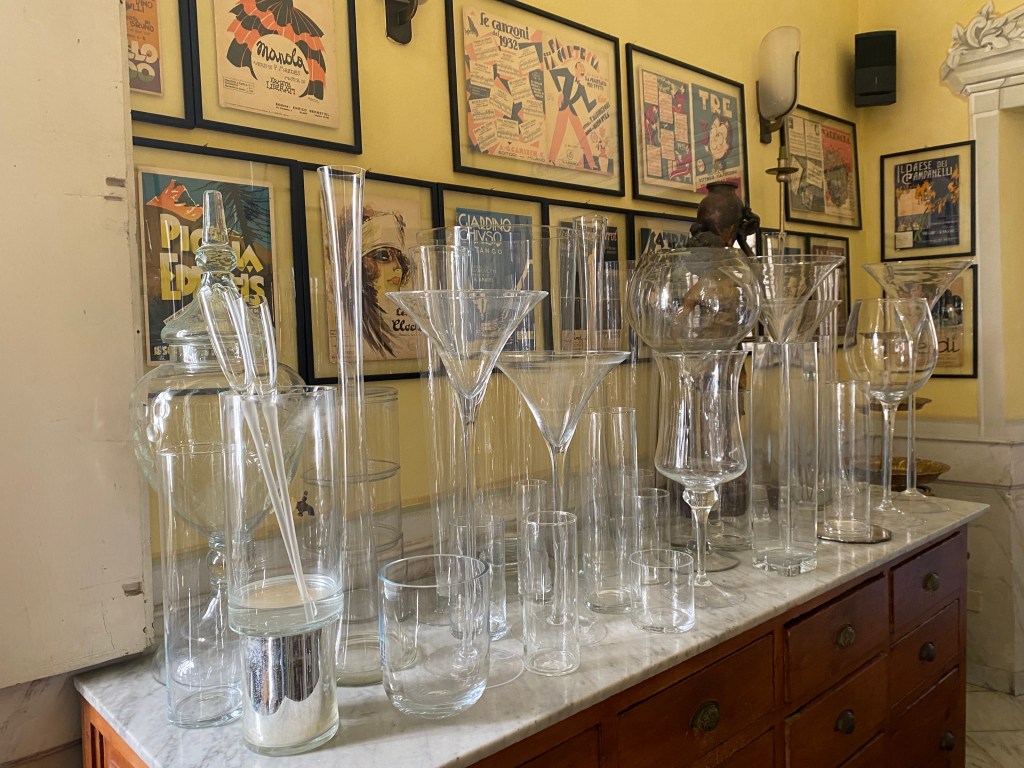

Our dining room was elegantly set up and we really felt like very special guests!
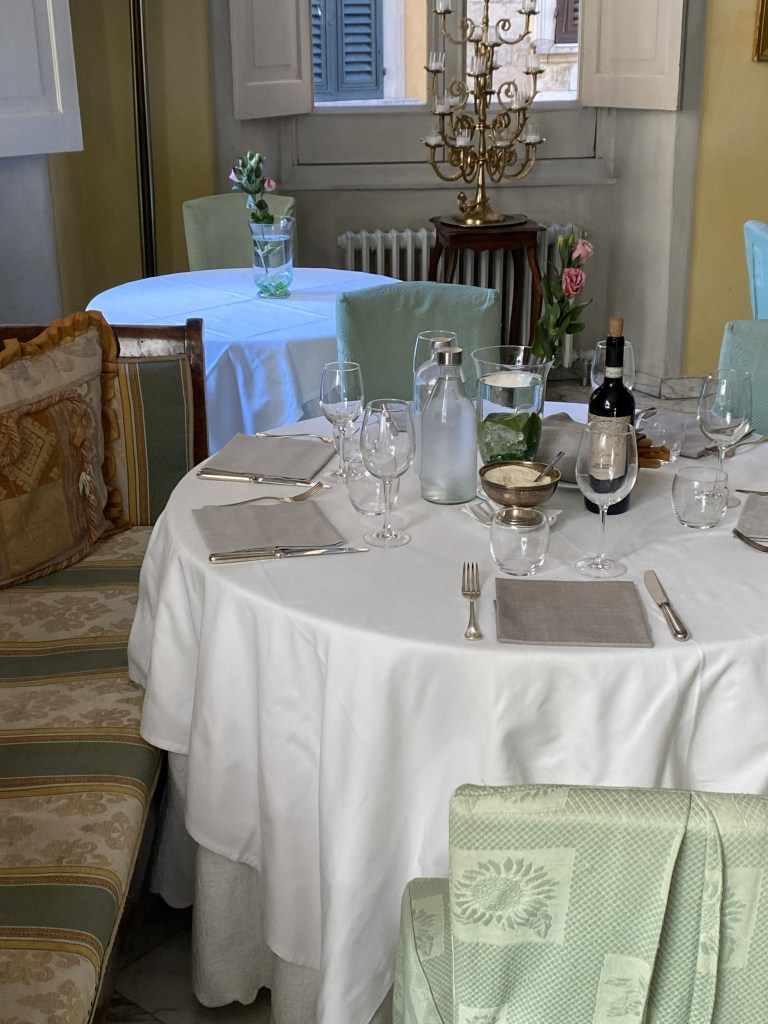
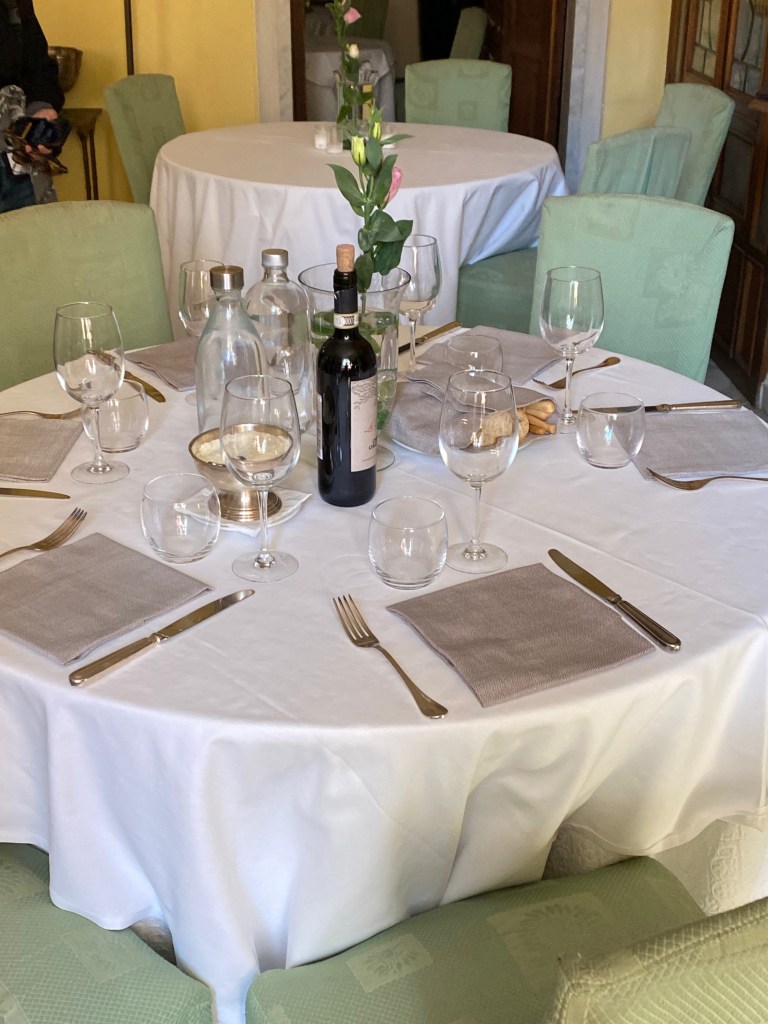
Our meal was multi-coursed, wonderfully presented and tasted as good as it looked. Truly a treat!
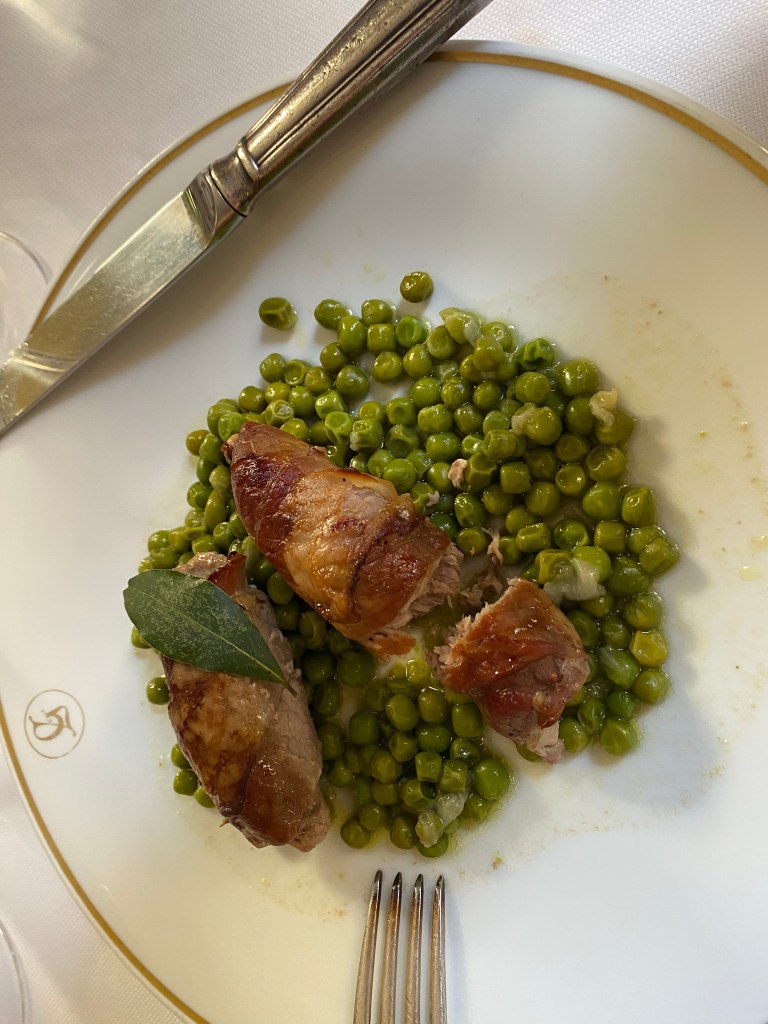
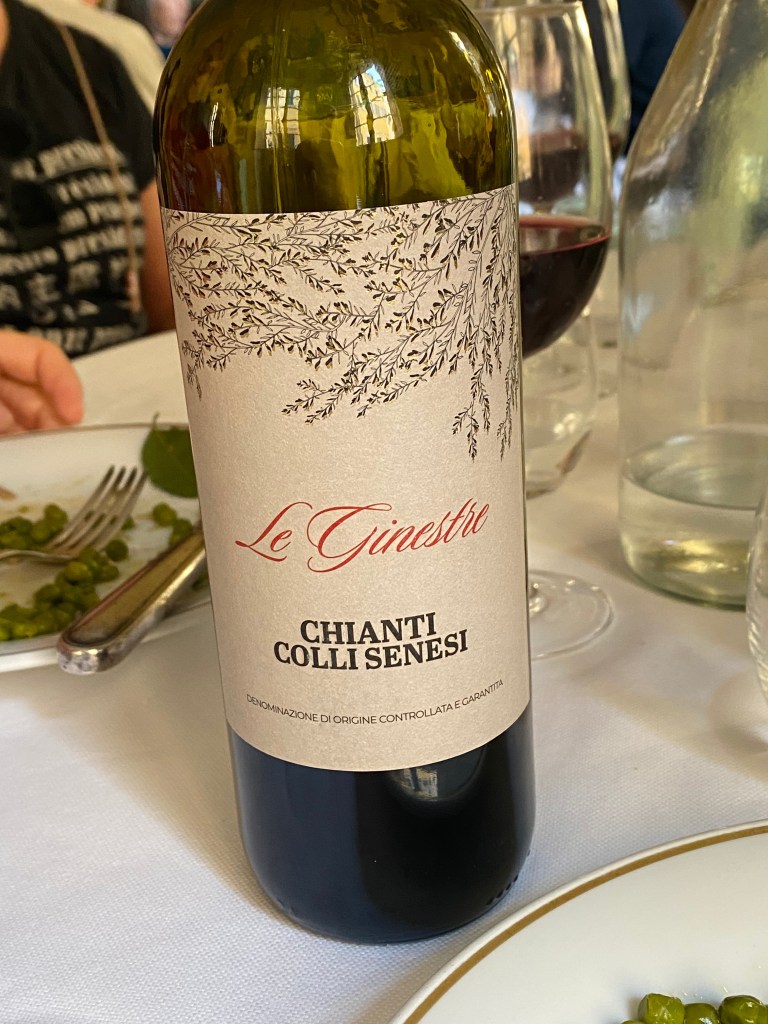
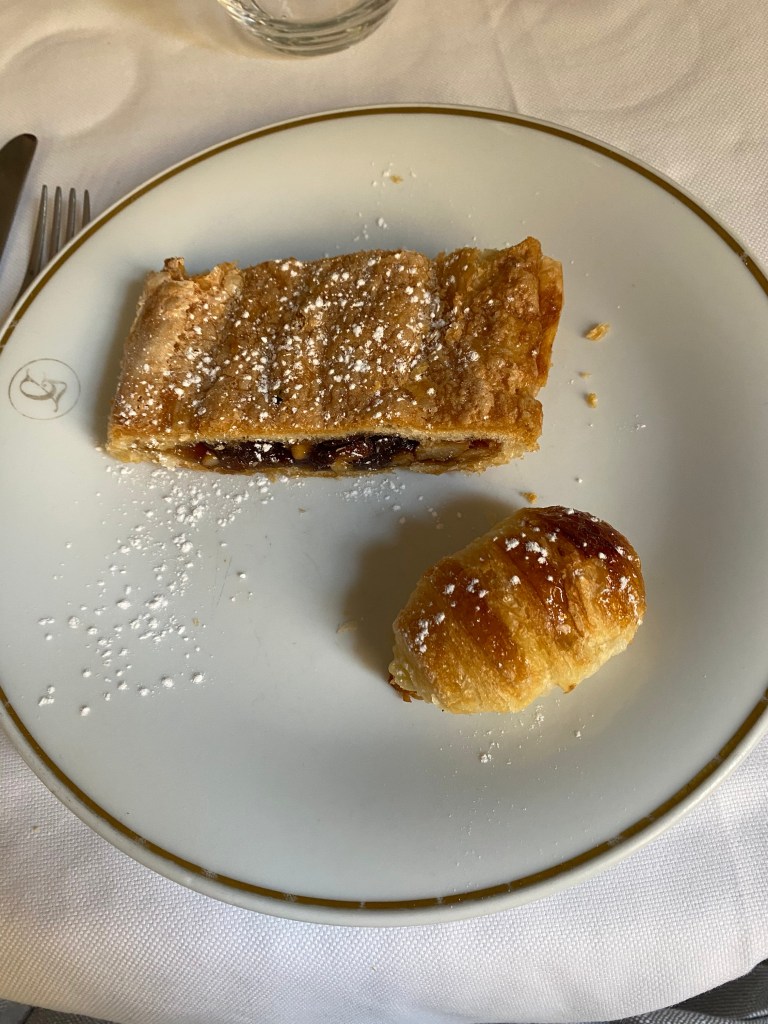
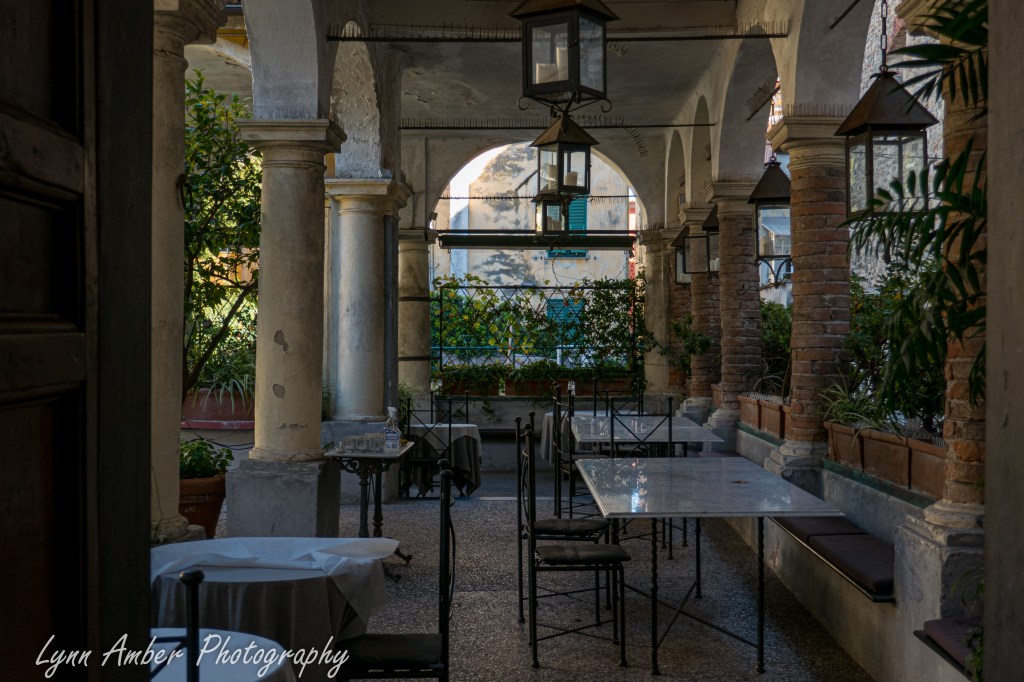
On the way out, we were led through the outside dining area and down the stairs that lead to the main entrance for the restaurant when it is normally open. What a fantastic experience!
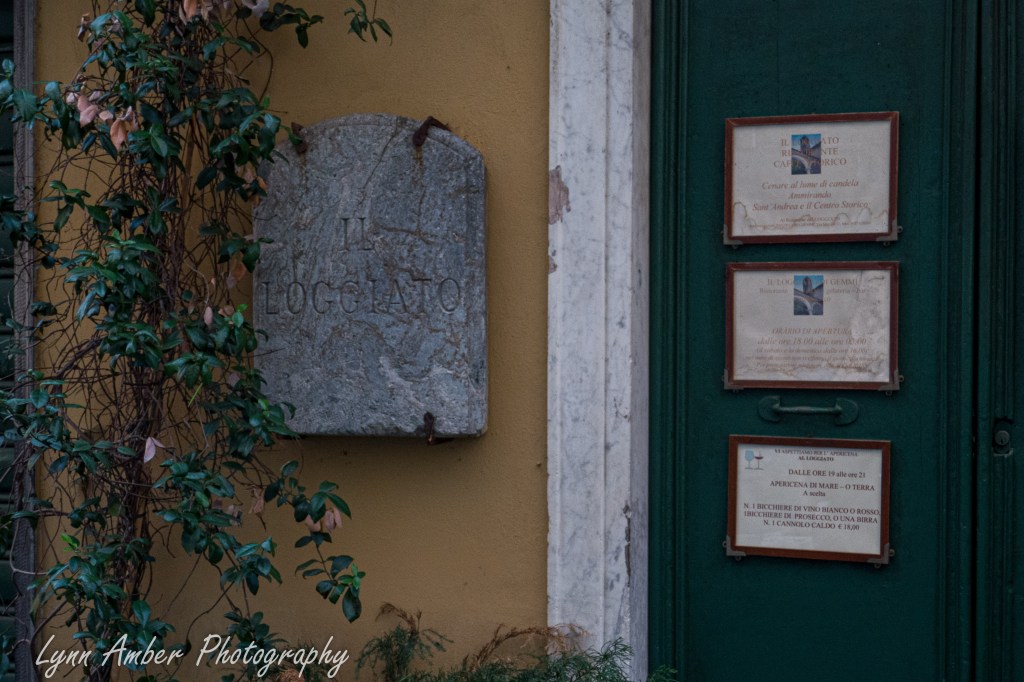
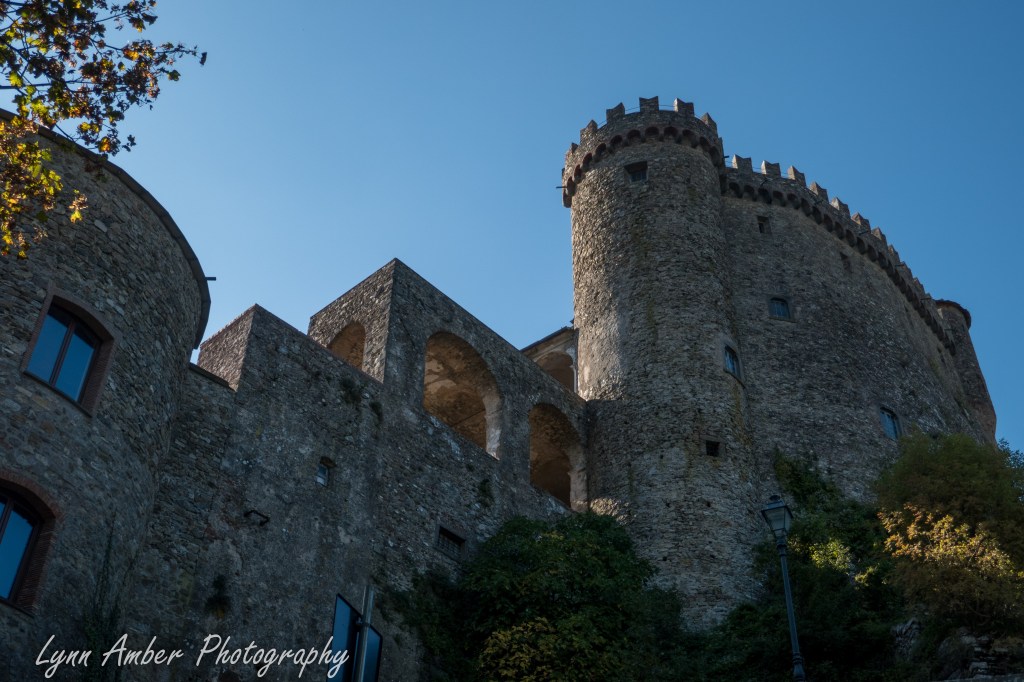
After lunch we headed out of the old town to rendezvous with our coach that would take us further into Tuscany to the medieval castle of Fosdinovo. It was a beautiful drive up into the ancient hilltop town of Fosdinovo. The castle was and still is owned by the Malaspina family and dates to the 12th century. It is now a tourist attraction and hosts private events as well as a bed and breakfast. Imagine being able to stay overnight in a medieval castle!


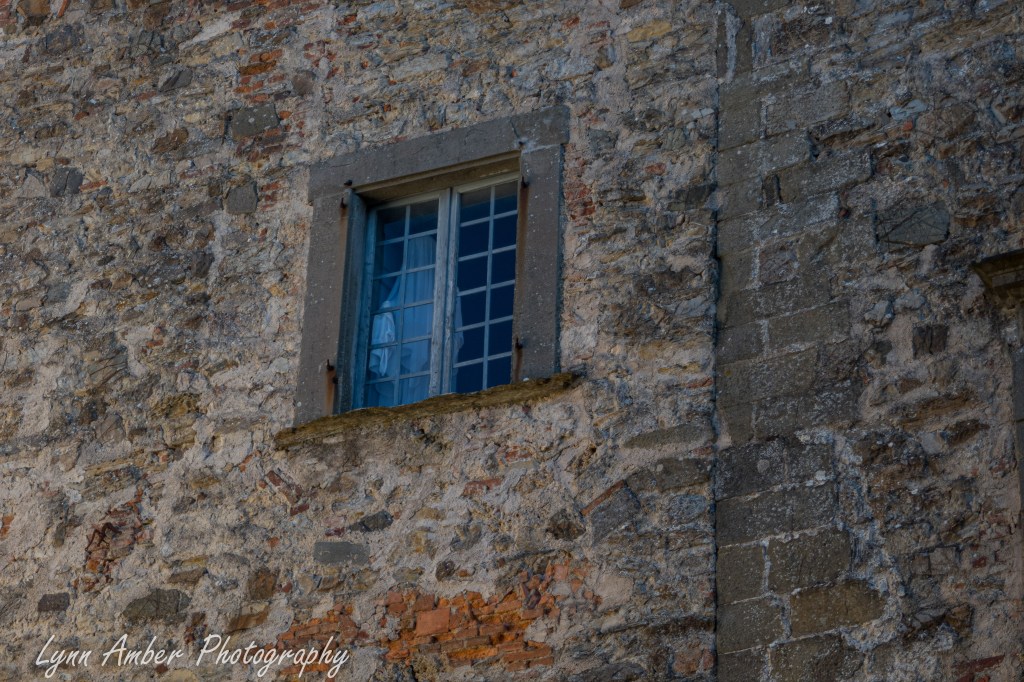
There’s a legend that the ghost of Bianca Maria Aloisia Malaspina roams the halls of the castle. She was a noblewoman who fell in love with a stable boy and refused an arranged marriage. Her punishment was to be walled up alive in a secluded room and left to die.
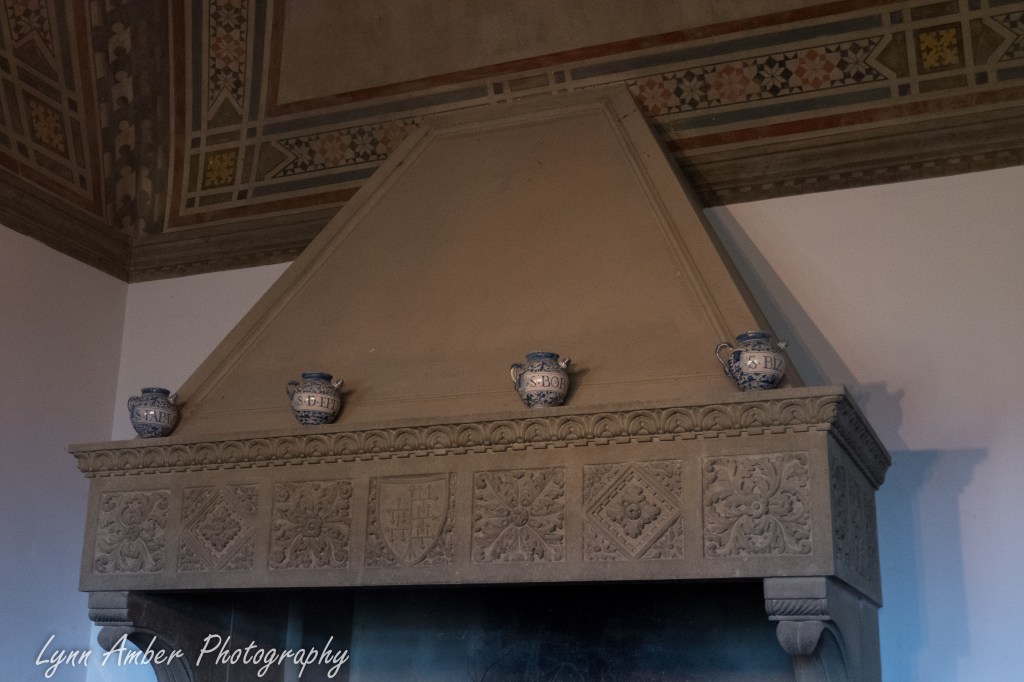
Photographs of the interior of the castle:

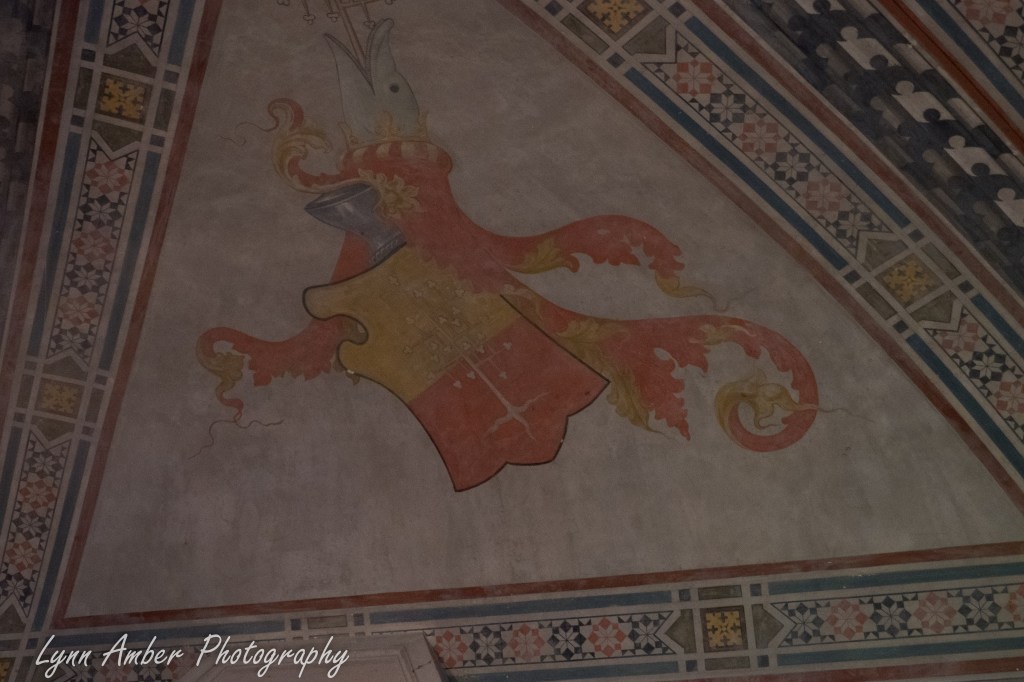
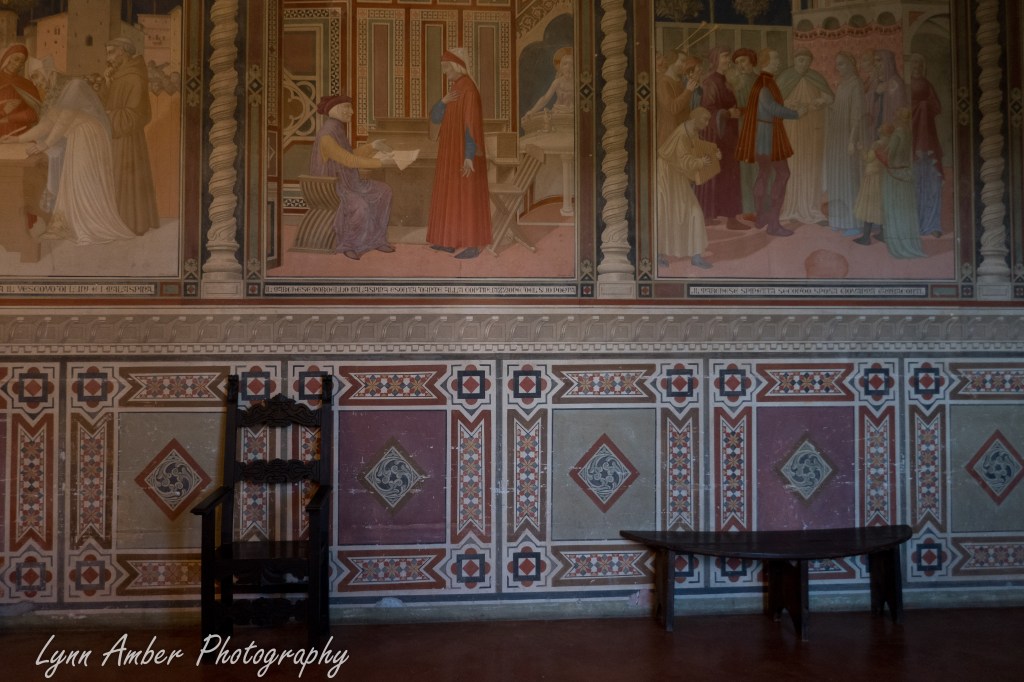
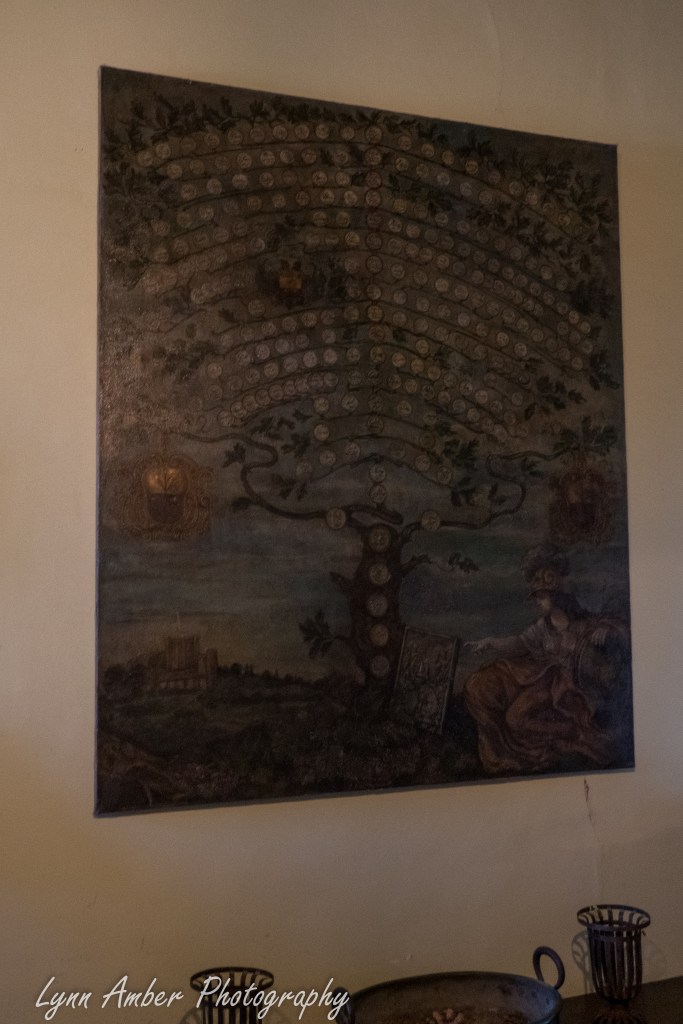
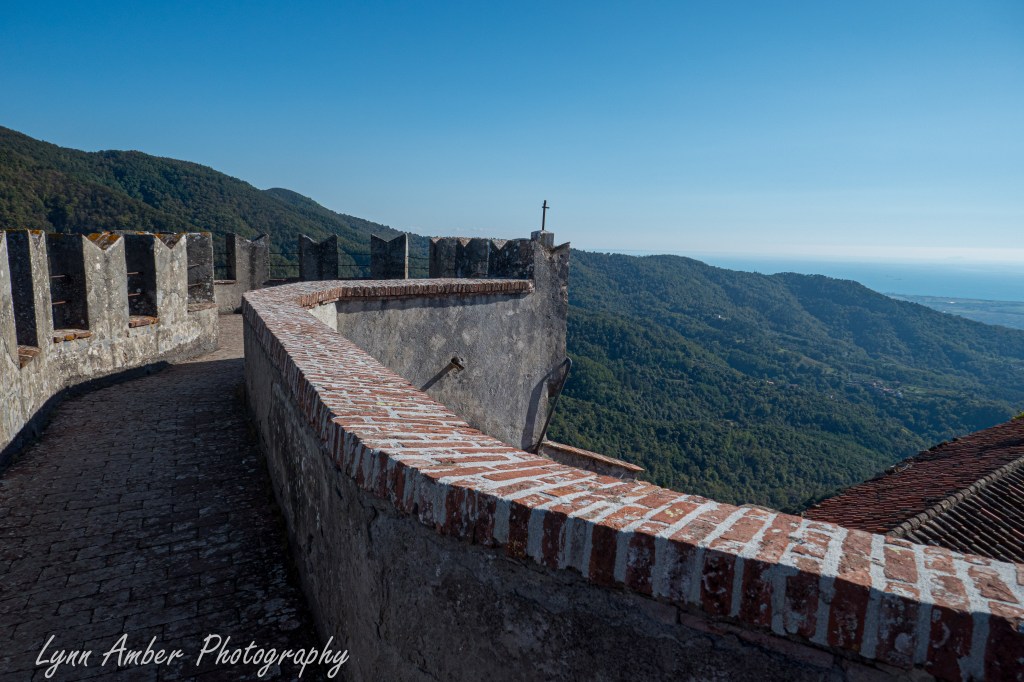
As we walked along the outside of the castle perimeter up high, we were rewarded with great views – all the way to the Ligurian Sea!


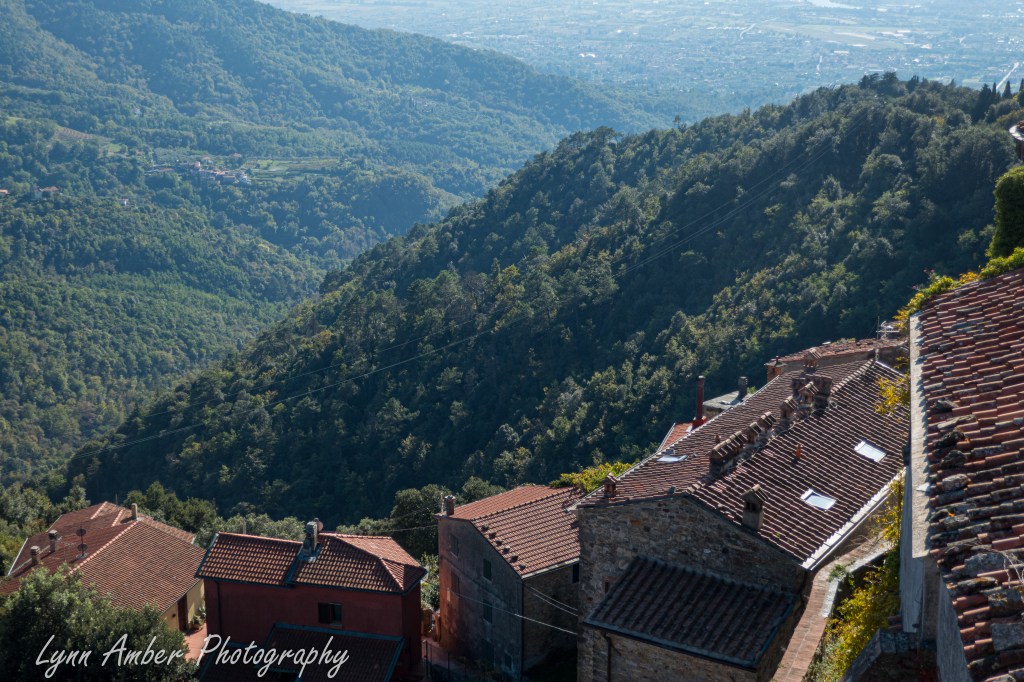
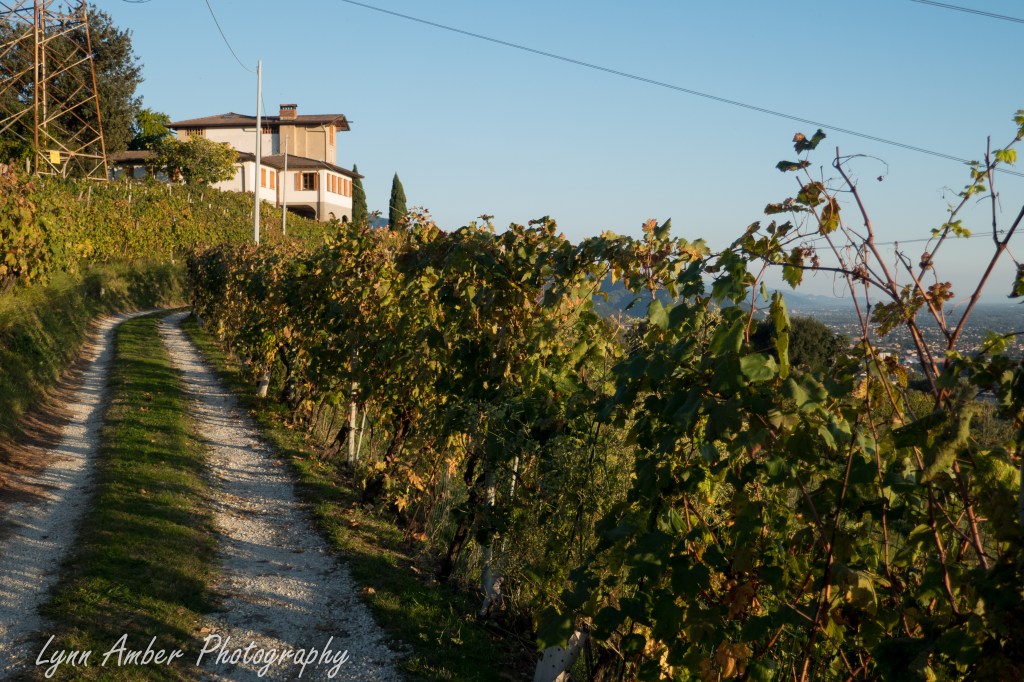
Our stops in Sarzana and Fosdinovo constituted what seemed like a full day of touring. However, our day was not done!! We abandoned our motorcoach after Fosdinovo and continued via several smaller vans to our final destination of the day – the family-run vineyard and winery Lorieri on the Podere Scurtarola estate. It was a winding, scary ride on narrow, steep dirt roads to the hilltop winery! Here we toured the vineyard and winery and were treated to a wonderful wine tasting and meal.
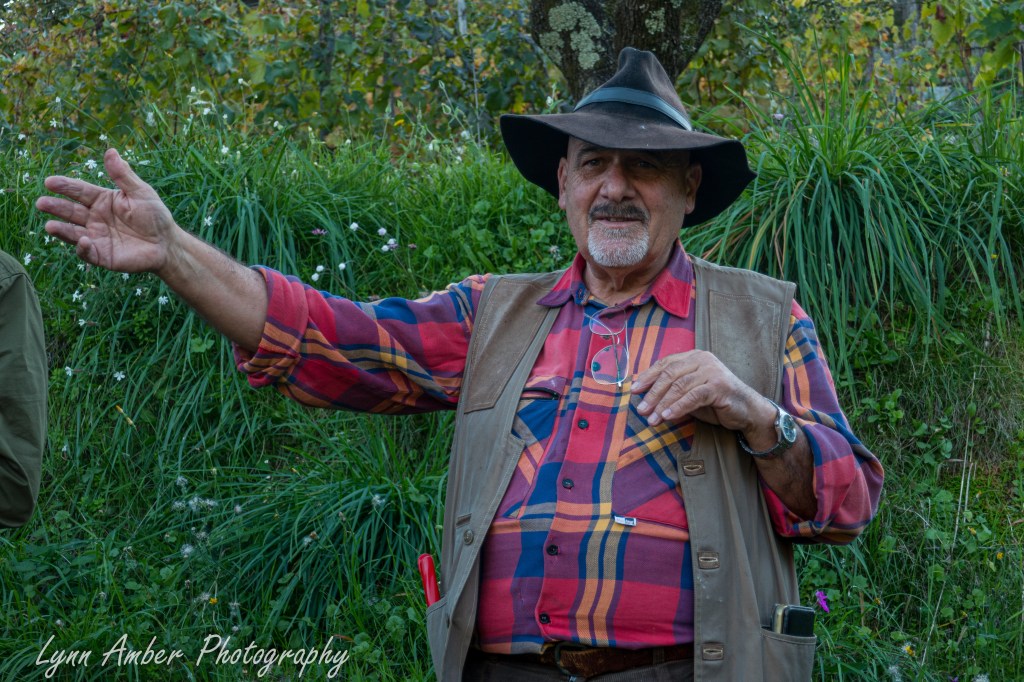
Upon arrival, our host engaged us with some of the history of the vineyard which has been in the family for over 150 years. We listened as he explained the difficult task of growing and harvesting grapes on such steep terrain – often up to a slope of 70-80%.
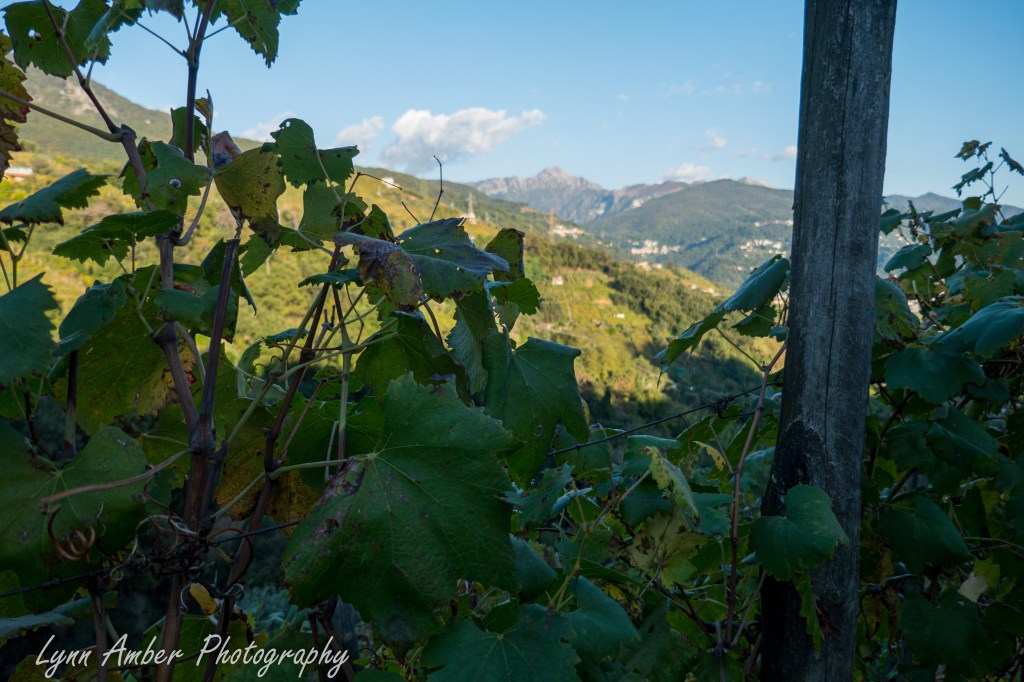
As we walked through the vineyard, he explained that they use no chemical or organic fertilizer or pest control. Instead, they rely on the rich soil and plantings of native species that grow in harmony with the grapes – eventually cutting the grasses and perennials and leaving it to feed the soil.

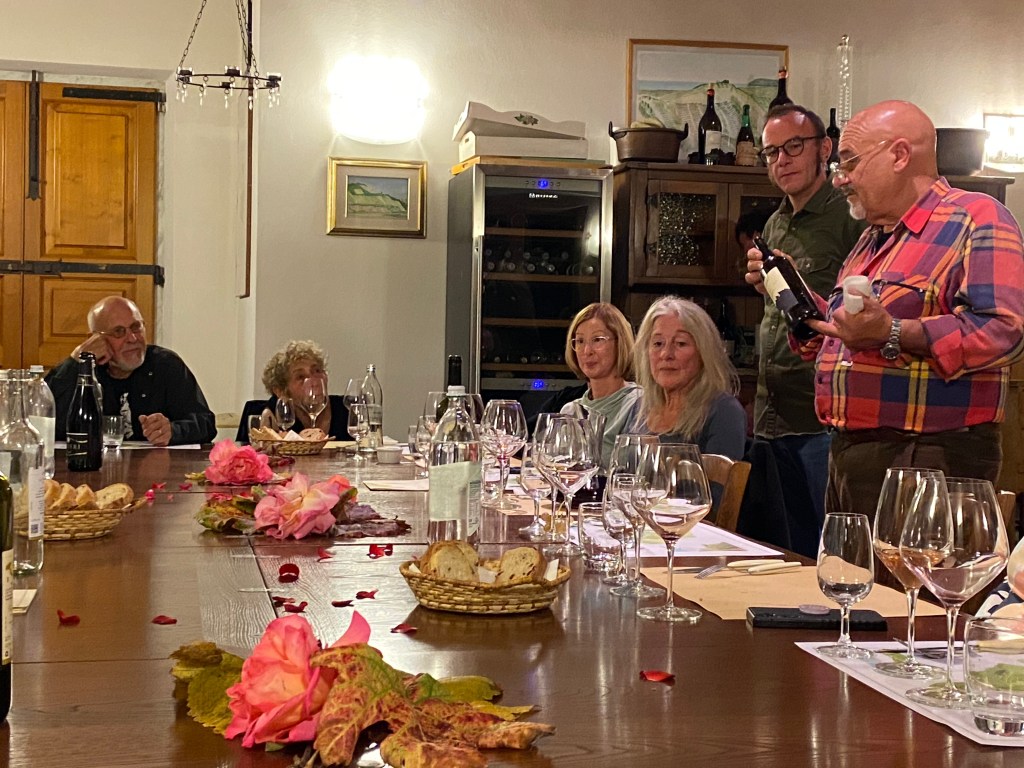
Vermentino is a popular light-skinned grape variety grown in Tuscany and Liguria and produces a light-bodied, dry white wine with citrus and herbal characteristics often referred to as the generic name Candia dei Colli Apuani. This designation means the wines come from the northern Tuscan towns of Massa, Carrara and Montignoso. Our host, Pier Paolo Lorieri, co-authored one of the leading authoritative books on the history and cultivation of this variety – Vermentino, the Grape Variety of Climate Change.
He also explained to us his collaboration with the University of Florence’s agricultural division over the years that led to innovations in technology to make it easier to harvest these grapes on the steep slopes. Our host was very informative and extremely entertaining with his easy manner and enthusiasm for his trade.
We were treated to a peek at the storage area and wine-making room that sits on the bottom floor and is partially underground to take advantage of the naturally cooler temperatures.
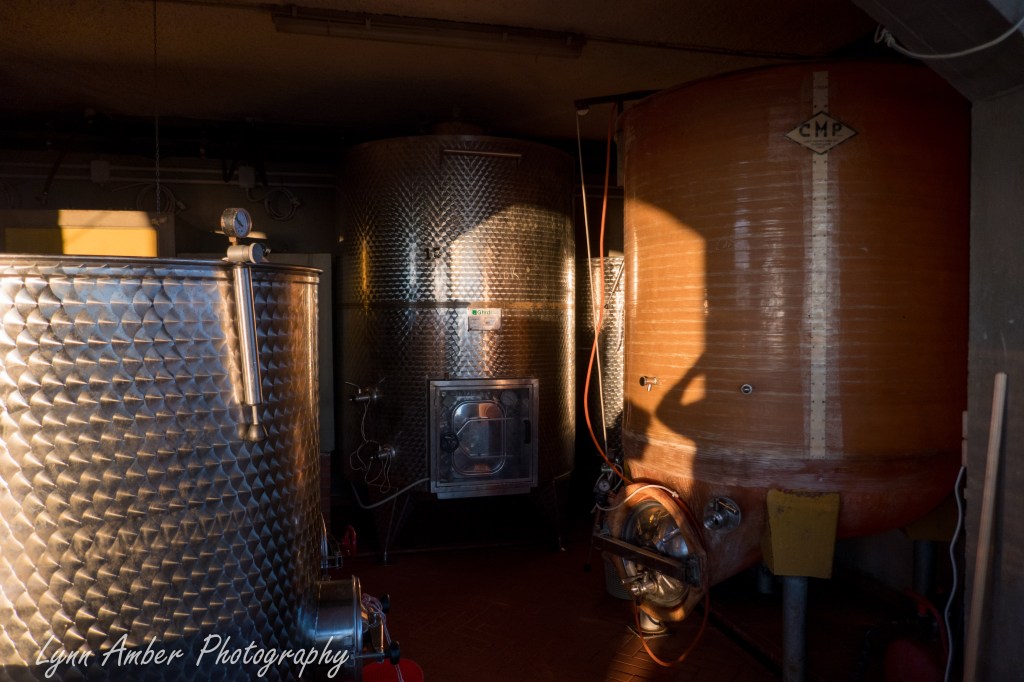
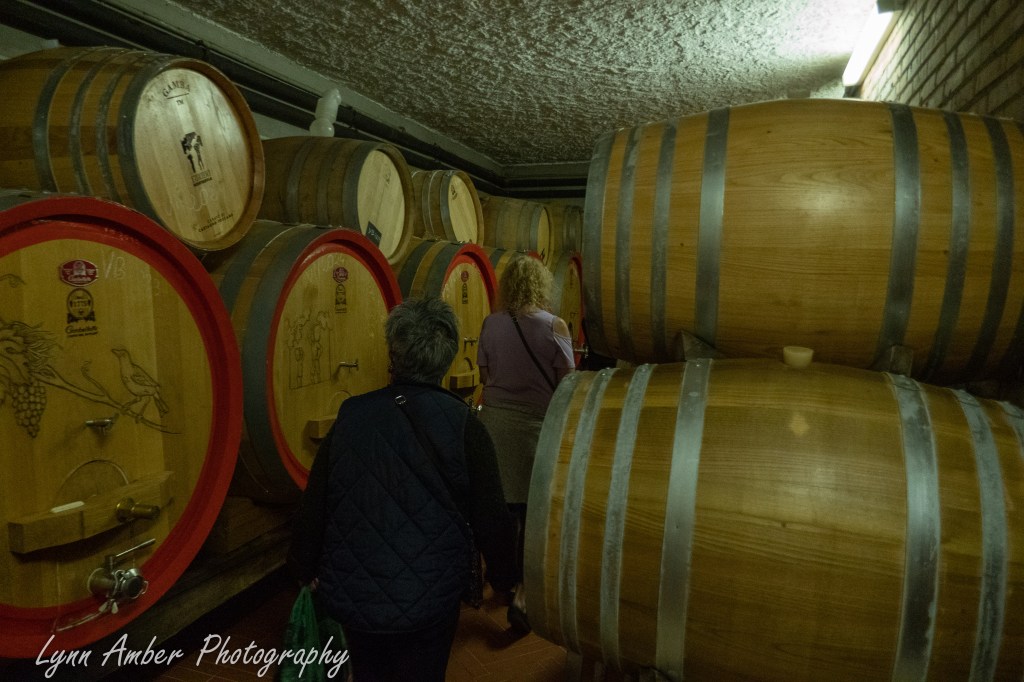
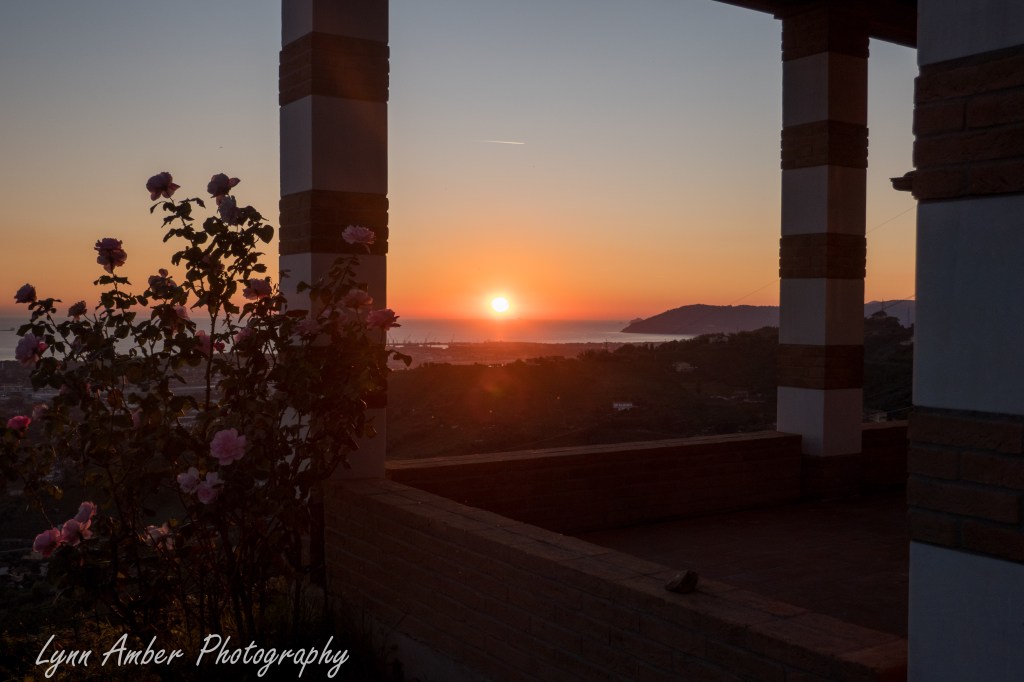
As we came around to the upper floor where the restaurant and wine-tasting is conducted, the sun was just about to set over the Ligurain Sea. I suspect our host timed this perfectly!
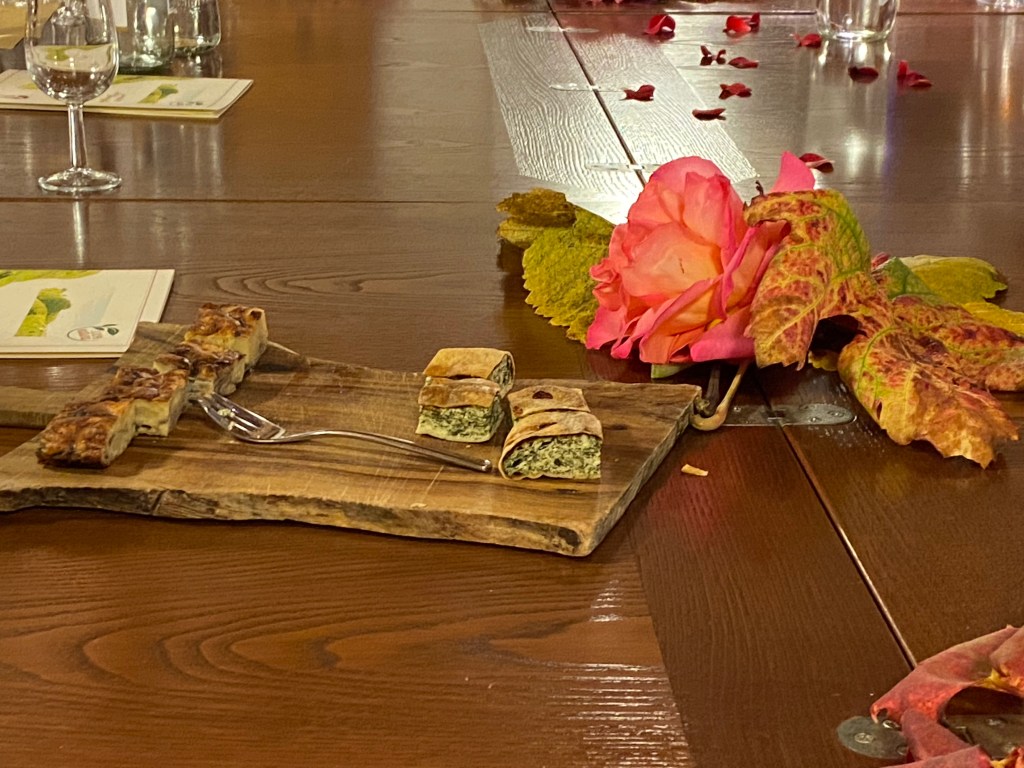
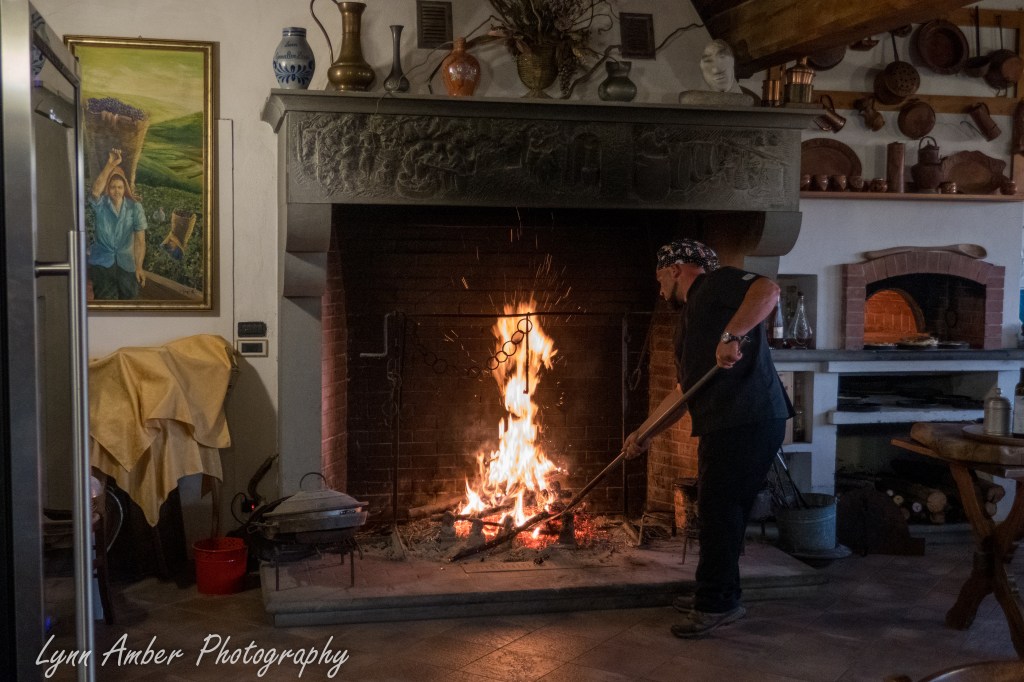
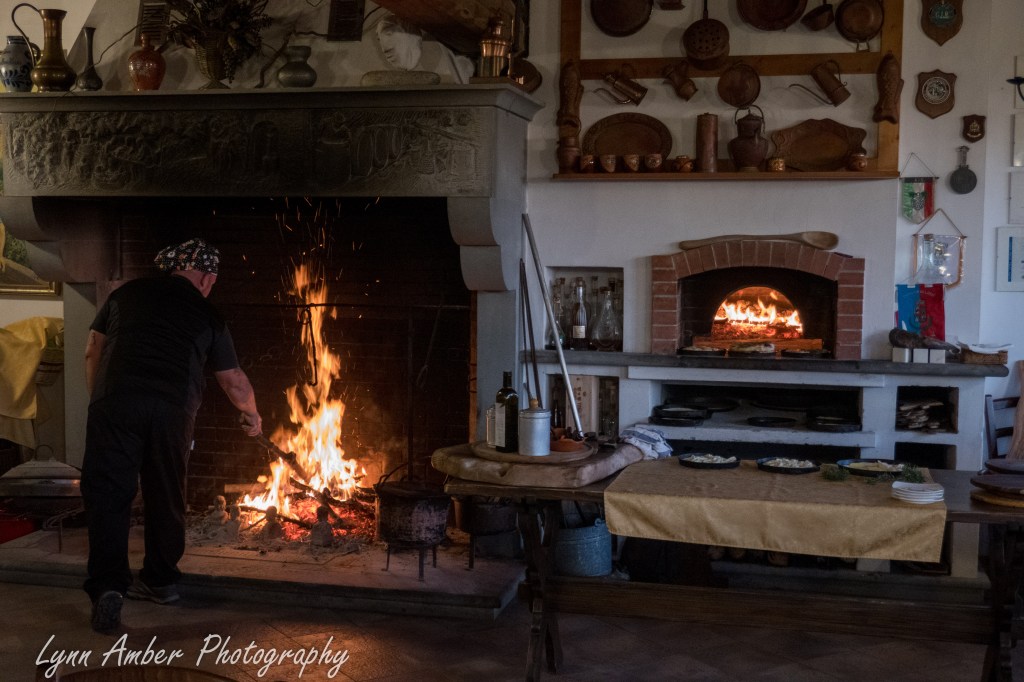
Our wine-tasting was comprised of several varieties produced here on the farm – including a little-known wine local to this region called Vermentino Nero. The wines were paired with local dishes cooked in a wood-fired oven and over a wood-burning fireplace – focaccias, local cheeses, vegetables and beef.
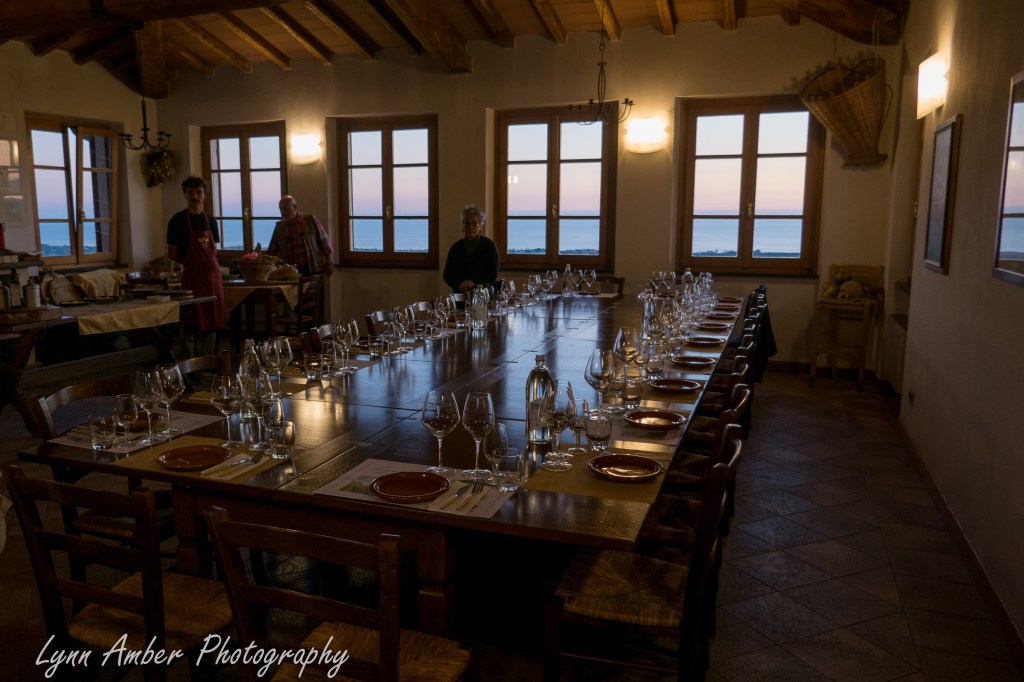




With all that wine and food, it is not surprising that many of us napped on the 2.5 hour ride back to Le Grazie and our hotel!!
I was very sad to see this hiking trip come to a close. It absolutely rates right up there as one of the best experiences of my life. My fellow travelers were engaging and our licensed tour guides were informative and wildly entertaining. The weather was perfect, the scenery breathtaking and the accommodations comfortable and convenient.
 Lynn Amber - Travel & Photography