Lynn Amber - Travel & Photography
sharing my thoughts through words and images
Cinque Terre Hiking Trip – Day 5
October 16, 2025 – Manarola to Corniglia
Today, we find ourselves back on the coastline of the Cinque Terre hiking a more moderately challenging trail between Manarola and Corniglia. The hike is described as a 4-mile distance between Manarola and Corniglia via the sister village of Volastra. With an elevation gain and loss of 1200′ and many very steep steps to navigate, this would be our most challenging day so far.
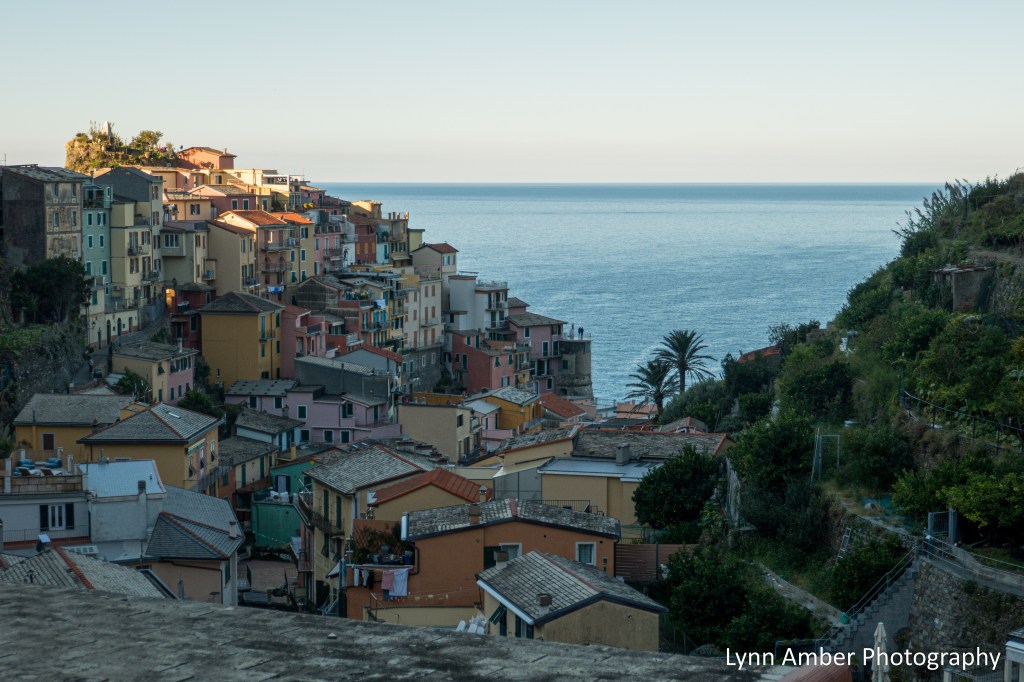
We boarded our motorcoach in Le Grazie for the short ride to Manarola where we disembarked to begin our walk. As with Riomaggiore, Vernazza and Monterosso, the main street has a river running underneath which was paved over following WWII. Before that, rustic stone bridges connected the two sections of town that climbed the steep hillside and were separated by the river.
Our day started with a leisurely walk through the center of town. It was still early in the day but already the tourist crowds were starting to line the streets. As with the other Cinque Terre villages, Manarola is a colorful, vibrant space.
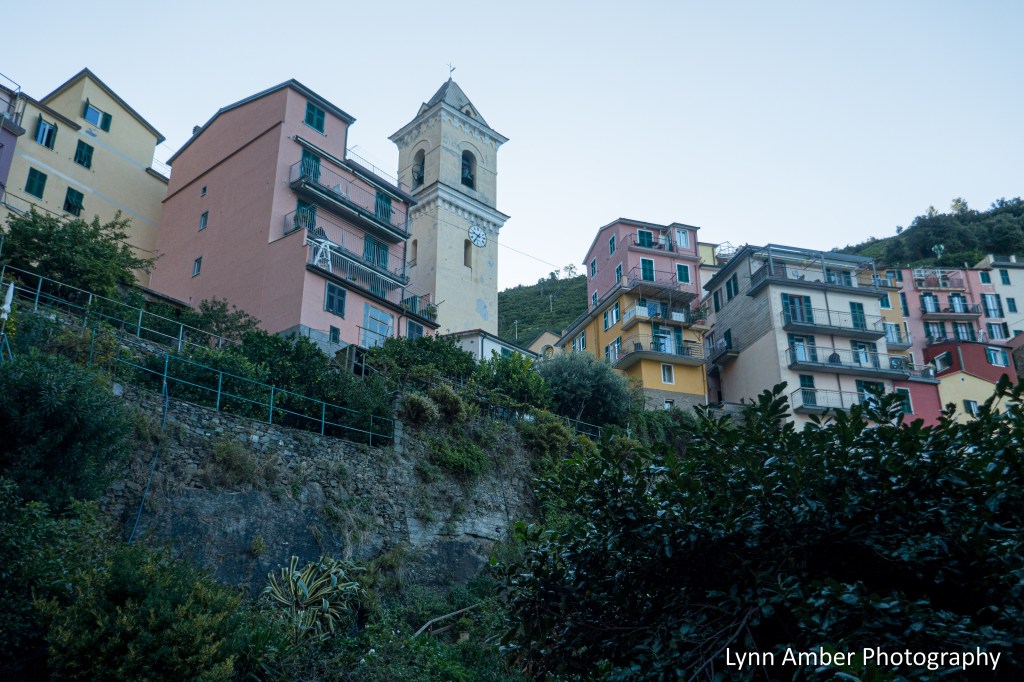
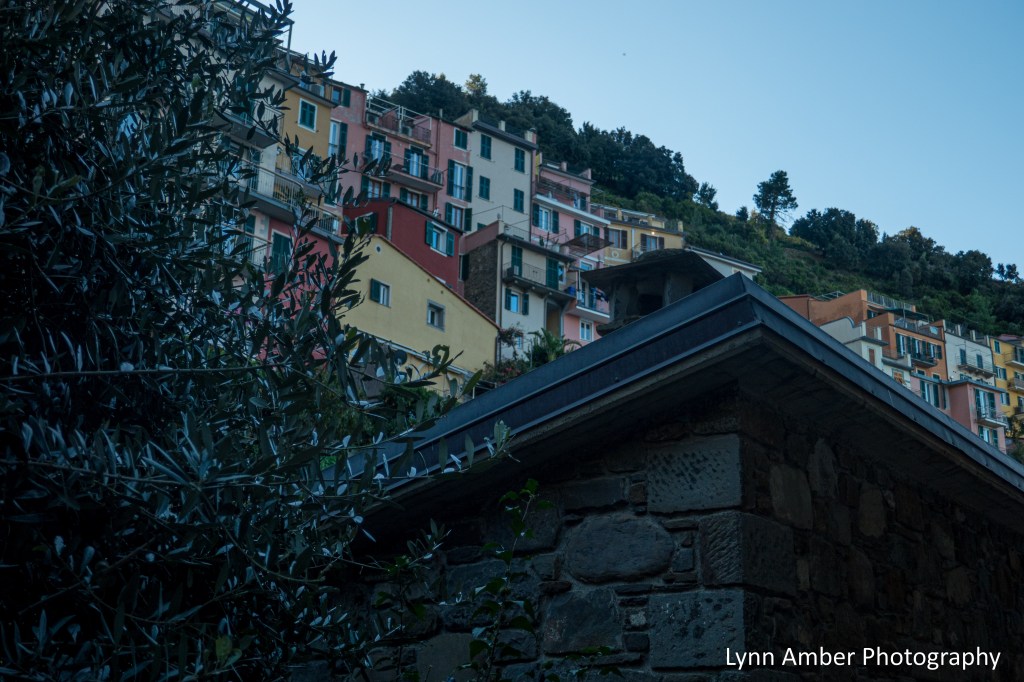

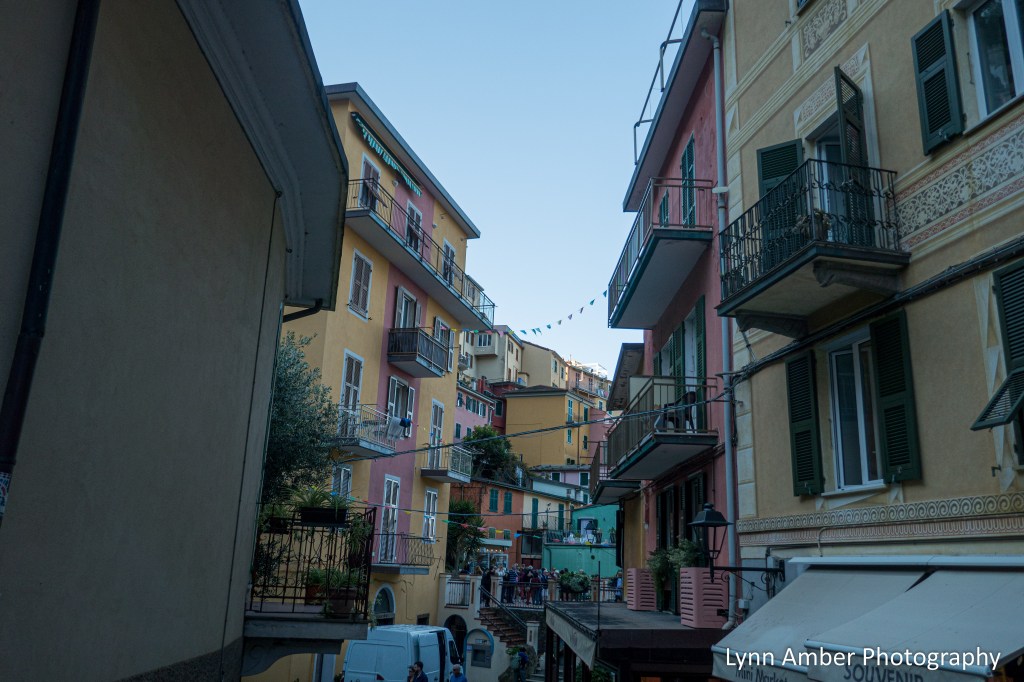
We eventually came to the Piazza Capellini which is a relatively new square with a colorful mosaic as its centerpiece. It is one of very few flat spaces in the town and our guide said it is often used by school children to play soccer.

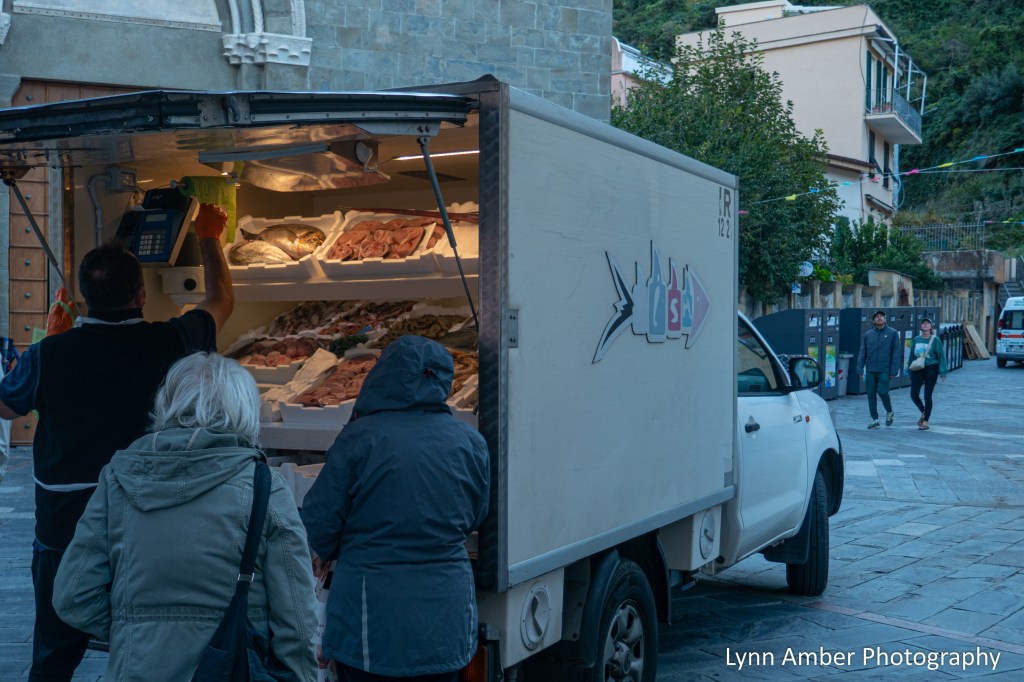
Along one of the streets, a delightful little fish vendor was pulled up selling the fresh catch of the day. I’ve never seen this before and it sure looked good!

Eventually, the waterfront appeared and we could see the small breakwater that was built to shelter the tiny harbor. There is a large crane that exists for lowering boats into the water and pulling them out.

From parts of the town, I could see the opposite hillside where the trails lead out of the town and towards Volastra. It gave me a hint of what was to come! Steps, steps and more steps!!
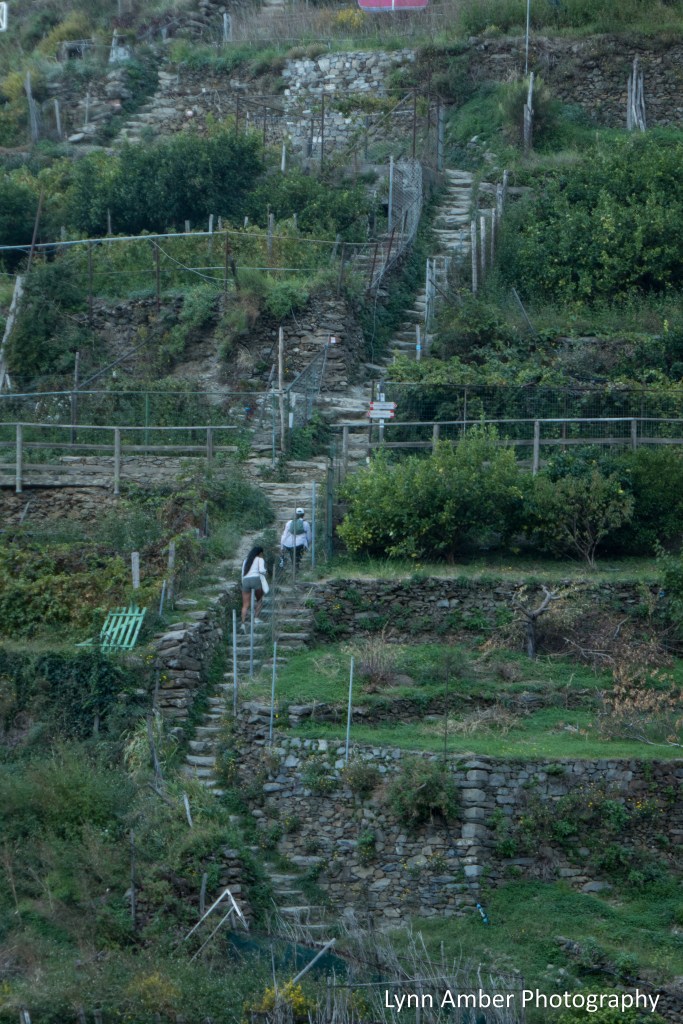
To access the trail leading to Volastra, we climbed out of the village via the Manarola Vineyard Trail that led past the cemetery and afforded us beautiful views of the town from above.

On our climb out of Manarola, we passed by a nice little restaurant overlooking the village, a park with an interesting statue commemorating the wine industry and a cemetery.


We reached the point where the trail to Volastra veered off the vineyard trail and the step climbing began! Some of our hiking group took the option to bypass this section of the trail due to the steepness and tall risers of the stone steps. They would meet up with us in Volastra – at the top of the climb.
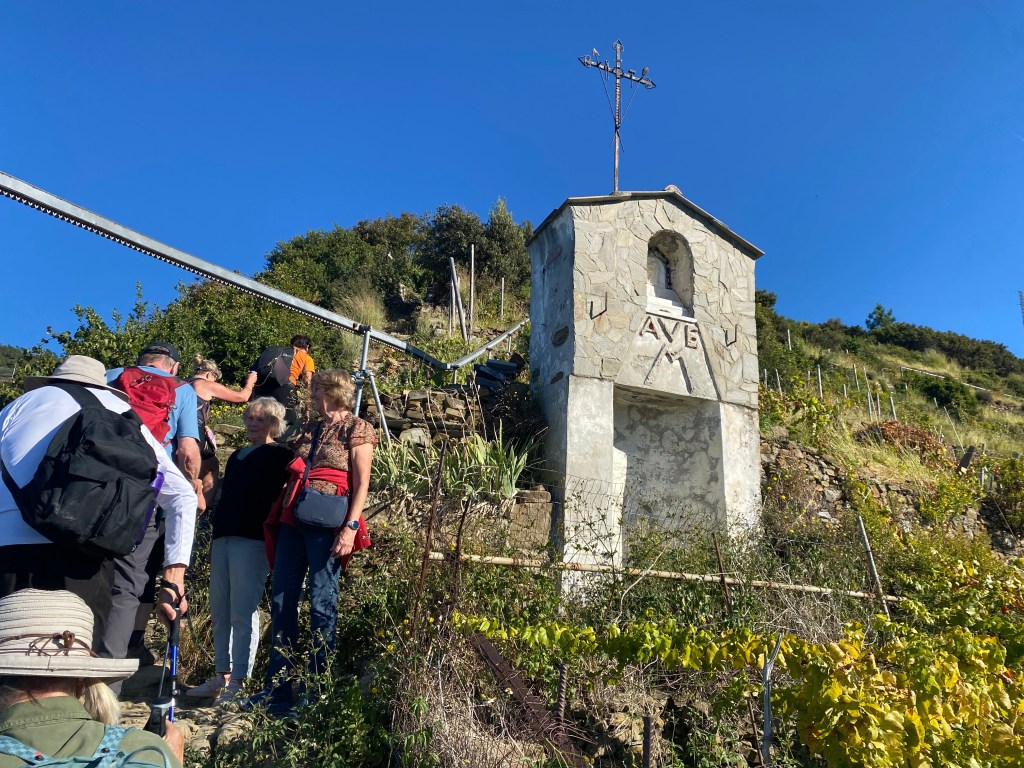
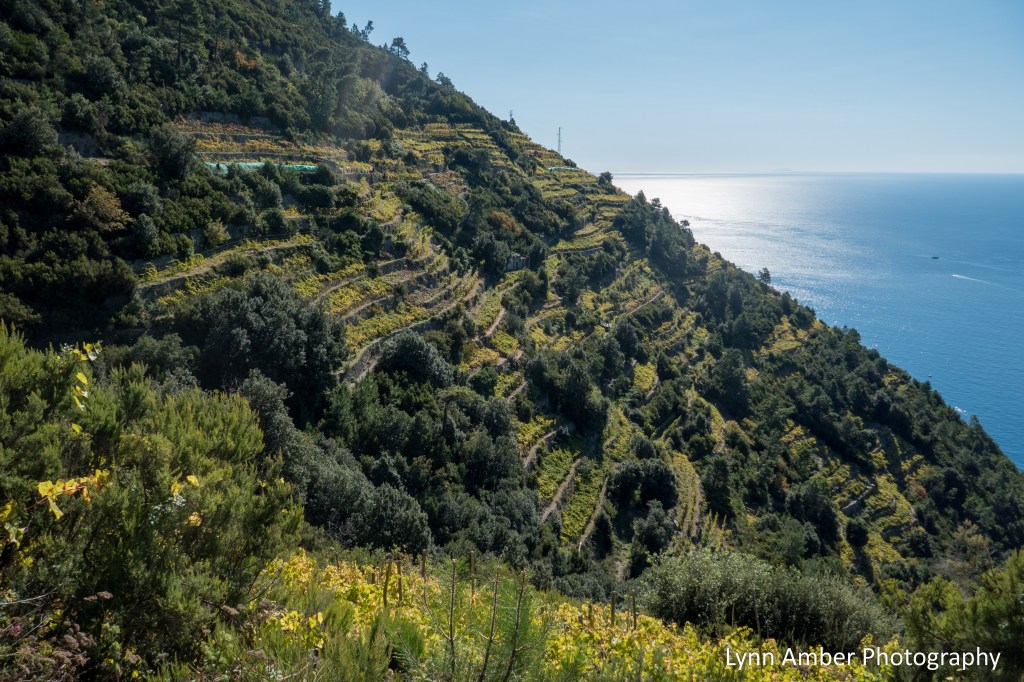
It is said that the hillsides between Manarola and Corniglia have the best, well-maintained vineyards of the region and that was evident from the views we had of the terraces as we walked through them.

Our guide told us that there would be a steep, stone step ascent initially followed by a level area and then more steep steps before reaching Volastra. We then took a break just before the second climb so we could wait for others to catch up and take a sip of water.


I could not remember if the harder of the two steep climbs was before us or behind us. I didn’t think the section we had just done was as hard as implied at the start of the hike. Our guide commented as we started the second climb that the steps were not as steep on this section and we had completed the hardest part. I exclaimed that I thought the hardest climb was yet to come and was relieved and surprised that it was indeed behind us – which elicited an amused chuckle from our guide!
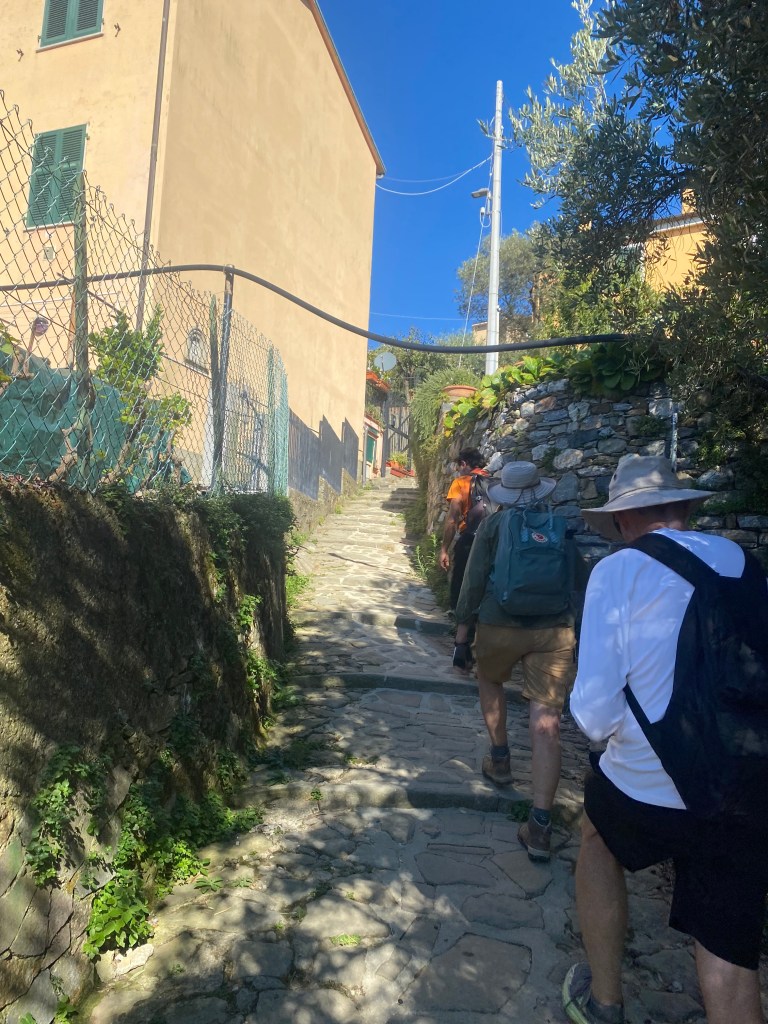
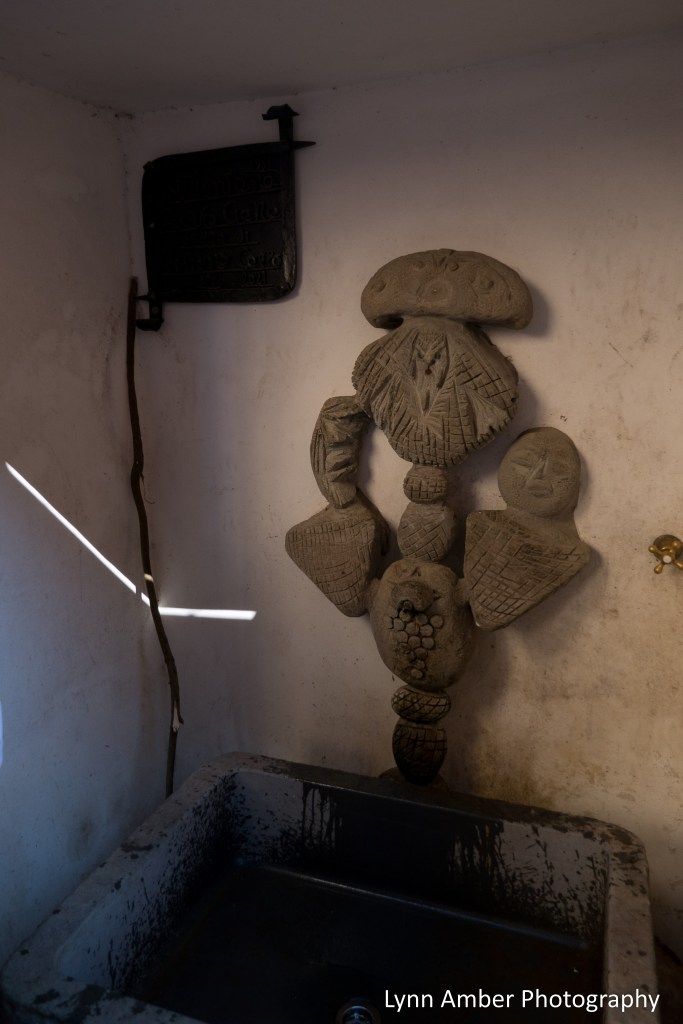
Once we reached Volastra, we took a short break, filled up our water bottles at the town fountain and enjoyed a relatively level hike before our final descent into Corniglia.

The next part of the hike was indeed one of the prettiest stretches when compared to all of our hikes. It was a dirt path through vineyards – at times, with commanding views of the coastline.

I noticed more olive trees growing on the higher elevations along the coast and wondered about the harvest. Olives are typically harvested from September through November in Italy – depending on the location. I looked for olives on these trees and found very few and asked one of our guides if they had already been harvested. I was told that the olive trees have been under stress from environmental factors and that it was not a good year for them. In Tuscany, many olive orchards are being abandoned due to the high cost of procucing olive oil versus the return. The topography of Tuscany limits the ability to mechanize much of the process and reduces profits making them less competitive globally.

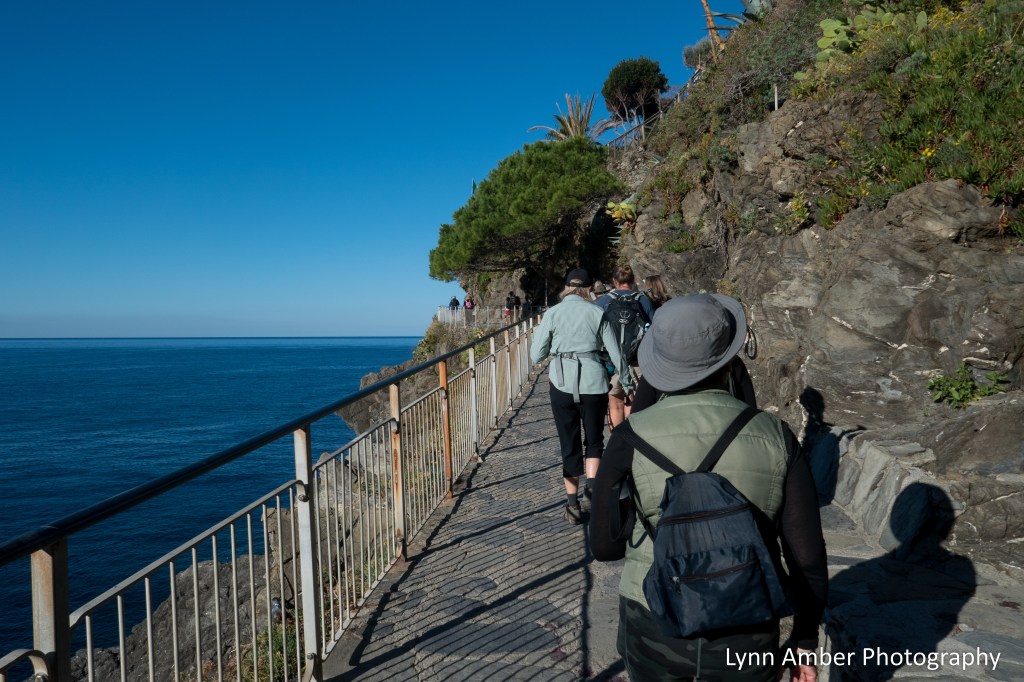
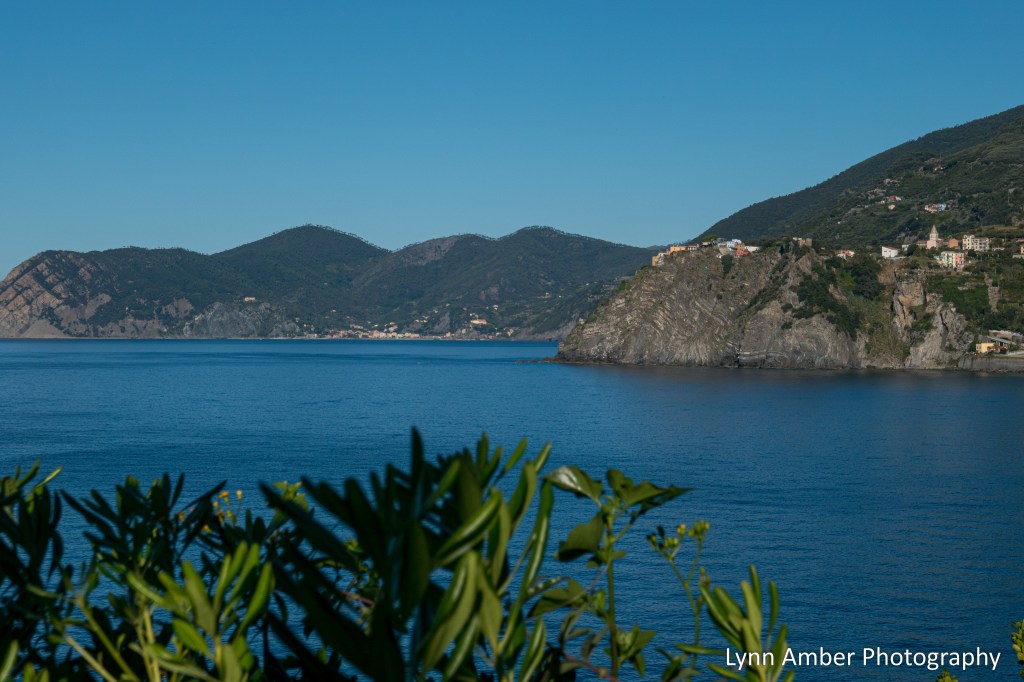
Much of the trail was along the coast and afforded us some fantastic views of the steep cliffs and coastal waters.


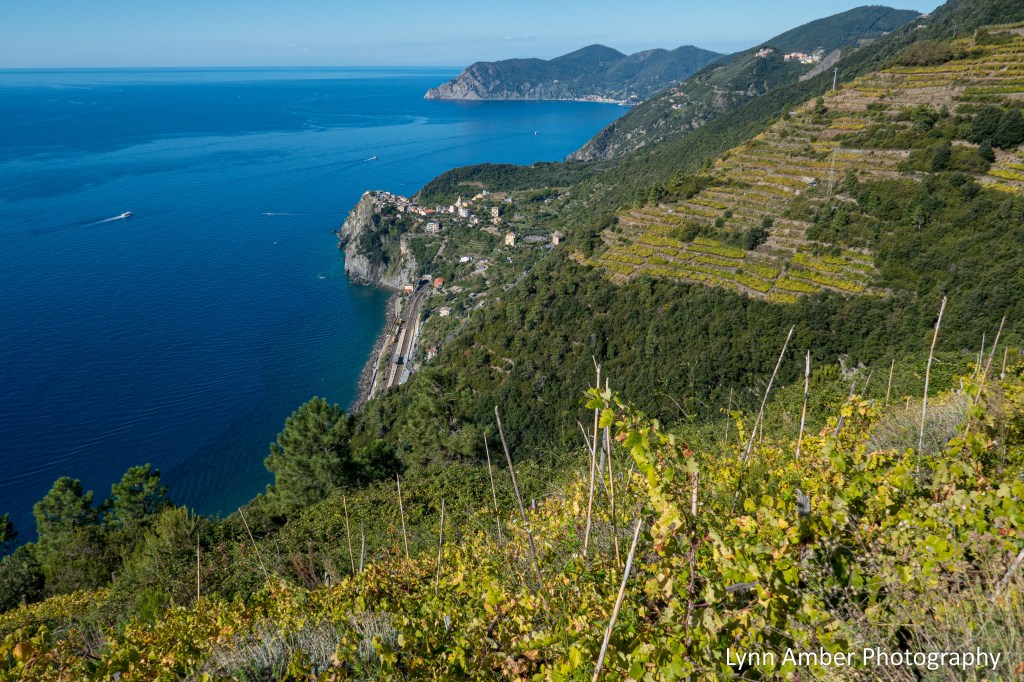


The three photos below illustrate the incredible terraces and vineyards in this area. It is still very much a labor intensive industry.


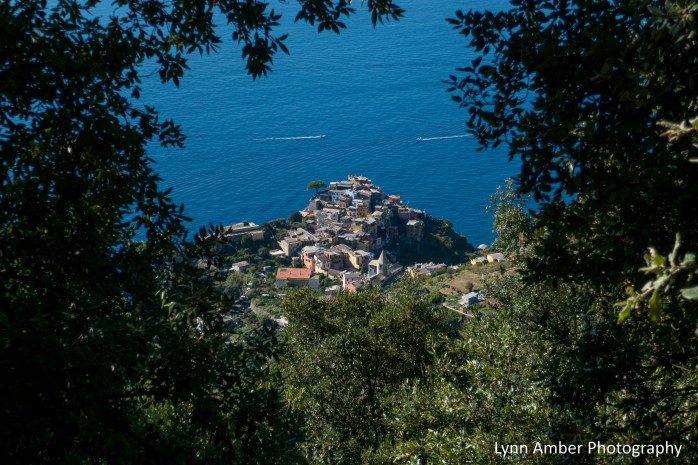
Since Boris has guided these hiking tours for many years, he knows just the right spot for a great photo opportunity! He gives us a warning and schedules our breaks at these points. Clever! Below is one such location – a view down to Corniglia framed by trees in the foreground.
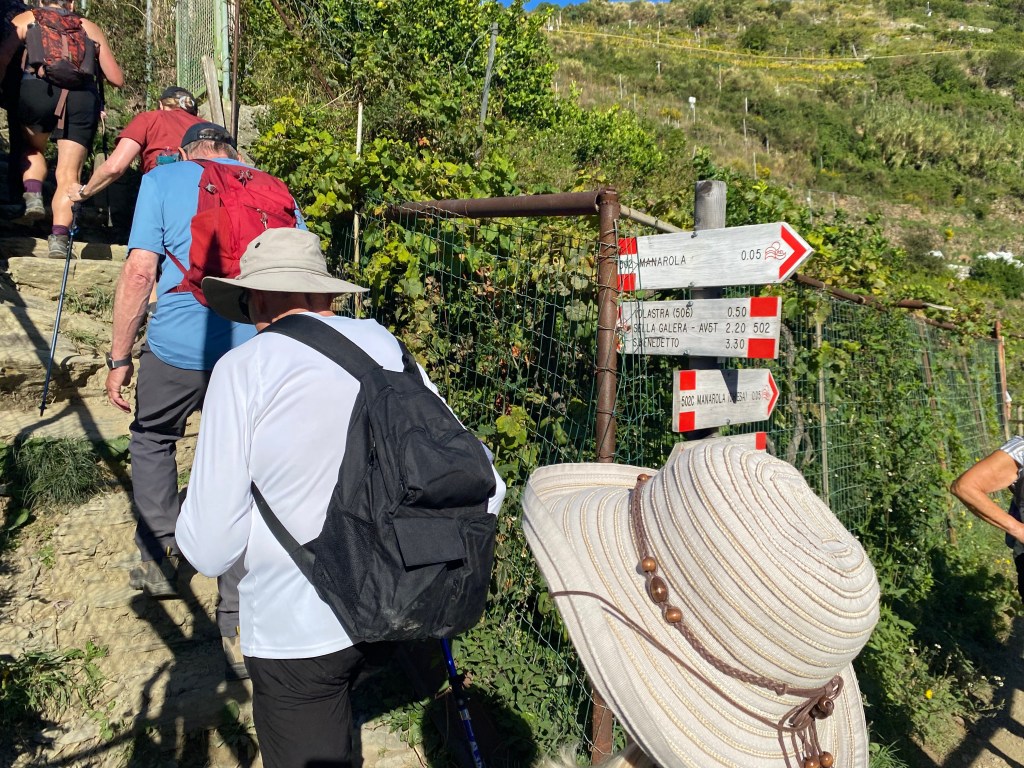
We stopped at the point where the trail starts its descent into Corniglia and Boris explained to us what the numbers on the trail signs meant. I had assumed that the numbers opposite the destinations on the signs were distances. That’s usually how it works, right? But it seemed off. He told us that the numbers represented time not distance. So, according to the sign below, Volastra was 1/2 hour behind us and Corniglia was 1 hour ahead of us. The 3-digit number on the sign “586” represents the trail itself which are represented by numbers in this region.

The descent was long and uneventful and we arrived in Corniglia with time to explore and enjoy an independent lunch. Of course, I sought out a focaccia restaurant!! What else??


We had some time before heading to the train station to check out the local church – Chiesa Di San Pietro. It looked fairly simple in architectural design from the outside yet the inside was surprisingly ornate.

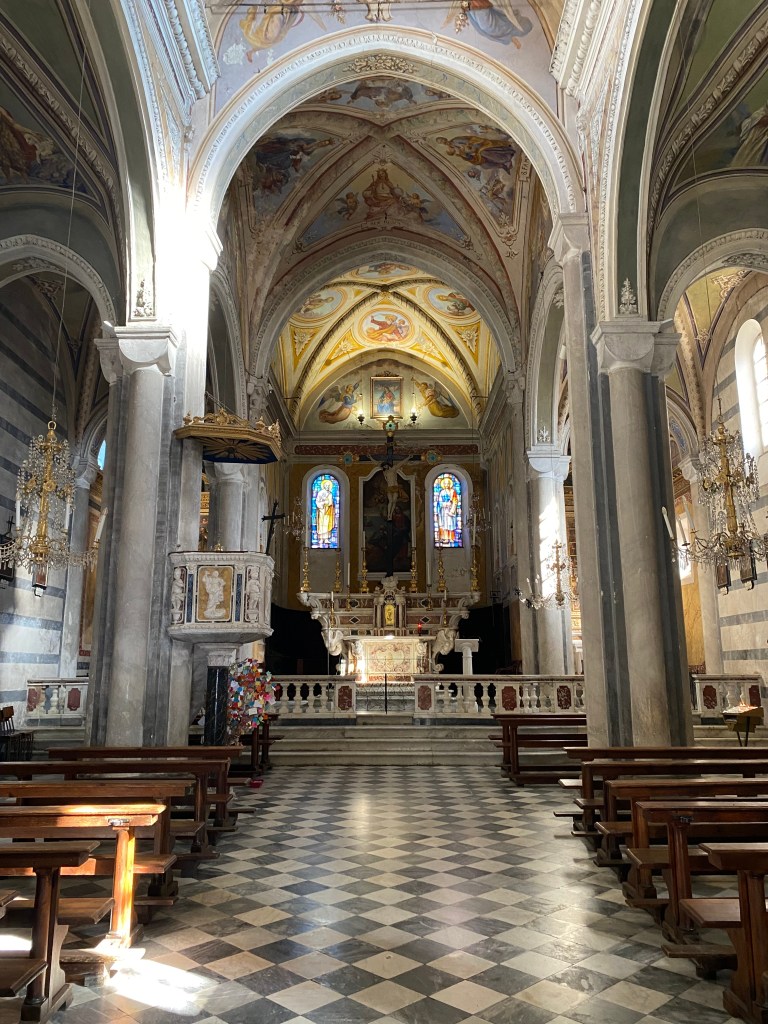

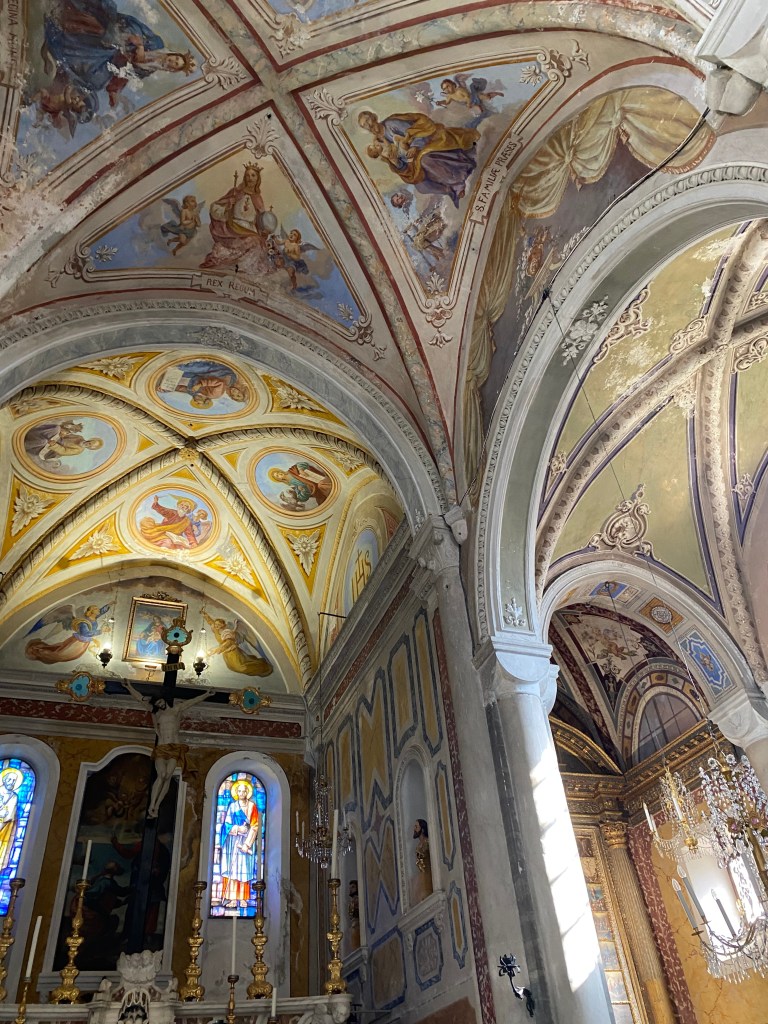
Corniglia is the smallest of the 5 villages and, as you will recall, is the least accessible due to the location of the train station. When it was time to catch our train back to Le Spezia and rendezvous with our motor coach that would return us to the hotel in Le Grazie, we had to walk from the town center of Corniglia down a steep 400-step walkway to the train station.
It was a beautiful day for a hike, and we returned to our hotel in time to clean up and enjoy a lecture about the nickname Gulf of Poets – as the Gulf of La Spezia is often called. In the early 19th century, many famous poets came to call this area home for a spell and gained inspiration from the dramatic landscape inclulding: Percy Bysshe Shelley and Mary Shelley, Lord George Byron, John Keats and Italian poet Giosuè Carducci. I found the following quote from one of Lord Byron’s works that seems to echo the feeling of this region although not expressly written for here.
“There is a pleasure in the pathless woods,
There is a rapture on the lonely shore,
There is society, where none intrudes,
By the deep Sea, and music in its roar:
I love not Man the less, but Nature more,
From these our interviews, in which I steal
From all I may be, or have been before,
To mingle with the Universe, and feel
What I can ne’er express, yet cannot all conceal.”
― Lord Byron
After our lecture, we boarded vans that took us back to Porto Venere for dinner in the Ristorante Il Timone. Another wonderful, satisfying day in the Cinque Terre!
 Lynn Amber - Travel & Photography