Lynn Amber - Travel & Photography
sharing my thoughts through words and images
Cinque Terre Hiking Trip – Day 4
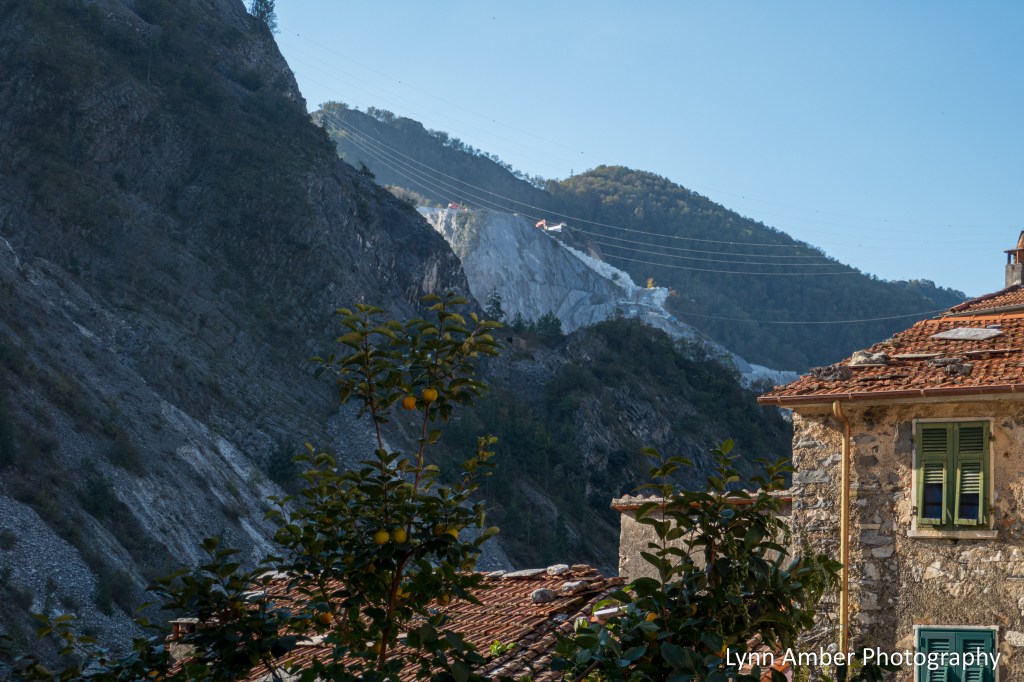
October 15, 2025 – Day 4 – Hiking Trip to Casa Del Vergheto from Colonnata
Today, we would be taking a break from the Cinque Terre coastline. Our adventure started with a 2-hour motor coach trip to the small village of Colonnata high up in the Apuan Alps in Northern Tuscany. Driving the narrow, winding road that leads from Carrara to Colonnata is a challenge – and driving it in a large motor coach is insane! It was quite the ride as a passenger and kudos to our bus driver for his expert driving skills!
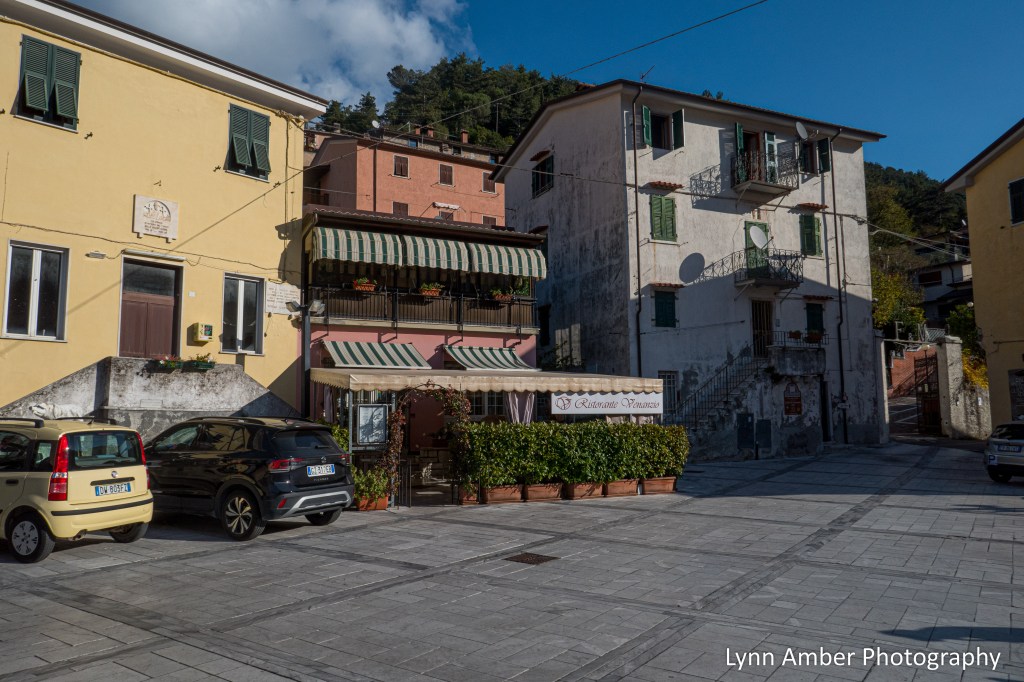
We reached Colonnata and had a few minutes to use the restroom facilities at a small cafe before heading off on our hike to the abandoned village of Case del Vergheto.

The hike today would take us through mostly forested trails with an abundance of chestnut trees. The 3-mile roundtrip, 1,000 foot elevation gain trail was rated as easy to moderate with the steepest section near the top. We started the hike on pavement from the village and quickly found ourselves on a rocky, dirt trail winding through the forest. It was a lovely, shaded hike!
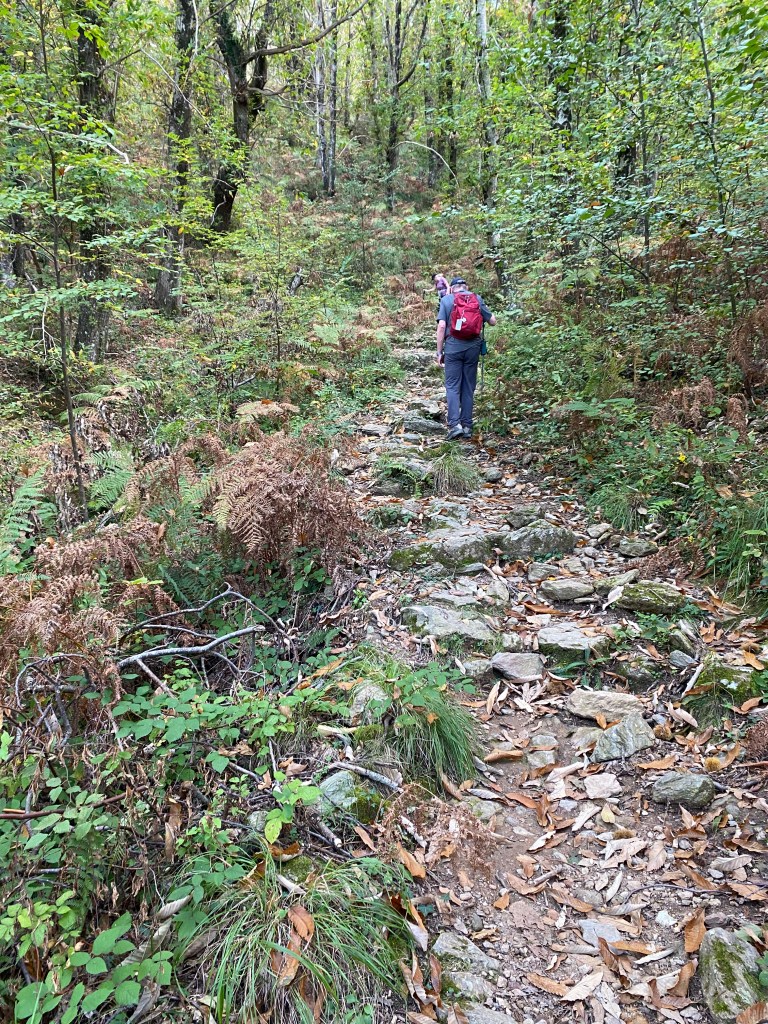
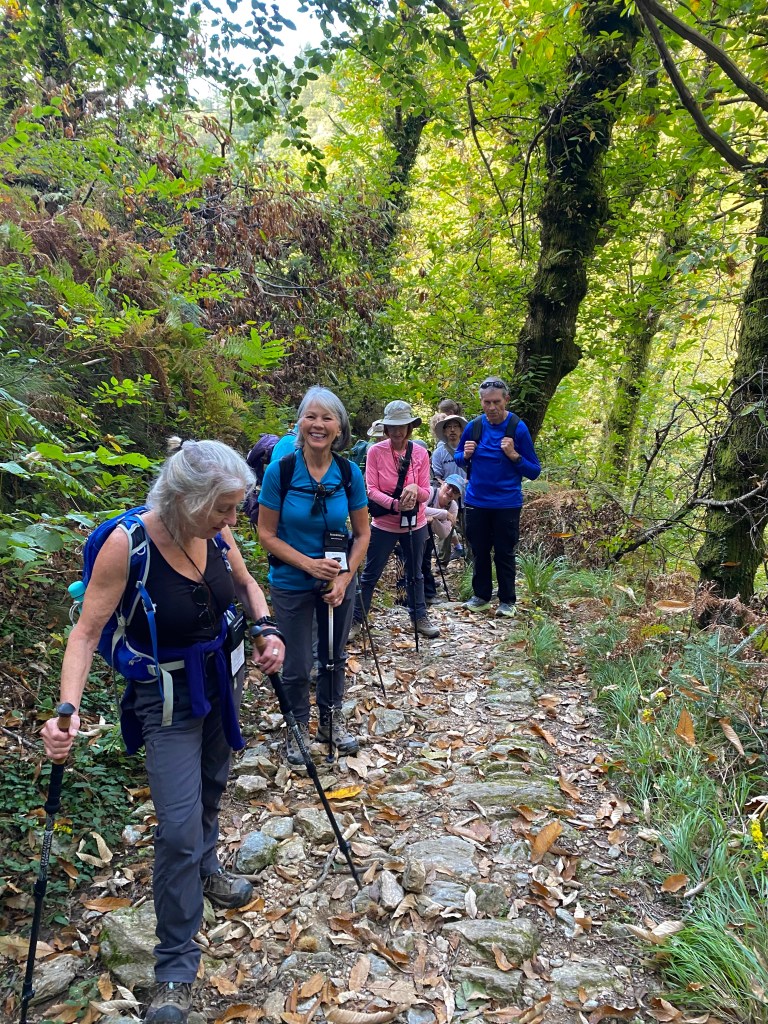
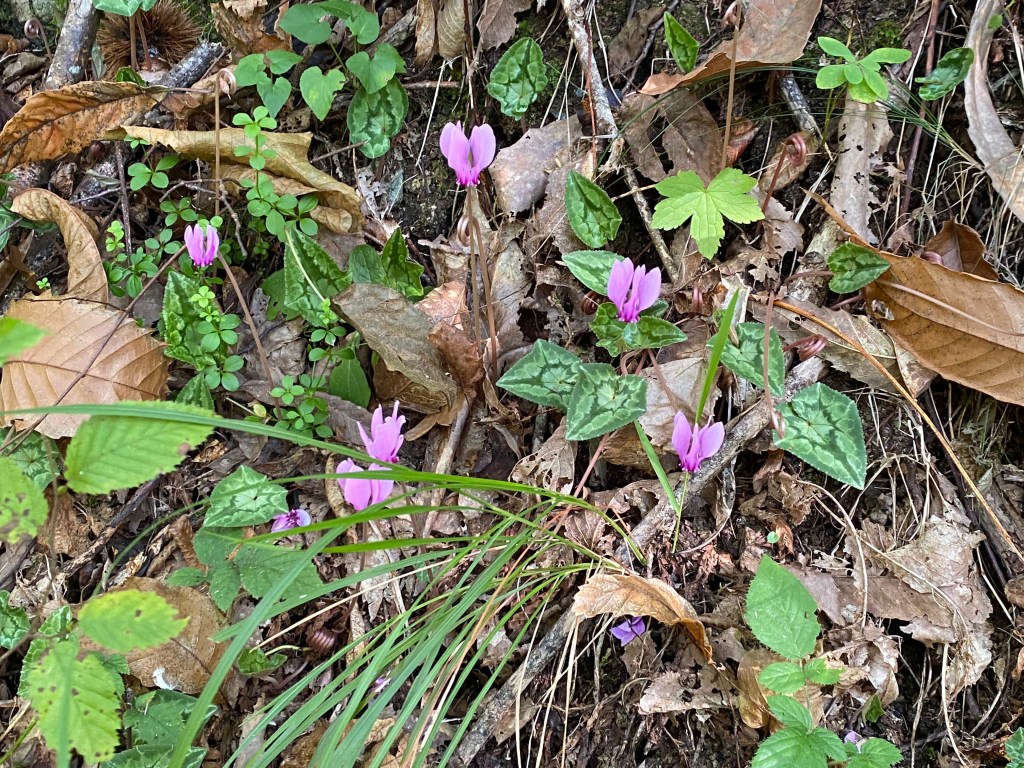
I was so surprised to see a familiar “houseplant” growing wild along the side of the trail! I’m always fascinated by plants that must remain indoors in my climate but thrive in the outdoors elsewhere.
We learned along the hike through our guide Boris that our destination – Case Del Vergheto – was at one time a settlement for quarrymen – or “cavatore”. The village was founded so as to be close to the mountain top marble quarries. It was later abandoned as access to the quarries improved. During World War II, the abandoned village was a refuge for resistance fighters against the German and Italian facist regimes. Part way up the trail, our two fearless leaders, Boris and Leonardo, serenaded us with their rendition of “Bella Ciao” – a popular Italian resistance song. While the origin of the song remains controversial, it is widely accepted that it had its beginnings in the early 1900’s as a protest by women who worked the rice patty fields in Northern Italy. Later, it became a symbol of anti-fascist sentiments during and after WWII.

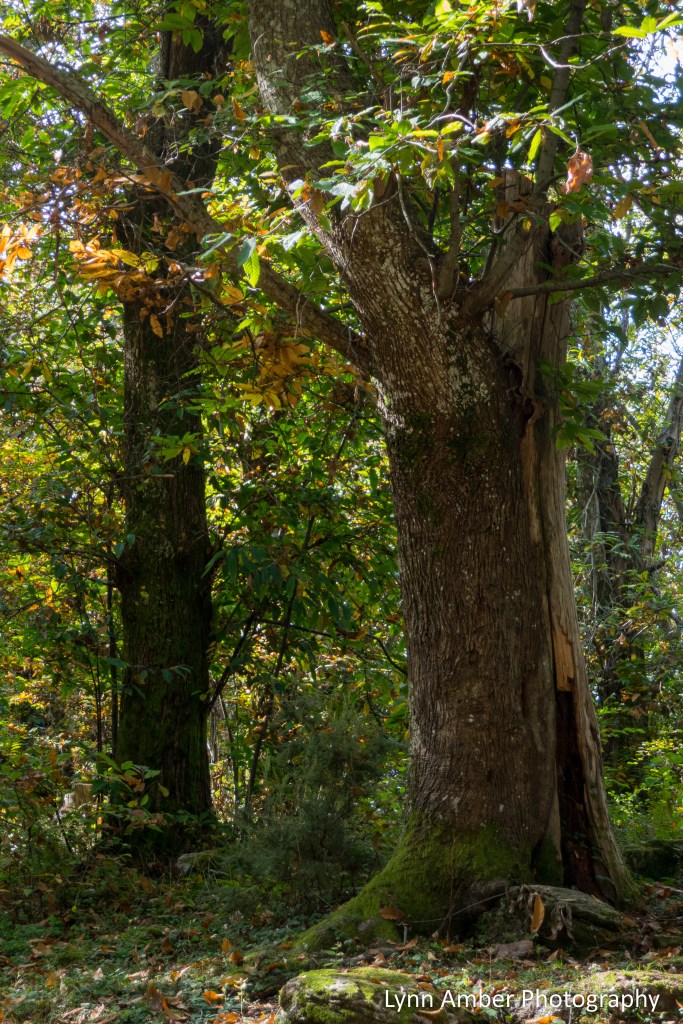
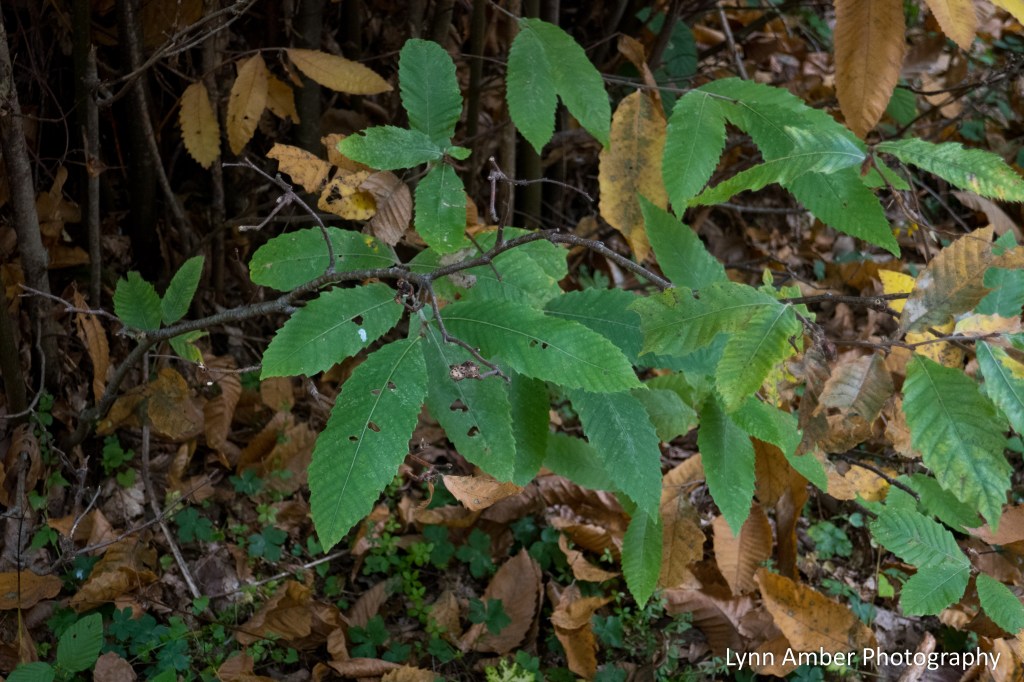
At a trail junction near the top, we entered a small clearing bordered by large, very old chestnut trees. The presence of the chestnut tree in Northern Tuscany dates to the Roman Empire and was considered a major source of sustenance for the residents. Chestnuts were dry-smoked for storage and ground into flour.
As we approached Case Del Vergheto, the forest opened up and the spectacular views of the mountains greeted us.
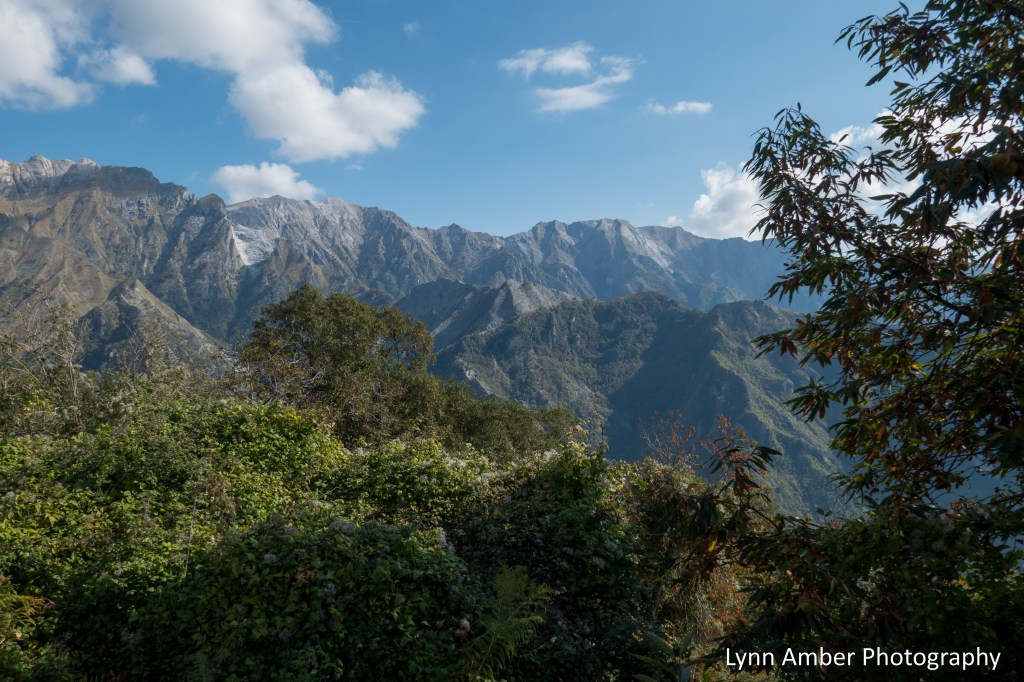
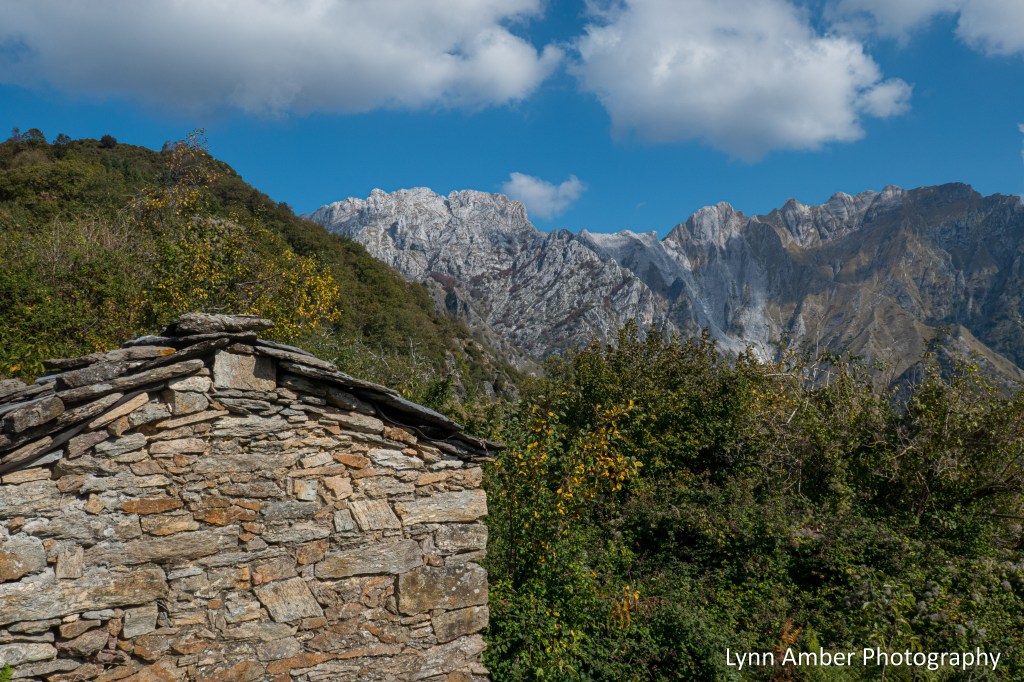
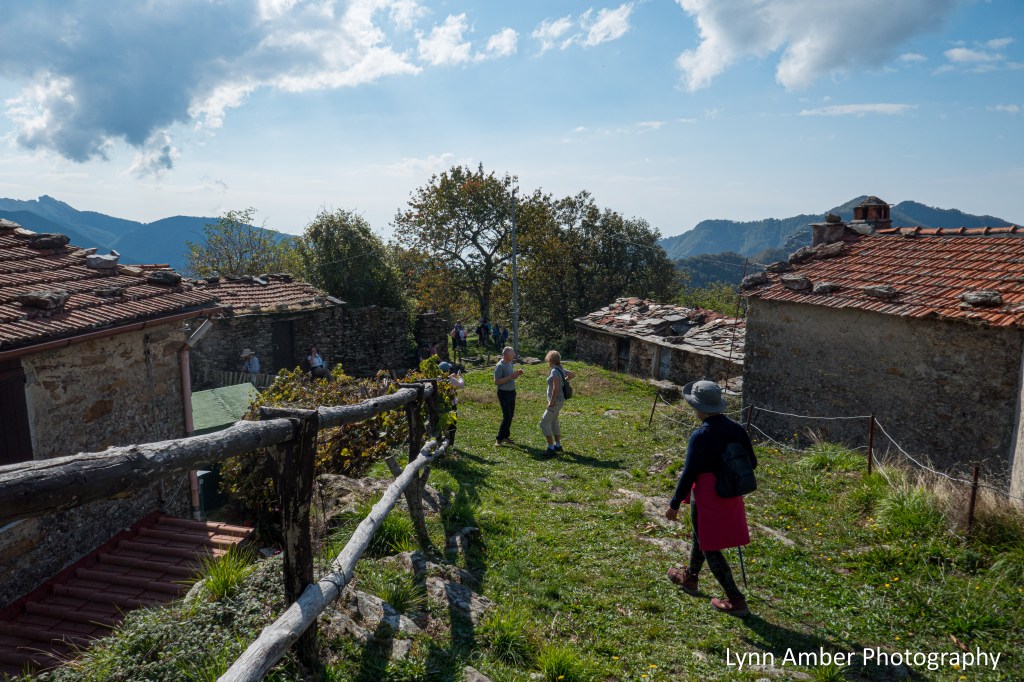
The abandoned village is comprised of a handful of stone buildings with slate or tile roofs – all in what I would call a state of “arrested decay”. There is one exception – a somewhat restored house that is privately owned as a vacation home.
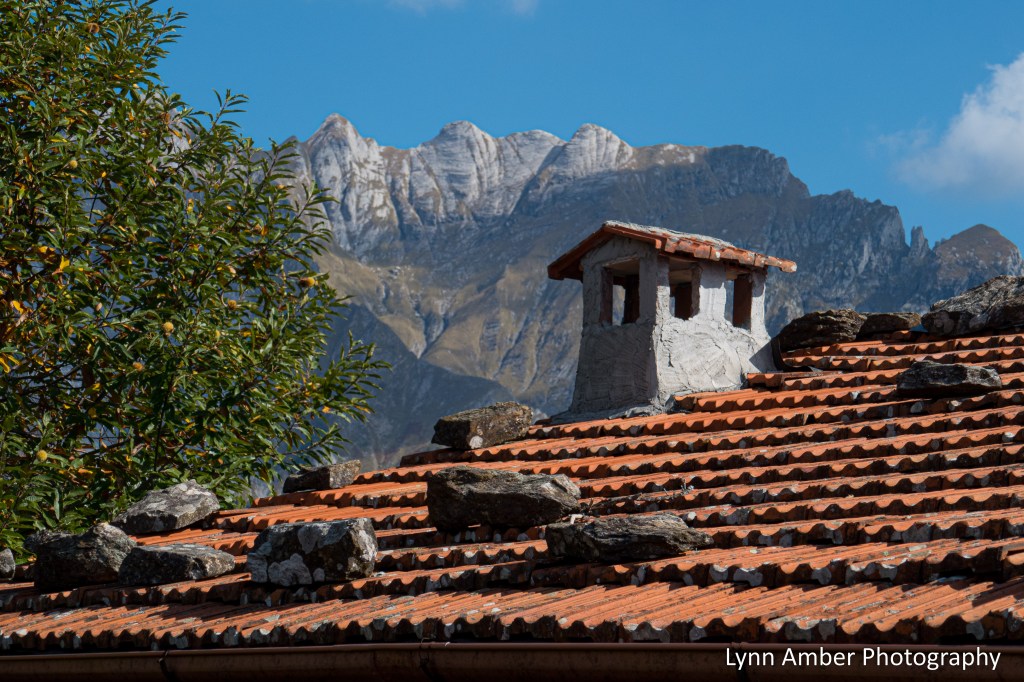
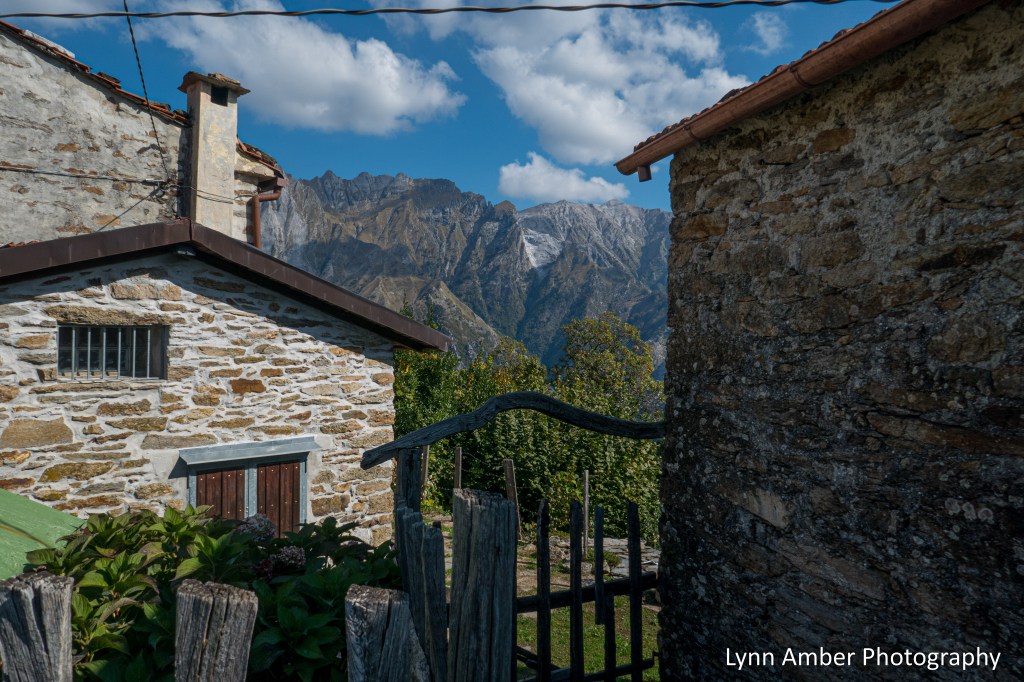
The gate below leads to the privately owned house that is still used today as a part-time residence. How would you like that view everyday??!!
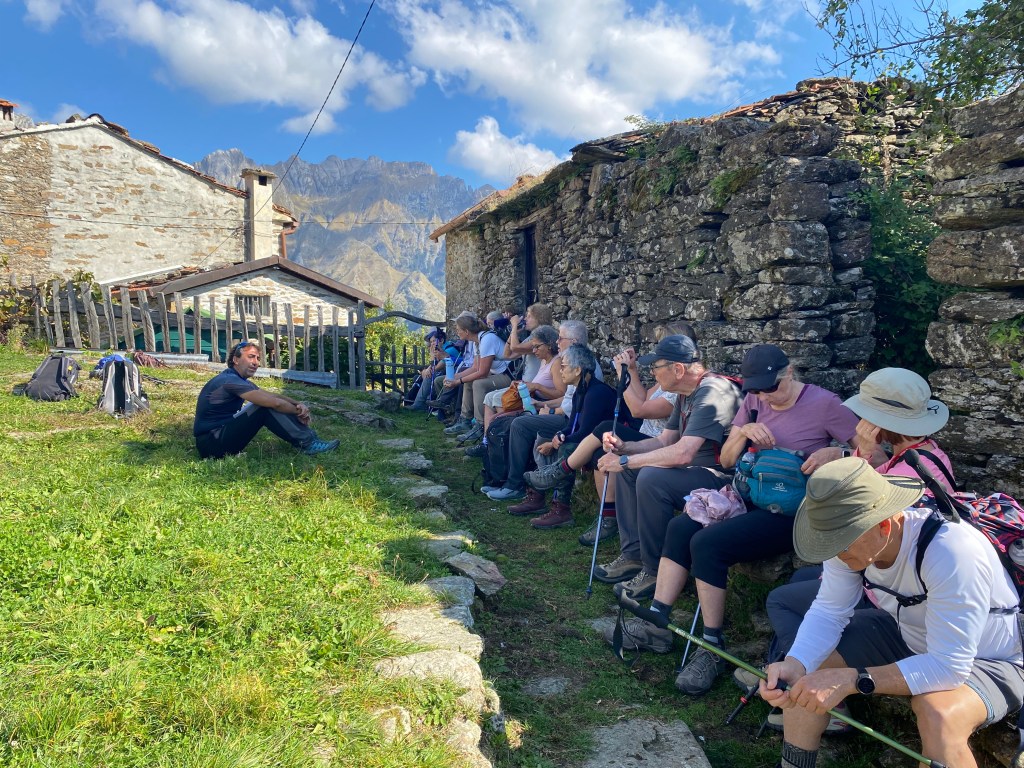
We took a break in the village and rested while Boris entertained us with a narrative about the very difficult life of a quarryman. It was dangerous work and, back in the day, the marble was transported in large blocks from the mountain tops on tracks via large, wooden sleds called lizza. Often, these sleds were pulled with oxen and required a minimum of 8 men to aid in manuvuering them down the steep slopes.
Some of the marble deposits visible from Case Del Vergheto have been in continuous operation since the Roman Empire. Wow – just wow! The images below were taken from the village looking towards the quarries.
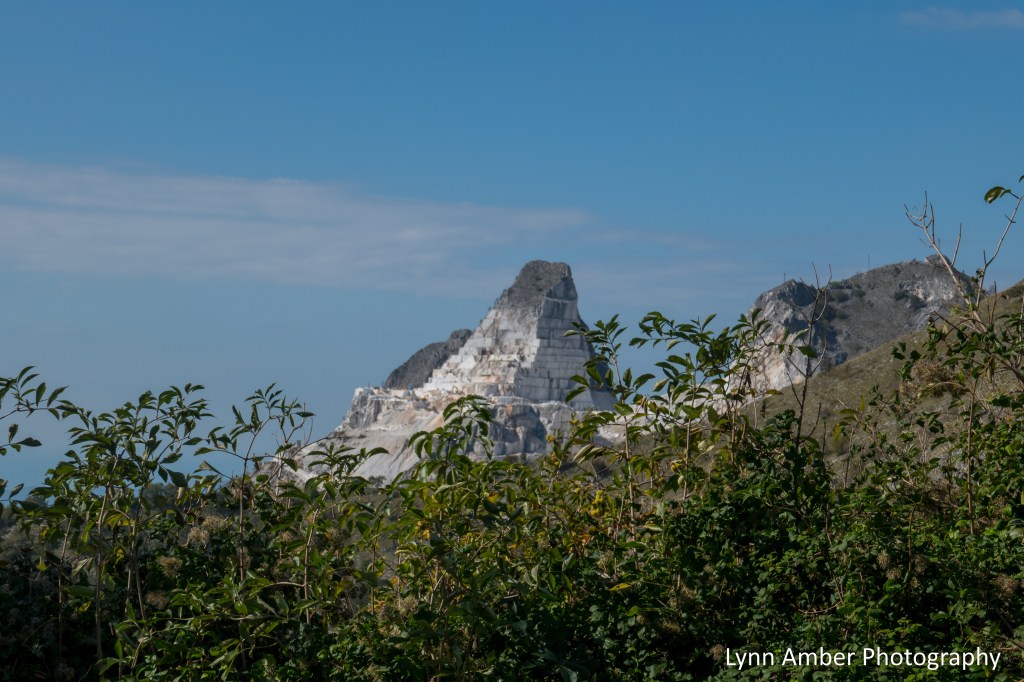
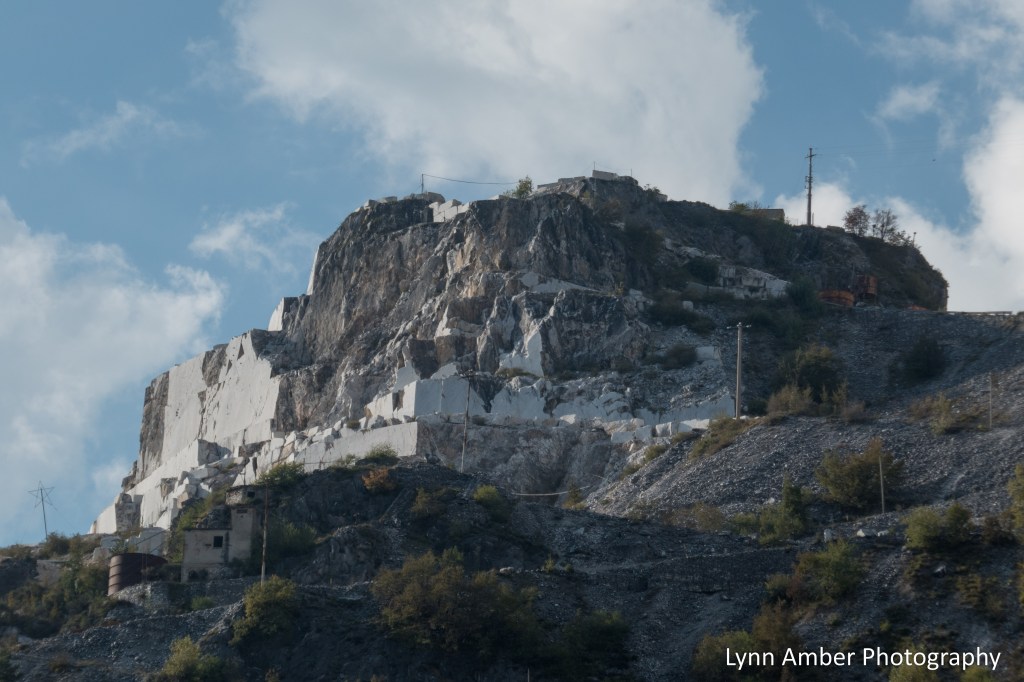
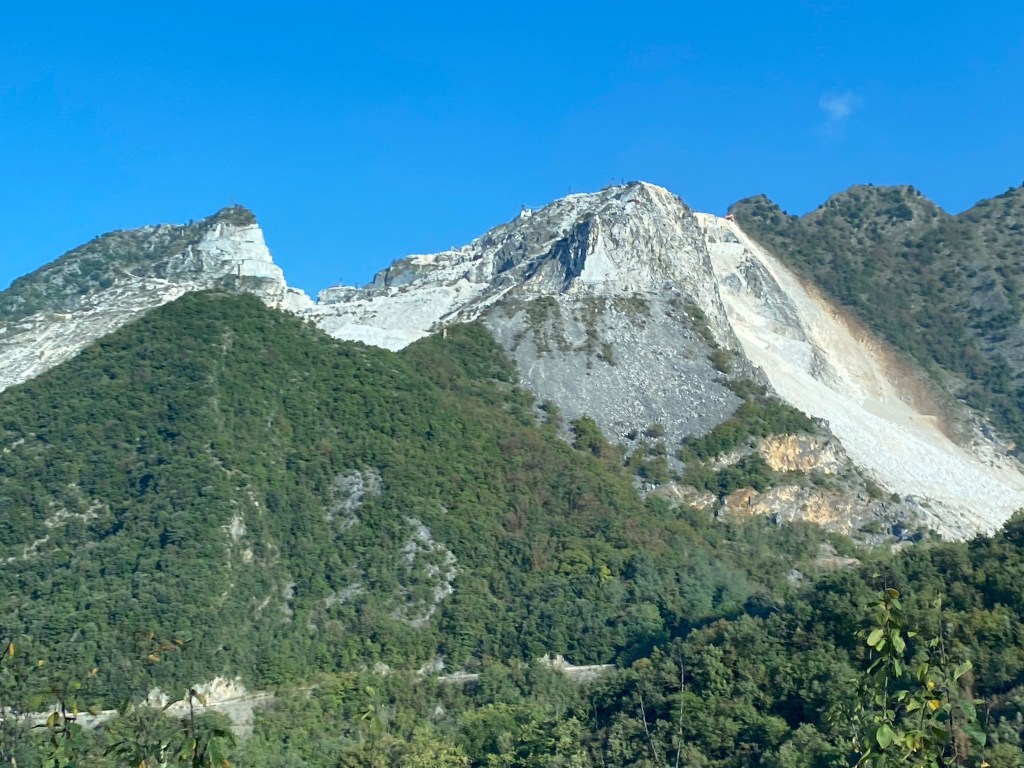
After exploring the small village and hearing about some of the history of the quarries, we hiked back down to Colonnata where we enjoyed lunch at the Ristorante Vernanzio and had some free time to explore this town rich with ancient history.
The town got its name from the Latin word “columna” (for the columns of marble quarried) and was founded around 40 B.C. as a “worker” village for the labor required to extract the Carrara marble from the surrounding mountains. It is said that Michelangelo was a frequent visitor to Colonnata and hand-picked marble for his statues. The marble that was used to carve the Statue of David came from the quarries surrounding this area.
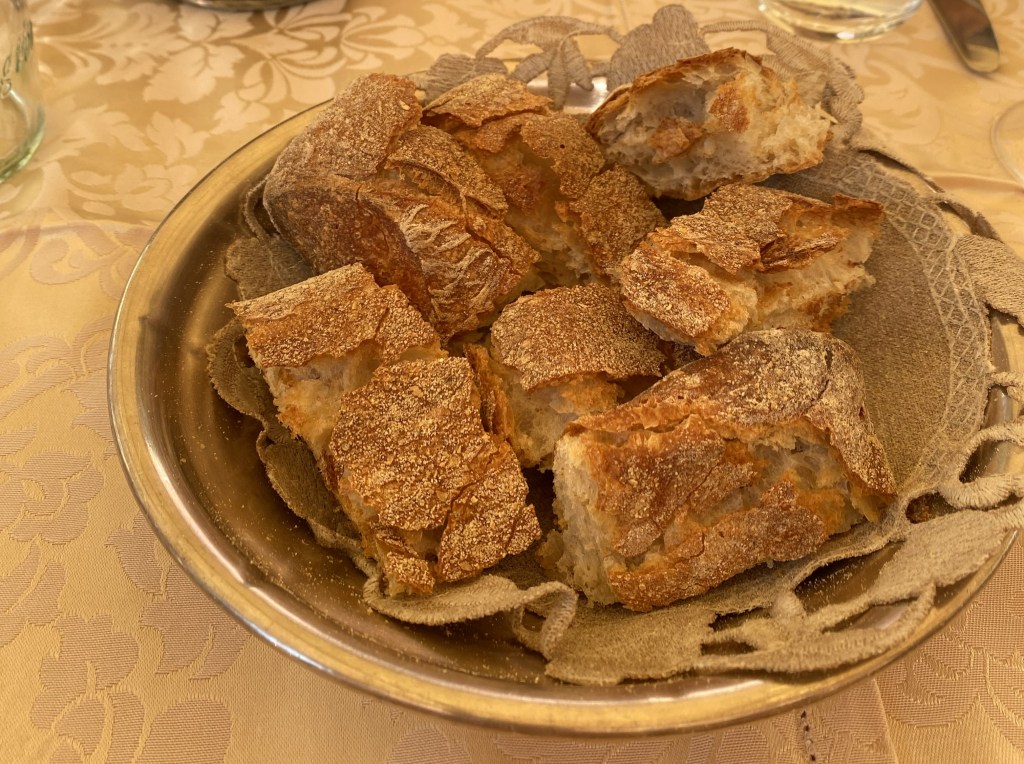
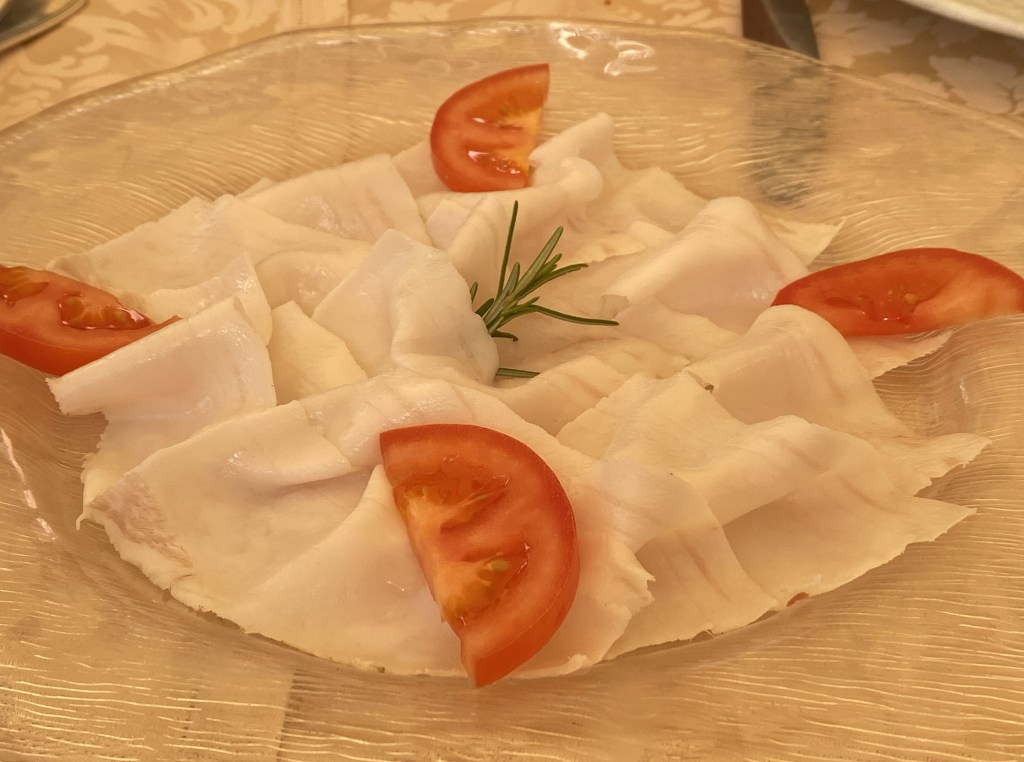
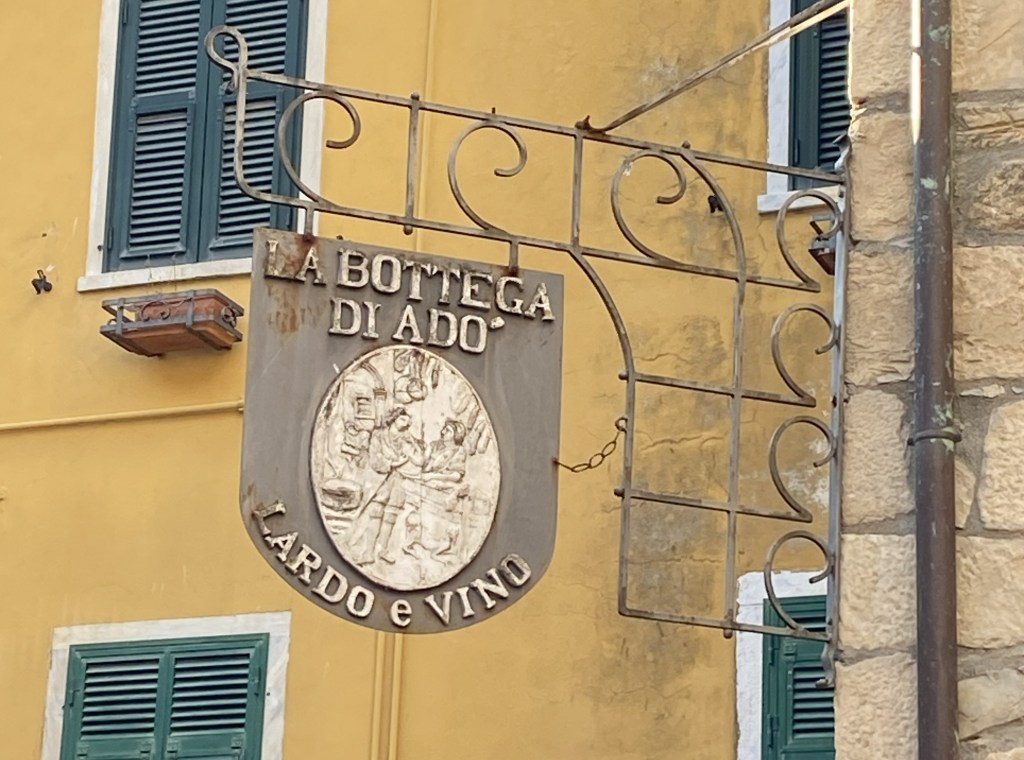
We indulged in a multi-course lunch that included one of the signature foods of Colonnata – lardo di Colonnata – a cured pork fat. The pork fatback is cured in marble “barrels” with a variety of herbs and spices for up to 6 months. It is often then cut into thin strips – called salumi – and used as a spread for bread. We were treated to this delicacy as one of the appetizer portions. The thought of eating lardo kind of grossed me out at first but I have to admit that it was quite tasty spread on a piece of warm, homemade bread!
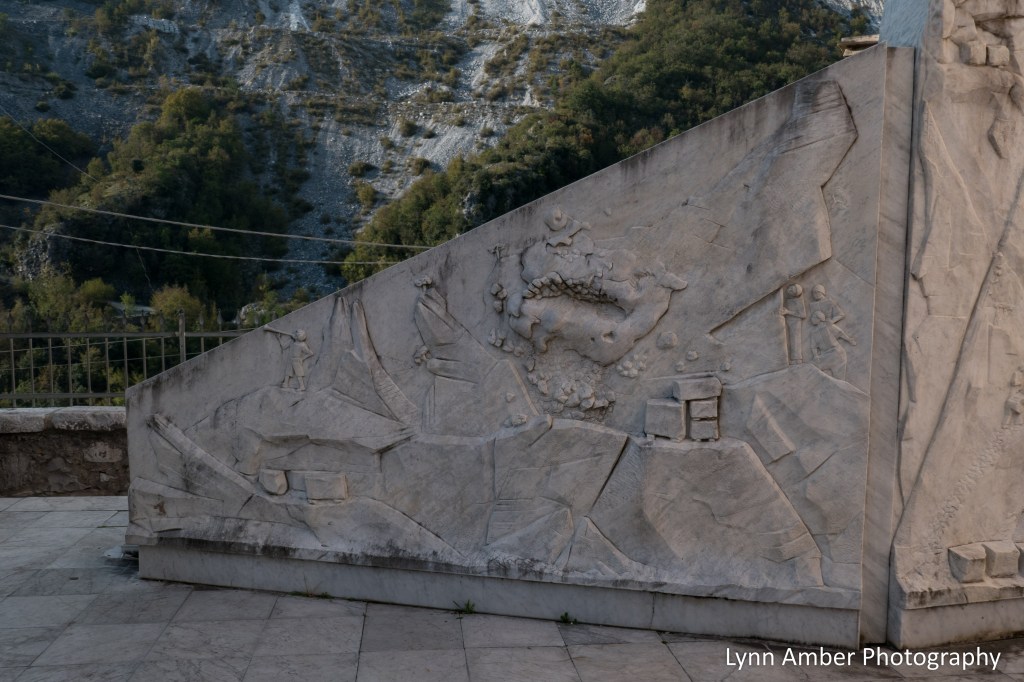
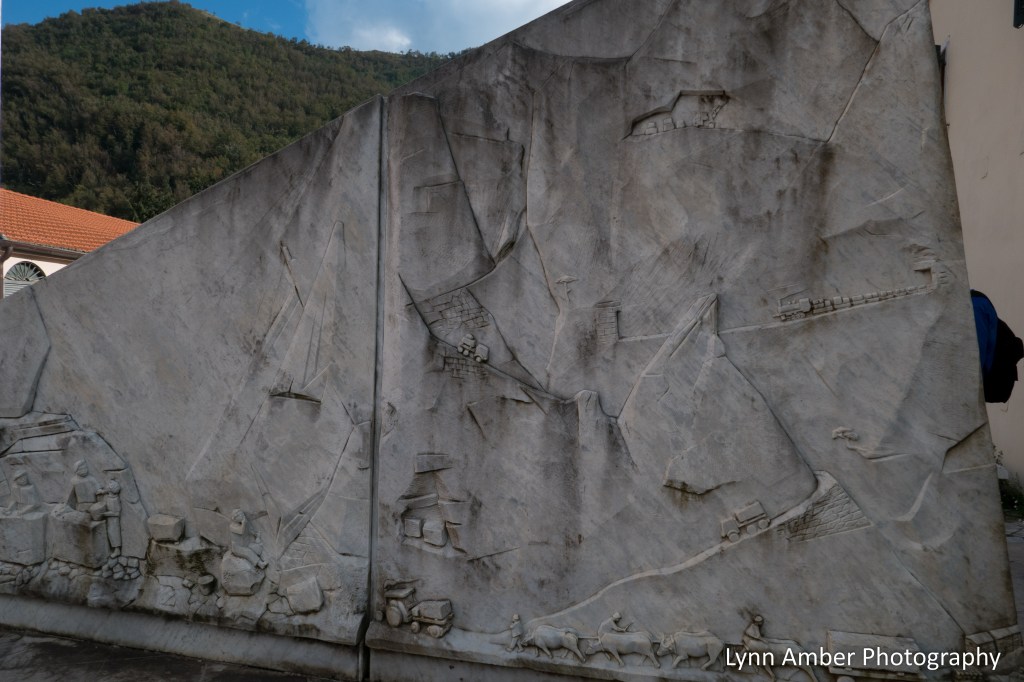
After lunch, we wandered around the small village of Colonnata and took in some sights. Outside of the San Bartolomeo Church, there is a memorial to the quarrymen who toiled in this town and the surrounding quarries. The marble panels depict life as a quarryman and the statue “Christ of the quarrymen” pays tribute to all the quarrymen who lost their lives due to this dangerous work.
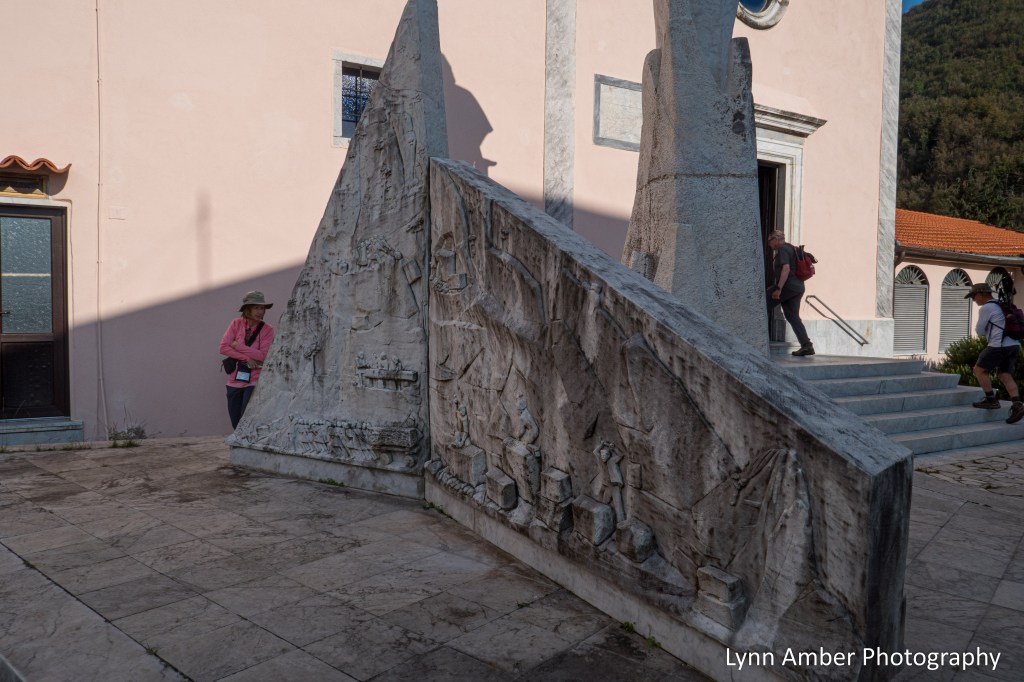
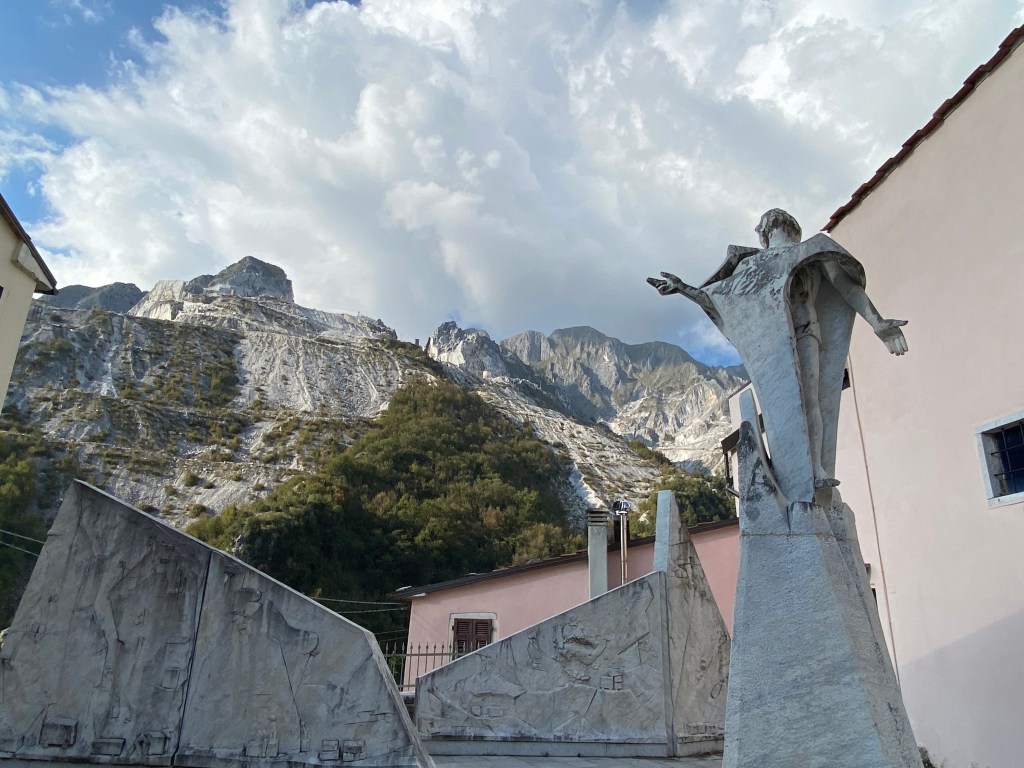
The interior of the San Bartolomeo Church, which dates to the 16th century is, of course, a showcase for the local marble.
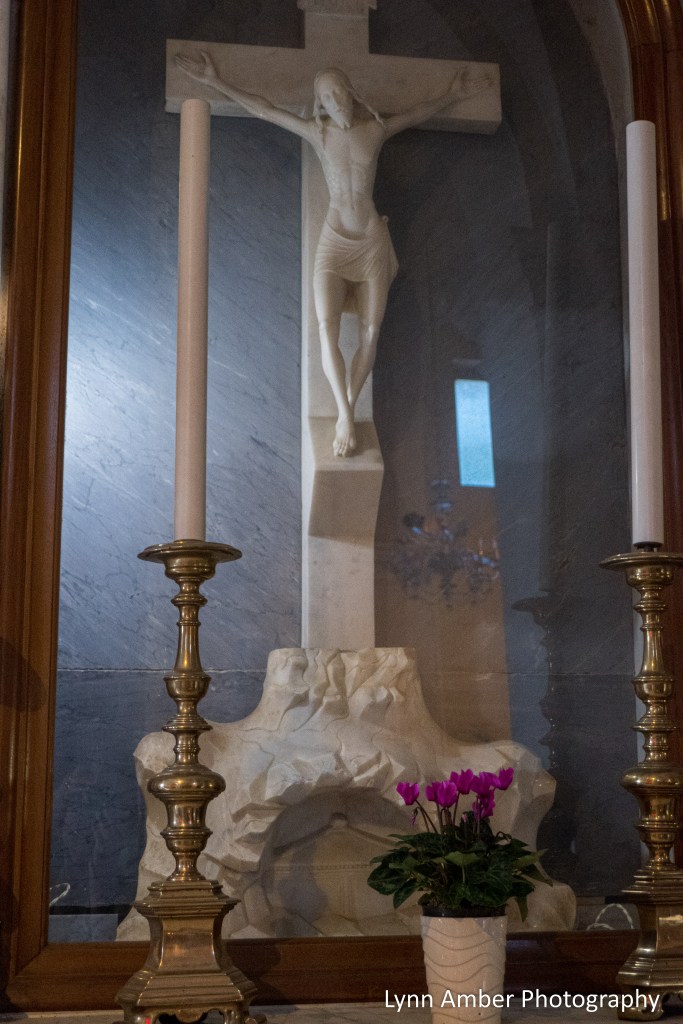
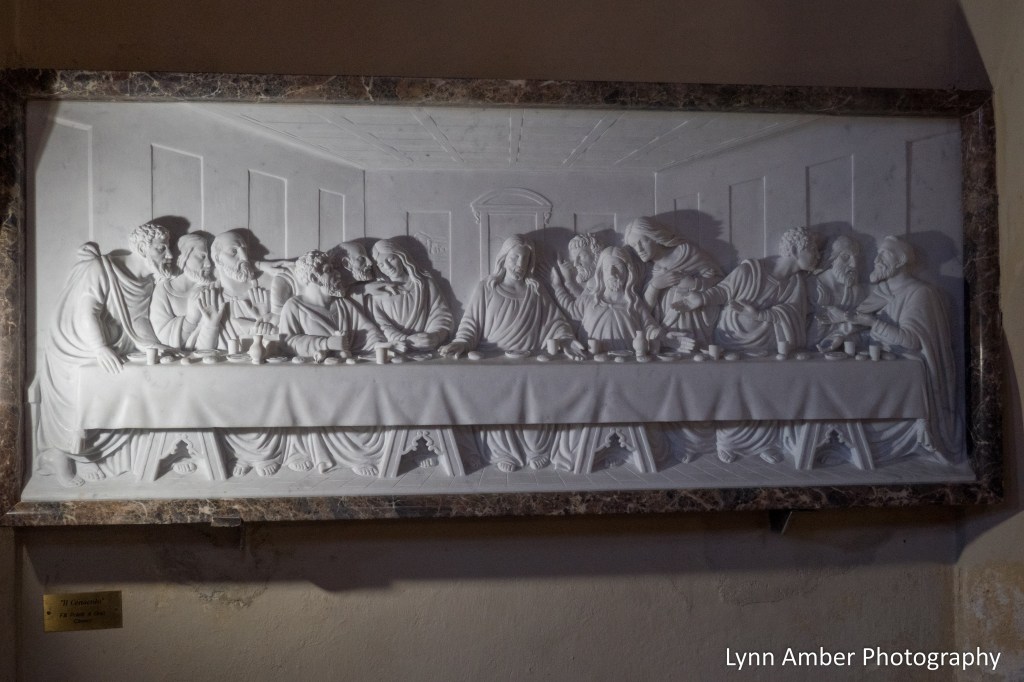
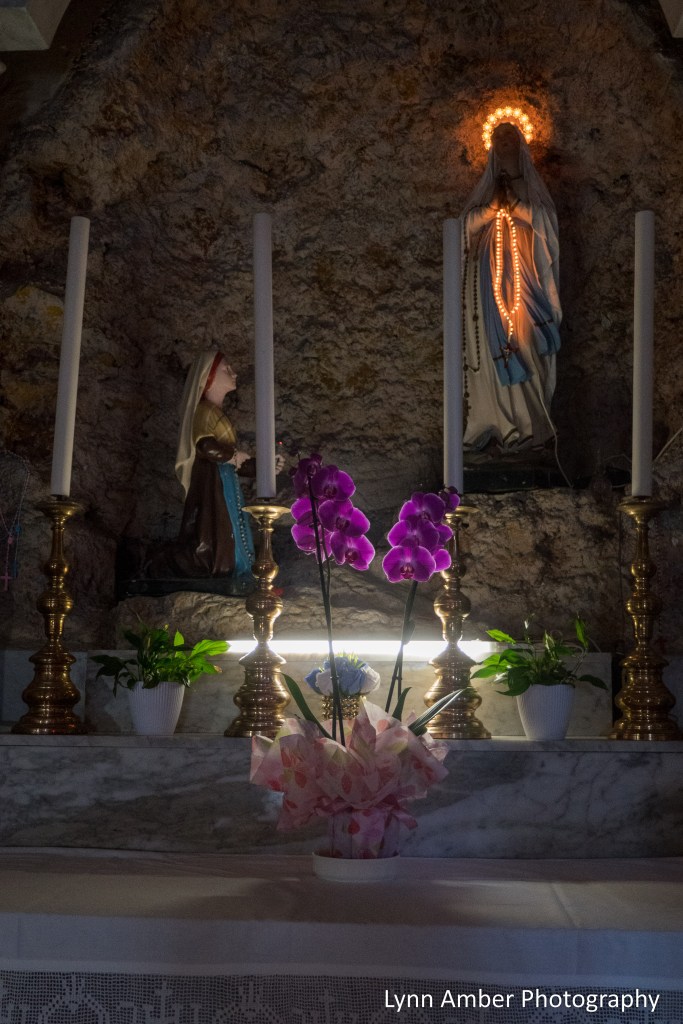
After touring the church, we had time to visit one of the local gift shops for a souvenir. I’m not one to spend much money on souvenirs. My photographs are usually my way of remembering the places I’ve traveled. But, I was so impressed by the quarries and the stories of those quarrymen who worked here. I ended up with a small piece of Carrara marble – in the simple shape of a pear with a gold stem and leaf. It sits on my kitchen window shelf above the sink and is my daily reminder of the beauty that is Tuscany and the Cinque Terre region.
When we got back to the hotel in Le Grazie that night, dinner was on our own either in Le Grazie or Porto Venere. I had originally planned on accompanying 3 other tour members to a restaurant in Porto Venere. But, I was still so full from the multi-course lunch and knew the next day’s hike would be more strenuous – so I opted out and enjoyed a restful, quiet evening in Le Grazie just taking a slow walk around town and retiring early for the night. A beautiful day indeed!
 Lynn Amber - Travel & Photography