Lynn Amber - Travel & Photography
sharing my thoughts through words and images
Cinque Terre Hiking Trip – Day 2

October 13, 2025 – Day 2 – Palmaria Island and Porto Venere
The second day of our group tour started with a boat trip to Palmaria Island from the small village of Porto Venere. Our first hike would be on the island of Palmaria in the Parco Naturale Regionale di Port Venere. The program did a fantastic job of organizing the hikes so that we would be going from “easier” to “harder” throughout the week. Today’s hike would be the easiest hike of the week – with a 700′ elevation gain along a 2.5 mile trail. Our guide, Boris, was very specific at the start of each hike concerning the level of difficulty and the conditions along the trail – steepness of ascents and descents, whether the trail was asphalt, dirt, rocky, etc.
We used communication devices as we hiked so that we could listen to Boris as we walked. Even if you were in the back of the line or – like me- wandering off to take photographs, one could still hear his narrative. He commented on the history and culture of the areas we visited in detail. Growing up in nearby Genova, he has dedicated his life as a tour guide since graduating from college. In Italy, to be a tour guide requires training and passing a very rigorous examination. He explained that there are 3 types of guides – hiking guides, tour guides and group leaders. Both he and Leonardo, our group leader, are certified in all three.
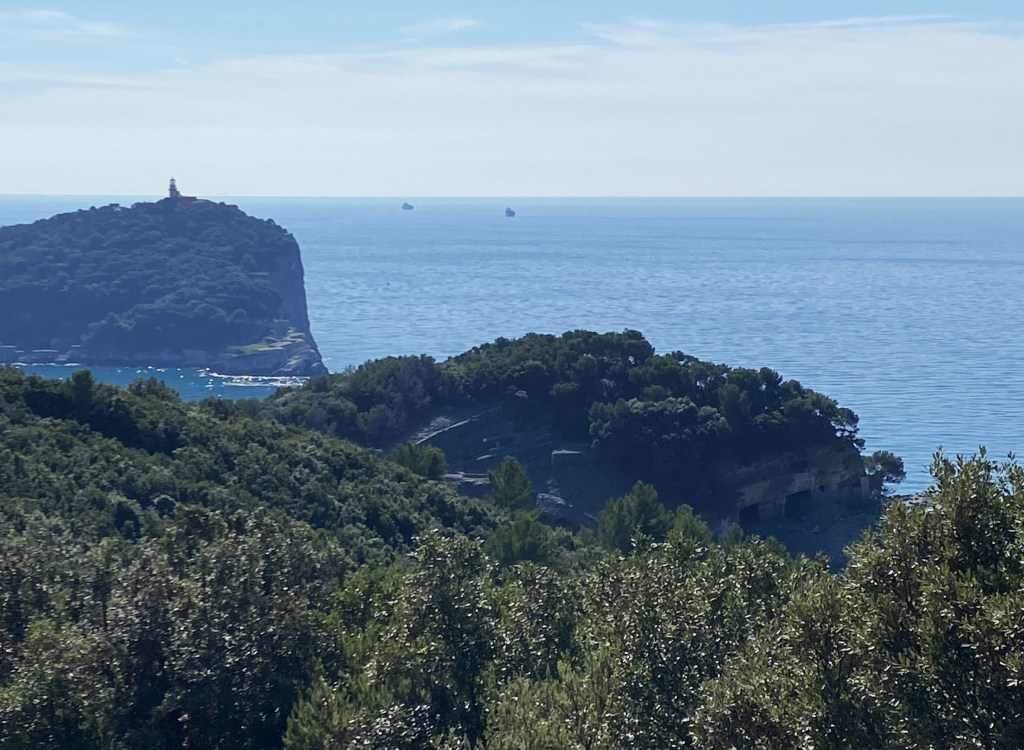
Palmaria Island is the largest island in a 3-island archipelago. The two smaller islands are Tino and Tinetto. and are virtually uninhabited. Tino Island was the site of a medeival monastery and archeaological ruins remain there. It is also controlled by the Italian Navy which supports a lighthouse and its surrounding structures. Tinetto is barely more than a rock outcropping and also was home to an ancient monastery.
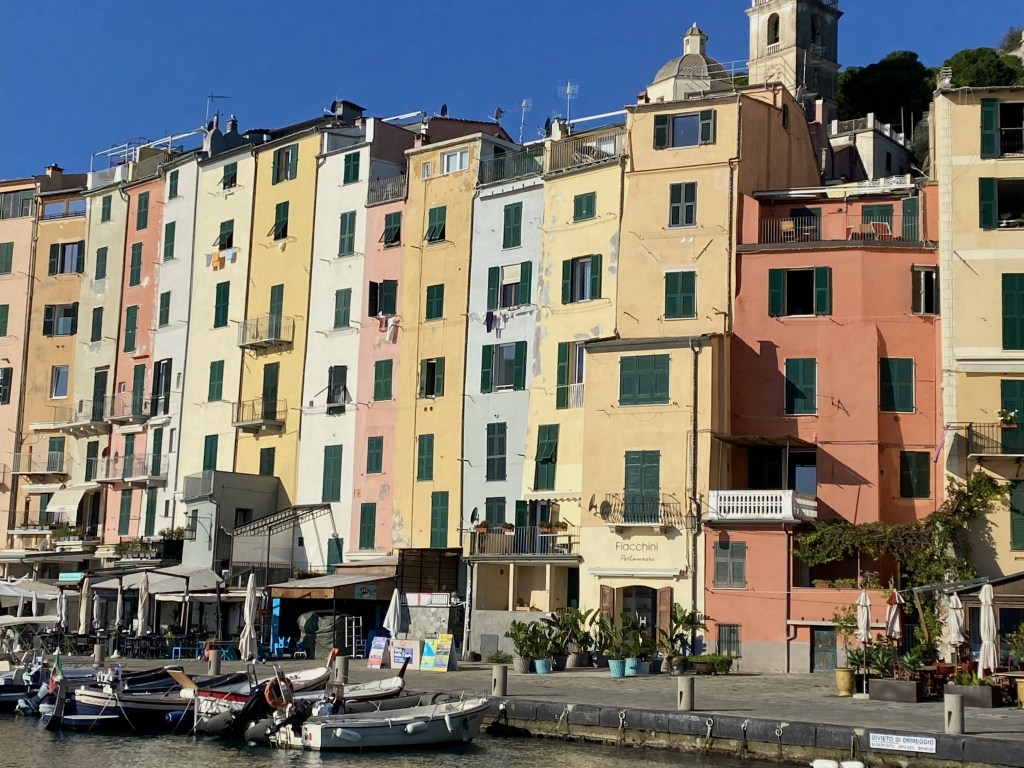
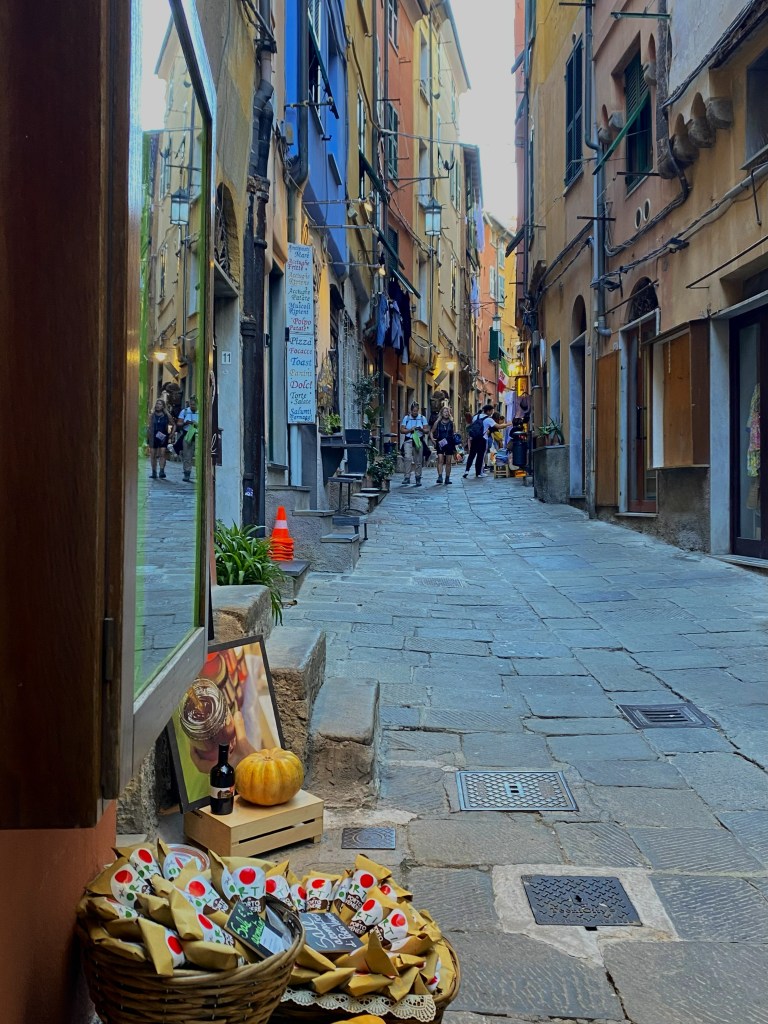
We arrived in Porto Venere in the morning to board the ferry that would transport us to Palmaria Island. Porto Venere was slowly waking up and the morning light on the colorful building facades was stunning!

It was a very short ferry ride across the channel.
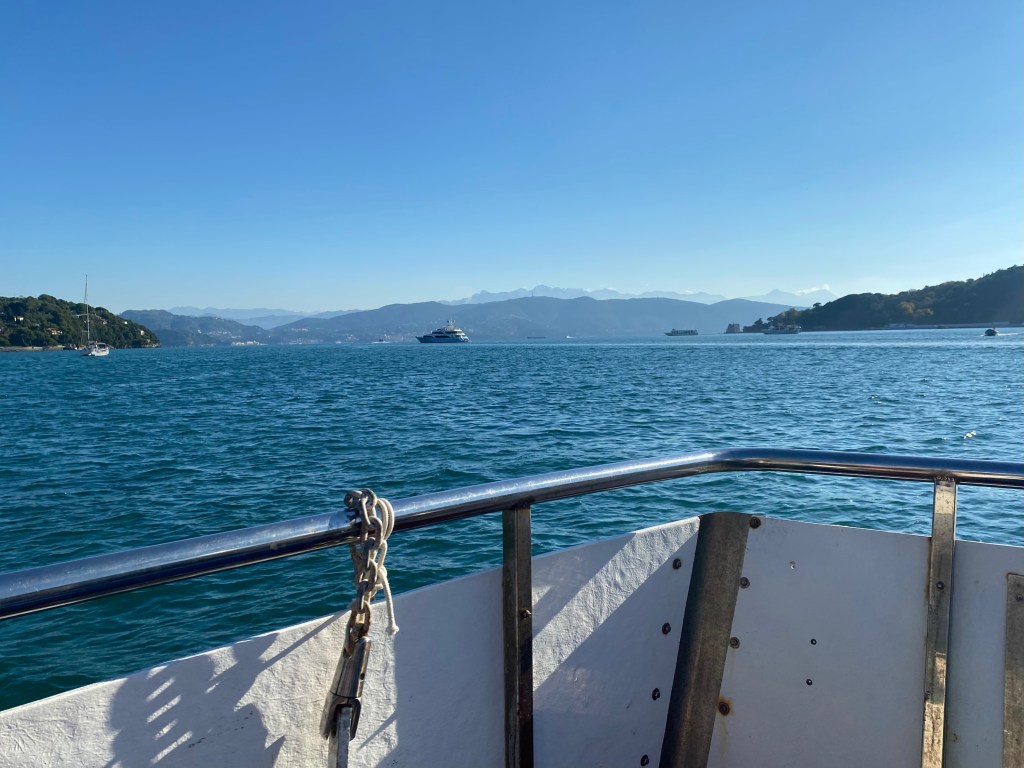
in the background
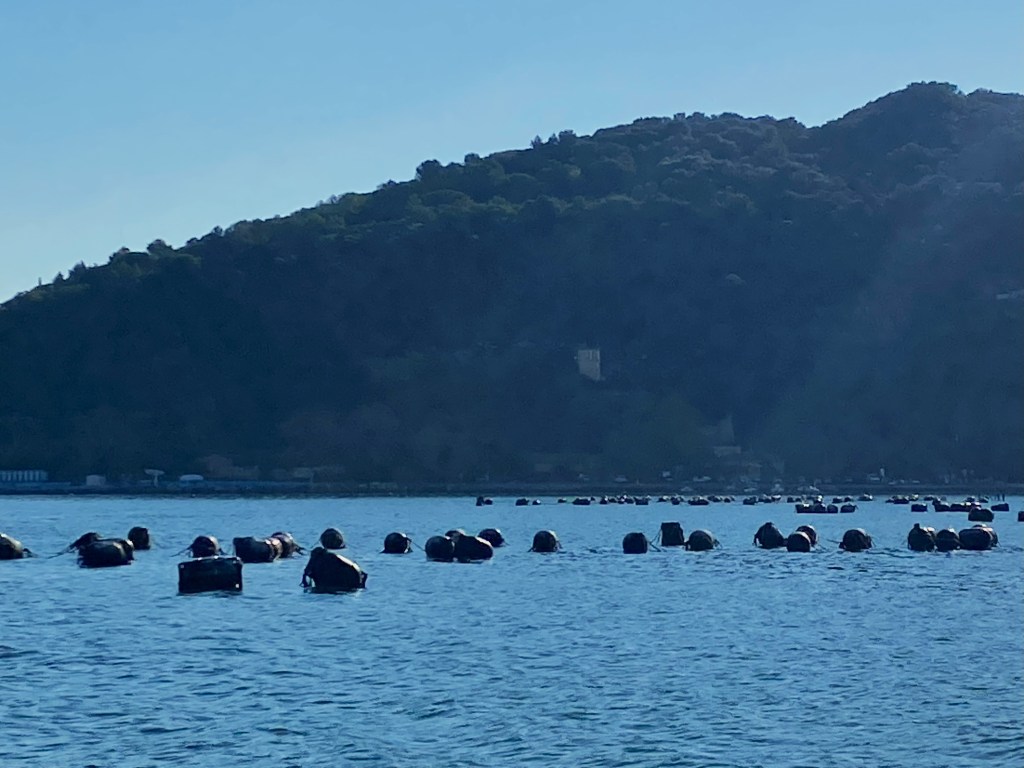
Once we exited the ferry and visited the nearby restaurant (where we would be eating lunch later) to use the restrooms, we started our hike. The initial part of the hike was a short, steep ascent that would take us near the top of the island where we would pass by an old fort.
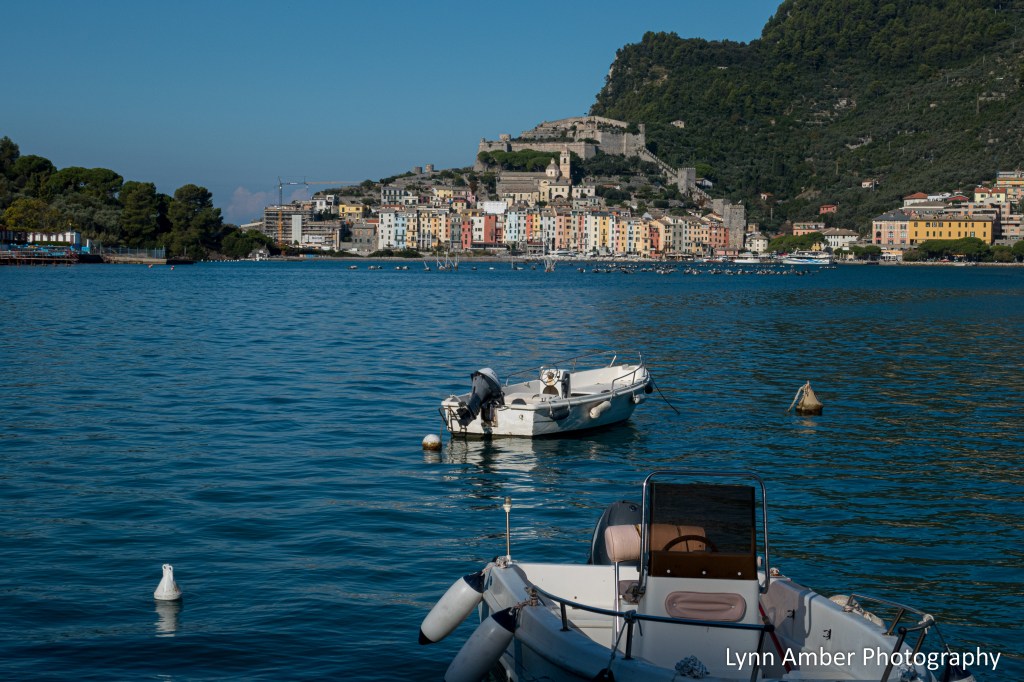
Once we left the pavement, we started up the steepest part of the hike today through overgrown mediterranean scrub.
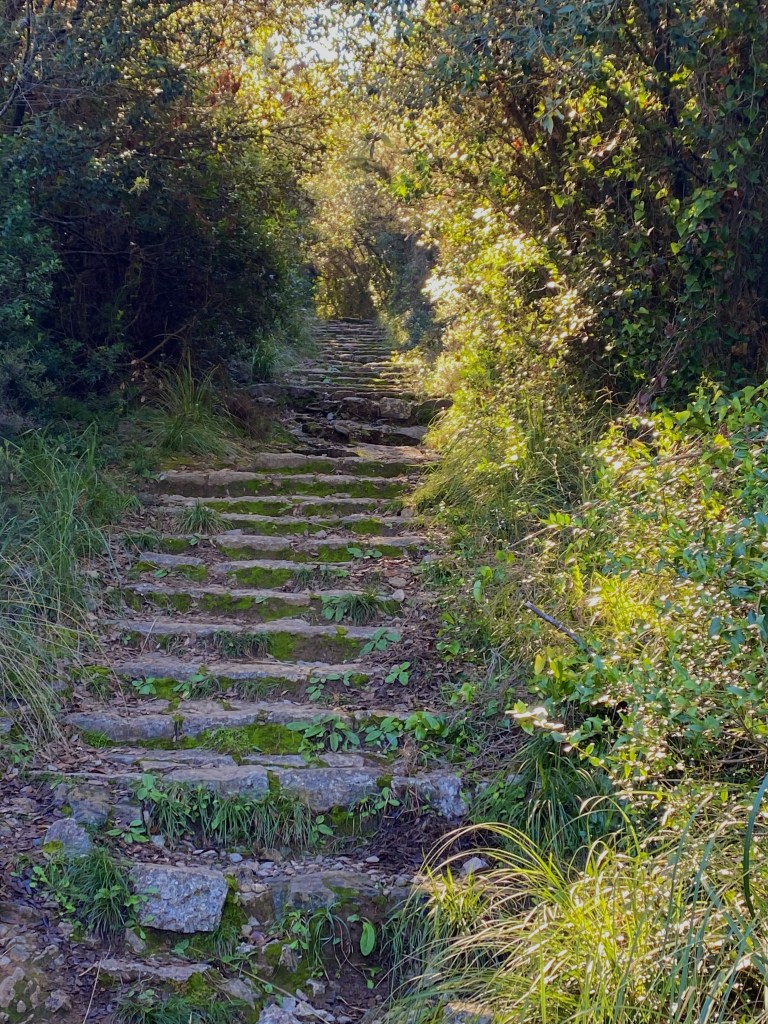
Towards the high point of our hike, we passed by the ruins of Fort Cavour. The fort was a Napoleonic era military fortress designed in 1808 and constructed later in the 1800’s to defend the Gulf of Le Spezia.


As we walked, Boris was telling us about the resident “wild” goat population on the island and, as if right on cue, we were visited by some of this population! They were not shy!

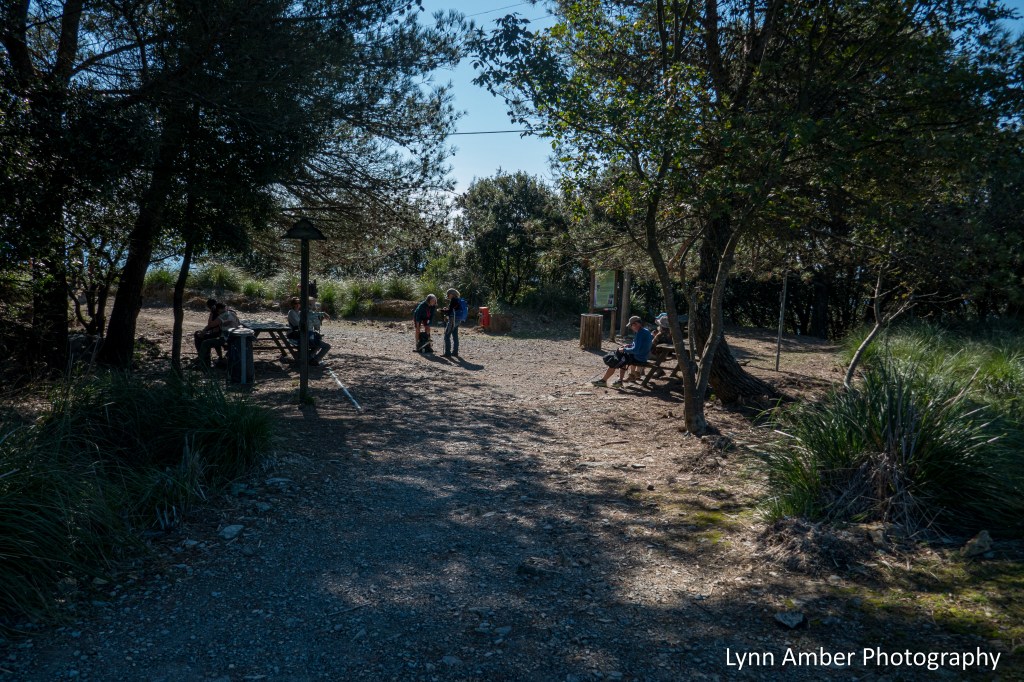
We took a break under some shade at the summit before heading back down the eastern side of the mountain. While resting, our guide explained some of the geology of the area.
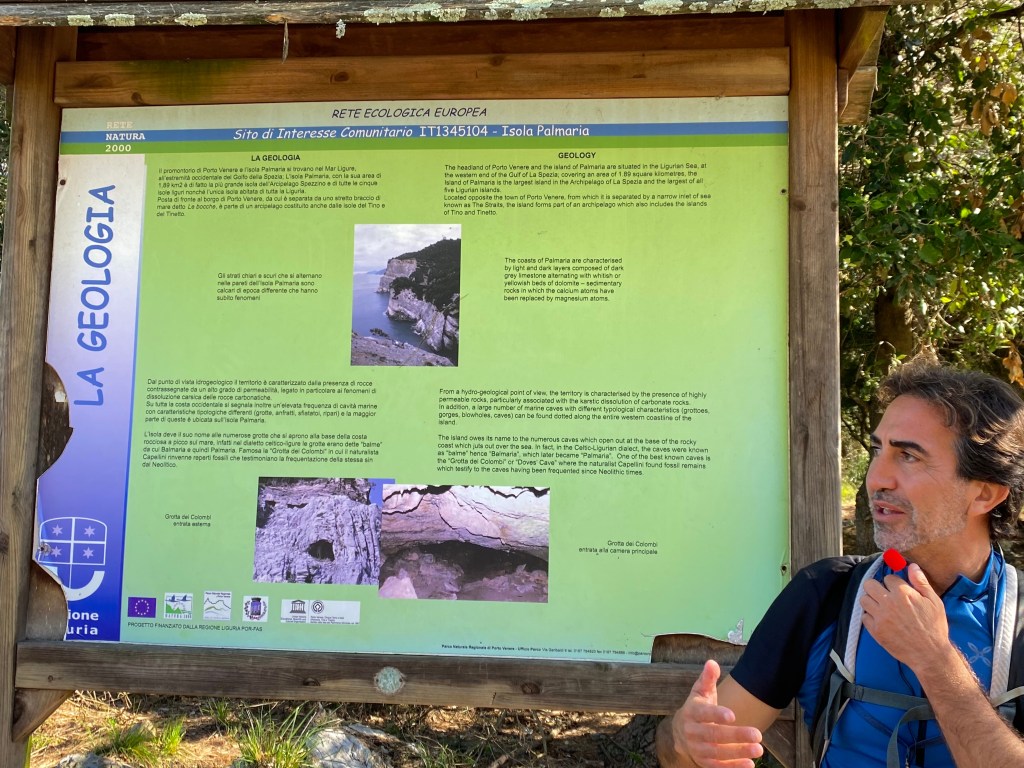
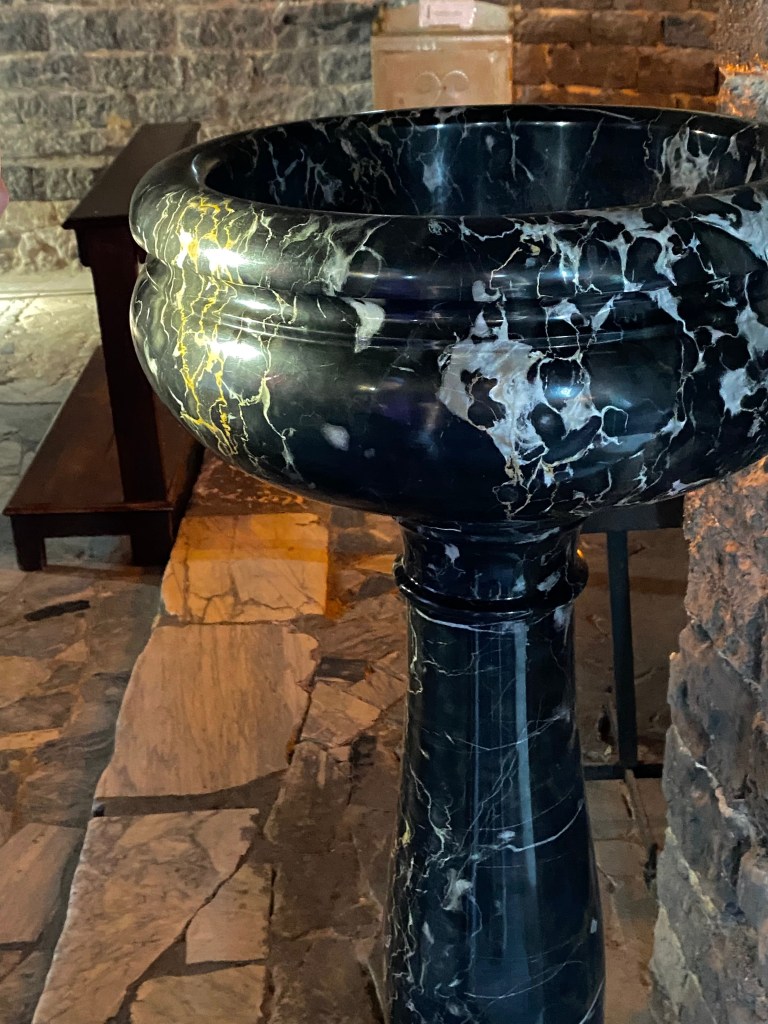
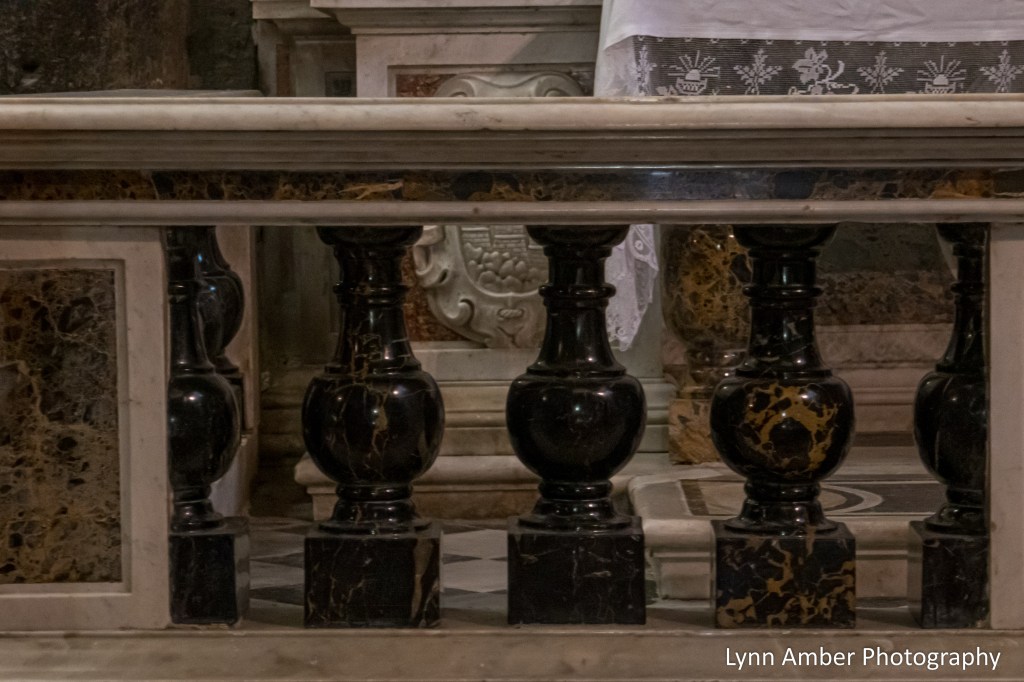
Palmaria Island gets its name from the Latin – Balma – which means “cave”. The island is reknowned for its sea level caves on the steep, western coast. The most famous cave is the Grotta dei Colombi. Archeaological artifacts found in this cave suggest it was inhabited during the Ice Age. These artifacts are on display at a museum in Le Spezia. Another important activity on the island was the mining of Portoro Marble. It was extracted on the island and is a high-end marble – black with striking gold-colored veins. We will see examples of this type of marble throughout our trip.
We had some magnificent views of Tino Island and the water on our descent through the Mediterranean scrub landscape on the eastern side of the island – typical plants include holly oak, downy oak, strawberry tree, rock rose and spanish broom.

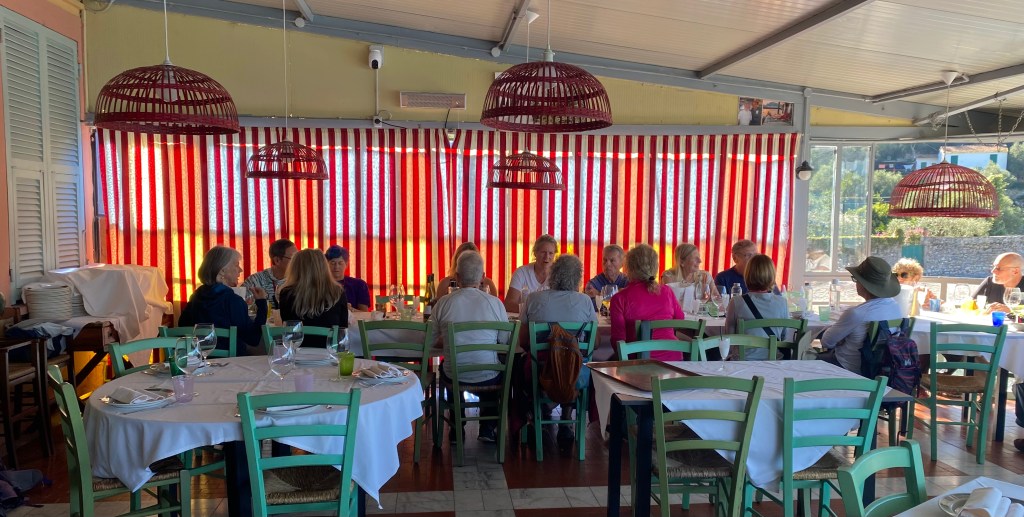
Once we reached our starting point near the dock, we were treated to a spectacular lunch at the island restaurant Locanda Lorena. It is rumored that Steven Spielberg is regular visitor to this restaurant. We had a multi-course meal with local fare such as mussels and clams and, of course, pasta.

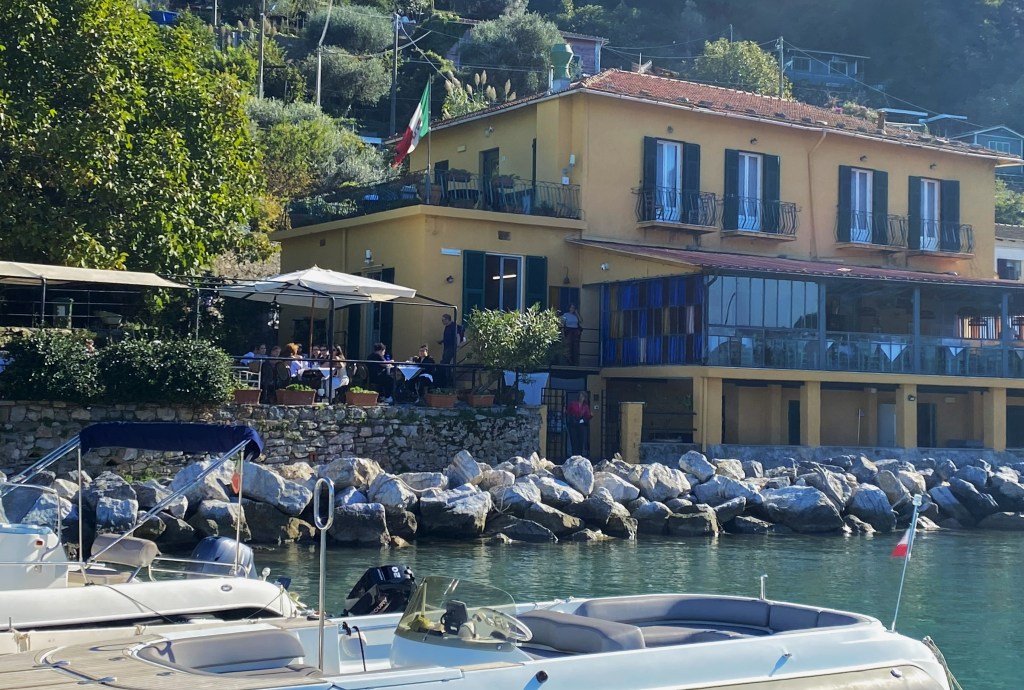
We rode back to Porto Venere after lunch on a smaller boat – I think we somehow missed the ferry? – but it was quite cozy!

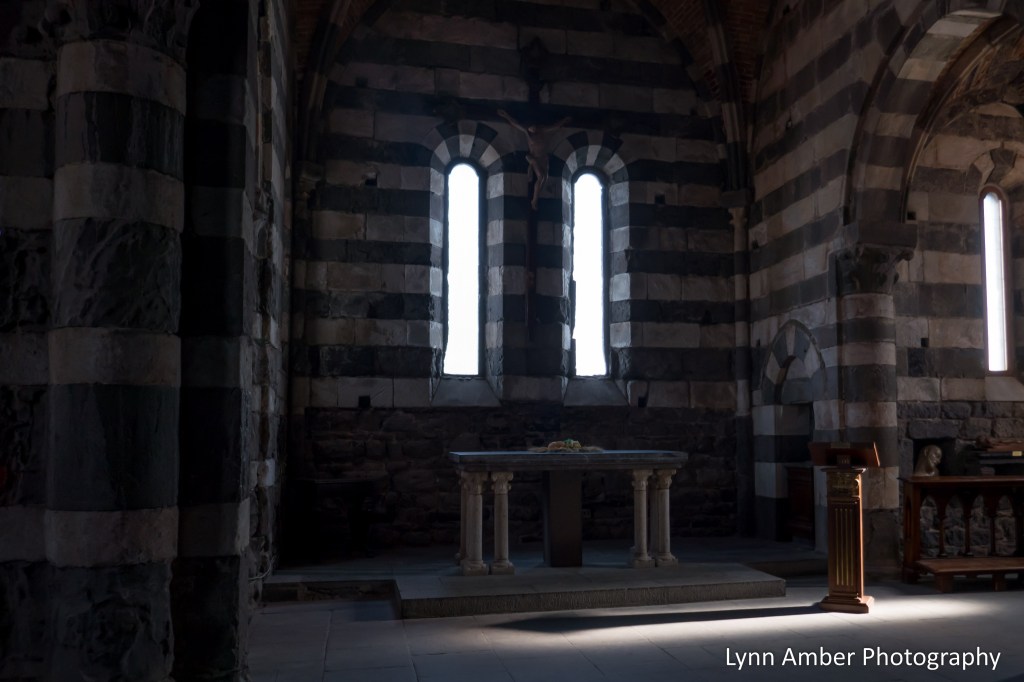
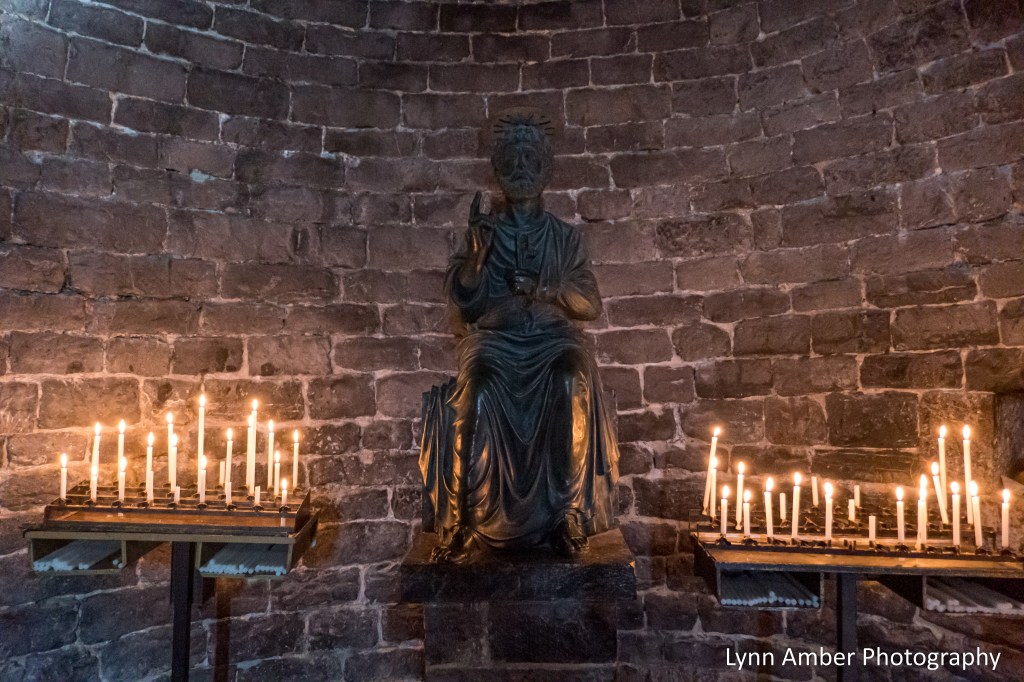
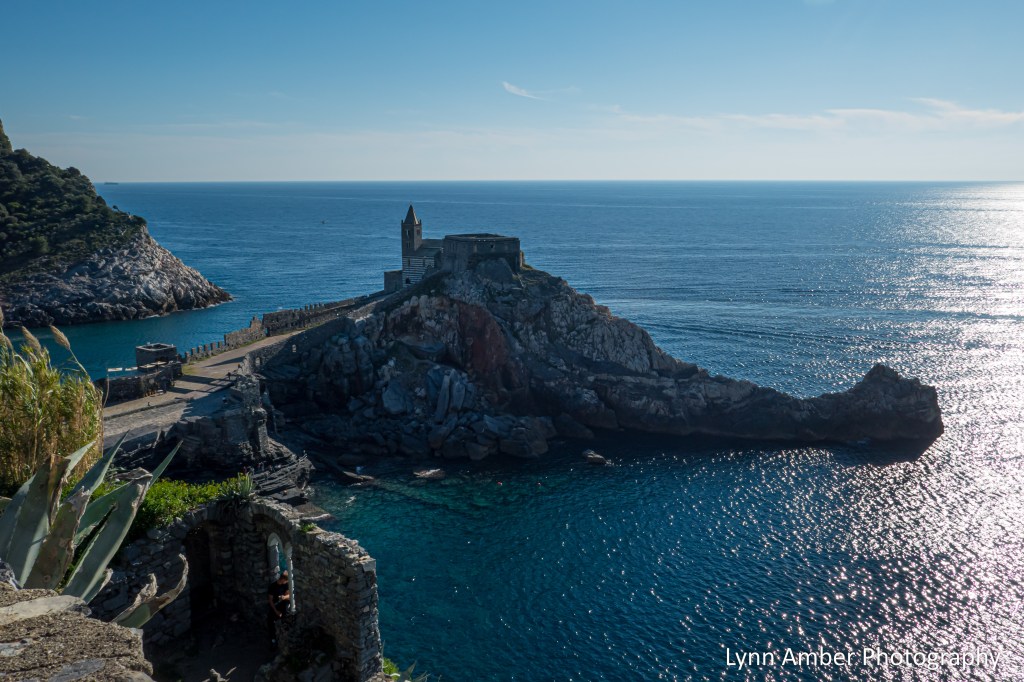
After returning to Porto Venere, we did a walking tour of the town visiting some of the local landmarks. Our first stop was the Chiesa di San Pietro – San Pietro Church – built in 1198 on a rock outcropping at the entrance to the gulf. It was built on the ruins of a Roman temple dedicated to the goddess Venus – and this is where Porto Venere’s name is thought to have derived. The architecture is of the Genoese Gothic style with it’s characteristic black and white bands of stone on the façade.


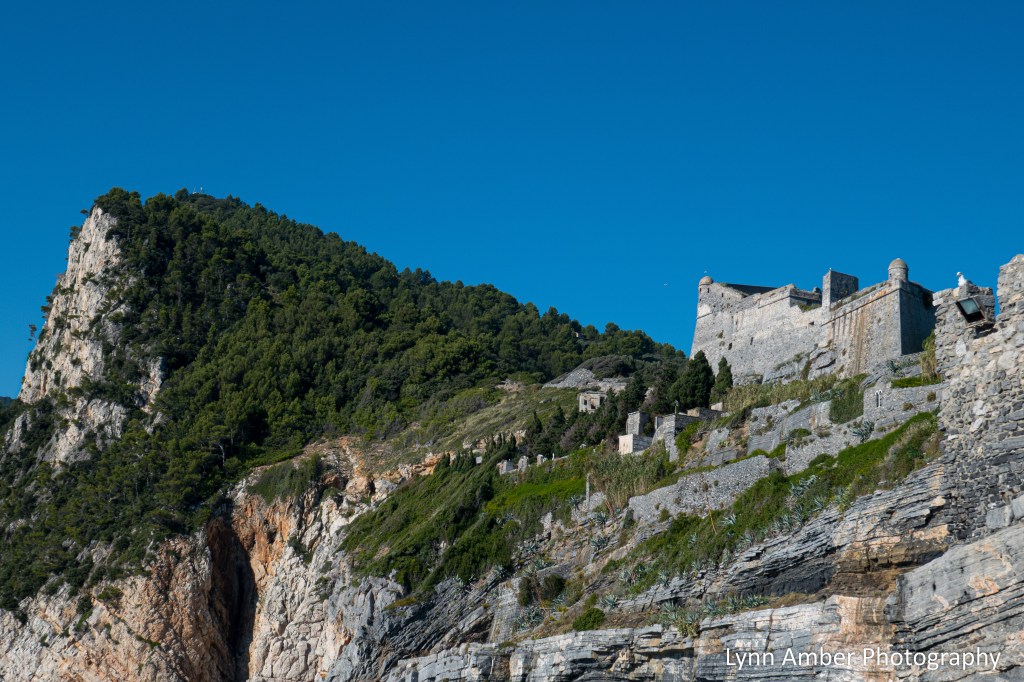
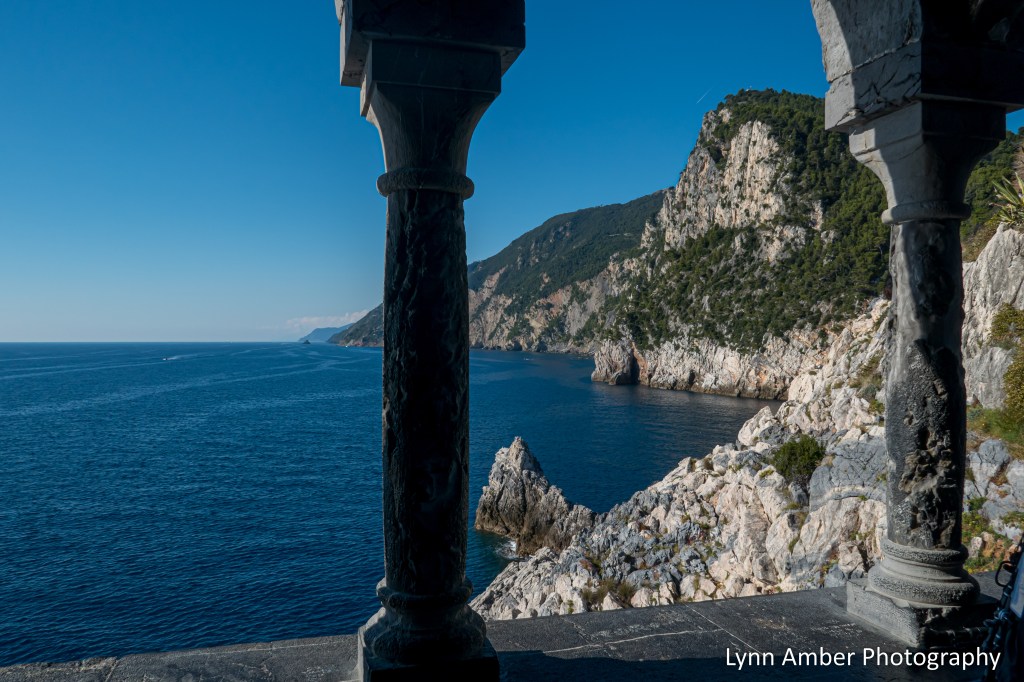
After leaving the church, we walked along a stone path that offered up spectacular views of the Cinque Terre coastline.


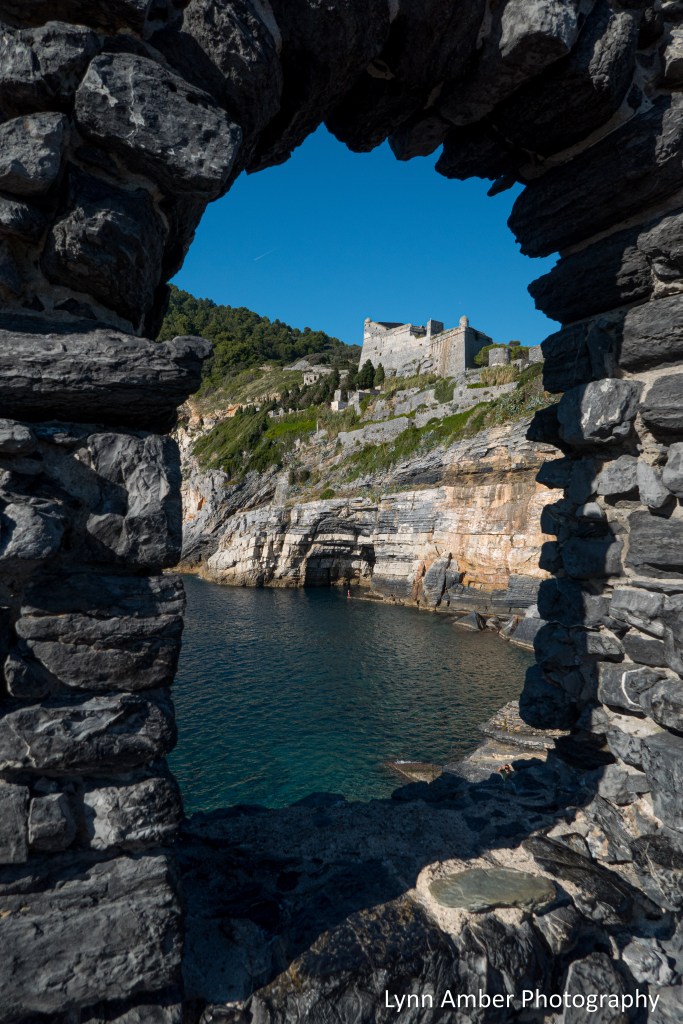

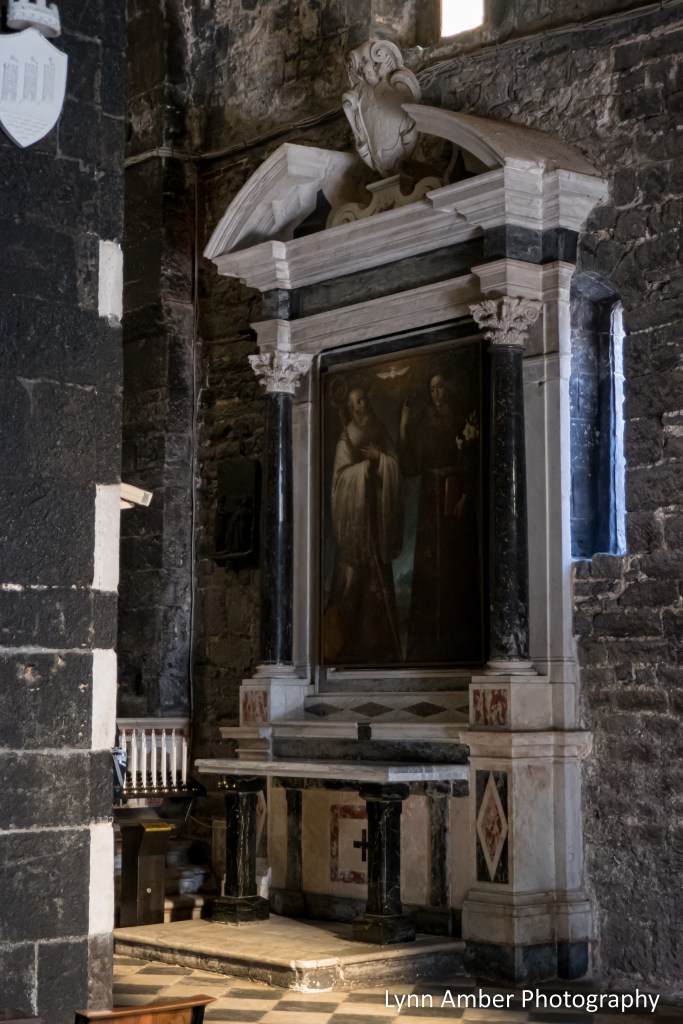
After walking through narrow streets, our next stop was at the Church of San Lorenzo. Built in 1130, this church displays the same Genoese Gothic style architecture of many ancient churches in the area. Inside the church is a parchment framed in white marble of the Madonna and Child dating to the 1200’s that is called the Madonna Bianca. The town of Porto Venere celebrates her with an annual festival on August 17th each year.


Some of the architectural features in the church:


Leaving the church, we climbed a little higher in the village for some awesome views of the landmarks and the Gulf of Le Spezia.

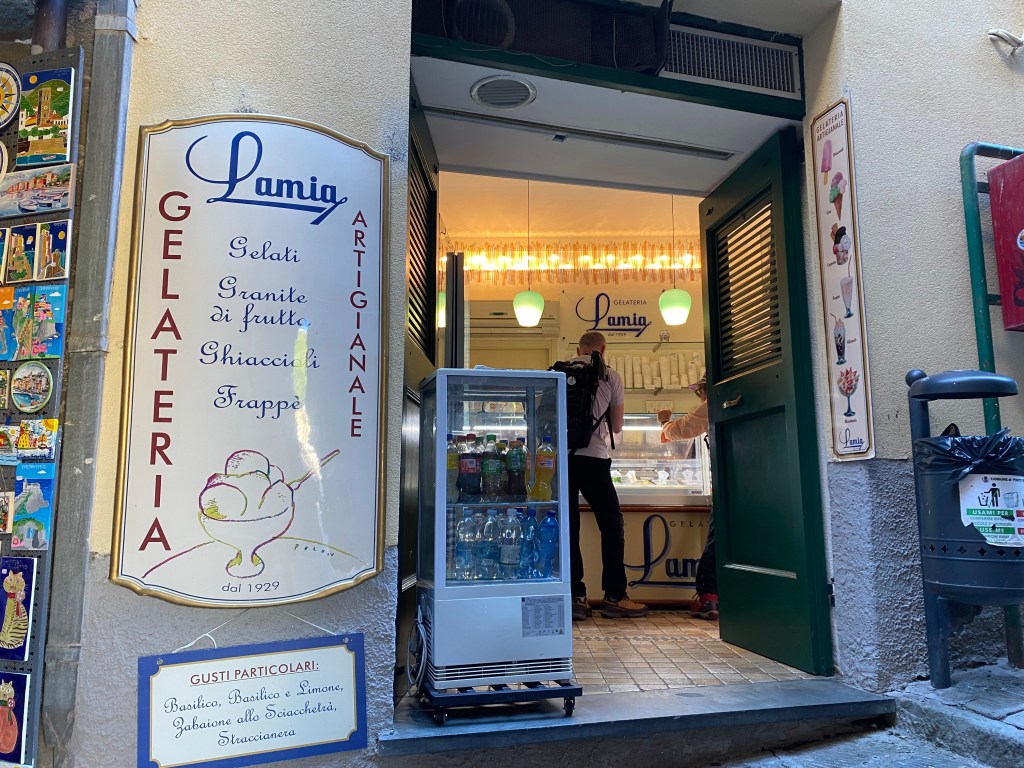
We had some time before catching our ride back to our hotel and headed back down into the center of town in search of – what else – Gelato!!

After arriving back at the hotel, we had time for a quick shower and clean up before attending the first of several lectures throughout the week. The first topic was a brief history of Liguria and the rise and fall of Genova.
The first day of hiking allayed my fears in regard to spending the week hiking with strangers and following the pace of others and a strict schedule. Our group was comprised of all hiking abilities – with most falling within the moderate to above moderate range of ability. The pace was moderate and I never felt it was too slow or too fast – and allowed for picture-taking along the way. The mix of attendees on the tour was refreshing and I felt very lucky to have landed with folks who were friendly, unassuming, interesting and accepting of everyone. It would be fun getting to know this eclectic group of travelers!
 Lynn Amber - Travel & Photography